
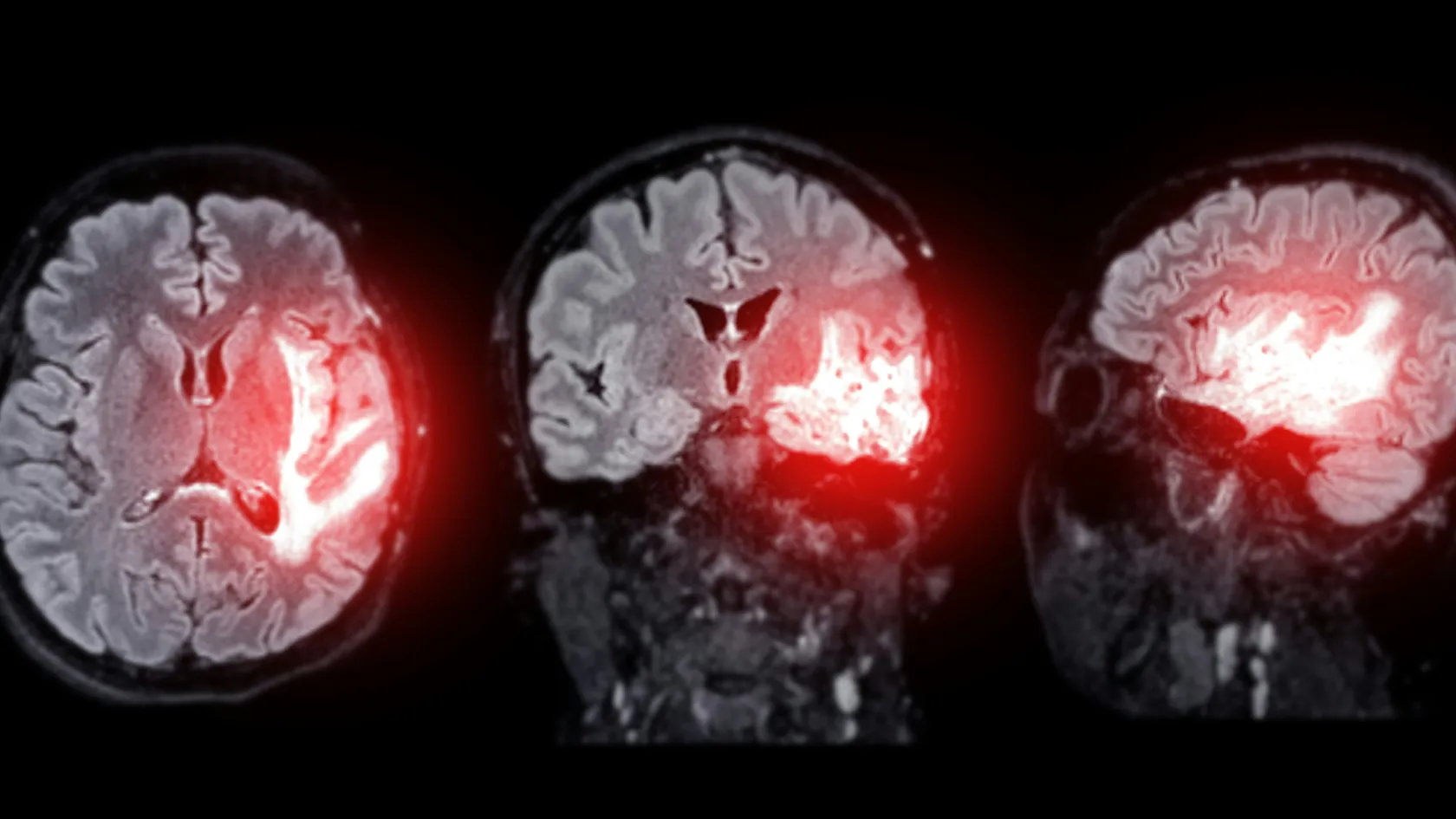
Palliative Radiation Therapy
Palliative radiation treats a symptom, a painful bone, a tumor that bleeds or presses on the spine or brain, in one session to ten. Twenty-five trials pooled show a single 8 Gy dose relieves bone pain as well as a longer course, so a trip abroad is measured in days.
About This Department
One session of radiation relieves bone pain from cancer in six patients out of ten. The aim is a better day.
The cancer has spread, and the question has changed from curing it to living with it as well as possible. A bone that hurts with every step. A spine that is starting to press on the nerves. A tumor that bleeds, or blocks a breathing tube, or presses on the brain. Radiation treats each of these directly, in one session to ten, and the evidence for the shortest schedules is strong. When 25 randomized trials of painful bone metastases were pooled, a single 8 Gy session relieved pain in 60 percent of patients and a course of several sessions in 61 percent. That means a trip abroad for palliative radiotherapy is measured in days. This page sets out what it can and cannot do, when a single dose is enough, when the right answer is to stay home and be treated there, and how a short visit to Istanbul is arranged for someone who is unwell.
What palliative means in a radiotherapy department
Palliative Radiation Therapy means radiation given to relieve a symptom rather than to remove a cancer. The word frightens people, because outside hospitals it has come to mean the last weeks of life. Inside a radiotherapy department it means something plainer. It asks one question of the treatment, and the question is answered by the patient.
Many people who receive it are in the middle of treatment. Years of it may lie ahead. A woman with breast cancer controlled by tablets for years has one painful rib treated in a single visit and goes back to her tablets. A man with prostate cancer walks out of the department after a session to his hip and drives home.
The target is the symptom. Success is measured two weeks later, in whether the pain, the bleeding or the pressure is smaller than it was.
Others are near the end. For them the calculation is stricter, since a treatment that takes two weeks to work is no use to someone with two weeks left, and a good radiation oncologist says so before anyone books a flight.
What it relieves, and how quickly
Eight problems make up most of the work.
| Symptom | What the radiation does | How soon it helps |
|---|---|---|
| Pain from a metastasis in bone | Shrinks the deposit and calms the bone around it | Starts within days, full effect at 2 to 4 weeks |
| Weakness or numbness from a tumor pressing on the spinal cord | Shrinks the tumor to take pressure off the cord, alongside steroids | Within days, provided treatment starts before walking is lost |
| Headache, confusion or weakness from brain metastases | Shrinks the deposits and reduces swelling | Over 1 to 3 weeks, steroids acting sooner |
| Bleeding from a tumor in the lung, bladder, bowel, uterus or skin | Seals the fragile vessels in the tumor surface | Often within a week |
| Breathlessness or cough from a tumor narrowing an airway | Opens the airway by shrinking the tumor | 1 to 2 weeks |
| Difficulty swallowing from a tumor in the esophagus | Shrinks the tumor to widen the passage | 2 to 4 weeks, sometimes with a stent placed first |
| Swelling of the face and arms from a tumor pressing on the great veins of the chest | Shrinks the tumor to restore blood flow | Days to 2 weeks |
| A large ulcerating tumor in the skin, breast or neck | Shrinks it, dries it and reduces smell and discharge | 2 to 4 weeks |
Treating the cancer everywhere at once is beyond it. That job belongs to drugs. The two are given side by side.
Painful bone metastases
Bone pain comes first. It is the commonest reason for palliative radiation and the one with the clearest evidence behind it.
Chow and colleagues pooled 25 randomized trials in Clinical Oncology in 2012, 5,617 patients in all. Pain relief came in 60 percent after a single session and 61 percent after several, and complete relief in 23 and 24 percent, so the schedules were equal on the measure that matters.
A single dose of 8 Gy is therefore the standard for an uncomplicated painful bone metastasis, and the guideline of the American Society for Radiation Oncology, updated in 2017, says so in plain terms. The same pooled analysis found one real difference. Patients treated with a single session were 2.6 times more likely to need the same spot treated again later, and the guideline confirms that retreatment is safe and effective. For a traveler, that trade is easy. One visit now, and the option of another if pain returns in a year, against a week or two of daily sessions.
When several sessions are chosen instead
Four. A long bone that has been eaten through and could break, where the surgeon has put a rod in first. A deposit pressing on a nerve root. A site already treated once. A vertebra where the tumor lies close to the cord. In these situations 20 Gy in five sessions or 30 Gy in ten is chosen, and the extra days are worth it.
Stereotactic treatment exists too, a very high dose to a small spinal deposit in one to three sessions, used in some centers for patients expected to live years. The ASTRO panel found the evidence for it too thin to recommend outside a trial or a registry. We agree, for most patients who travel.
Pressure on the spinal cord
A tumor pressing on the spinal cord is an emergency. Nerve damage present for more than a day or two rarely recovers. The signs are back pain that is worse lying down, legs that feel heavy or numb, trouble passing urine or holding stool, and a band of altered feeling around the trunk. Anyone with known cancer and these symptoms needs an MRI of the whole spine and steroids the same day, wherever they are.
SCORAD, JAMA 2019. 686 patients in Britain and Australia with spinal cord compression from cancer, one session of 8 Gy against 20 Gy in five. At eight weeks 69.3 percent of the single-session group could walk, against 72.7 percent. The trial did not quite prove the single session equal at that point, and at one, four and twelve weeks it did. Survival was the same.
The lesson for travelers is plain. Spinal cord compression is treated where the patient is, on the day it is found, and a flight to Istanbul is the wrong first move. The right one is the nearest emergency department. What comes after can be planned. A patient treated at home and now stable is arranged for here like any other visit.
Surgery to take pressure off the cord, followed by radiation, suits a single level of compression in a patient fit for an operation and expected to live months or more. The spine surgery and radiation oncology teams at Biruni Hospital work on one site, and that combination is available for patients who arrive stable and in time.
Brain metastases
Radiation for brain metastases has changed direction in ten years, and families still meet advice from the older era.
| Whole brain radiation | Focused radiation, radiosurgery | |
|---|---|---|
| Dose | 20 Gy in 5 sessions or 30 Gy in 10 | A single high dose to each deposit, occasionally 3 sessions |
| For whom | Many deposits in a patient who is otherwise well and whose cancer is controlled elsewhere | One to a handful of deposits, each up to about three centimeters |
| What the trials say | QUARTZ, Lancet 2016. 538 lung cancer patients unsuitable for surgery or radiosurgery. Radiation with steroids against steroids alone. Same survival, same quality of life, more drowsiness, hair loss and nausea with radiation. A gain of 4.7 quality-adjusted days | Spares the rest of the brain, so memory and thinking are protected. The standard for limited disease |
| At Biruni Hospital | Elekta Versa HD linear accelerator | The same machine, with a close-fitting mask and cone-beam CT guidance. No Gamma Knife or CyberKnife on site |
Whole brain treatment still has a place. Nobody should receive it by reflex, and a patient offered it for a few deposits deserves to hear why radiosurgery was not chosen instead. If your case is one where a dedicated radiosurgery machine holds a real advantage, the review will say so.
Bleeding, blocked airways and the rest
Bone, spine and brain account for most palliative radiation. The rest is a list. Each item is a problem a tumor causes by growing where it should not, and each has a short answer.
- Bleeding from a tumor in the lung, bladder, bowel, uterus or skin. A single 8 Gy dose or 20 Gy in five sessions, and the bleeding slows or stops within days for most.
- A blocked airway. Opened over one to two weeks, sometimes after a bronchoscope has cleared the worst of it.
- Food that will not pass through a tumor in the esophagus. Shrunk over two to four weeks, with a stent placed through an endoscope for relief the same day.
- Pressure on the great veins of the chest, which swells the face and arms. Responds within days.
- Liver deposits that stretch the capsule and cause a constant ache under the ribs. A low dose to the whole liver, given over a few days, eases the ache in most patients within two weeks.
- An ulcerating tumor of the skin, breast or neck. Dries, shrinks and smells less after two weeks of treatment.
Each of these is planned in a day or two and delivered in one to ten sessions.
How well it works and how long it lasts
Pain relief begins within a few days for some patients and within two weeks for most. The full effect is judged at four weeks. In a third of patients the pain gets briefly worse first, a flare in the first two days that a short course of steroids prevents or blunts, and relief then lasts months for the majority, with the same spot treatable again when pain returns.
We say that before treatment and again after it, and a patient who was not helped by a single session is a patient we still want to hear from.
The visit itself
Palliative planning is built for people who feel unwell. Short is the point.
Radiotherapy at Biruni Hospital is delivered on an Elekta Versa HD linear accelerator, the same machine used for every other course in the department, and a palliative slot is found within days of the review rather than weeks.
Side effects
Side effects follow the part of the body treated, and after a short course they pass within a week or two.
Pain flare
Nausea
Loose stools
Sore throat and painful swallowing
Tiredness
Skin and hair
Long-term effects rarely have time to matter with these doses, and where they might, the oncologist adjusts the plan.
Whether to travel at all
Not everyone who writes to us should get on a plane. This section exists to say so before a booking is made.
Travel makes sense when the symptom is one radiation treats well, when a short schedule will do, when the patient can sit through a flight and walk or be wheeled through an airport, and when treatment near home is unavailable, delayed by weeks, or offered only in a long schedule that a short one could replace. It makes sense as well when the visit combines radiation with something else that is easier to arrange here, such as a scan, a review of the drug treatment, or an opinion on surgery.
Travel makes no sense in three situations. Spinal cord compression, which is treated on the day wherever the patient is. A patient too unwell to travel, for whom the flight would take more than the radiation gives back. A symptom that medicines already control well.
The review answers this question first, and a reply that advises you to be treated at home is a reply we give often.
Days in Istanbul
| Schedule | Used for | Days in Istanbul |
|---|---|---|
| Single session, 8 Gy | Uncomplicated bone pain, bleeding, some brain metastases by radiosurgery | 3 to 4 days. Arrive, consult and plan on day 1, treat on day 2, rest and fly on day 3 or 4 |
| 5 sessions, 20 Gy | Bone pain with nerve involvement, airway or vein compression, bleeding, whole brain treatment | 8 to 9 days |
| 10 sessions, 30 Gy | Sites treated before, large tumors, patients expected to live many months | 2.5 weeks |
Flying after radiation itself has no restriction. What decides the return flight is comfort, and a patient in pain travels better once the flare has passed and the first relief has begun, which argues for staying two or three days after a single session rather than leaving the same evening.
What a quote contains
Palliative radiation costs less than any other radiotherapy, because planning is simple and sessions are few. This page still gives no figure. Even a simple quote has parts.
- The number of sessions. One is far cheaper than ten.
- The planning. A single field costs less than a shaped plan around the spinal cord.
- Radiosurgery for the brain, which sits apart with its own planning and its own charge per deposit.
- Steroids, anti-sickness medicine and pain relief, small lines each.
- A scan ordered to confirm the target.
Published packages by Turkish hospitals and medical travel agencies for palliative radiotherapy cover the consultation, planning, the sessions, an interpreter and transfers, and leave out flights, insurance, accommodation, and anything done for the cancer beyond the symptom.
A quote you can act on names the site, the schedule and the number of sessions. The figure follows the free review, and for a single-session treatment it is firm before you fly.
Coordinator, companion and the palliative care team
Biruni Hospital gives every international patient one coordinator from the first message, reachable on the same WhatsApp number afterwards, and the international patients team works in English, Arabic, French, Russian, Serbian, Romanian and Spanish with interpreters for other languages. For a short visit that matters at two moments, the first consultation, where the symptom and the aim are agreed, and the day of departure, when medicines and the letter for your doctor are explained.
Come with a companion. Someone in pain, or on steroids and strong painkillers, should not manage airports and hotels alone. The office books accommodation for both of you close to the hospital, together with airport transfers and the car to each session, wheelchair assistance at the airport where needed, and the appointment confirmation and invitation letter a consulate may ask for. Rooms have a companion bed if an admission is needed. The kitchen prepares halal, vegetarian and diabetic meals, a prayer room is on site, and a female physician is arranged where the rota allows for anyone who asks in the first message.
Back home
Once you get back home, the treatment summary goes to your oncologist and, where one is involved, to your palliative care or hospice team. It states the site, the dose and the number of sessions, the steroid plan and when to taper it, and which sites have now been treated, which matters if radiation is ever needed nearby again.
Judge the result at four weeks. Tell us. Pain that has not improved by then is discussed with your own doctor and with our radiation oncologist over WhatsApp, and the options are a different medicine, a nerve block, or treating the spot again. New pain at a different site is a new question. The same free review applies to it.
Four things go to a local emergency department the same day.
- New weakness in the legs, or loss of bladder or bowel control
- A severe new headache with vomiting
- Bleeding that does not stop
- A bone that gives way, or sudden severe pain at a treated site
Palliative Radiation Therapy FAQ
Does palliative radiation mean the end is near?
How many sessions does palliative radiotherapy take?
How quickly does it relieve pain?
Is one session as good as several?
How long do I need to stay in Istanbul?
Can I come if I have spinal cord compression?
Will the staff be able to speak my language?
References
- Chow E, Zeng L, Salvo N, Dennis K, Tsao M, Lutz S. Update on the systematic review of palliative radiotherapy trials for bone metastases. Clinical Oncology. 2012;24(2):112-124.
- Lutz S, Balboni T, Jones J, et al. Palliative radiation therapy for bone metastases: Update of an ASTRO Evidence-Based Guideline. Practical Radiation Oncology. 2017;7(1):4-12.
- Hoskin PJ, Hopkins K, Misra V, et al. Effect of Single-Fraction vs Multifraction Radiotherapy on Ambulatory Status Among Patients With Spinal Canal Compression From Metastatic Cancer: The SCORAD Randomized Clinical Trial. JAMA. 2019;322(21):2084-2094.
- Mulvenna P, Nankivell M, Barton R, et al. Dexamethasone and supportive care with or without whole brain radiotherapy in treating patients with non-small cell lung cancer with brain metastases unsuitable for resection or stereotactic radiotherapy (QUARTZ): results from a phase 3, non-inferiority, randomised trial. The Lancet. 2016;388(10055):2004-2014.
Editor's note
Written by the Biruni Hospital medical editorial team. Reviewed by Prof. Dr. Özcan YILDIZ, Medical Oncology.
Medically reviewed by

Prof. Dr. Özcan YILDIZ
Medical Oncology
Related Treatments
View All
Brachytherapy - Internal Radiation Therapy
A beam from outside has to cross healthy tissue to reach a tumor. Brachytherapy avoids that by placing a rice-sized radioactive source inside the tumor for a few minutes, then taking it out again. It is an essential part of curing cervical cancer and a tested option for womb, prostate and early breast cancer.
Brain Tumor Radiation Therapy
The plan for a brain tumor starts with what must be protected, the optic nerves, the brainstem, the hippocampus, and then shapes the dose around them. Radiosurgery in one to five sessions now treats most metastases, and six weeks of radiotherapy with temozolomide remains the standard after surgery for glioblastoma.

Breast Cancer Radiation Therapy
Ten times the local recurrence without radiotherapy. The same survival at ten years. Both figures come from one trial, and together they say what this treatment is actually for.
Cervical Cancer Radiation Therapy
More than a third of women given radiation for cervical cancer never receive the brachytherapy part. Four year survival was twelve points lower in that group.
Chemoradiation Therapy - Concurrent Chemoradiotherapy
Blood test on Monday, a drip on Tuesday, radiotherapy every weekday, and the same again for six or seven weeks. Chemoradiation asks more of a patient than either treatment alone and, for several cancers, cures more. See the survival gains trial by trial, the side effects they came with, who is fit for it and how a long stay is organized.