
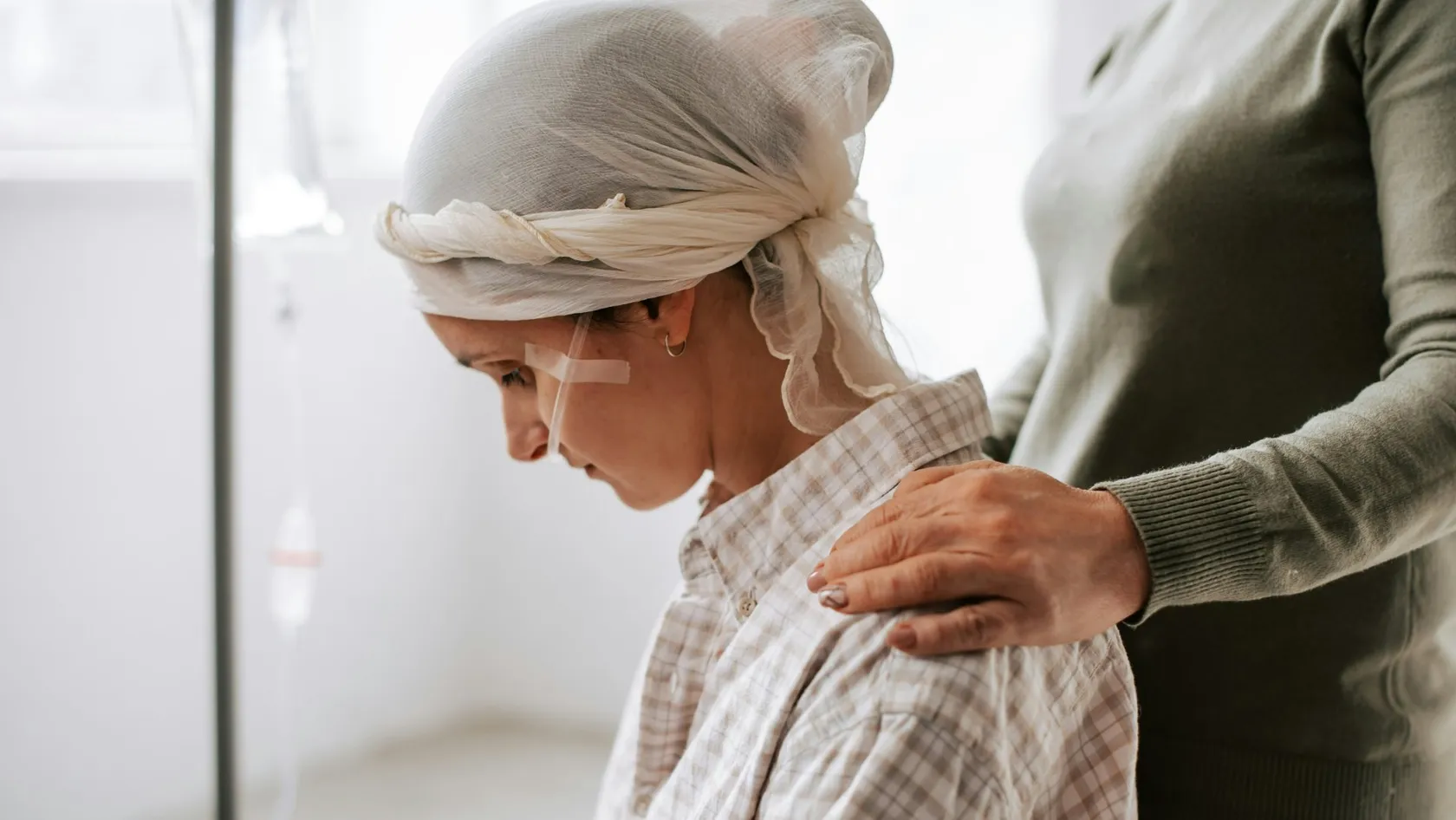
Chemoradiation Therapy - Concurrent Chemoradiotherapy
Blood test on Monday, a drip on Tuesday, radiotherapy every weekday, and the same again for six or seven weeks. Chemoradiation asks more of a patient than either treatment alone and, for several cancers, cures more. See the survival gains trial by trial, the side effects they came with, who is fit for it and how a long stay is organized.
About This Department
For several cancers, chemotherapy given during radiotherapy cures more patients than radiotherapy alone. In head and neck cancer the gain is 6.5 more survivors in every 100.
That figure, measured at five years, comes from a pooled analysis of 50 randomized trials, and comparable gains have been shown in cancers of the cervix, lung, bladder and brain. Every one of those trials also found the combination harder to get through. Expect a six or seven week commitment, with two departments working to one calendar. Send us your pathology report, staging scans and recent blood tests, and our oncologists will tell you whether the combination is advised for you and what the weeks would involve.
Chemoradiation, also called concurrent chemoradiotherapy, means that chemotherapy is given during the same weeks as a course of radiotherapy, so that each makes the other more effective against the tumor.
Why give chemotherapy and radiotherapy at the same time?
Oncologists have three ways of ordering the two treatments. Chemotherapy can come first (induction), it can come afterward (adjuvant), or it can run alongside, which is concurrent, and for a group of cancers the concurrent order has beaten the others in direct comparison. The head and neck meta-analysis found a larger benefit from concurrent than from induction chemotherapy. The lung cancer meta-analysis compared concurrent with sequential treatment in the same drugs and doses and found that timing alone changed survival.
Three things the chemotherapy does
Which cancers is it used for, and what did the trials find?
Five cancers have the clearest randomized evidence, and each accordion below gives the trial and its numbers.
Head and neck cancer
Cervical cancer
Lung cancer, stage III
Glioblastoma
Bladder cancer, as an alternative to removal
- Rectal cancer. Capecitabine tablets with five weeks of radiotherapy before surgery, to shrink the tumor and lower the chance of it returning in the pelvis.
- Anal cancer. Fluorouracil or capecitabine with mitomycin. Chemoradiation is the primary treatment, and most patients keep normal bowel control and avoid a permanent stoma.
- Esophageal cancer. Weekly carboplatin and paclitaxel with radiotherapy, before surgery or as definitive treatment.
- Nasopharynx, larynx preservation, pancreas, stomach after surgery, vulva. Chemoradiation is standard in defined situations for each of these, and the tumor board will explain whether yours is one of them.
What it costs the patient
Read the survival figures again. Most of them amount to four to seven extra survivors in every hundred, a real gain, bought at a price that every patient should hear before agreeing. None of it is trivial. Radiotherapy reactions arrive earlier and run deeper when chemotherapy is on board. For the throat that means a mouth and gullet too sore for solid food, thick saliva, weight loss, and for many patients some weeks on a feeding tube, for the chest it means painful swallowing, and for the pelvis diarrhea, cystitis and sore skin in the groin. On top of those come the effects of the drug itself, which for cisplatin are nausea, kidney strain, ringing in the ears and hearing loss, and for every regimen a fall in blood counts that opens the door to infection.
Severe inflammation of the gullet occurred in 18 percent of lung cancer patients given concurrent treatment and 4 percent given the same treatments one after the other.Meta-analysis in the Journal of Clinical Oncology, 2010
Nobody should be talked into this treatment. Nobody should be talked out of it by fear alone, either.
Who is fit for it
Fitness decides more than age does. Age still counts. The head and neck analysis found the benefit of chemotherapy fading as patients got older, and many teams are cautious beyond 70. What the oncologists look at is listed below. A patient who falls short is not abandoned. Radiotherapy alone, radiotherapy with a gentler drug, or a shorter course remain, and for some the honest advice is that the gain from adding chemotherapy is too small to justify what it would take out of them.
- Up and about for more than half the day, and able to look after yourself.
- Kidney function good enough for cisplatin, measured by a blood test and sometimes a formal clearance test.
- Hearing tested beforehand where cisplatin is planned. Existing hearing loss or tinnitus points to another drug.
- Blood counts, liver tests and heart function within limits.
- Weight stable or supported. Patients who have lost more than a tenth of their weight see a dietitian before the start.
- Someone with you. This treatment is hard to get through alone in a foreign city.
Supportive care that keeps treatment on schedule
The best predictor of finishing chemoradiation on time is what is set up before it starts. A dentist checks and treats the teeth before head and neck radiotherapy, because extractions afterward heal badly. A feeding tube is placed in advance, or a plan made to place one, for anyone whose throat will be in the field. A port or a PICC line saves the veins. Anti-sickness drugs come before each infusion and go home with you, cisplatin goes in with several hours of intravenous fluid to protect the kidneys, and a weekly blood test decides whether the next dose is given in full, reduced or delayed. A dietitian and a speech and swallowing therapist see head and neck patients through the course, since those who keep swallowing during treatment swallow better a year later.
Preparation of this kind takes ten to fourteen days.
Why missed days matter
Tumor cells that survive the first weeks multiply faster, a course stretched by gaps gives them time, and in head and neck and cervical cancer in particular, prolonging the overall treatment time lowers the cure rate. Breaks for side effects are sometimes unavoidable. Breaks for travel, holidays or paperwork are not, and a patient from abroad should arrive with visa, accommodation and companion arranged for the whole period.
The drugs you are likely to meet
Cisplatin goes in as a drip, either once a week or once every three weeks, in head and neck, cervical and lung cancer. Carboplatin with paclitaxel, a weekly drip, serves the esophagus and the lung, fluorouracil runs as a continuous infusion through a small pump for four or five days, and capecitabine, its tablet form, is taken twice a day on radiotherapy days. Mitomycin takes one injection. Temozolomide comes as a capsule taken every day, weekends included, from the first to the last day of brain radiotherapy. Hair loss from these regimens is slight or absent, apart from the area of scalp inside a brain radiotherapy field.
How does chemoradiation fit with surgery, immunotherapy and other chemotherapy?
Before surgery
After surgery
In place of surgery
Followed by more drug treatment
What do the weeks in Istanbul look like?
This table scrolls sideways on a narrow screen. Swipe or drag to see every column.
| Day | Radiotherapy | Everything else |
|---|---|---|
| Monday | Session | Blood tests. Review by the radiation oncologist and nurse. |
| Tuesday | Session | Chemotherapy day. Fluids before and after the drip, five to six hours in the day unit. |
| Wednesday | Session | Dietitian. Swallowing therapist for head and neck patients. |
| Thursday | Session | Free, apart from anti-sickness tablets and drinking two liters. |
| Friday | Session | Review by the medical oncologist. Supplies for the weekend. |
| Saturday and Sunday | Rest | Temozolomide and capecitabine patients follow their own tablet schedule. |
This table scrolls sideways on a narrow screen. Swipe or drag to see every column.
| Cancer | Radiotherapy | Whole stay, with preparation and recovery |
|---|---|---|
| Head and neck | 6 to 7 weeks | 10 to 11 weeks |
| Cervix | 5 to 5.5 weeks, then brachytherapy, all within 8 weeks | 10 to 11 weeks |
| Lung, stage III | 6 to 6.5 weeks | 9 to 10 weeks |
| Glioblastoma | 6 weeks | 8 to 9 weeks |
| Rectum, before surgery | 5 to 5.5 weeks | 7 to 8 weeks |
| Bladder, anus, esophagus | 4 to 6.5 weeks | 7 to 10 weeks |
What decides the cost?
Two departments bill for chemoradiation, and quotes that show only one of them mislead. On the radiotherapy side the price follows the number of sessions and the complexity of the plan, as it does for any course. On the chemotherapy side it follows the drug, the number of cycles, the day-unit time and the supportive drugs, and cisplatin costs far less than carboplatin with paclitaxel or a course of temozolomide. Then come the items that belong to neither department. A port or PICC line, a feeding tube, dental treatment, the hearing test, weekly blood tests, dietitian and swallowing therapy, and brachytherapy for cervical cancer are each priced. Nights cost extra. Any admission for fluids, pain control or a fever is charged as it arises, and with this treatment a family should budget for the possibility. Ten weeks of accommodation for two people is, for many families, the largest single line. Your own health moves all of it, since diabetes, kidney impairment, heart disease and weight loss before the start each add monitoring and admissions.
Radiotherapy packages published by hospitals in Istanbul list sessions, consultation, interpreter and transfers, and leave chemotherapy, admissions and hotel outside. Ask for one written quote. It should cover both departments, name the drug, state the number of cycles, estimate supportive care and give the daily rate for an unplanned admission.
A figure for you follows the free joint review of your file, and nothing before that review deserves the name.
What about language, companions and care once I am home?
A stay of this length needs settling into. One coordinator from the international patients team is assigned from your first message and remains your contact to the end. The team works in English, Arabic, French, Russian, Serbian, Romanian and Spanish, and arranges interpreting in other languages on request. The invitation letter naming the hospital and the treating doctor is sent about ten days before travel, and you should check that your visa covers ten to eleven weeks or can be extended from inside Turkey. Settle that early. The international patients office arranges the airport transfer, an apartment or hotel for you and a companion, and the daily transport, and an apartment with a kitchen near the hospital is the better choice, because by week four most patients eat only what can be prepared for them. Rooms for admitted patients have a companion bed. The hospital kitchen prepares halal, vegetarian and diabetic meals and the soft and liquid diets this treatment calls for. A prayer room is on site. A request for a female doctor is passed to the department and met wherever the rota allows.
Bring a companion who can stay.
Back home, the coordinator stays reachable on the same WhatsApp number. You leave with a radiotherapy summary listing every dose, a chemotherapy summary with drugs, doses and dates, the blood results from the final week, and a letter setting out the follow-up, which for most cancers means a response scan eight to twelve weeks after the end. Fever in the first two weeks after you return is still an emergency. Do not wait. Go to a hospital and show them the chemotherapy summary.
Chemoradiation FAQ
Is chemoradiation harder than radiotherapy alone?
How much does adding chemotherapy improve survival?
How long will I be in Istanbul?
Will I lose my hair?
Can I go home between treatments?
Can my family stay with me?
References
- Pignon JP, le Maitre A, Maillard E, Bourhis J; MACH-NC Collaborative Group. Meta-analysis of chemotherapy in head and neck cancer (MACH-NC): an update on 93 randomised trials and 17,346 patients. Radiotherapy and Oncology. 2009;92(1):4-14.
- Chemoradiotherapy for Cervical Cancer Meta-Analysis Collaboration. Reducing uncertainties about the effects of chemoradiotherapy for cervical cancer: a systematic review and meta-analysis of individual patient data from 18 randomized trials. Journal of Clinical Oncology. 2008;26(35):5802-5812.
- Auperin A, Le Pechoux C, Rolland E, et al. Meta-analysis of concomitant versus sequential radiochemotherapy in locally advanced non-small-cell lung cancer. Journal of Clinical Oncology. 2010;28(13):2181-2190.
- Stupp R, Mason WP, van den Bent MJ, et al. Radiotherapy plus concomitant and adjuvant temozolomide for glioblastoma. New England Journal of Medicine. 2005;352(10):987-996.
- James ND, Hussain SA, Hall E, et al. Radiotherapy with or without chemotherapy in muscle-invasive bladder cancer. New England Journal of Medicine. 2012;366(16):1477-1488.
Editor's note
Written by the Biruni Hospital medical editorial team. Reviewed by Prof. Dr. Özcan YILDIZ, Medical Oncology.
Medically reviewed by

Prof. Dr. Özcan YILDIZ
Medical Oncology
Related Treatments
View All
Brachytherapy - Internal Radiation Therapy
A beam from outside has to cross healthy tissue to reach a tumor. Brachytherapy avoids that by placing a rice-sized radioactive source inside the tumor for a few minutes, then taking it out again. It is an essential part of curing cervical cancer and a tested option for womb, prostate and early breast cancer.
Brain Tumor Radiation Therapy
The plan for a brain tumor starts with what must be protected, the optic nerves, the brainstem, the hippocampus, and then shapes the dose around them. Radiosurgery in one to five sessions now treats most metastases, and six weeks of radiotherapy with temozolomide remains the standard after surgery for glioblastoma.
Elekta Versa HD Radiation Therapy
The Elekta Versa HD is the linear accelerator on which Biruni Hospital delivers external beam radiation therapy, with a 160-leaf collimator, high dose rate beams and cone beam CT imaging before every session. This page covers the techniques, from VMAT to radiosurgery, the cancers treated, what large trials show about shorter courses for breast, prostate and metastases, the path from first visit to last session, side effects, and how patients from abroad arrange treatment.
Glioblastoma Radiation Therapy
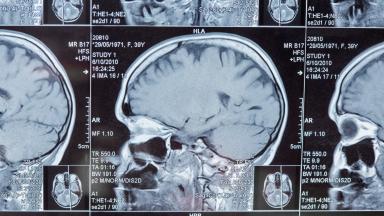
A glioblastoma has no edge, so surgery alone is never enough. Radiation covers the cavity and a margin of brain around it, together with a daily temozolomide capsule, over six weeks or three depending on age and fitness.
IGRT Radiation Therapy - Image Guided Radiation Therapy
IGRT is how each radiotherapy session is aimed. A scan taken on the treatment machine, with you already in position, is matched to the planning CT, and the table shifts by millimeters before the beam turns on.