
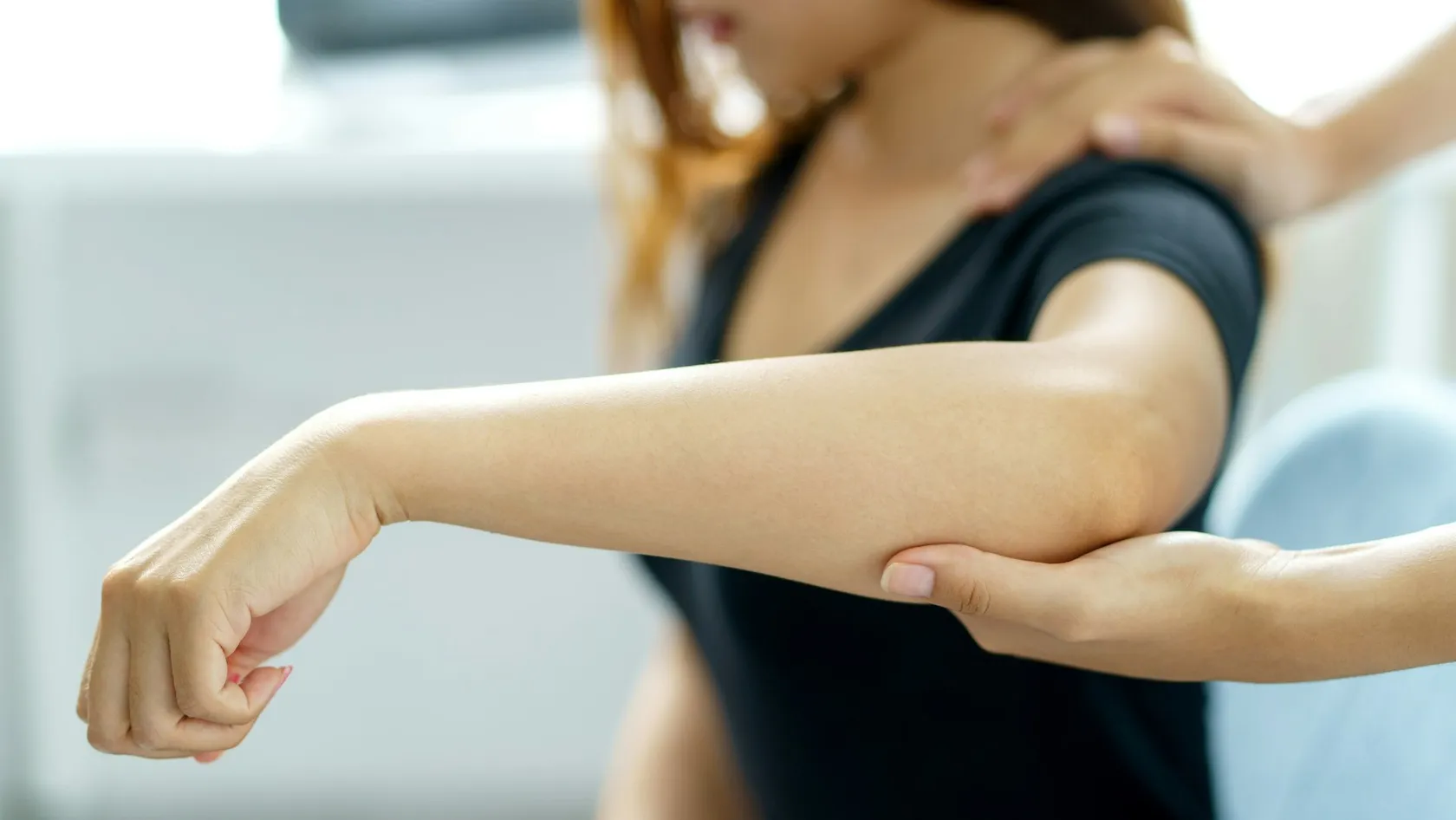
Pain Rehabilitation - Chronic Pain Rehabilitation
Pain rehabilitation cannot promise a life without pain, and the programs that say otherwise should worry you. What the trials show is a modest fall in pain, a larger gain in what people can do, and better odds of returning to work. See what a program contains, who should look elsewhere, and how the weeks are arranged.
About This Department
In 41 trials, team-based pain rehabilitation beat usual care and beat physiotherapy alone. The gains were modest, and they lasted.
Those trials, pooled by Cochrane, followed 6,858 people with long-standing back pain. Patients in team programs had less pain and less disability a year later, and against physiotherapy alone they were nearly twice as likely to be working. No drug for chronic pain has results that hold for that long. Send us your reports, your medication list and a week of pain diary, and a rehabilitation physician will tell you whether a program fits your case, free of charge.
You have had the scans. You have tried the tablets, the injections, perhaps an operation, and the pain is still there, shaping what you do each day. Chronic pain rehabilitation begins at that point. It stops the search for another part to fix and works on the pain system itself, on fitness, sleep, fear of movement and medication, through a team of clinicians who follow one plan and tell you the same thing. What follows covers what a program contains, what the trials found, who should look elsewhere, and how a stay in Istanbul is organized.
What is pain rehabilitation, and why does it work when other things have not?
Pain rehabilitation is a structured program for pain that has lasted longer than three months, has been properly investigated, and has no cause left that surgery or a single drug can remove. A rehabilitation physician, a physiotherapist, a psychologist and an occupational therapist treat the patient together, and they aim at function first, then pain, mood, sleep and medication.
Pain that persists behaves differently from the pain of a fresh injury.
Fresh pain works as an alarm that reports damage, and it fades as tissue heals. In many people with chronic pain the tissue has healed as far as it will, and the alarm keeps ringing because the nervous system itself has changed. Nerves in the spinal cord and brain amplify signals, ordinary movement and touch begin to hurt, and the area of pain spreads. Doctors call this central sensitization, and the large opioid review in JAMA described it simply as pain present in the absence of tissue damage. It explains several things patients find baffling. Scans look the same in people with agony and in people with none, operations that fix the picture leave the pain, and rest makes matters worse, because unused muscles weaken, joints stiffen, sleep breaks up, mood falls, and each of those turns the alarm up further. None of this means the pain is imagined. It means the useful question has changed from what is damaged to what keeps the system sensitive, and that second question has answers a person can act on.
Chronic pain affects one adult in five. For many years the standard advice was rest and inactivity, and the trial evidence now points the other way.Cochrane overview of physical activity and exercise for chronic pain, 2017
What a pain rehabilitation program contains
The strongest evidence for this package comes from the Cochrane review of multidisciplinary biopsychosocial rehabilitation for chronic low back pain, which pooled 41 randomized trials and 6,858 participants. Against usual care, team programs reduced pain and disability in the long term, by 0.5 to 1.4 points on a ten-point pain scale across the time points measured, and against physiotherapy alone the advantage was larger on both counts. Work told the clearest story. Compared with physical treatment, people who went through a team program had 87 percent higher odds of being at work in the long term. The reviewers added cautions that any clinic should repeat to you. Effects stayed modest. More intensive programs did not clearly outperform less intensive ones, and the reviewers advised reserving team programs for people whose pain has a significant psychological and social impact, since someone with simpler back pain does well with exercise and advice and has no need of a psychologist, a team meeting or a journey.
Compared with physical treatment alone, a multidisciplinary program raised the odds of being at work in the long term by 87 percent.Cochrane Database of Systematic Reviews, 2014
This table scrolls sideways on a narrow screen. Swipe or drag to see every column.
| Treatment | Evidence | What to expect |
|---|---|---|
| Exercise therapy | Cochrane review of 249 trials in chronic low back pain, 2021. A wider Cochrane overview of 381 studies and 37,143 participants across pain conditions, 2017. | Back pain 15 points lower on a 100-point scale than with no treatment or usual care, a clinically important difference. Function improves by a smaller margin. Side effects are mainly muscle soreness that settles within weeks. |
| Cognitive behavioral therapy | Cochrane review of 75 trials and 9,401 participants, 2020. | Small improvements in pain, disability and distress compared with usual treatment, largely maintained six to twelve months later. Evidence for acceptance and commitment therapy is still too thin to judge. |
| Team program combining the above | Cochrane review of 41 trials and 6,858 participants, 2014. | Less pain and disability than usual care or physiotherapy alone at long-term follow-up, and better odds of working. |
| Opioid painkillers | Systematic review of 96 trials and 26,169 participants in JAMA, 2018. | Pain lower by 0.69 on a ten-point scale compared with placebo, which is below the one point patients notice. More vomiting. No better than anti-inflammatory drugs, tricyclic antidepressants or anticonvulsants in the comparisons available. |
Read the last row twice. No painkiller is stronger than an opioid, and over months its average benefit in chronic pain comes out smaller than the benefit of exercise.
Who it suits, and who needs something else first
Programs of this kind are built for chronic low back and neck pain, fibromyalgia and other widespread pain, pain that persists after spine or joint surgery, osteoarthritis pain in people who are not candidates for a joint replacement, complex regional pain syndrome, and nerve pain alongside its drug treatment.
Most people who gain from a program recognize themselves in the following list.
- Pain has lasted more than six months.
- It has been investigated, and nobody has found a cause that an operation or a single drug can remove.
- It has cost you work, sleep, exercise or time with family.
- You have tried several single treatments, such as tablets, injections, manual therapy or surgery, and the relief did not last.
- Medication has gone up while activity has gone down.
- You are willing to work at it every day, including the days when it hurts, for months after you have returned home.
A pain program does not promise a life without pain. The average fall in the trials is near one point on a ten-point scale, and the larger change is in what people are able to do.
Injections, nerve ablation and implanted stimulators belong to interventional pain medicine, which in Turkey is called algology, and the clinics that rank for pain treatment abroad sell them heavily, along with ozone, dry needling and stem cells. A well-chosen injection for a trapped nerve root or a painful facet joint can open a window of relief. Use that window for exercise. Repeated procedures offered alone for widespread pain are the wrong tool, and ozone and stem cell injections for chronic pain remain unproven, whatever the brochure says and however many clinics list them. Warm-water pools and thermal springs, which some Turkish centers build programs around, are pleasant places to exercise. The benefit comes from the exercise.
One limit applies to treatment abroad in particular. Education and psychological therapy run on language. The international patients team works in English, Arabic, French, Russian, Serbian, Romanian and Spanish and arranges interpreting in other languages on request, and sessions for international patients are individual, since group classes depend on a shared language. Ask how these two parts will be delivered for you before you book.
How is a program in Istanbul arranged?
Pain programs for international patients come in three formats, and nearly all of them are day programs, because a person with chronic pain is medically well and recovers better in a hotel than in a hospital bed.
This table scrolls sideways on a narrow screen. Swipe or drag to see every column.
| Format | Length | Who it fits |
|---|---|---|
| Assessment and plan | Three to five days | People who can carry out a program at home with a local physiotherapist once they have a diagnosis, an explanation, a medication plan and a written exercise progression. |
| Intensive day program | Two to four weeks, three to five hours a day | The main option. Long enough to move through the first steps of graded exercise, learn the psychological skills and start a medication reduction under supervision. |
| Supervised start on the ward | The first one to two weeks of a longer program | People reducing high doses of opioids or sedatives, and people so limited by pain that they need help with daily care. |
What decides the cost
A pain program is priced mostly by professional time, so the quote follows the hours. Count the one-to-one hours with a physiotherapist and with a psychologist, the physician reviews, and the length in weeks. Interpreter hours add to psychology sessions in particular, any procedure such as a diagnostic nerve block or an injection is charged separately, as are new scans and blood tests, and ward nights, which cost far more than hotel nights, are needed only for a supervised medication reduction. Your own situation moves the total as well. High-dose opioids mean a slower start, heavy body weight or very low fitness lengthens the exercise progression, and untreated sleep apnea, diabetes or heart disease add medical reviews.
Packages published by Turkish hospitals and medical travel agencies for rehabilitation cover the physician's assessment, a fixed number of therapy sessions, an interpreter and airport transfers, and many include hotel nights. Flights, medication, procedures, imaging and extra sessions fall outside.
Be careful with passive hours.
Heat packs, ultrasound, electrical stimulation and massage fill timetables cheaply and feel pleasant, and the Cochrane exercise review found exercise more effective than electrotherapy. A quote that lists thirty sessions should say how many are active treatment with a therapist beside you, how many are psychology, and whether a written home program and a discharge report with before and after scores are part of it. A figure for your own case follows the free review of your file.
Travel, companions and language
One coordinator from the international patients team is assigned from your first message and stays with you until you leave. The international patients office arranges the airport transfer, the hotel or apartment for you and a companion, and the daily transport to the hospital, and it helps to request a room with a firm mattress, a desk chair and a short walk to a park or the seafront, since your program continues outside therapy hours. Halal, vegetarian and diabetic meals are prepared by the hospital kitchen for ward patients, and a prayer room is on site. A female physician can be requested. Do it early, and the request is met wherever the rota allows. Should you be admitted, the room has a companion bed.
Sitting makes the journey hard. Book an aisle seat, stand and walk every hour, and keep medication in hand luggage.
After you go home
Therapy places no limit on flying, so you can leave the day after your last session.
The program continues at home or it fades. You leave with a written exercise progression for the next twelve weeks, a medication reduction schedule for your own doctor to supervise, a flare-up plan, and a report with your first-day and last-day scores. Your coordinator stays reachable on the same WhatsApp number after you are back home, and questions about the progression or a setback can go there. Expect flare-ups. They belong to recovery, and the plan tells you to reduce activity by a fixed fraction for a few days and then climb again. See a doctor promptly for any of the warning signs listed earlier, for withdrawal symptoms during a medication reduction, or for low mood that does not lift.
Chronic pain rehabilitation FAQ
Does chronic pain rehabilitation remove the pain?
Is exercise safe when it hurts?
Will I have to stop my painkillers?
How long do I need to stay in Istanbul?
Can my husband or wife come with me?
Will the psychologist speak my language?
References
- Kamper SJ, Apeldoorn AT, Chiarotto A, et al. Multidisciplinary biopsychosocial rehabilitation for chronic low back pain. Cochrane Database of Systematic Reviews. 2014;2014(9):CD000963.
- Hayden JA, Ellis J, Ogilvie R, Malmivaara A, van Tulder MW. Exercise therapy for chronic low back pain. Cochrane Database of Systematic Reviews. 2021;9(9):CD009790.
- Geneen LJ, Moore RA, Clarke C, Martin D, Colvin LA, Smith BH. Physical activity and exercise for chronic pain in adults: an overview of Cochrane Reviews. Cochrane Database of Systematic Reviews. 2017;4(4):CD011279.
- Williams ACC, Fisher E, Hearn L, Eccleston C. Psychological therapies for the management of chronic pain (excluding headache) in adults. Cochrane Database of Systematic Reviews. 2020;8(8):CD007407.
- Busse JW, Wang L, Kamaleldin M, et al. Opioids for Chronic Noncancer Pain: A Systematic Review and Meta-analysis. JAMA. 2018;320(23):2448-2460.
Editor's note
Written by the Biruni Hospital medical editorial team. Reviewed by Assoc. Prof. Dr. Çiğdem ÇINAR, Physical Therapy and Rehabilitation.
Medically reviewed by

Assoc. Prof. Dr. Çiğdem ÇINAR
Physical Therapy and Rehabilitation
Related Treatments
View All
Brain Injury Rehabilitation
A bleak outlook given in the first two weeks after a severe brain injury is frequently wrong. In the largest recent follow-up study, 12 percent of such patients were doing well at two weeks and 52 percent at one year. Learn what rehabilitation adds to that recovery, stage by stage, and when a patient is ready to travel.
Cancer Rehabilitation - Oncology Rehabilitation
Cancer rehabilitation treats the fatigue, weakness, stiffness, swelling, nerve damage, swallowing problems and loss of function that cancer and its treatment leave behind, before, during and after therapy. In one study 92 percent of women with metastatic breast cancer had a treatable impairment and fewer than a third were being treated. This page explains what is treated, the evidence on fatigue and lymphedema, prehabilitation, specialist problems and programs for patients from abroad.
Cardiac Rehabilitation - Heart Rehabilitation
A stent or a bypass repairs one artery. It does nothing to the disease that narrowed it. Cardiac rehabilitation is the monitored exercise, tablet review and risk factor treatment that does, and randomized trials link it to fewer repeat heart attacks and fewer hospital admissions in the following year.
Inpatient Rehabilitation
Should recovery happen on a hospital ward, or at home with visits to a clinic? A ward is the answer when someone needs therapy every day, a nurse at night and a doctor nearby, which is common after a stroke, a hip fracture, heart surgery, a lung flare-up or a long spell in intensive care.
Inpatient Rehabilitation - Acute Rehabilitation Unit
Acute does not mean emergency here. It means the intensive level of rehabilitation, with at least three hours of therapy a day on a hospital ward where a rehabilitation doctor sees you daily, and it suits people in the first months after a stroke, a spinal cord injury, a brain injury or major surgery.