
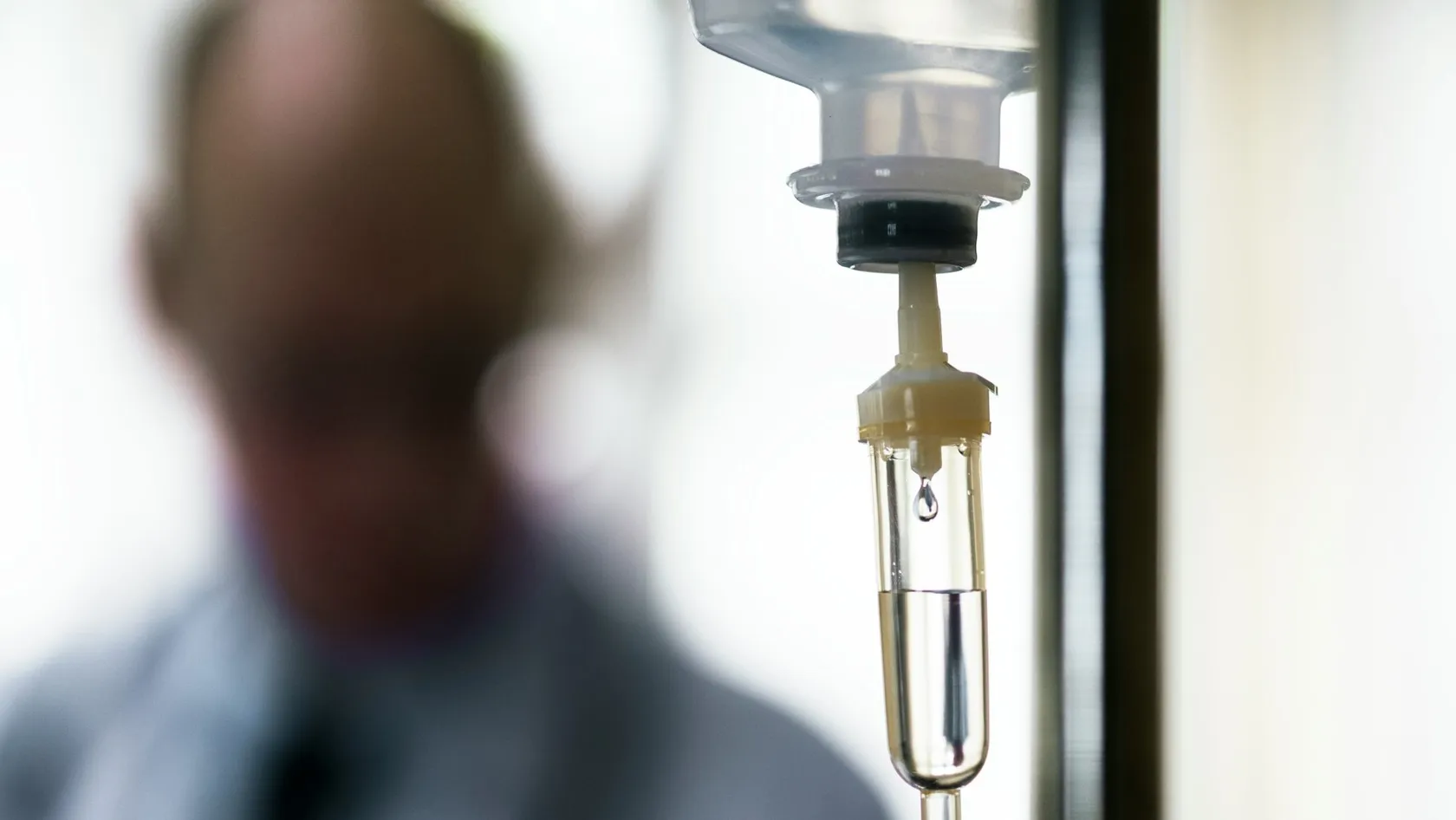
Cancer Rehabilitation - Oncology Rehabilitation
Cancer rehabilitation treats the fatigue, weakness, stiffness, swelling, nerve damage, swallowing problems and loss of function that cancer and its treatment leave behind, before, during and after therapy. In one study 92 percent of women with metastatic breast cancer had a treatable impairment and fewer than a third were being treated. This page explains what is treated, the evidence on fatigue and lymphedema, prehabilitation, specialist problems and programs for patients from abroad.
About This Department
Of 163 women living with metastatic breast cancer, 92 percent had a physical problem that rehabilitation could treat. Fewer than a third of those problems were being treated.
That gap was measured at a major American cancer center, where physicians found 530 impairments among the 163 patients, judged 92 percent of them treatable, and found that only 30 percent had received any rehabilitation (Cheville and colleagues, Journal of Clinical Oncology, 2008). The pattern repeats wherever it is looked for. Cancer treatment now leaves most patients alive, and it leaves many of them tired, weak, stiff, swollen, numb, in pain or unable to swallow, lift, walk or work as they did. Cancer rehabilitation, also called oncology rehabilitation, is the branch of medicine that treats those problems, before, during and after cancer treatment, and it rests on some of the strongest evidence in the whole field of rehabilitation. This page explains what it treats, what the research shows about fatigue and lymphedema, when it should begin, and how patients from abroad can combine it with treatment at Biruni Hospital in Istanbul.
Why cancer needs its own rehabilitation
A stroke happens once. Cancer treatment happens for months, in cycles, with surgery, drugs and radiation each leaving a different mark, and the person going through it may be treated for one problem while trying to recover from another. Rehabilitation for cancer has to fit around that, and it has to be run by people who know what a given chemotherapy does to nerves, what radiation does to a joint years later, and when a swollen arm is a lymphatic problem and when it is a blood clot.
The aim is the same as in every other kind of rehabilitation. To let the person do what matters to them. The difference is that the obstacles keep changing, and so the plan has to keep changing with them.
Two facts shape the field. Most impairments after cancer are treatable with ordinary rehabilitation methods, applied by therapists who understand cancer. And most go untreated, for the simple reason that nobody asked the patient whether anything had become hard to do.
The problems it treats
Fatigue that sleep does not fix. Weakness after weeks in bed or months of chemotherapy. A stiff shoulder after breast surgery or radiation. A swollen arm or leg. Numb, painful feet from nerve damage. Trouble swallowing or speaking after head and neck treatment. Bone pain and fracture risk. Breathlessness. Balance problems and falls. Difficulty concentrating. Fear of moving.
How they are found
The assessment starts with a full account of the cancer and every treatment given, including the drugs by name and the radiation fields, since each predicts particular problems. It continues with an examination of strength, joint movement, sensation, balance and walking, a measure of the arm or leg volume where swelling is suspected, a fatigue score, a screen for mood and thinking, and, where needed, a swallowing study or a scan of the bones. Standard questionnaires record the starting point.
Patients in hospital are far more likely to have their impairments treated than patients at home, the Mayo study found, by a wide margin. The outpatient, seen for a few minutes between chemotherapy cycles, is the one who falls through.
Can rehabilitation be given while chemotherapy or radiotherapy continues?
Fatigue, the commonest problem
Cancer-related fatigue means a tiredness out of proportion to activity, unrelieved by rest, that affects the majority during treatment and a third of survivors for years afterward. Doctors tell patients to rest. The research says the opposite.
A meta-analysis of 113 randomized trials found that exercise and psychological treatments both reduced cancer-related fatigue during and after treatment, while drugs did not, and its authors concluded that exercise and psychological interventions should be prescribed first (Mustian and colleagues, JAMA Oncology, 2017).
| Treatment | Effect size | Meaning |
|---|---|---|
| Exercise | 0.30 | A moderate, reliable improvement |
| Psychological interventions | 0.27 | About the same |
| Exercise plus psychological | 0.26 | No additional gain from combining, in the trials so far |
| Drugs such as stimulants | 0.09 | No convincing benefit |
- Start with what is possible on the worst day. Ten minutes of walking, twice, counts.
- Progress by small steps each week. The body during chemotherapy adapts more slowly than a healthy one.
- Resistance work protects muscle that treatment strips away, and it is safe with metastases when the program is planned around them.
- Fatigue lifts over months rather than days. Keeping the habit past the end of treatment is where most of the benefit lies.
Lymphedema
A swollen limb, and what changed about it
Removing or irradiating lymph nodes can leave an arm or a leg that swells, aches and becomes prone to infection. For decades women after breast cancer were told never to lift anything heavy with the affected arm. A randomized trial of 141 survivors with established lymphedema tested that advice. Twice-weekly progressive weight lifting, in a compression sleeve, did not increase swelling, cut flare-ups from 29 percent to 14 percent, reduced symptoms and built strength (Schmitz and colleagues, New England Journal of Medicine, 2009). Treatment of lymphedema now has four parts, taught by a therapist with specific training. Skin care to prevent infection. Manual lymphatic drainage, a gentle massage that moves fluid. Compression, with bandages during the intensive phase and a fitted garment afterward. And exercise, including the weight training that was once forbidden, taught as a progression that starts with almost no weight at all. Pneumatic pumps and, in selected cases, microsurgery have a place beyond these.
Can lymphedema be prevented?
When rehabilitation happens
Four moments
- Before treatment, called prehabilitation. Two to six weeks of exercise, nutrition and breathing training before major surgery, which shortens recovery and reduces complications in patients fit enough to do it.
- During treatment. Exercise for fatigue, protection of the shoulder after breast surgery, swallowing exercises during head and neck radiotherapy, and prevention of the weakness that long admissions cause.
- After treatment. The restorative phase, when strength, endurance, range of motion, work capacity and confidence are rebuilt over months.
- With advanced cancer. Rehabilitation continues when cure is no longer the aim, with goals of mobility, safety, comfort and independence at home. The Mayo study population was made up of exactly these patients, and its finding was that they were the ones most often left untreated.
Nerves, bones, swallowing and the mind
Several problems after cancer treatment need specific expertise, and a general rehabilitation program without it can miss them or make them worse.
The specialist areas
Coming from abroad
- One coordinator from the international patients office handles arrangements from the first message through discharge. The office works in English, Arabic, French, Russian, Serbian, Romanian and Spanish and books interpreters for sessions.
- The visa invitation letter, airport transfers, daily transport and accommodation near the hospital are arranged for patient and family. Ward rooms have a companion bed.
- The kitchen prepares halal, vegetarian and diabetic meals, and modified textures for swallowing problems. A prayer room is on site, and a request for a female therapist or physician is met wherever the rota allows.
- Flying is cleared by the treating doctor, with attention to blood counts, clot risk and any recent surgery, and a handover is written for the oncology and rehabilitation teams at home.
Prehabilitation in more detail
The weeks between diagnosis and a major operation used to be spent waiting. Prehabilitation fills them.
A patient booked for removal of part of the bowel, the esophagus, the lung or the bladder is assessed for fitness, and then trained for the operation as an athlete trains for an event. Walking and cycling build the heart and lungs. Resistance exercise builds the muscle that surgery and bed rest will consume. A dietitian corrects the weight loss and protein deficit that cancer causes before anyone has noticed. Breathing exercises with a device prepare the lungs for anesthesia and for the shallow breathing that follows an abdominal wound. Smoking stops, and alcohol is reduced. The team addresses anxiety, since it too affects recovery. Four weeks produce a measurable difference in fitness. Even two weeks help. The evidence base is younger than for fatigue and lymphedema, but the trials that exist point the same way, toward fewer complications, shorter stays and a faster return to normal life, and the approach has become standard in many surgical units.
For a patient traveling abroad, prehabilitation can begin at home the day the plan is agreed, with a program sent by the team and checked by video.
What survivors are rarely told
Three things.
First, that the tiredness, the numb feet, the stiff shoulder and the foggy thinking are recognized conditions with names, causes and treatments, and that nobody expects a survivor to simply live with them. Second, that exercise during and after cancer treatment is safe for nearly everyone, protective against fatigue, depression and loss of function, and associated in observational studies with better survival in several common cancers, which no drug for fatigue can claim. Third, that the responsibility for asking has to be shared. Oncologists train to treat the cancer, and their appointments run short and full. A patient who says, in plain words, that she cannot lift her arm above her head or that he falls asleep at his desk by eleven, opens a door that would otherwise stay shut.
Say it early. Say it again if the first answer is to rest.
Cost
The estimate follows the file review and depends on whether rehabilitation is part of a treatment stay or a separate block, the number of sessions a day, and items such as compression garments and splints. Hospitals in this market quote rehabilitation per session or per week and include it in the treatment package when both are delivered together.
Confirm what the package includes and whether garments and equipment are billed separately.
References
- Cheville AL, Troxel AB, Basford JR, Kornblith AB. Prevalence and treatment patterns of physical impairments in patients with metastatic breast cancer. J Clin Oncol. 2008;26(16):2621-2629.
- Mustian KM, Alfano CM, Heckler C, et al. Comparison of pharmaceutical, psychological, and exercise treatments for cancer-related fatigue, a meta-analysis. JAMA Oncol. 2017;3(7):961-968.
- Schmitz KH, Ahmed RL, Troxel A, et al. Weight lifting in women with breast-cancer-related lymphedema. N Engl J Med. 2009;361(7):664-673.
Editor's note
Written by the Biruni Hospital medical editorial team. Reviewed by Assistant Professor Nazire BAĞATIR, Physical Therapy and Rehabilitation.
Medically reviewed by

Assistant Professor Nazire BAĞATIR
Physical Therapy and Rehabilitation
Related Treatments
View All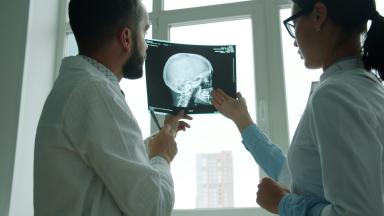
Brain Injury Rehabilitation
A bleak outlook given in the first two weeks after a severe brain injury is frequently wrong. In the largest recent follow-up study, 12 percent of such patients were doing well at two weeks and 52 percent at one year. Learn what rehabilitation adds to that recovery, stage by stage, and when a patient is ready to travel.
Cardiac Rehabilitation - Heart Rehabilitation
A stent or a bypass repairs one artery. It does nothing to the disease that narrowed it. Cardiac rehabilitation is the monitored exercise, tablet review and risk factor treatment that does, and randomized trials link it to fewer repeat heart attacks and fewer hospital admissions in the following year.
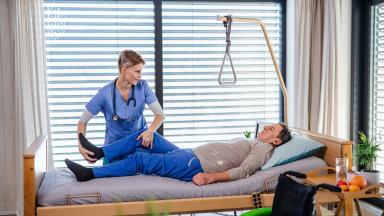
Inpatient Rehabilitation
Should recovery happen on a hospital ward, or at home with visits to a clinic? A ward is the answer when someone needs therapy every day, a nurse at night and a doctor nearby, which is common after a stroke, a hip fracture, heart surgery, a lung flare-up or a long spell in intensive care.
Inpatient Rehabilitation - Acute Rehabilitation Unit
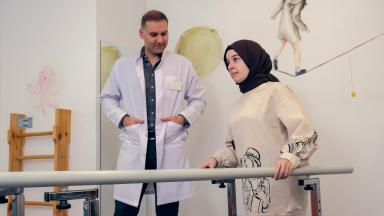
Acute does not mean emergency here. It means the intensive level of rehabilitation, with at least three hours of therapy a day on a hospital ward where a rehabilitation doctor sees you daily, and it suits people in the first months after a stroke, a spinal cord injury, a brain injury or major surgery.
Lymphedema Rehabilitation - Lymphedema Therapy
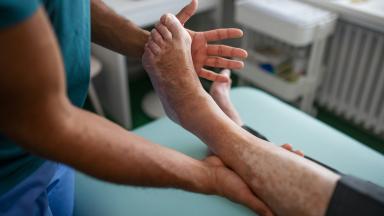
Lymphedema rehabilitation treats the swelling that follows damage to the lymphatic system, most often in the arm after breast cancer and in the leg after pelvic cancer, through skin care, manual drainage, compression and exercise. More than one in five breast cancer survivors is affected, and swelling caught early by measurement responds to a few weeks in a compression garment. This page explains stages, risk, complete decongestive therapy, evidence, daily life and programs from abroad.