
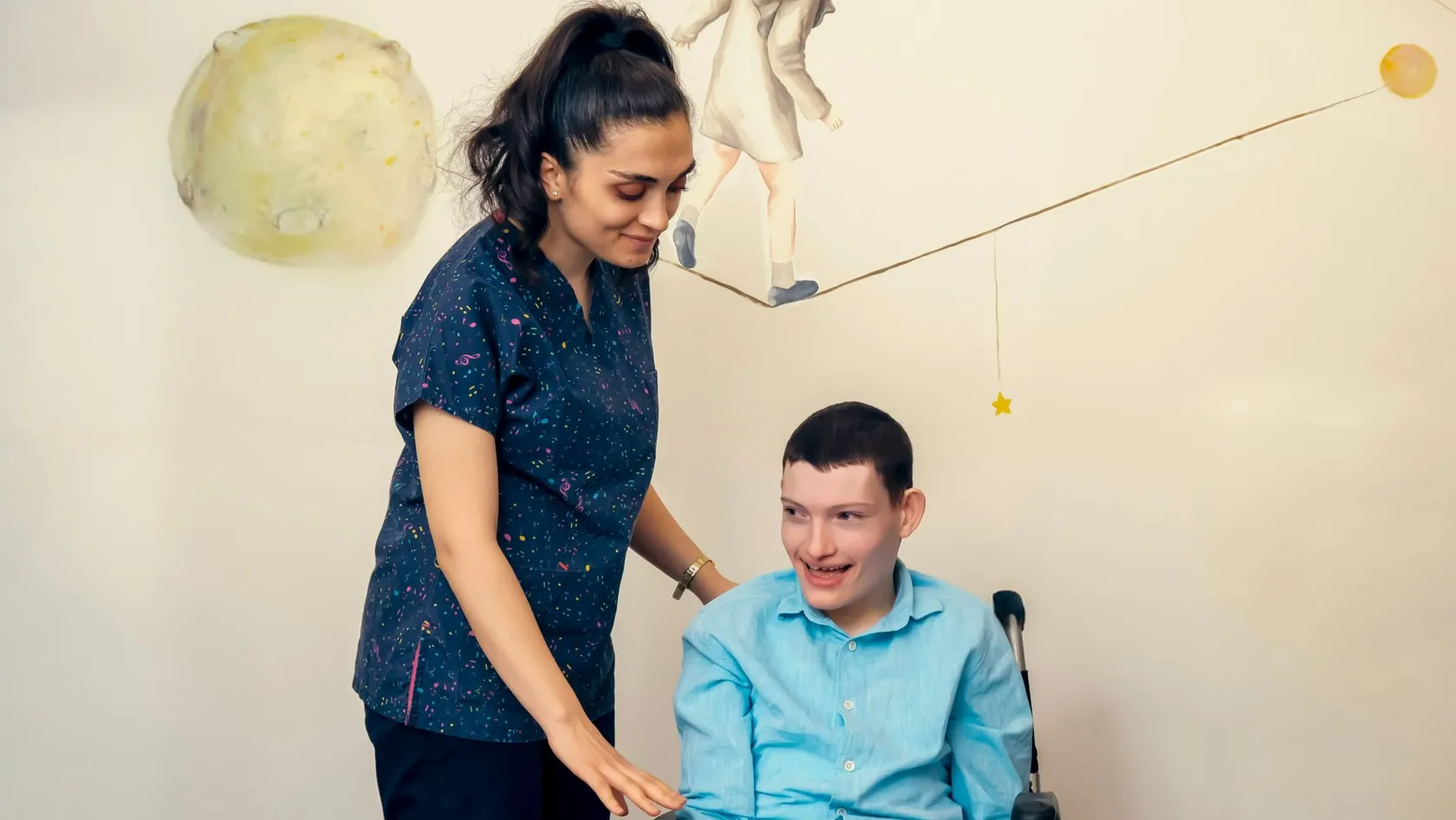
Neurological Rehabilitation
Whether a program abroad makes sense depends on which kind of neurological condition you have. After a single event such as a stroke, therapy chases recovery. With MS or Parkinson's disease it protects what you have. This guide gives the trial evidence for each diagnosis and names the people who should stay home.
About This Department
Of every 100 stroke patients given organized rehabilitation, six more go home independent. The same methods now serve MS, Parkinson's disease and spinal injury.
That figure comes from a Cochrane analysis of 29 randomized trials and 5,902 patients. It held at every age and every level of severity. What a program can do for you depends on your diagnosis, on how long ago it began and on what you can do today, so send us your reports and a short video, and a rehabilitation physician will reply with realistic goals, a proposed length and the right setting, at no charge.
You have been told that the nerve damage is done and that therapy is the next step. Neurological rehabilitation is that step. It covers every condition of the brain, the spinal cord and the nerves, from a stroke last month to multiple sclerosis diagnosed ten years ago. The aims differ sharply. Here you will find what the evidence shows for each diagnosis, how much therapy counts as enough, who should stay home, and how a stay in Istanbul is arranged.
Which conditions does it treat, and what do the trials show?
Neurological rehabilitation is the medical specialty that restores movement, speech, swallowing, thinking and independence after disease or injury of the nervous system, using therapy, equipment, medication and training of the family. Two groups of patients use it. They need different things.
One group had a single event. A stroke, a brain injury, a spinal cord injury, surgery for a brain or spinal tumor, or an attack of Guillain-Barre syndrome struck on one day, the damage then stopped, and the nervous system began to repair and rewire itself. Rehabilitation for these patients chases recovery, works hardest in the first months when the nervous system is most ready to change, and sets ambitious goals such as walking again, using the hand again and going back to work. The other group lives with a condition that continues. Multiple sclerosis, Parkinson's disease, motor neuron disease, hereditary ataxias, muscular dystrophies and chronic neuropathies do not stop on a given day, so rehabilitation protects function. It builds strength and balance in reserve, treats stiffness and fatigue, prevents falls, teaches ways around a lost ability and adapts the home and the workplace, and staying the same for two more years can count as a good result.
Know which group you belong to before judging any program, including one abroad.
Stroke
Stroke has the deepest evidence of any neurological diagnosis. The Cochrane review of organized stroke unit care, last updated in 2020, combined 29 randomized trials with 5,902 patients and compared care from a coordinated team of doctors, nurses and therapists against care on a general ward. At a median of one year, team care lowered the odds of death by 24 percent and the odds of death or dependency by 25 percent. Age made no difference to the benefit. Neither did sex, the type of stroke or its severity.
For every 100 stroke patients treated by an organized team, there were two extra survivors, six more people living at home and six more living independently.Cochrane Database of Systematic Reviews, 2020
The arm and hand after a stroke
Specific techniques have their own trials. In the EXCITE trial, published in JAMA in 2006, 222 patients who were three to nine months past a stroke received either usual care or two weeks of constraint-induced movement therapy, in which the good hand is held in a mitt while the weak hand practices tasks for hours each day. The method suits people who can already lift the wrist and open the fingers a little. A hand with no movement at all gives it nothing to work with.
One year after two weeks of constraint-induced therapy, patients completed arm tasks 52 percent faster than at the start, against 26 percent with usual care, and used the weak arm more at home.EXCITE trial, JAMA, 2006
Multiple sclerosis
A 2019 Cochrane overview gathered 15 systematic reviews covering 164 randomized trials and 10,396 people with MS. Exercise and physical therapy improved mobility and muscle strength, reduced fatigue and raised quality of life, all with moderate-quality evidence, and multidisciplinary programs, whether inpatient or outpatient, produced longer-term gains in daily activity and participation. Hyperbaric oxygen, vibration platforms and dietary supplements could not be shown to help.
Exercise does not trigger relapses. That old fear kept a generation of people with MS out of the gym.
Parkinson's disease
A 2020 meta-analysis in Neurorehabilitation and Neural Repair pooled 191 trials with 7,998 participants. Conventional physiotherapy improved motor symptoms, walking and quality of life. Treadmill training and resistance training improved walking, strategy training with cues improved balance and walking, and dance, Nordic walking and martial arts such as tai chi improved motor symptoms, balance and gait together. Dual-task training showed no significant benefit on any outcome. Many clinics advertise it.
Spinal cord injury, brain injury and nerve disease
Spinal cord injury rehabilitation teaches bladder, bowel and skin care, wheelchair skills and transfers alongside strengthening, retrains walking where the injury is incomplete, and shares its gym with brain injury programs, which add cognitive and behavioral work to the physical side. Guillain-Barre syndrome stands apart because the nerves regrow, so the large majority of patients walk again within a year, and therapy keeps joints supple and rebuilds strength while that happens. For motor neuron disease the help that counts is breathing support, communication aids and equipment. Those belong close to home.
What does a good program contain?
Four things separate a serious program from a timetable of treatments, namely enough active therapy, a full team, goals that can be measured, and a format that matches the patient.
How much therapy is enough
More therapy produces more recovery after a stroke. A 2014 meta-analysis in the journal Stroke compared trial groups that were scheduled more therapy time with groups scheduled less, and scheduled time predicted improvement even when the analysis accounted for how long ago the stroke had happened. Late patients benefited from dose as well as early ones.
Groups given more therapy time improved more than groups given less, with an effect size of 0.35 across the pooled trials.Lohse, Lang and Boyd, Stroke, 2014
Minutes on a timetable are a crude measure.
Those authors said so themselves, and asked future trials to count active time and repetitions in place of scheduled time. A patient can spend an hour in a gym and work for fifteen minutes of it. When you compare programs, look past the advertised hours to what fills them. Count the sessions that are one patient with one therapist, the ones that are group classes, and the ones that are a heat pack or an electrical stimulation pad applied while the therapist sees someone else. Passive treatments have small roles in pain and spasticity. They do not retrain a nervous system, and a timetable padded with them is thin however long it looks. Rehabilitation units in Turkey that publish their programs describe between two and seven hours a day on five or six days a week, and the useful comparison is the number of active, one-to-one hours inside those totals.
Who is on the team
Team care is the ingredient the stroke unit trials tested. A program is only as good as the range of people in it and how well they talk to each other.
This table scrolls sideways on a narrow screen. Swipe or drag to see every column.
| Professional | Works on | A typical goal |
|---|---|---|
| Rehabilitation physician | Diagnosis of what limits function, medication for spasticity, pain, bladder and mood, botulinum toxin injections, leadership of the team. | Heel flat on the floor when standing. |
| Physiotherapist | Strength, balance, walking, transfers, falls prevention, breathing exercises. | Walk 50 meters with a cane and no helper. |
| Occupational therapist | Arm and hand function, washing, dressing, cooking, splints, wheelchair and home adaptations. | Put on a shirt and button it without help, inside ten minutes, by the end of the third week of the program. |
| Speech and language therapist | Swallowing safety, speech clarity, language after stroke, voice volume in Parkinson's disease. | Drink water safely. |
| Neuropsychologist | Memory, attention, planning, mood, adjustment of patient and family. | Use a phone calendar to manage medication alone. |
| Rehabilitation nurse | Skin, bladder and bowel programs, medication, carrying therapy skills over into the other 20 hours of the day. | Self-catheterize four times a day without help. |
An orthotist for braces, a dietitian and a social worker join as needed. Neurologists and neurosurgeons stay involved for the underlying disease.
How goals are set and measured
Every goal in the right-hand column of that table has a task, a distance or a time in it. A goal such as improve walking cannot be checked, while walk 50 meters with a cane and no helper by week four can be met or missed, and a missed goal forces the team to find out why.
Ward, day program or short block
Three formats exist in this market. The choice follows how much nursing you need and whether your condition is recovering or continuing.
How do I decide, travel and carry on at home?
The decision to travel for therapy deserves the same care as a decision to travel for surgery, and it starts with the people who should not come.
Who should stay home
Anyone who is medically unstable should wait. That means a stroke within the last two weeks, a chest infection, uncontrolled seizures, a blood clot under treatment for less than a few weeks, or dependence on a ventilator. People in the middle of an MS relapse should finish treatment with their neurologist first. Patients with motor neuron disease gain more from a local team that can adapt the home, fit breathing support and return every month than from a block of therapy abroad. Advanced dementia limits what therapy can teach, since a new skill has to be remembered to be used. Severe untreated depression comes first as well. It responds well to treatment, and motivation returns with it. Finally, someone with a continuing condition who has no way of exercising once back home should think hard, because a three-week block gives a lift in strength, balance and confidence that fades over the following months unless a home program or a local therapist carries it on.
None of this is a refusal. The free review of your reports exists to say, in writing, whether a program is likely to help you, and which one.
What to send, and what comes back
Film two short clips on a phone held sideways. One should show standing up from a chair and walking ten steps with whatever aid or helper you use, and the other both hands reaching, gripping and releasing.
What can go wrong
Therapy is among the safest treatments in medicine, and the problems that do arise are predictable enough to plan for. Falls lead the list in any program that pushes balance and walking, so therapists use gait belts, parallel bars and overhead harnesses for new tasks, and the ward assesses night-time risk on admission. A weak shoulder after a stroke is easily strained when someone pulls on the arm during a transfer. Correct handling, arm support in the chair and taping prevent it. In MS, a rise in body temperature brings a temporary return of old symptoms, which is managed with shorter bouts of exercise in a cooled gym and rest between them. Blood pressure that falls on standing troubles people with Parkinson's disease, with spinal cord injury and after long bed rest, and it is handled with lying and standing checks, a medication review, compression stockings and a slow rise from lying. Blood clots and pressure sores follow immobility. Preventive blood thinners, a turning schedule and a daily skin check are routine on a rehabilitation ward. Depression after a stroke is frequent and slows recovery, so screening belongs in the first week.
Istanbul is hot in July and August. Spring and autumn suit people with MS better.
Length of stay and flying
Length follows format. Plan on eight weeks for an inpatient program, four to eight for a day program and two to three for a short block, then add two or three days at the start for assessment and one at the end for the discharge meeting.
Therapy imposes no waiting period before flying. You can travel home the day after your last session.
Flying to Istanbul is a question for the doctor treating the original illness. Airline medical guidance sets a minimum of ten days to two weeks after a stroke, longer after brain or spine surgery, and asks for seizures and blood pressure to be under control, and on a flight of more than four hours a person with weak legs should wear compression stockings, drink water and move the ankles every half hour. Book wheelchair assistance and an aisle seat with the ticket.
If the plan changes
The first-day assessment can show that the remote opinion was too cautious or too hopeful, and the goals are rewritten that week. Spasticity that blocks progress is treated with botulinum toxin, which takes one to two weeks to reach full effect, so the hardest stretching and walking work is timed for after it. A urine infection or a fall can cost a few days. A new neurological event is rare and serious. A second stroke, an MS relapse or a run of seizures moves the patient from the gym to the neurology service, and in a general hospital that means a different floor of the same building, with imaging and intensive care on site. Put that question to any stand-alone center you are considering. Progress faster than planned is the pleasant version, in which goals move up, a ward patient becomes a day patient, and the quote should be revised downward in writing to match.
What decides the cost
The price of neurological rehabilitation is built from a small number of parts.
Format sets the base, since a ward bed with nursing costs far more per day than day attendance. The count of one-to-one therapy hours comes second, and it is the line most worth checking, because two programs of the same length can differ threefold in active therapy. Length in weeks multiplies both. Technology adds a layer where robotic gait training, body-weight-supported treadmills or virtual reality systems are part of the plan, and medical items are charged as they arise, among them botulinum toxin, braces and splints, a swallowing study, repeat imaging and specialist consultations. Your own health moves the figure too. Diabetes, heart disease, a catheter, a feeding tube, pressure sores or a body weight that calls for two staff at every transfer all add nursing and medical time.
Packages published by Turkish hospitals and medical travel agencies cover the physician's assessment and weekly review, the agreed therapy sessions, an interpreter, airport transfers and either ward nights or hotel nights. Flights, travel insurance, medication, braces, injections, extra sessions and any treatment for an unrelated illness fall outside.
Put four points to anyone who sends you a figure. How many of the daily hours are one-to-one, whether the companion's bed and meals are inside the total, what a change of format in either direction does to the price, and whether a written report with first-day and last-day scores comes with the program. A number that means something for you follows a physician's review of your file.
The trip itself
One coordinator from the international patients team is assigned at your first message and stays with you until discharge. Seven languages are covered, namely English, Arabic, French, Russian, Serbian, Romanian and Spanish. Others are interpreted on request. Roughly ten days before travel the international patients office sends an appointment confirmation and an invitation letter that names the hospital and the treating doctor, which is the document consulates ask for with a medical visa application. The same office arranges the airport transfer and the daily transport between hotel and hospital for day patients, and books accommodation for the patient and companion for the nights outside any admission. Tell the coordinator early if you need a wheelchair-accessible vehicle, a step-free room or a shower you can roll into. Ward rooms have a companion bed. One relative can stay every night.
Halal, vegetarian and diabetic meals come from the hospital kitchen. A prayer room is on site.
Therapy involves hands-on contact for hours a day. If you would prefer a female physician, say so in your first message, and the request is met wherever the rota allows.
After you go home
Gains made in a program last only if the work continues, and that is true of every diagnosis on this page.
You leave with a written report holding both sets of scores, a home exercise program with photographs or video, a medication list, and a letter for your own doctor and therapist. Your coordinator remains reachable on the same WhatsApp number afterward. Use it for questions on the exercises, and send a clip if something looks wrong. The standing advice for stroke and spinal injury is daily practice of the tasks you relearned, and for MS and Parkinson's disease it is exercise on most days of the week for life, in whatever form you will keep doing, with a return block once a year if the first one helped.
Some events need a local doctor the same day. A fall with pain or a blow to the head, a hot swollen calf, a new pressure mark that does not fade, fever with a catheter, or a sudden change in strength, speech, vision or alertness should never wait for a message to another country.
Neurological rehabilitation FAQ
What conditions does neurological rehabilitation treat?
Does neurological rehabilitation work years after a stroke?
How many hours of therapy a day will I have?
How long do I need to stay in Istanbul?
Can my wife, husband or child stay with me?
References
- Langhorne P, Ramachandra S; Stroke Unit Trialists' Collaboration. Organised inpatient (stroke unit) care for stroke: network meta-analysis. Cochrane Database of Systematic Reviews. 2020;4(4):CD000197.
- Wolf SL, Winstein CJ, Miller JP, et al. Effect of constraint-induced movement therapy on upper extremity function 3 to 9 months after stroke: the EXCITE randomized clinical trial. JAMA. 2006;296(17):2095-2104.
- Amatya B, Khan F, Galea M. Rehabilitation for people with multiple sclerosis: an overview of Cochrane Reviews. Cochrane Database of Systematic Reviews. 2019;1(1):CD012732.
- Radder DLM, Ligia Silva de Lima A, Domingos J, et al. Physiotherapy in Parkinson's Disease: A Meta-Analysis of Present Treatment Modalities. Neurorehabilitation and Neural Repair. 2020;34(10):871-880.
- Lohse KR, Lang CE, Boyd LA. Is more better? Using metadata to explore dose-response relationships in stroke rehabilitation. Stroke. 2014;45(7):2053-2058.
Editor's note
Written by the Biruni Hospital medical editorial team. Reviewed by Speech and Language Therapist Elif İkbal ESKİOĞLU, Speech and Language Therapy.
Medically reviewed by
Speech and Language Therapist Elif İkbal ESKİOĞLU
Speech and Language Therapy
Related Treatments
View All
Brain Injury Rehabilitation
A bleak outlook given in the first two weeks after a severe brain injury is frequently wrong. In the largest recent follow-up study, 12 percent of such patients were doing well at two weeks and 52 percent at one year. Learn what rehabilitation adds to that recovery, stage by stage, and when a patient is ready to travel.
Cancer Rehabilitation - Oncology Rehabilitation
Cancer rehabilitation treats the fatigue, weakness, stiffness, swelling, nerve damage, swallowing problems and loss of function that cancer and its treatment leave behind, before, during and after therapy. In one study 92 percent of women with metastatic breast cancer had a treatable impairment and fewer than a third were being treated. This page explains what is treated, the evidence on fatigue and lymphedema, prehabilitation, specialist problems and programs for patients from abroad.
Cardiac Rehabilitation - Heart Rehabilitation
A stent or a bypass repairs one artery. It does nothing to the disease that narrowed it. Cardiac rehabilitation is the monitored exercise, tablet review and risk factor treatment that does, and randomized trials link it to fewer repeat heart attacks and fewer hospital admissions in the following year.
Inpatient Rehabilitation
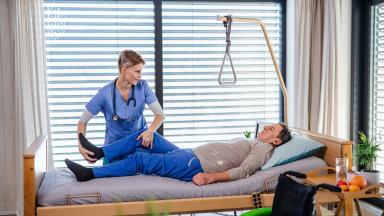
Should recovery happen on a hospital ward, or at home with visits to a clinic? A ward is the answer when someone needs therapy every day, a nurse at night and a doctor nearby, which is common after a stroke, a hip fracture, heart surgery, a lung flare-up or a long spell in intensive care.
Inpatient Rehabilitation - Acute Rehabilitation Unit
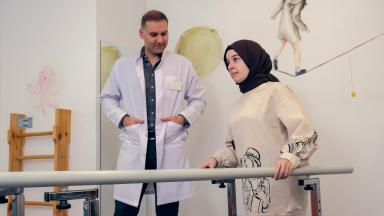
Acute does not mean emergency here. It means the intensive level of rehabilitation, with at least three hours of therapy a day on a hospital ward where a rehabilitation doctor sees you daily, and it suits people in the first months after a stroke, a spinal cord injury, a brain injury or major surgery.