
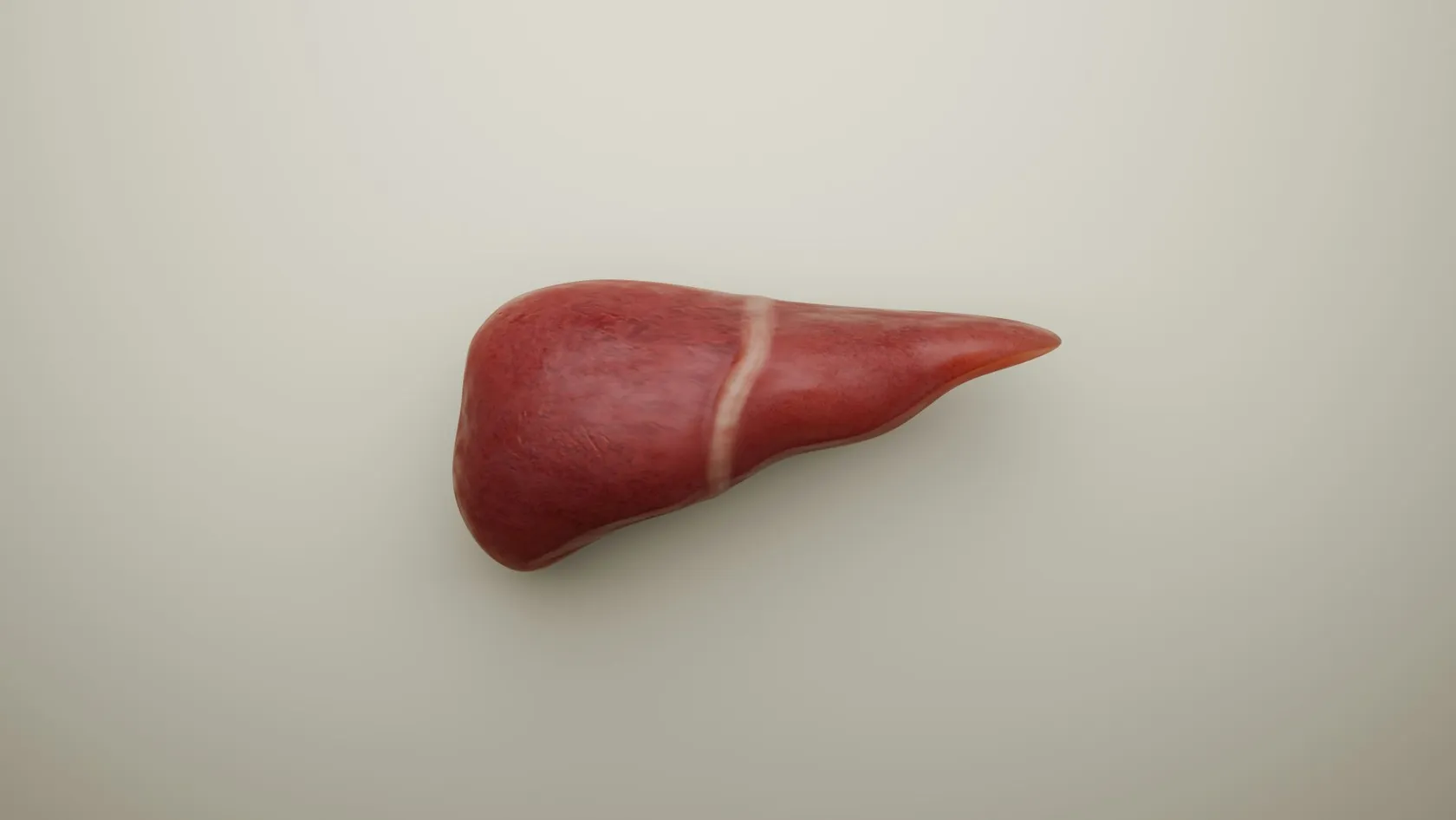
Liver Cirrhosis Treatment
The scar in a cirrhotic liver forms over decades, and the harm that shortens life arrives within weeks once fluid, bleeding or confusion appears. Treatment is aimed at the years before that point. This guide explains the two stages, what can reverse the scarring, the daily rules, and what a staging visit to Istanbul covers.
About This Department
Cirrhosis has two stages, and treatment exists to keep you in the first. In that first stage, median survival is longer than twelve years.
That figure comes from a systematic review of 118 studies, which put median survival at about two years once fluid, bleeding or confusion has appeared. The gap between the two stages is where medicine works. Removing the cause can halt the scarring and sometimes reverse it, a beta blocker lowers the chance of crossing into the second stage, and six-monthly scans catch liver cancer while it can still be cured. Send us your blood results, scan reports and medication list, and a hepatologist will tell you which stage you are in and what should change.
Cirrhosis is the end stage of any long-running liver injury, in which bands of scar divide the liver into nodules and blood can no longer pass through it freely.Definition used in hepatology guidelines
Which stage am I in, and why does it matter so much?
A scarred liver goes on working for years. Doctors call this compensated cirrhosis, and many people in it feel entirely well and learn of the diagnosis from a routine blood test or a scan done for something else. The trouble comes from pressure. Blood from the gut has to cross the liver to return to the heart, scar blocks its path, and pressure builds in the portal vein behind the blockage. That pressure, called portal hypertension, produces every event that marks the second stage. Veins that were never meant to carry much blood swell into varices as the flow hunts for a way around, fluid is forced out of the congested gut into the abdominal cavity, the spleen enlarges and traps platelets, and blood that bypasses the liver carries unfiltered toxins straight to the brain. A person can move from feeling well to any of these within weeks. Hence the urgency.
Decompensation means that one of four things has happened.
- Ascites. Fluid collects in the abdomen, and the ankles swell.
- Variceal bleeding. Swollen veins in the esophagus or stomach rupture, with vomited blood or black stools.
- Hepatic encephalopathy. Toxins the liver no longer clears reach the brain, causing a reversed sleep pattern, confusion, a flapping tremor and, at worst, coma.
- Jaundice. The skin and eyes turn yellow as the liver fails to clear bilirubin.
The systematic review of 118 studies in the Journal of Hepatology counted what each step costs. One-year mortality was 1 percent in compensated patients without varices, 3.4 percent once varices were present, 20 percent after ascites had appeared and 57 percent after a variceal bleed. No other fact about this disease carries as much weight, since it means that the same diagnosis on paper can describe a person with a near-normal outlook and a person who needs a transplant assessment this month, and that nearly all the benefit of treatment is won or lost before the first of those four events.
What does treatment consist of?
Nothing dissolves established scar, and clinics that sell stem cell infusions or liver cleanses for cirrhosis are selling hope without evidence. Treatment that works has four parts.
The daily rules that protect a cirrhotic liver
- No alcohol at all, whatever the original cause.
- No anti-inflammatory painkillers such as ibuprofen, diclofenac or naproxen, which can shut down the kidneys in cirrhosis. Paracetamol, up to two grams a day, is the safe choice.
- No herbal or bodybuilding supplements. Several are direct causes of liver failure.
- Enough protein. The old advice to restrict it was wrong. Aim for 1.2 to 1.5 grams per kilogram of body weight daily, and eat a snack before bed, because a cirrhotic liver runs out of stored energy overnight and starts breaking down muscle.
- Salt restricted to about five grams a day once ascites has appeared, and not before.
- Vaccination against hepatitis A, hepatitis B, influenza and pneumococcus.
- No raw shellfish, which can carry a bacterium that is fatal in liver disease.
- Coffee is encouraged. Observational studies link it consistently with slower progression.
This table scrolls sideways on a narrow screen. Swipe or drag to see every column.
| Stage | One-year mortality | What treatment aims at |
|---|---|---|
| Compensated, no varices | 1 percent | Remove the cause. Measure portal pressure indirectly with elastography and platelet count. Six-monthly ultrasound. |
| Compensated, with varices or significant portal hypertension | 3.4 percent | All of the above, and a beta blocker to prevent the first decompensation. |
| Decompensated, ascites | 20 percent | Diuretics, salt restriction, drainage when needed, prevention of infection in the fluid, transplant assessment. |
| Decompensated, after a variceal bleed | 57 percent | Banding plus a beta blocker to prevent a second bleed, a shunt procedure called TIPS for selected patients, transplant assessment. |
Among 201 patients with compensated cirrhosis and significant portal hypertension, decompensation or death occurred in 16 percent of those given a beta blocker and 27 percent of those given placebo, mainly because fewer developed ascites.PREDESCI randomized trial, The Lancet, 2019
Can treating the cause reverse cirrhosis?
Sometimes. It happens more than doctors believed twenty years ago, and the clearest proof comes from hepatitis B. In a study published in The Lancet in 2013, 348 patients had a liver biopsy before and after five years of the antiviral tenofovir. Of the 96 who had cirrhosis at the start, 71 no longer had it at the end. Similar regression has been documented after cure of hepatitis C and after sustained abstinence from alcohol, and the Baveno VII consensus of 2022 gave the clinical version of this a name, recompensation, for patients whose ascites, bleeding and confusion resolve and stay away once the cause has been removed.
This table scrolls sideways on a narrow screen. Swipe or drag to see every column.
| Cause | Treatment | What to expect |
|---|---|---|
| Hepatitis B | One antiviral tablet a day, tenofovir or entecavir, continued long term. | The virus is suppressed in nearly everyone. Scarring regressed in 74 percent of cirrhotic patients over five years in the trial above. |
| Hepatitis C | Eight to twelve weeks of direct-acting antiviral tablets. | Cure in more than 95 percent of patients, after which cancer surveillance continues, because the risk falls without disappearing. |
| Alcohol | Complete abstinence, with addiction support and treatment of malnutrition. | The single largest change in outlook available in any cause. Improvement continues for a year or more. |
| Fatty liver disease linked to weight and diabetes | Loss of 7 to 10 percent of body weight, control of diabetes, blood pressure and cholesterol. New drugs are licensed for the stage before cirrhosis. | Slower progression. Weight must come off gradually, with enough protein, since muscle loss is dangerous in cirrhosis. |
| Autoimmune hepatitis | Steroids and azathioprine. | Remission in most patients, with scarring that can regress. |
| Bile duct diseases, iron or copper overload | Ursodeoxycholic acid and newer agents, removal of blood for iron, chelating drugs for copper. | Depends on how early treatment begins. |
Of 96 patients with cirrhosis from hepatitis B, 71 no longer had cirrhosis on biopsy after five years of antiviral treatment.Marcellin and colleagues, The Lancet, 2013
What happens at an assessment in Istanbul?
Cirrhosis is managed over years, close to home. A visit abroad can provide a complete staging, a confirmed cause, the procedures that need an endoscopy unit, and a written plan for your own doctor to follow, all inside three to five days, which is a different thing from taking over your care.
- Day one. Consultation with the hepatologist. Blood tests for liver function, clotting, kidney function, blood count, viral markers, autoimmune and metabolic causes, and AFP. Elastography, a painless ultrasound measurement of liver stiffness that has largely replaced biopsy for staging.
- Day two. Ultrasound with Doppler of the liver vessels, and contrast CT or MRI where a nodule needs characterizing. Upper endoscopy under sedation to look for varices, with banding in the same session if large ones are found. Under the Baveno VII criteria this endoscopy can be omitted when liver stiffness is below 20 kilopascals and the platelet count above 150,000.
- Day three. Drainage of ascites if present, with analysis of the fluid. Dietitian review. A closing consultation that gives you the stage, the Child-Pugh and MELD scores, the cause, the drug plan, the surveillance schedule and a clear statement on whether transplant assessment is needed.
For the free review beforehand, send recent blood results, every ultrasound, CT, MRI and endoscopy report you have, any biopsy or elastography result, a full medication list including herbal products, and an honest account of alcohol use. A hepatologist reads the file and replies with the likely stage, the tests still missing and whether traveling makes sense for you.
Some patients should not fly yet. A variceal bleed within the past few weeks, encephalopathy that is not yet controlled, tense ascites, a recent infection or a rising creatinine all call for treatment at the nearest capable hospital first.
How is each complication treated?
Ascites
Varices and bleeding
Hepatic encephalopathy
Infection of ascitic fluid and kidney failure
Liver cancer
When is a transplant the treatment?
A transplant replaces the diseased organ. It cures the cirrhosis, and it becomes the right treatment when the risk of dying from liver disease within a year exceeds the risk of the operation. In practice that means decompensation that does not settle once the cause is treated, a MELD score of 15 or more, hepatorenal syndrome, or a liver cancer within transplant criteria. Assessment takes a week. It examines the heart, lungs, kidneys, vessels and any hidden infection or cancer, because the operation is long and the drugs that follow it suppress immunity for life. Foreign patients in Turkey are transplanted from a living donor, nearly always a relative, under ethics committee approval, so the donor's assessment runs alongside the patient's and the family has to decide together. If your disease has reached this point, say so in the first message. The reply will address it directly.
What decides the cost?
A staging visit is built from separate items, and the total follows which of them you need, with consultations and blood panels forming the base. Elastography, Doppler ultrasound, and CT or MRI with contrast are priced individually, endoscopy under sedation is one item and banding another, with each later banding session charged again, and drainage of ascites is a day-case procedure in which the albumin infusion can cost more than the drainage itself. Nights change the scale. So does any complication treated as an inpatient, and so does every day in intensive care. Antiviral drugs and beta blockers belong to the continuing costs at home. Your own condition moves the figure more than anything else, since a compensated patient needs three outpatient days and a decompensated one may need a week on a ward. Transplantation sits in a different order of magnitude. It is quoted separately, for patient and donor together.
Packages published for cirrhosis by hospitals in Istanbul list the consultation, a blood panel, imaging and sometimes endoscopy. Read the small print. Check what each quote does with sedation, with pathology if a biopsy is taken, with albumin, and with a second night should one be needed.
Your own figure follows the free review of your file.
What about language, companions and care once I am home?
Your coordinator from the international patients team is assigned at the first message and stays on the case. English, Arabic, French, Russian, Serbian, Romanian and Spanish are covered by the team, and interpreting in other languages is arranged on request. Bring a companion, since sedation rules out traveling alone on the endoscopy day and a second listener helps at the closing consultation, where a great deal is said in a short time and most of it matters. The international patients office books the hotel and the transfers. Rooms for admitted patients have a companion bed. Tell the kitchen about salt restriction on admission, and ask the dietitian for a written list of what to eat in the hotel, because restaurant food is the usual source of a salt load that brings ascites back within days. Halal, vegetarian and diabetic diets are standard, a prayer room is on site, and a request for a female doctor is passed on and met wherever the rota allows.
Follow-up happens once you are back home, and the plan is written for that. You leave with the full report in English, the drug doses, the dates of the next ultrasound and endoscopy, and the thresholds at which your own doctor should worry, such as a creatinine that rises, a sodium that falls or a weight that climbs by two kilograms in a week. Your coordinator stays reachable on the same WhatsApp number. Send new results there.
Flying is fine the day after an endoscopy without banding. After banding, wait two to three days, and leave long-haul flights for a week, since the small ulcer each band leaves behind can bleed in that period and a bleed over an ocean cannot be treated.
Liver cirrhosis treatment FAQ
Can liver cirrhosis be cured?
How long can a person live with cirrhosis?
Do stem cells or liver detox treatments work?
How many days do I need in Istanbul?
Can I fly with cirrhosis?
Can a family member stay with me?
References
- D'Amico G, Garcia-Tsao G, Pagliaro L. Natural history and prognostic indicators of survival in cirrhosis: a systematic review of 118 studies. Journal of Hepatology. 2006;44(1):217-231.
- Villanueva C, Albillos A, Genesca J, et al. Beta blockers to prevent decompensation of cirrhosis in patients with clinically significant portal hypertension (PREDESCI): a randomised, double-blind, placebo-controlled, multicentre trial. Lancet. 2019;393(10181):1597-1608.
- Marcellin P, Gane E, Buti M, et al. Regression of cirrhosis during treatment with tenofovir disoproxil fumarate for chronic hepatitis B: a 5-year open-label follow-up study. Lancet. 2013;381(9865):468-475.
- de Franchis R, Bosch J, Garcia-Tsao G, Reiberger T, Ripoll C; Baveno VII Faculty. Baveno VII: Renewing consensus in portal hypertension. Journal of Hepatology. 2022;76(4):959-974.
- Singal AG, Pillai A, Tiro J. Early detection, curative treatment, and survival rates for hepatocellular carcinoma surveillance in patients with cirrhosis: a meta-analysis. PLoS Medicine. 2014;11(4):e1001624.
Editor's note
Written by the Biruni Hospital medical editorial team. Reviewed by Assistant Professor Koray KOÇHAN, Gastroenterology.
Medically reviewed by
Assistant Professor Koray KOÇHAN
Gastroenterology
Related Treatments
View All
Barrett's Esophagus Treatment
Most people told they have Barrett's esophagus have been told only half the story. The yearly cancer risk is 0.12 percent, and the grade of dysplasia in the biopsies decides whether the right plan is a daily tablet with endoscopy every few years, or radiofrequency ablation to remove the lining.
Capsule Endoscopy - Wireless Capsule Endoscopy
When a gastroscopy and a colonoscopy are both normal and the blood count keeps falling, the search moves to the small bowel, which neither instrument reaches. A swallowed capsule camera films that stretch in eight hours without sedation and finds a cause in six of ten patients examined for bleeding.

Colonoscopy
Ask one question before choosing where to have a colonoscopy, which is how often the doctor finds polyps. In a study of 314,872 examinations that figure ranged from 7 to 53 percent between doctors, and it predicted who later developed bowel cancer. This guide covers preparation in a hotel room, sedation, findings and the flight home.
Colorectal Polyp Removal
A large polyp in the colon does not automatically mean bowel surgery. Nearly all polyps, including flat ones wider than 20 millimeters, come out through the colonoscope, and the technique is chosen by size and shape.
Endoscopic Mucosal Resection - EMR
Endoscopic mucosal resection lifts a precancerous growth or an early cancer off the muscle wall with an injection and removes it with a snare through an ordinary endoscope, in the colon, esophagus, stomach or duodenum, without an operation. In a study of 479 patients with large colon polyps, 83.7 percent avoided surgery and none died of the procedure. This page explains what EMR removes, which lesions qualify, how it compares with ESD and surgery, evidence, risks, follow-up and care from abroad.