
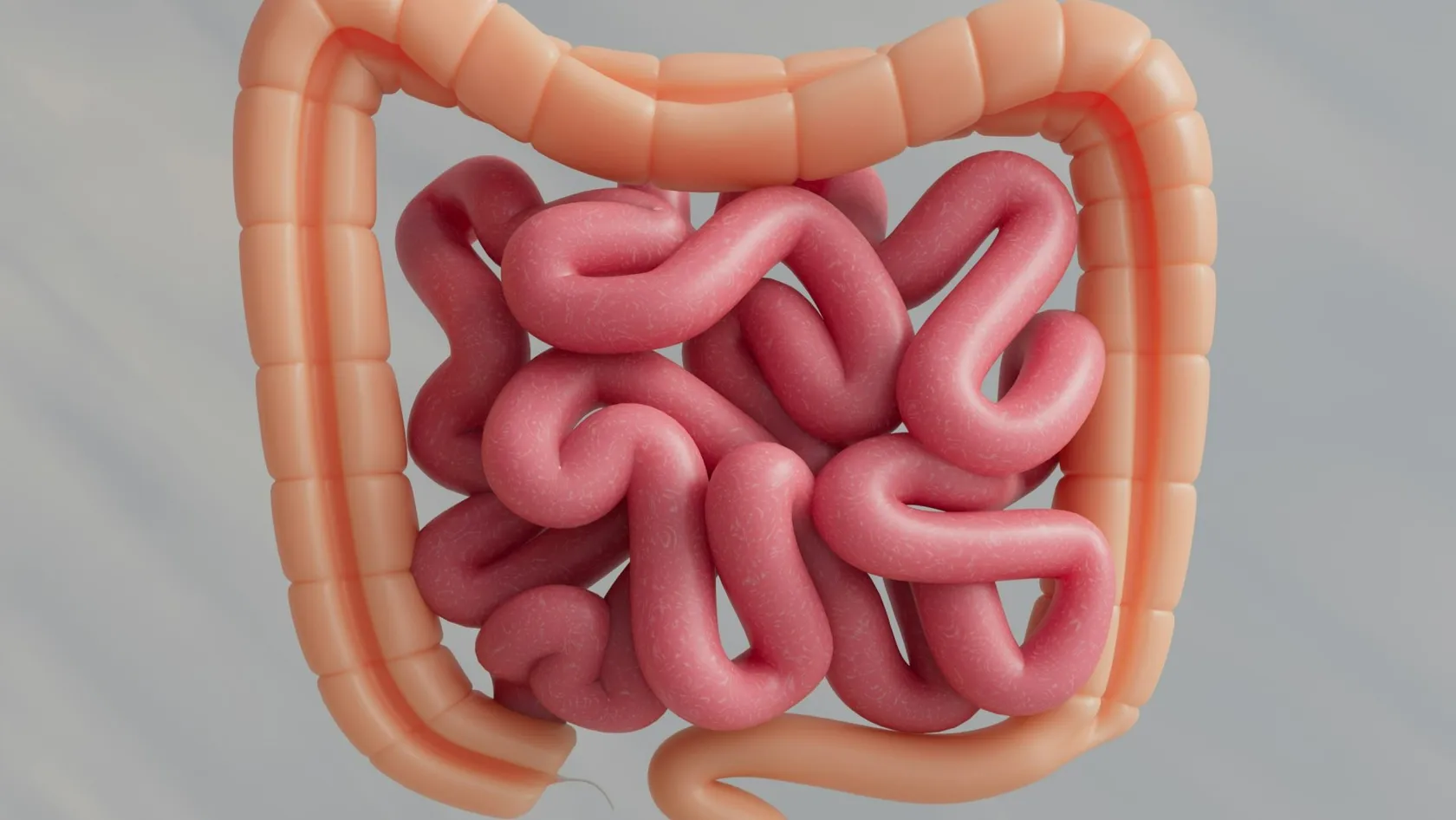
Colorectal Polyp Removal
A large polyp in the colon does not automatically mean bowel surgery. Nearly all polyps, including flat ones wider than 20 millimeters, come out through the colonoscope, and the technique is chosen by size and shape.
About This Department
Bowel cancer nearly always begins as a polyp. Taking the polyp out is how the cancer is prevented.
Your colonoscopy report lists a polyp. Perhaps it was too big to take out that day, perhaps a surgeon has mentioned removing part of the bowel, or perhaps you have not had the colonoscopy yet and want whatever is found dealt with during one visit. The outlook is good. In the National Polyp Study, published in the New England Journal of Medicine in 2012, 2,602 people who had adenomas removed were followed for a median of 15.8 years, and deaths from bowel cancer were 53 percent lower than expected. Nearly all polyps come out through the colonoscope with no cut in the skin, including flat ones wider than 20 millimeters. What follows covers the technique that suits each size, the risks with their numbers, the pathology result, the follow-up colonoscopy, and the question travelers ask first, which is when it is safe to board a plane home.
Why remove a polyp that causes no symptoms?
Colorectal polyps grow from the inner lining of the large bowel. Most cause no trouble. The reason to remove one anyway lies in what it may become ten years from now. Turning from a small adenoma into a cancer takes a decade or longer in the typical case, and during all of that time the growth sits within reach of a colonoscope.
No other cancer offers that. Here the precancerous stage is visible. It comes out during the same examination that found it, and a laboratory then says exactly what it was.
Polyps rarely announce themselves. A few bleed, and a large one in the rectum can cause mucus or a change in bowel habit, yet the typical polyp is found at a screening colonoscopy or after a positive stool test in someone who feels well.
Which polyps turn into cancer?
Two families carry the risk.
Adenomas form the common one, and pathologists describe them as tubular, tubulovillous or villous, with low-grade or high-grade dysplasia, the word for how abnormal the cells look. Sessile serrated lesions make up the second family. Flat, pale, covered by a cap of mucus and sitting mostly in the right side of the colon, they are easy to miss, and researchers hold them responsible for a meaningful share of the cancers that appear between colonoscopies. Small hyperplastic polyps in the rectum and lower colon belong to neither family and carry no real risk, but since nobody can be certain of the type by eye, every polyp that is removed goes to pathology.
Size and shape matter as much as type. Under 5 millimeters, cancer inside a polyp is almost unknown. Anything over 20 millimeters needs careful inspection of its surface before anyone decides how to remove it. Shape decides the tool. Some polyps hang on a stalk like a mushroom, which doctors call pedunculated. Others sit on a broad base, called sessile. And some spread sideways along the wall like a carpet, only a millimeter or two high, which are the hardest to see and to remove.
How is a polyp removed?
Technique follows the size of the polyp, and the 2024 guideline of the European Society of Gastrointestinal Endoscopy (ESGE) sets the technique out size by size.
| Polyp | Technique | What it means for you |
|---|---|---|
| Up to 5 mm | Cold snare, with a 1 to 2 mm rim of normal tissue | A wire loop cuts without electricity. Seconds per polyp, and delayed bleeding is rare. |
| 6 to 9 mm | Cold snare, same rim | The same, and several can be removed during one colonoscopy. |
| 10 to 19 mm, no stalk | Hot snare | The loop carries an electric current that cuts and seals. Fluid is often injected underneath first to lift the polyp. |
| 20 mm and over, no stalk | Endoscopic mucosal resection (EMR) | Lifted on a cushion of fluid and removed in one piece or several. Takes 30 to 90 minutes and needs an experienced endoscopist. |
| Serrated lesion without dysplasia, any size | Cold snare or cold EMR, in pieces if needed | No current at all, which keeps the risk of a late bleed or a deep burn low in the thin wall of the right colon. |
One line of that guideline corrects something many websites still repeat. ESGE recommends against removing polyps with biopsy forceps, the small pincers used for sampling, because they leave polyp tissue behind too often.
Stalked polyps need their own method. The snare closes around the stalk and current seals its feeding vessel, and when the stalk is thick the endoscopist first places a clip or a detachable loop around it to prevent bleeding.
What if the polyp is large, flat, or was left in place?
A second opinion matters most with large polyps. Many people who write to us were told that a polyp of 25, 30 or 40 millimeters could not be removed at their local unit and that surgery to take out a length of bowel was the next step. Where the surface shows no sign of cancer, ESGE recommends EMR as the treatment. Surgery is held in reserve.
Endoscopic mucosal resection
Fluid comes first. Tinted blue so the layers can be told apart, it is injected beneath the polyp, where it lifts the growth away from the muscle of the bowel wall and leaves a safety cushion under the place where the cut will be made. A snare then takes the polyp in one piece where it fits inside the loop, and in several overlapping pieces where it does not. Two steps from the 2024 guideline matter for the result. After piecemeal removal the edge of the wound is treated with the tip of the snare on a soft coagulation current, which destroys any invisible remnant and lowers the chance of the polyp growing back. And after EMR in the right colon the wound is closed with clips to lower the risk of a delayed bleed. Last comes a small tattoo of sterile ink a few centimeters away. It marks the site for the check colonoscopy and for any surgeon who might need to find that spot from outside the bowel.
Endoscopic submucosal dissection
ESD uses a tiny electric knife to cut around the polyp and then beneath it, so that even a very large lesion comes out as a single piece with clean edges for the pathologist. It costs time, two to four hours in some cases, and carries a higher perforation risk. ESGE suggests it for selected large polyps in high-volume centers, and it recommends a one-piece technique such as ESD whenever the surface pattern raises suspicion of an early cancer that reaches only the top of the submucosa.
When surgery is the right answer
Deep invasion visible in the surface pattern. A polyp that will not lift when fluid is injected, a sign that it is tethered to the muscle layer. Growth around the appendix opening, or a position no scope can work in. For these, a keyhole bowel resection is the correct operation, and the review of your photographs will say so plainly.
How do you prepare?
A clean bowel is the single biggest factor you control. Flat polyps hide under a film of residue, and a removal planned for one session turns into two when the endoscopist cannot see.
- Three days before, switch to a low-fiber diet. No seeds, nuts, whole grains, raw vegetables or fruit skins.
- The day before, clear liquids only after a light breakfast, and the first half of the laxative in the evening.
- On the morning, the second half of the laxative, finished at least two hours before the procedure. Then nothing by mouth.
Splitting the laxative in two cleans the right side of the colon far better than drinking it all the evening before. Hence the early alarm clock.
Blood thinners need a plan made at least ten days ahead. The 2021 guideline of the British Society of Gastroenterology and ESGE, published in Gut, counts polypectomy among high-risk procedures. Aspirin continues. Clopidogrel, prasugrel and ticagrelor stop seven days before, warfarin stops five days before, and apixaban, rivaroxaban, dabigatran and edoxaban stop three days before, each only after the doctor who prescribed the drug has agreed. When to restart matters as much, and the endoscopist writes the date on your discharge note according to the size of the wound. Anyone with a coronary stent, a mechanical heart valve or a recent clot should raise this in the very first message, since the safest plan sometimes means a bridging injection and sometimes means postponing.
Iron tablets stop a week before because they stain the bowel black. Whoever manages your diabetes adjusts the medicine for the day of clear liquids.
What happens on the day?
Removal happens during a colonoscopy, under the same sedation. Private hospitals in Turkey describe propofol sedation given by an anesthesia team as standard for this, and you are asleep from the first minute to the last.
Your endoscopist advances the scope to the far end of the colon and inspects on the way back. Well-equipped units open the bowel with carbon dioxide in place of air, because the body absorbs it quickly and cramping afterwards is far less. Every polyp gets washed, studied under magnification and filtered light to judge its type and whether it looks safe to remove, then lifted if needed, snared, and retrieved through the scope or in a small net so the laboratory receives all of it. A colonoscopy with two or three small polyps takes 30 to 45 minutes. A single large EMR can take 90.
You feel nothing of the removal itself. The bowel lining has no pain nerves for cutting or heat.
Afterwards you rest for an hour or two. Gas passes. You eat a light meal. With small polyps only, you leave the same day. After a large EMR or an ESD, packages published by Turkish hospitals include one night in hospital for observation, and at Biruni Hospital a patient room has a bed for your companion.
What can go wrong, and how often?
Risk rises with the size of the polyp. The pooled figures below come from a 2016 meta-analysis of 21 population-based studies in the American Journal of Gastroenterology, which counted events within 30 days of colonoscopy across whole populations and not only in expert centers.
During the two weeks after removal, call us or go to an emergency department for bleeding of more than a few spoonfuls, clots, belly pain that does not pass with gas, fever, or dizziness on standing.
What will the pathology report say?
Pathology reports on polyps arrive in three to seven working days and land in one of four groups.
- No risk. A hyperplastic or inflammatory polyp. Nothing further.
- Low-risk adenoma or small serrated lesion. Fully removed. Back to routine screening.
- Advanced polyp. 10 mm or more, high-grade dysplasia, or five or more adenomas. Removed and cured, with a colonoscopy in three years.
- Cancer inside the polyp. Uncommon, and explained below.
Group four frightens people more than it should. When a cancer is confined to the polyp, removal through the scope is sometimes the whole treatment. Pathologists look for five things, namely a clear margin of at least a millimeter, invasion of less than a millimeter into the submucosa, well or moderately differentiated cells, no tumor in blood or lymph vessels, and no budding of tumor cells at the edge. A polyp that passes all five carries a very low chance of spread to lymph nodes and the advice is close follow-up alone, whereas failing even one of them opens a discussion about removing that segment of bowel together with its lymph nodes, by keyhole surgery in most cases. At Biruni Hospital that surgery, and chemotherapy or radiotherapy if the final stage calls for them, are delivered on the same site by the team that already holds your slides and images. If you would sooner be treated at home, you leave with the pathology report, the photographs, the position of the tattoo and a letter to your surgeon.
How long should you stay, and when can you fly?
Trip length depends on one thing, the size of the wound that the polyp leaves behind in the bowel wall.
After small polyps
Cold snare removal leaves almost nothing behind. Plan three nights. One for arrival and bowel preparation, one after the procedure, one spare. Fly on the fourth day. A hot snare removal of a polyp between 10 and 19 millimeters deserves a few days more within reach of the hospital.
After EMR or ESD of a large polyp
Here the advice changes. Delayed bleeding remains possible for two weeks, and discharge leaflets from endoscopy units, including those of the National Health Service in the United Kingdom, advise against flying for 14 days after EMR. The concern has nothing to do with cabin pressure. A bleed that starts over an ocean, or in a town with no endoscopy service, is simply harder to treat than one that starts twenty minutes from the unit that made the wound. So plan 10 to 14 nights in Istanbul. You spend nearly all of them as an ordinary visitor with a phone number in your pocket, walking, eating normally, and keeping the hotel within a short taxi ride of the hospital, with alcohol and very heavy meals left for the second week. Your endoscopist writes the flying date on the discharge note according to the size of the wound and whether clips were placed. Airlines and insurers accept that document.
Once you get back home, avoid heavy lifting and strenuous exercise until the two weeks are up, keep alcohol modest, and restart blood thinners on the date you were given.
When is the next colonoscopy?
Surveillance after polyp removal follows the 2020 ESGE guideline, and for most people the date is reassuringly far away.
| What was removed | Next colonoscopy |
|---|---|
| 1 to 4 adenomas under 10 mm with low-grade dysplasia, or a serrated polyp under 10 mm without dysplasia | None needed. Return to screening, or a colonoscopy in 10 years where no screening program exists. |
| An adenoma of 10 mm or more, high-grade dysplasia, 5 or more adenomas, or a serrated polyp of 10 mm or more or with dysplasia | 3 years |
| A polyp of 20 mm or more removed in pieces | 3 to 6 months to check the site, then 12 months after that |
| A clear first surveillance colonoscopy | 5 years, and after a second clear one, back to screening |
None of these has to be done in Istanbul. Your report states the interval so that any competent unit near you can carry on, and the tattoo shows them where to look.
What decides the cost?
Nobody can name a single price for this procedure, and this page quotes none, because the total depends on findings nobody has until the scope is inside.
Count the polyps first, then measure them. A cold snare removal adds little to a colonoscopy, while an EMR adds the injection fluid, the snares, the clips used to close the wound, each of them a single-use device, and an hour of extra procedure and anesthesia time. ESD costs more again because of the knife, the duration and the night in hospital. Laboratories charge per specimen, so five polyps in five pots cost more than one. Your own health adds lines too, such as an anesthesia consultation and an ECG for anyone with heart or lung disease, or a course of bridging injections when a blood thinner has to be paused around the procedure. Published packages from Turkish hospitals and medical travel agencies for colonoscopy with polyp removal cover the consultation, the procedure, sedation, a night in hospital where one is planned, a companion's stay, an interpreter and transfers. They leave out flights, insurance, extra hotel nights, a repeat procedure for a bleed, and surgery if pathology calls for it.
Four questions make a quote readable.
- Does it assume a simple polypectomy or an EMR
- How many clips are counted
- Is pathology inside the figure, and for how many specimens
- What happens to the total if a second session is needed
Send the report and photographs first. The quote that follows the review will be built on your polyp.
Who handles the practical side?
Biruni Hospital gives every international patient one coordinator, from the first message to discharge, and that person stays on the same WhatsApp number after you have gone home, which is where the pathology result and any question about bleeding will go.
Staff on the international team speak English, Arabic, French, Russian, Serbian, Romanian and Spanish and bring in interpreters for other languages. You will want that for the consent discussion, where the endoscopist explains what will be done if a polyp turns out larger than expected. Travel with one adult, since sedation makes it a rule. The office books the hotel for both of you, organizes the cars from the airport and between hotel and hospital, and, if a consulate asks for paperwork, sends an appointment confirmation and an invitation letter naming the hospital and the doctor ten days or so before departure. Tell us in advance if you would like a female physician, and the department arranges it where the rota allows. Hospital meals come halal, vegetarian or diabetic on request. A prayer room is on site.
Colorectal Polyp Removal FAQ
Is colorectal polyp removal painful?
Can a large polyp be removed without surgery?
How long should I stay in Istanbul after polyp removal?
When can I fly after a polypectomy?
What if I bleed after I get home?
Will the polyp come back?
References
- Zauber AG, Winawer SJ, O'Brien MJ, et al. Colonoscopic polypectomy and long-term prevention of colorectal-cancer deaths. The New England Journal of Medicine. 2012;366(8):687-696.
- Ferlitsch M, Hassan C, Bisschops R, et al. Colorectal polypectomy and endoscopic mucosal resection: European Society of Gastrointestinal Endoscopy (ESGE) Guideline - Update 2024. Endoscopy. 2024;56(7):516-545.
- Hassan C, Antonelli G, Dumonceau JM, et al. Post-polypectomy colonoscopy surveillance: European Society of Gastrointestinal Endoscopy (ESGE) Guideline - Update 2020. Endoscopy. 2020;52(8):687-700.
- Reumkens A, Rondagh EJ, Bakker CM, Winkens B, Masclee AA, Sanduleanu S. Post-Colonoscopy Complications: A Systematic Review, Time Trends, and Meta-Analysis of Population-Based Studies. The American Journal of Gastroenterology. 2016;111(8):1092-1101.
- Veitch AM, Radaelli F, Alikhan R, et al. Endoscopy in patients on antiplatelet or anticoagulant therapy: British Society of Gastroenterology (BSG) and European Society of Gastrointestinal Endoscopy (ESGE) guideline update. Gut. 2021;70(9):1611-1628.
Editor's note
Written by the Biruni Hospital medical editorial team. Reviewed by Prof. Dr. Oğuzhan ÖZTÜRK, Gastroenterology.
Medically reviewed by
Prof. Dr. Oğuzhan ÖZTÜRK
Gastroenterology
Related Treatments
View All
Barrett's Esophagus Treatment
Most people told they have Barrett's esophagus have been told only half the story. The yearly cancer risk is 0.12 percent, and the grade of dysplasia in the biopsies decides whether the right plan is a daily tablet with endoscopy every few years, or radiofrequency ablation to remove the lining.
Capsule Endoscopy - Wireless Capsule Endoscopy
When a gastroscopy and a colonoscopy are both normal and the blood count keeps falling, the search moves to the small bowel, which neither instrument reaches. A swallowed capsule camera films that stretch in eight hours without sedation and finds a cause in six of ten patients examined for bleeding.
Colonoscopy
Ask one question before choosing where to have a colonoscopy, which is how often the doctor finds polyps. In a study of 314,872 examinations that figure ranged from 7 to 53 percent between doctors, and it predicted who later developed bowel cancer. This guide covers preparation in a hotel room, sedation, findings and the flight home.
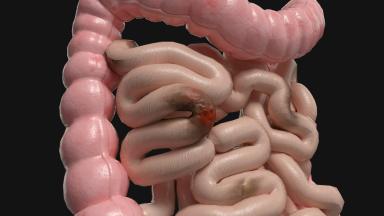
Endoscopic Mucosal Resection - EMR
Endoscopic mucosal resection lifts a precancerous growth or an early cancer off the muscle wall with an injection and removes it with a snare through an ordinary endoscope, in the colon, esophagus, stomach or duodenum, without an operation. In a study of 479 patients with large colon polyps, 83.7 percent avoided surgery and none died of the procedure. This page explains what EMR removes, which lesions qualify, how it compares with ESD and surgery, evidence, risks, follow-up and care from abroad.
Endoscopic Submucosal Dissection - ESD
Removed in one piece, an early tumor can be measured at its edges and at its deepest point, and that measurement decides whether you are cured or need surgery. ESD is the endoscopic technique that makes it possible in the stomach, esophagus and bowel. See which lesions qualify, what recovery involves and how to judge an operator.