
Varicocelectomy - Varicocele Surgery
Almost every varicocelectomy is booked because a semen analysis came back poor, and the operation does help there. Its most consistent published results sit elsewhere. In one series of 254 men, 72 percent with a painful varicocele lost the ache entirely, and testosterone rose 40 percent in men who started below normal. This guide ranks the four reasons for surgery by the strength of their evidence, covers grades, technique, the right side, recovery, teenagers, and what the operation cannot do.
About This Department
This operation is sold as a fertility treatment. Its strongest evidence sits somewhere else.
Almost every man booked for a varicocelectomy is booked because a semen analysis came back poor. The operation does help there, in a measurable and unglamorous way. What it does more reliably is relieve a painful testicle and lift testosterone in men whose level had fallen, and those two results are barely mentioned in the material patients read.
Three reasons, ranked by evidence
A varicocelectomy gets offered for three reasons and the strength of the evidence behind them runs in almost the reverse order of how heavily they are used as a selling point. Sorting that out first makes every later section easier to read, and it also makes it easier to work out whether you personally should be having this operation at all.
Narrow screens scroll this table sideways. Swipe or drag to reach every column.
| Reason for surgery | How strong the evidence is |
|---|---|
| A testicle that aches | The most consistent result in the literature, with complete relief in around seven men in ten |
| Poor semen quality with a clinical varicocele | Good, with measurable gains in sperm counts and a third of couples conceiving without help |
| Low testosterone with a clinical varicocele | Good in men who started low, and close to nothing in men whose level was normal |
| No sperm at all in the ejaculate | The weakest of them, and the one most often oversold |
What a varicocele is
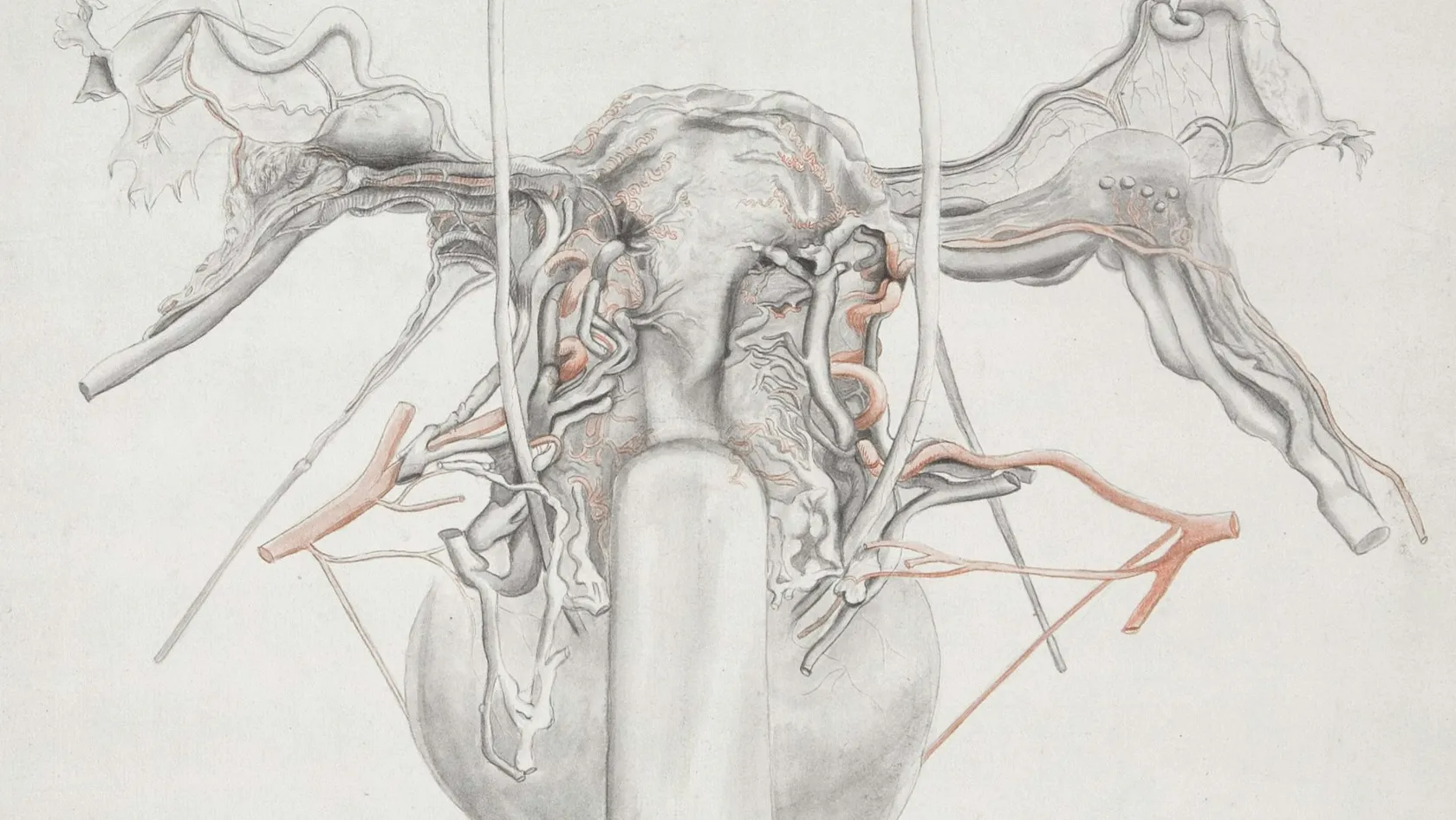
Blood leaves each testicle through a network of small veins that climb up the spermatic cord. Those veins carry one way valves, and where the valves fail the blood pools and the veins swell, much as they do in a varicose leg. The tangle that results sits above and behind the testicle and feels, in the phrase every textbook uses and every man recognizes, like a bag of worms. The left side gets affected far more often than the right, for a reason that comes down to plumbing geometry. The left vein drains upward into the renal vein at a right angle and against gravity, while the right drains at a gentler angle straight into the body's main vein, and that single difference in plumbing explains both why a left varicocele is entirely ordinary and why an isolated right one deserves a scan of the abdomen to make sure nothing higher up is pressing on the vein.
Roughly fifteen men in a hundred have one. Among men attending a fertility clinic that figure rises considerably, which is where the whole association with infertility comes from, and both facts belong together in a man's head. Plenty of men with a varicocele father children without ever knowing they had one. Why the pooling harms the testicle remains less settled than the association itself, and the leading explanation is heat. A testicle sits outside the body because sperm production needs a temperature a degree or two below core, and a mass of stagnant venous blood wrapped around it raises that temperature. Other mechanisms get proposed, including backflow of adrenal hormones and oxidative stress, and they may all contribute. Clinically the damage arrives gradually, accumulates over years, and reverses at least partly once the veins are dealt with.
Grades, and what they miss
Varicoceles get graded by hand and never by scan. Grade one becomes palpable only when the man bears down and strains. Grade two is there with him standing normally. Grade three shows through the skin from across the room. Those three grades were described decades ago and they still decide who gets offered surgery, because every worthwhile study of this operation recruited men with a varicocele a doctor could feel.
Which leaves ultrasound in an odd position.
Ultrasound finds veins that no hand can detect, measures them in millimeters, and reports reflux in seconds of backflow, and none of those numbers has ever been shown to predict who benefits from surgery. Anybody handed a report saying he has a subclinical varicocele with 2.8 millimeter veins has been handed a fact, and not an indication. The examination that counts happens standing up, in a warm room, with the doctor's fingers on the cord and the man asked to strain. A clinic that books surgery off a scan alone has skipped the only test the evidence was built on.
Pain, the clearest result
Sixty men, and what happened to their aching
A Shanghai center followed 254 men after microsurgical repair through a small cut below the groin. Sixty of them had come in because of pain rather than because of a semen result. Forty three of them, which is 71.7 percent, reported the ache completely gone. Sixteen more, which is 26.7 percent of the group, described the ache as improved and still present. One man out of the sixty reported no change at all. Those are the most consistent numbers anywhere in this subject, and they describe the indication least likely to appear in an advertisement, partly because a dull scrotal ache is something men mention reluctantly and partly because fertility sells better. The pain itself is characteristic once described. A dragging or dull heaviness rather than a sharp pain, worse at the end of a long day on your feet, worse in hot weather, better when lying down, and absent on waking. Pain that fails to follow that pattern usually comes from somewhere else, and operating on a varicocele that happens to coexist with a different problem produces a disappointed patient and an intact ache.
Fertility, the usual reason
In that same Shanghai series, 73 men had come in with low counts and poor motility alongside a varicocele that could be felt. Among those with follow up counts available, the median total progressive sperm count rose from 9.15 million to 25.33 million. Twenty six of the 73, which is 35.6 percent, went on to conceive without any assistance at all.
Columns run past the edge on a small screen. Slide the table across to read them.
| Group | Number of men | Result reported |
|---|---|---|
| Low count and poor motility | 73 | Median progressive count rose from 9.15 to 25.33 million, and 35.6 percent conceived unassisted |
| No sperm in the ejaculate | 121 | Sperm returned in 12.4 percent |
| Scrotal pain | 60 | 71.7 percent complete relief, 26.7 percent partial, one man unchanged |
- The men in that series were followed for at least three months and none had a recurrence of the varicocele.
- It was a retrospective review from one center, which places a ceiling on how far any of it can be generalized.
- Counts improved in a group selected for having a varicocele that could be felt and semen that was poor, which is exactly the group guidelines say to operate on.
Why the evidence stays argued over
Trials in this field have been small, inconsistently designed and frequently built around semen parameters instead of babies, and reasonable specialists still disagree over how much the operation contributes. Here is the summary we would give a patient. Sperm counts improve. Motility improves. Pregnancy rates rise in the men selected the way guidelines suggest. And the size of that effect comes out smaller than a clinic brochure implies and larger than a skeptic will tell you.
A sentence for couples with a clock running
Semen quality after this operation improves over three to six months, and the couples for whom that timetable is affordable are not the same as the couples for whom it is not. Where the female partner is in her early thirties and well, spending six months is reasonable and frequently rewarded. Where she is approaching forty, six months of waiting has a cost of its own, and the sensible plan may be to repair the varicocele and start assisted treatment on a parallel track instead of in sequence.
Run them in parallel. That one choice saves months.
Repair before IVF
What happens to the injection cycle afterward
Almost nobody asks the following question. Where a couple is heading for sperm injection anyway, does fixing the man's varicocele first make that cycle work better. A Turkish group looked back at 306 couples going through injection where the male partner had a varicocele a doctor could feel. In 168 of them it had been repaired beforehand. In 138 it had been left alone. Pregnancy followed in 62.5 percent of the repaired group against 47.1 percent of the unrepaired one. Live births came out at 47.6 percent against 29.0 percent. After adjustment the repaired men had roughly double the odds of a live birth, with a confidence interval running from 1.26 to 3.97.
That study was retrospective, the two groups chose themselves, and a prospective trial has yet to confirm it. Read the direction and treat the size cautiously. Even discounted, it suggests that a man with a clinical varicocele heading toward assisted treatment deserves to be asked whether repairing it first would improve what the laboratory has to work with, which is a conversation that fertility clinics with no urologist attached rarely start, partly because nobody in the building examines men and partly because the cycle is already booked. Raise it yourself if nobody else does.
Azoospermia, the weakest claim
Men with no sperm at all in the ejaculate are sometimes told that repairing a varicocele will bring sperm back. It does, occasionally. The numbers behind that sentence deserve setting out plainly instead of being summarized as a hope, because the gap between the figure a clinic quotes and the figure a careful series reports is wider here than anywhere else in this operation's literature.
On a narrow screen this table runs past the edge. Drag it across to see the rest.
| Source | Sperm returning to the ejaculate |
|---|---|
| Small retrospective series, pooled in one review | Up to 56 percent, which is the figure clinics quote |
| A series of 121 men at one Shanghai center | 12.4 percent |
| Thirty one men at an American referral center | 22 percent, and 9.6 percent with enough sperm to avoid a retrieval |
| Spontaneous pregnancy in a pooled analysis | 6 percent |
One review of this question concluded that no reliable way exists to predict who benefits, and that some level of surviving sperm production on a testicular biopsy seems to be needed before repair achieves anything. So the fair version to give a man with azoospermia and a clinical varicocele is that repair is reasonable to consider, that a minority will see sperm appear, that fewer still will see enough to skip a retrieval, and that the operation does not improve his odds if he ends up needing one anyway.
Testosterone
Who gains, and who gains nothing
One prospective study built four groups. Sixty six infertile men with a varicocele had it repaired, thirty three infertile men with a varicocele were watched and left alone, and thirty three fertile men with a varicocele were watched as well. A fourth group of thirty three fertile men without a varicocele made up the comparison. Baseline testosterone in the three varicocele groups clustered between 339 and 397 nanograms per deciliter, while the men without a varicocele averaged 505. Six months after surgery the repaired group had risen by an average of 44.7 nanograms, which is 12.9 percent, and the two watched groups had not moved at all. Splitting the repaired men by where they started turns that modest average into something far more interesting. Men whose testosterone had been below 300 gained an average of 93.7 nanograms, a rise of 40.1 percent. Men whose level had been normal gained 8.6 nanograms, statistically indistinguishable from nothing. Both patterns were still there at twelve months.
So the lower you start, the more you gain. A man with a clinical varicocele, symptoms of low testosterone and a level under 300 is a good candidate for this conversation. Any man with a normal level who has been told that surgery will raise his testosterone has been told something the evidence does not support.
Reaching the veins
Why the microscope changed the operation
The cord that carries those veins also carries the artery feeding the testicle, the lymphatic channels draining it, and the vas deferens, so tying the veins without harming anything else is the whole technical problem of this operation, made harder by veins that are small, numerous and wrapped around every other structure in the bundle. Older approaches worked without magnification and accepted a price. Cut a lymphatic and fluid collects around the testicle as a hydrocele. Cut the artery and the testicle suffers. Miss a vein and the varicocele comes back.
- Microsurgical subinguinal repair, through a small cut low down, lets the surgeon identify and spare the artery and lymphatics individually, and reviews describe it as the reference standard in both adults and teenagers.
- Laparoscopic repair works from inside the abdomen, ties the veins higher up where there are fewer of them, and carries the risks that come with entering the abdominal cavity for a problem that does not live there.
- Radiological embolization blocks the veins with coils through a catheter, avoids an incision entirely, and suits men who have had a recurrence after surgery or who want no operation at all.
- Open non microsurgical repair is still performed widely and carries the highest rates of both hydrocele and recurrence of any approach on this list.
Subinguinal or inguinal
Among microsurgical approaches the choice is between going below the groin crease or through it. Results are comparable for adolescents and for infertile men, and the lower approach avoids opening the muscle layer of the abdominal wall, which reviews suggest suits men whose main complaint is pain. The Shanghai series described earlier used the lower approach with the testicle delivered through the wound so that additional veins running through the gubernaculum could be stripped as well, and reported no recurrences at all in 254 men.
The right side, and subclinical veins
Two questions come up in almost every consultation and the answers differ more than most men expect.
Given a varicocele on the left that a hand can feel and one on the right that a hand can feel too, repairing both sides produces better results than repairing the left alone, and the case for doing so is settled enough that reviews state it plainly. Where the left is clinical and the right shows only on ultrasound, the benefit of adding the right side remains genuinely uncertain, and adding an operation to the other side of the scrotum for an uncertain gain is a decision that belongs to the man once somebody has explained that uncertainty honestly. An isolated varicocele on the right, with nothing on the left, raises a different question and should never simply be repaired. It occurs rarely enough, and sits oddly enough anatomically, to deserve imaging of the abdomen first, because a mass pressing on the vein higher up can produce exactly that picture. Finding nothing remains the usual outcome, and looking stays compulsory.
Who should have it
Guidelines converge on a narrow group and clinics operate on a wider one. The narrow group is where the evidence lives.
- A varicocele found by accident, with normal semen, no pain and no plan for children, needs an explanation and nothing else.
- A subclinical varicocele found on ultrasound, with no clinical finding, falls outside every evidence base this page rests on.
- A varicocele alongside a genetic cause of infertility, such as a Y chromosome deletion, deserves the genetic answer first, since surgery cannot change it.
The day itself
An hour, a small cut, and a microscope
The operation runs between forty five minutes and two hours depending on how many veins there are and whether both sides are being done. Most units use a general or spinal anesthetic, though the procedure is short enough to be done under local with sedation where a man prefers that and the anatomy is straightforward. The cut runs two or three centimeters and sits low, in a skin crease, where it becomes almost invisible within months, which men notice and appreciate more than they expect to, since a scar low in the groin crease escapes attention in a way that a scar higher up never quite does.
Men go home the same day almost without exception. Bring supportive underwear to the hospital and wear it home, since that single item does more for the first week than everything in the discharge bag put together.
Recovery
Soreness peaks on the second day and settles across a week or two. Desk work resumes at two or three days, driving once you can perform an emergency stop without flinching, and the gym at three to four weeks. Sex becomes comfortable again at around two weeks. Most men wait a little longer anyway. What surprises people is how little there is to any of it, given how much the operation asks of the surgeon, and the explanation is simply that the difficulty of a varicocelectomy lives at the microscope rather than in the wound, so the patient gets the benefit of a technically demanding procedure delivered through a cut the length of a thumbnail.
The lump that appears at three months
A soft, painless swelling around the testicle appearing weeks or months after surgery is usually a hydrocele, which is lymph collecting because a channel was interrupted. Small ones need nothing at all. Leave them. Larger ones can be drained or repaired, and they are the main reason the microscope earns its place in this operation. Tell your surgeon early, without waiting for the follow up appointment, because an early description helps distinguish it from the other things a swelling around a testicle can turn out to be, and because a hydrocele that has been present for a year behaves differently under a needle from one that appeared last month. Microsurgical series report this in a few percent of men. Series without magnification report it several times more frequently, which is the clearest single argument for asking how your repair will be done.
What a persisting varicocele means
Varicoceles still palpable three months after surgery mean either a vein was missed or a new channel has opened. Microsurgical series report this in low single figures and one recent series reported none at all in 254 men. Where it happens, embolization through a catheter is generally preferred to operating again through scarred tissue.
When a change shows up
Sperm take around seventy four days to make and a further couple of weeks to travel, so nothing measured before three months tells you anything. That single fact prevents more disappointment than any other sentence on this page, because men test early, find nothing changed, and conclude the operation failed while the first post operative sperm are still being assembled.
Test at three months. Then at six. If the trend is still climbing at six, test again at nine.
Pain behaves differently and improves much sooner, frequently within the first weeks as the venous congestion resolves, with the remaining improvement arriving over the following couple of months. Testosterone in the study described earlier was measured at six and twelve months and had already risen by the first of those. Where counts are still climbing at nine months, waiting longer is reasonable, and where they have not moved at all by then, the conversation turns to what else is going on. Have that conversation with the same urologist who operated, since he knows what the veins looked like and whether anything about the anatomy suggested a limit on what repair could achieve, and a fertility clinic reading a flat semen result without any of that context tends to conclude simply that surgery does not work.
What can go wrong
Three complications, in order of how often they happen
Varicocelectomy counts as a low risk operation by the standards of anything performed under anesthetic, and the risks that do exist are almost entirely determined by how the veins were reached. Every one of the three below happens less often when the repair is done under a microscope, which is the single most useful thing a man can establish before booking anything.
The one that matters most to weigh
Injury to the testicular artery is the complication men fear and the one that microsurgery specifically exists to prevent, since the artery can be identified by its pulse under magnification and left untouched. Without magnification it sits hidden among the veins and gets tied by accident, and the consequence is a testicle that shrinks. Rates without a microscope are low and never negligible, while rates with one sit close to zero in experienced hands, and since nothing else about the operation differs between those two versions, the choice of technique is the whole of the difference.
The table below needs a sideways drag on a phone.
| Problem | Cause | What reduces it |
|---|---|---|
| Hydrocele | Lymphatic channels tied along with the veins | Sparing the lymphatics under magnification |
| Recurrence | A vein missed, or a new channel opening later | Identifying every vein, including those in the gubernaculum |
| Testicular artery injury | The artery mistaken for a vein | Magnification, and confirming the pulse before tying anything |
| Wound infection or bleeding | The ordinary risks of any incision | A small wound and unhurried technique |
Teenagers
Varicoceles appear during puberty and get found at school medicals and sports examinations, which starts a difficult conversation, because the boy has no symptoms and cannot produce a semen sample to measure. Operating early might protect a testicle that would otherwise be damaged. Operating early might also mean operating on somebody who would have been fine. Both statements are true and no evidence separates them so far, which leaves families weighing an operation on a healthy boy against a risk that may never materialize, with nobody able to tell them which of those two they are actually choosing between. What makes it harder still is that the outcome anybody genuinely cares about, meaning whether this boy fathers children in twenty years, cannot be measured for two decades, so every study in this area has been forced to use a surrogate, usually the size of the testicle on the affected side compared with the other one.
What most units watch for is the testicle on the affected side falling behind the other in size, measured on ultrasound and repeated over time, since a catching up testicle after repair is the closest thing to a visible benefit anybody can offer a fifteen year old. Pain, a large varicocele visible through the skin, and a testicle that keeps losing ground are the usual reasons to act. A varicocele found by chance, in a boy with two equal testicles and no symptoms, is generally watched.
Having this done in Istanbul
Send two semen analyses with their reference ranges, a scrotal ultrasound report if one exists, your hormone results including a testosterone taken in the morning rather than the afternoon, a description of any pain covering when in the day it appears and what makes it worse, and whatever your partner has had done so far, which is the item men leave out most frequently and the one that changes our advice most often. A urologist reads it and replies in writing, free of charge, and where surgery would achieve little, the reply says so plainly and offers no date.
One thing has to be said plainly. The examination that establishes whether you have a clinical varicocele happens with a doctor's hands, standing, and it cannot be done by correspondence. A written opinion sent from abroad is a review of your reports and a view on whether the trip is worth making, and the examination on arrival confirms it or does not. Where it does not, we say so and nobody is operated on.
Once you are home the semen tests happen locally at three, six and nine months. Send each result. We write back with what it shows and what it means for the plan, which matters on this operation more than on most, since the whole point of it arrives slowly and gets misread by men reading a laboratory report alone. On cost, we publish no figures, because the price turns on one side or both, on the anesthetic used, and on whether a hydrocele or a previous operation complicates the field.
Deciding
Four questions settle this for most men. Write them down before any consultation.
Can a doctor find it with his hands. Does a problem exist that it might solve, meaning poor semen, a real ache, or a testosterone level under 300 with symptoms to match. Has your partner been assessed, or are you about to spend six months of her time on your operation. And will the repair be done under a microscope by somebody who does them regularly. Four yes answers make this a sensible operation with a decent evidence base behind it. A no to the first makes the rest academic. A no to the second means you are treating a finding instead of a problem, which is how men end up disappointed by an operation that worked exactly as intended, and how surgeons end up with unhappy patients and perfectly good results.
Varicocelectomy FAQ
How long before my semen analysis improves
Three months at the earliest, since that is how long a sperm takes to be made and delivered. Test at three, six and nine months, and ignore anything measured before the first of those.
Will the swelling disappear
Largely, over several months, as the pooled blood clears and the veins collapse. Some men keep a small residual fullness they can feel without seeing it, and that means nothing once the varicocele itself has gone.
Is embolization as good as surgery
Embolization avoids an incision and an anesthetic, which some men value highly. Recurrence gets reported more often than after microsurgical repair, and some varicoceles are anatomically unsuitable. Treat it as a strong option after a recurrence and a reasonable one for a man who refuses surgery.
Will it help if my semen analysis is normal
No, and no guideline supports operating in that situation unless the varicocele is causing pain. A finding with no problem attached to it needs an explanation and nothing more.
Can both sides be done at once
Yes, through two small cuts in the same sitting, and where a hand finds both varicoceles the results beat repairing the left alone. Given a right side visible only on ultrasound, the gain from adding it stays uncertain.
Does it affect erections
Nothing the operation touches is involved in erections. Where a man's testosterone was low beforehand and rises afterward, sexual function sometimes improves as a consequence of that, which reviews describe as a possible additional indication rather than a promise.
Should I take supplements afterward
Antioxidant supplements raise sperm concentration and motility modestly in pooled trial data and have not been shown to raise live birth rates. They cost little and harm nobody, so taking them makes sense while expecting much from them does not.
References
- Tian RH, Zhao LY, Chen HX, et al. Microsurgical subinguinal varicocelectomy with spermatic cord double traction and vein stripping. Asian Journal of Andrology. 2020;22(2):208-212.
- Abdel-Meguid TA, Farsi HM, Al-Sayyad A, et al. Effects of varicocele on serum testosterone and changes of testosterone after varicocelectomy, a prospective controlled study. Urology. 2014;84(5):1081-1087.
- Gokce MI, Gulpinar O, Suer E, et al. Effect of performing varicocelectomy before intracytoplasmic sperm injection on clinical outcomes in non-azoospermic males. International Urology and Nephrology. 2013;45(2):367-372.
- Schlegel PN, Kaufmann J. Role of varicocelectomy in men with nonobstructive azoospermia. Fertility and Sterility. 2004;81(6):1585-1588.
- Mehta A, Goldstein M. Varicocele repair for nonobstructive azoospermia. Current Opinion in Urology. 2012;22(6):507-512.
- Wan X, Wang H, Ji Z. Microsurgical varicocelectomy for clinical varicocele, a review for potential new indications. Andrologia. 2017;49(10):e12827.
Editor's note
Written by the Biruni Hospital medical editorial team. Reviewed by Assoc. Prof. Dr. Emre SALABAŞ, Urology.
Medically reviewed by

Assoc. Prof. Dr. Emre SALABAŞ
Urology
Related Treatments
View All
Bladder Cancer Surgery
Bladder cancer is treated by two operations that share almost nothing. One scrapes tumor off the inside wall through the urethra in twenty minutes. The other removes the bladder and rebuilds the route urine takes out of the body. The short one is treated everywhere as a minor procedure, and how well it is done decides the staging, the recurrence rate and whether the long one ever becomes necessary.
Fusion Biopsy Prostate - MRI-Guided Prostate Biopsy
Software builds a model of your prostate from the MRI and another from the live ultrasound, then deforms one onto the other so the lesion lands somewhere the needle can reach. Every step of that carries a few millimeters of error. This page covers where the error comes from, what the trials comparing the three targeting methods found, who draws the outline the needle aims at, and why good units still take cores from the rest of the gland.

Inflatable Penile Prosthesis
An inflatable penile prosthesis has three parts, and only one of them gets discussed. The reservoir sits inside the abdomen, decides where the operation gets difficult, and causes most of the reoperations men end up needing. This guide covers the hydraulics, the move from the space of Retzius to high submuscular placement, the evidence on palpability and auto inflation, the link between blood sugar control and infection, recovery week by week, and what the operation means in Istanbul.
Kidney Cancer Surgery - Renal Cancer Surgery
Kidney cancer surgery means two different operations, and the choice between them is made from a scan before anyone knows what the tumor is. The only randomized comparison found that sparing the kidney protected kidney function and did not extend life. This page works through that result, the clamp and the clock, biopsy before surgery, surveillance, and what changed when the disease has already spread.
Kidney Stone Surgery
Three measurements on a CT decide which kidney stone procedure suits you, and none of them is a brand name. The stone free rate a clinic advertises is a different kind of number, because it depends on how hard that clinic looked afterward. This page covers shockwaves, ureteroscopy and percutaneous surgery, what the randomized trials found, and why half of stone formers come back.