Pediatric ICU (PICU, Pediatric Intensive Care Unit)
The Pediatric ICU at Biruni Hospital in Istanbul treats infants, children and teenagers whose breathing, circulation or brain needs support. In one long-running children's unit, deaths fell from 11 percent in 1982 to 4.8 percent by 2006. This page covers the first hour, why children are admitted, what parents can do at the bedside and recovery afterward. Families are supported in seven languages, and a pediatric intensive care doctor reviews the file free of charge.
About This Department
Pediatric intensive care
In one children's intensive care unit, deaths fell from 11 percent to 4.8 percent in a generation. More than 95 in 100 children admitted now leave the unit alive.
A pediatric intensive care unit, or PICU, treats infants, children and teenagers whose breathing, circulation or brain needs support that a ward cannot give. Newborns in their first month belong to a separate neonatal unit. The figures above come from the Royal Children's Hospital in Melbourne, which compared 4,010 children admitted in 1982, 1995 and 2005 to 2006 and found that illness was just as severe in the later years while far fewer children died (Namachivayam and colleagues, Pediatric Critical Care Medicine, 2010). This page explains what the Pediatric ICU at Biruni Hospital in Istanbul does, what parents can expect in the first hour and the days after it, and how a family abroad can have a child's file reviewed.
4.8
Percent of children who died in one unit in 2005 to 2006, against 11.0 in 1982
12
Percent of infants on high-flow oxygen who needed more support, against 23
10.9
Point fall in deaths from severe sepsis across 44 children's hospitals in nine years
Free
Review of your child's reports by a pediatric intensive care doctor
Arrival looks chaotic to a parent. It follows a fixed order.
1
Airway, breathing, circulation
A doctor and two nurses check them in that sequence, give oxygen, and place a small tube in a vein, using numbing cream or spray where time allows.
2
Weight
Every drug dose and every fluid volume is calculated per kilogram, so the child is weighed or measured against a length tape at once.
3
Tests
Blood is taken in very small volumes. An X-ray or ultrasound comes to the bed.
4
You
A nurse stays with the parents, explains what each person is doing, and brings them to the bedside as soon as the first treatment is running.
Within the hour a senior doctor sits down with the family and says what is wrong, what has been started and what the next six hours should show.
What parents ask
Can I stay with my child?
Yes. Parents are part of the care of a sick child, and staff will tell you about the short periods, such as a sterile procedure or a handover, when they ask you to step out.
Will my child be in pain or afraid?
Pain and fear are measured on scales made for each age and treated as seriously as blood pressure. Children on a ventilator receive medicine for comfort, in the lowest dose that keeps them settled.
What ages does a pediatric ICU treat?
From one month of age to the eighteenth birthday. Babies younger than one month are cared for in a neonatal intensive care unit.
How long do children stay?
Many stay two or three days. Children on a ventilator for a lung infection often need a week, and a few with complex illness stay much longer.
Can a child be transferred to Istanbul from another country?
Yes, by air ambulance with a pediatric team on board, once the treating doctors and the flight doctors agree in writing that the journey is safe. Biruni Hospital reviews the reports free of charge first.
Children are not small adults
A healthy child hides serious illness well, then worsens fast. That is why pediatric units watch trends and not single readings.
Normal values change with age. A heart rate of 150 is ordinary in a baby and alarming in a twelve year old. A breathing tube for an infant is about as wide as a drinking straw, so a little swelling or mucus that an adult would never notice can block it. Small bodies lose heat and sugar quickly, and they hold so little blood that the volume drawn for tests has to be counted. Drug doses are worked out per kilogram and checked by two people, because a decimal point in the wrong place is a tenfold error. Children also compensate. Their blood vessels tighten and the heart speeds up to hold blood pressure steady until very late in an illness, which means a normal blood pressure reassures nobody in a PICU, and the staff look at skin color, the warmth of hands and feet, the time a pressed fingertip takes to turn pink again, and how much the child is interacting.
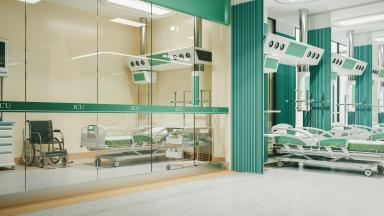
All of this shapes the unit. Equipment comes in every size from infant to adult, and the nurses and doctors work only with children.
Why children are admitted
Breathing trouble. Bronchiolitis in infants, pneumonia, severe asthma and croup lead the list in every season.
Severe infection. Sepsis, meningitis and infections in children whose immunity is low.
The brain. Long seizures, head injury, and coma from any cause.
After surgery. Heart, brain, spine and major abdominal operations, for planned monitoring.
Metabolic emergencies. Diabetic ketoacidosis, severe dehydration and poisoning.
Breathing support has become gentler. In a trial of 1,472 infants with bronchiolitis in the emergency departments and wards of hospitals in Australia and New Zealand, warmed high-flow oxygen through soft nasal prongs was compared with standard oxygen, and 12 percent of the high-flow group needed their care stepped up against 23 percent of the others (Franklin and colleagues, New England Journal of Medicine, 2018). Of the infants who failed on standard oxygen, 61 percent then settled on high flow. Many babies now get through the illness on nasal prongs, awake, feeding, and in a parent's arms.
Sepsis is the opposite case. It demands speed. A survey on five days across 128 pediatric units in 26 countries found severe sepsis in 8.2 percent of the 6,925 children screened, with the chest the source in 40 percent. Three in four needed a ventilator and one in four died, a figure that did not differ between wealthy and poorer countries (Weiss and colleagues, American Journal of Respiratory and Critical Care Medicine, 2015).
What the numbers say
Survival has improved sharply. Recovery afterward now deserves equal attention.
Two findings belong side by side. Start with the encouraging one. Across 44 children's hospitals in the United States, deaths among children coded with severe sepsis or septic shock fell by 10.9 percentage points between 2004 and 2012, even as more cases were recognized (Balamuth and colleagues, Pediatric Critical Care Medicine, 2014). Now the sobering one. In the Melbourne comparison quoted at the top of this page, the share of survivors living with a moderate or severe disability rose from 8.4 percent in 1982 to 17.9 percent in 2005 to 2006, partly because children with very complex conditions who would once have died now survive. The international sepsis survey found at least moderate new disability in 17 percent of survivors. Families should hear both halves. A good unit plans for rehabilitation, schooling and follow-up from the first week, and does not treat discharge from intensive care as the end of its job.
Parents at the bedside
You know your child better than anyone in the building. Use that.
Tell the nurse what is normal for your child, including words, comfort habits and how pain usually shows.
Bring a favorite blanket, toy or recorded song from home.
Touch, hold hands and talk, even when your child is sedated.
Join the morning round and ask for anything unclear to be said again in plain words.
Sleep and eat. A long stay needs parents who are still standing in week two.
This table scrolls sideways on a narrow screen. Swipe or drag to see every column.
What you will see at your child's bed
Equipment
What it does
Does it hurt
Monitor and skin probes
Shows heart rate, breathing, oxygen level and blood pressure
No. Alarms sound often and most need no action
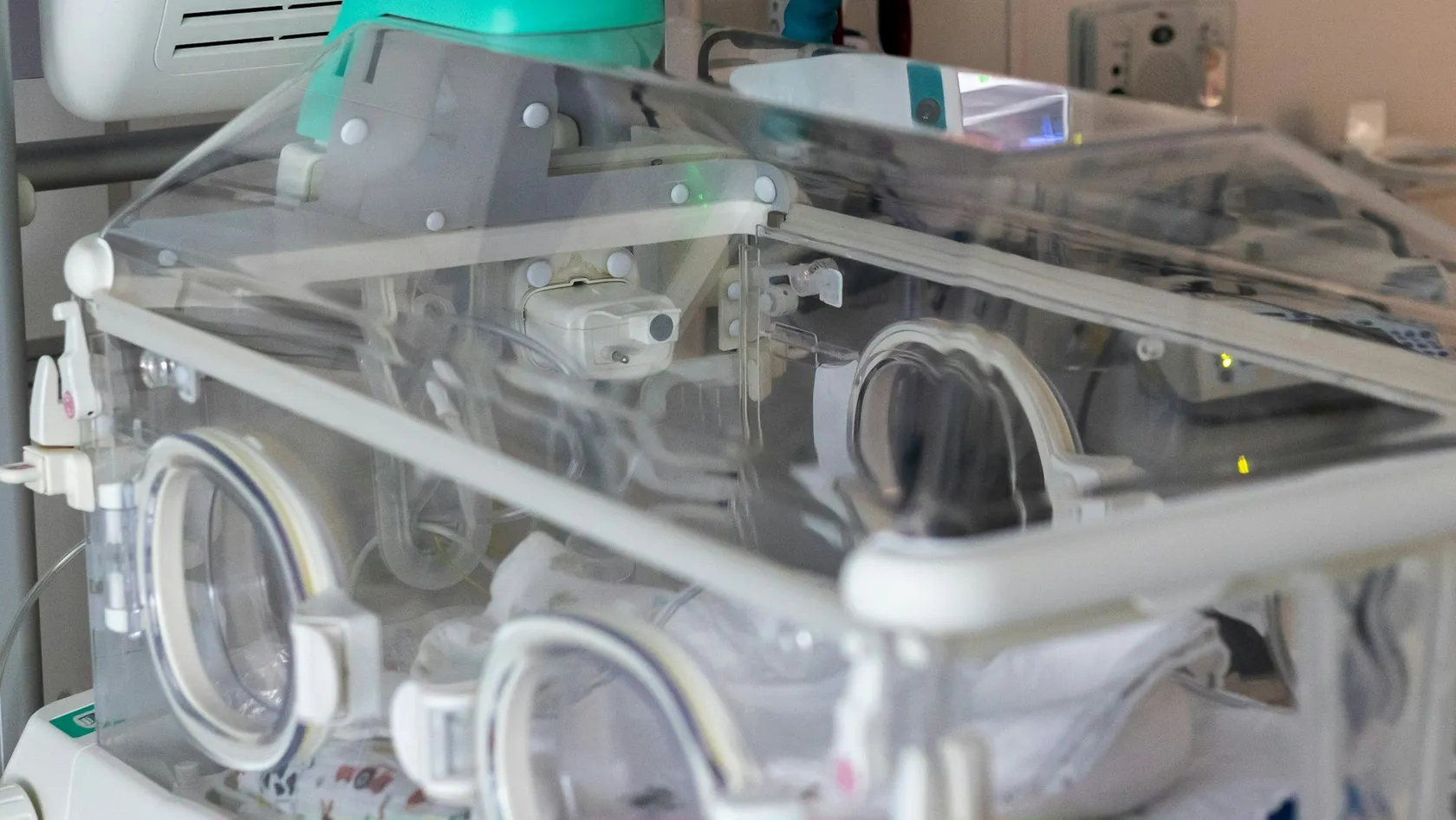
High-flow nasal prongs
Deliver warm, moist oxygen at a steady flow
No. Most babies feed and sleep with them on
Breathing tube and ventilator
Take over the work of breathing
The child receives medicine for comfort and cannot speak or cry aloud while the tube is in
Central line
A longer tube in a large vein for drugs that small veins cannot take
Placed under sedation or anesthetic
Feeding tube
Gives milk or formula through the nose into the stomach
Briefly uncomfortable going in, then not
Brothers and sisters worry too. The nurse will explain how and when they can visit, and a short, prepared visit usually frightens a brother or sister far less than the pictures they have been building in their own heads at home.
After the PICU
Going to the ward feels like the finish line. Parents often find it the hardest week. The nurse who sat at the bed all night now looks after several children, the monitors are fewer, and a child who was calm under sedation turns weak, clingy, angry or unable to sleep as the medicines wear off. None of this means something has gone wrong. Muscles waste quickly in a sick child and return with play and physiotherapy, sedative drugs given for more than a few days are reduced step by step to avoid withdrawal, and nightmares or fear of hospital staff fade in most children over weeks, faster when parents talk about the stay openly and keep routines familiar. Parents carry their own share. Poor sleep and intrusive memories are common in mothers and fathers after a PICU stay, and they deserve the same attention, which starts with telling your own doctor what the family has been through.
Before you leave the hospital, ask for three things in writing, namely the medicines with their stop dates, the follow-up appointments, and the warning signs that should bring you back.
Families from abroad
The international patients office assigns one coordinator with the first message, and that person stays with the family through discharge and answers the same WhatsApp number once you are back home. English, Arabic, French, Russian, Serbian, Romanian and Spanish are spoken in the office, and interpreters are arranged for other languages so that parents hear every explanation and every consent in words they fully understand. The same desk books accommodation near the hospital, airport transfers and daily transport, and it issues the invitation letter that consulates ask for with a visa application. Halal, vegetarian and diabetic meals come from the hospital kitchen, the building has a prayer room, and a request for a female physician is passed to the department and met wherever the rota allows. When the child moves from intensive care to a ward room, a companion bed lets a parent stay the night. Nothing in this list costs extra effort from the family.
To start, send the current medical summary, recent blood tests, imaging reports, the list of medicines and machines in use, and your child's age and weight. A pediatric intensive care doctor reads the file free of charge and replies in writing.
Cost
Days in the unit drive the total. Ventilation, dialysis, blood products, operations and costly anti-infective drugs add to it, and the air ambulance is quoted by the flight company as a separate matter.
In this market a children's intensive care stay is quoted per day with a written list of what the day rate covers. Two questions belong in writing, namely who revises the estimate as the stay lengthens and whether your insurer will be billed directly. Figures given before the doctors have read the file mean little.
References
Namachivayam P, Shann F, Shekerdemian L, et al. Three decades of pediatric intensive care: who was admitted, what happened in intensive care, and what happened afterward. Pediatr Crit Care Med. 2010;11(5):549-555.
Franklin D, Babl FE, Schlapbach LJ, et al. A randomized trial of high-flow oxygen therapy in infants with bronchiolitis. N Engl J Med. 2018;378(12):1121-1131.
Weiss SL, Fitzgerald JC, Pappachan J, et al. Global epidemiology of pediatric severe sepsis: the sepsis prevalence, outcomes, and therapies study. Am J Respir Crit Care Med. 2015;191(10):1147-1157.
Balamuth F, Weiss SL, Neuman MI, et al. Pediatric severe sepsis in U.S. children's hospitals. Pediatr Crit Care Med. 2014;15(9):798-805.
Editor's note
Written by the Biruni Hospital medical editorial team. Reviewed by Assistant Professor Pınar ACAR, Anesthesia and Reanimation.