
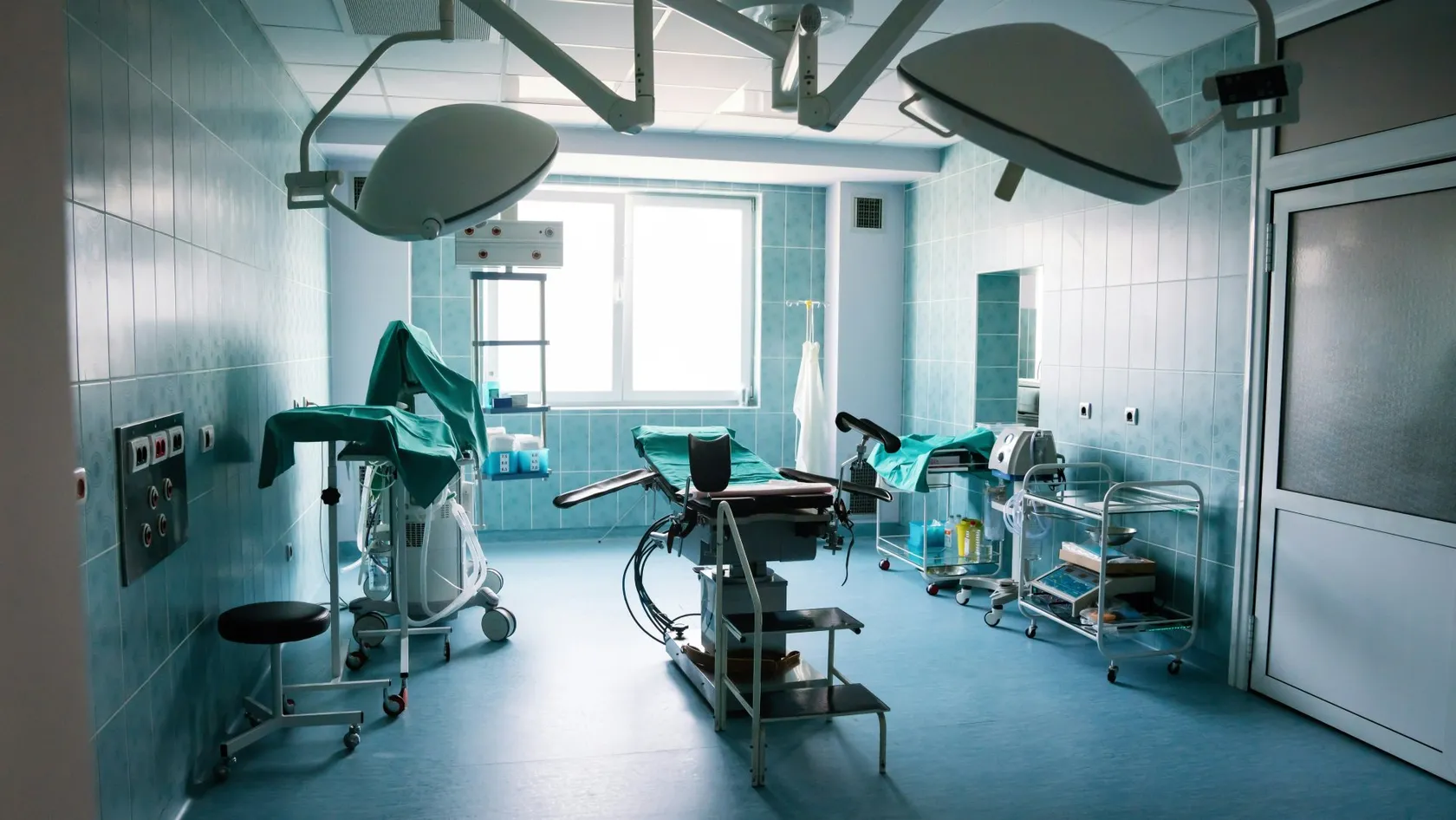
Medical ICU (Medical Intensive Care Unit)
More than eight in ten adults admitted to intensive care leave it alive. This page covers who a medical ICU treats, how the day runs, and how a critically ill relative is flown to Istanbul safely.
About This Department
A move to intensive care means closer treatment. More than eight in ten adults leave the ICU alive.
A medical intensive care unit treats adults whose own illness, such as severe pneumonia, sepsis or kidney failure, has put a vital organ at risk, and it supports those organs while the disease is treated. In the largest international audit, covering 10,069 adults in 730 units across 84 countries, more than eight in ten patients left the ICU alive (Vincent and colleagues, Lancet Respiratory Medicine, 2014). This page covers what the Medical ICU at Biruni Hospital in Istanbul treats, how a critically ill relative is flown here from another country, and what families can expect while they wait.
What a medical ICU treats
Most admissions to a medical ICU fall into a small number of problems. Breathing failure leads the list, caused by pneumonia, a severe asthma or COPD attack, fluid on the lungs or a clot in the lung arteries. Sepsis comes next, meaning an infection that has started to damage organs far from where it began, and in the same international audit 29.5 percent of all intensive care patients had sepsis on admission or during the stay. Then come sudden kidney failure, liver failure, bleeding from the stomach or bowel, dangerous swings in blood sugar and blood salts, poisoning and overdose, and the complications of cancer treatment such as infection while white cell counts are low.
Two of these problems frequently arrive together, and the unit treats them together.
Hospitals divide intensive care by the kind of problem, because the staff, the drugs and the equipment differ from one kind to the next. A surgical unit mostly receives patients after an operation or an injury. In a medical unit the cause is a disease.
This table scrolls sideways on a narrow screen. Swipe or drag to see every column.
| Unit | Who it looks after | Typical reasons for admission |
|---|---|---|
| Medical ICU | Adults made critically ill by a disease | Pneumonia, sepsis, kidney or liver failure, severe metabolic upset |
| Surgical ICU | Adults after a major operation or an injury | Monitoring after long surgery, bleeding, trauma |
| Coronary ICU | Adults with an acute heart problem | Heart attack, dangerous heart rhythm, acute heart failure |
| Neonatal and pediatric ICU | Newborns and children | Prematurity, serious infection, breathing problems in childhood |
Patients move between these units when the problem changes. Someone admitted with pneumonia who then needs an operation passes to the surgical team and back again, and the full record travels with them.
Who looks after the patient
Intensive care medicine has its own specialists. Doctors who lead a medical ICU, called intensivists, train for years in ventilation, circulation support, severe infection and failing kidneys, and they work inside the unit all day.
How a unit is staffed changes who survives. A systematic review in JAMA examined 26 studies that compared two models. Under the first, an intensivist directs the care of every patient or must be consulted on each one, and in the second that input is optional. Hospital mortality was lower under the first model in 16 of 17 studies, with a pooled relative risk of 0.71, and mortality inside the ICU fell further, to a relative risk of 0.61 (Pronovost and colleagues, 2002). Length of stay shortened as well. A family comparing hospitals from another country can turn that finding into one practical request, which is the name of the intensive care specialist responsible for their relative today. Around that doctor works a team. Nurses trained in intensive care carry most of the bedside work, and comparable units report one nurse for every one or two patients. Respiratory therapists or specially trained nurses manage the ventilator. A clinical pharmacist checks each dose against kidney and liver function, a dietitian sets the feeding plan, and physiotherapists start movement early.
The machines at the bedside
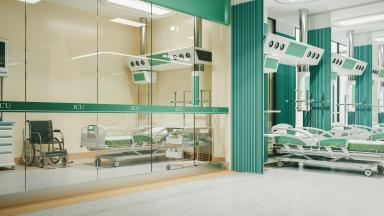
On a first visit the room looks crowded. Each machine has a single job.
Ventilator
Infusion pumps and the central line
Bedside monitor
Dialysis machine
Alarms sound all day. Nearly all of them mean a sensor has slipped or a drip needs changing, and the nurse clears them after a glance.
A few patients with the most severe lung failure need ECMO, a machine that adds oxygen to the blood outside the body, and only specialist centers run it. Ask any hospital directly whether it offers ECMO before planning a transfer that depends on it.
How a day in the unit runs
Care follows a rhythm that repeats every 24 hours. Each morning the team meets at the bedside, reviews every organ system in turn, sets the goals for the day and writes them down. Overnight blood tests are read first.
Modern intensive care has moved away from keeping patients deeply asleep and still. That change has a name, the ABCDEF bundle, and each letter stands for a daily task. Assess and treat pain. Try both a pause in sedation and a trial of breathing without the ventilator. Choose sedative drugs with care. Check for delirium, the sudden confusion that affects many ICU patients, and manage it when it appears. Get the patient moving early, even if the first session means sitting on the edge of the bed with two therapists and the ventilator still attached. Bring the family in. A study of 15,226 adults in 68 intensive care units found that on days when patients received every part of the bundle they were eligible for, death in hospital within seven days was less likely, with an adjusted hazard ratio of 0.32, and so were next-day ventilation, coma, delirium and physical restraint (Pun and colleagues, Critical Care Medicine, 2019). Those patients also came back to the ICU less and went home, and not to a care facility, more.
So a sedated relative who is woken each morning is being treated well.
Families, visiting and language
International guidelines on family-centered care, written by a panel of 29 specialists for the Society of Critical Care Medicine, recommend that relatives be offered open or flexible presence at the bedside and a place in the daily round (Davidson and colleagues, Critical Care Medicine, 2017).
Infection control still sets limits. Expect hand cleaning at the door, one or two visitors at a time, gowns and masks for some patients, and short waits outside while procedures are done.
At Biruni Hospital a coordinator from the international patients team is assigned from the first message and stays with the family until discharge. That team works in English, Arabic, French, Russian, Serbian, Romanian and Spanish and arranges interpreters for other languages on request, which matters most during the doctor's daily update and any conversation on consent. A request for a female physician goes to the department and is met wherever the rota allows, so mention it in your first message. Relatives who fly in have practical needs of their own. The international patients office arranges their accommodation, their airport transfer and transport between hotel and hospital, and it issues the invitation letter that most consulates request with a visa application. Halal, vegetarian and diabetic meals come from the hospital kitchen. A prayer room is on site. Once the patient leaves intensive care for a ward room, that room has a companion bed, so one family member stays overnight for the remainder of the admission.
Moving a critically ill patient to Istanbul
Every international transfer starts with one decision. Is the patient stable enough to travel.
Doctors treating the patient now and the medical director of the transport company make that decision together, and they record it in a written fit-to-fly statement. Uncontrolled bleeding, a blood pressure that needs rising doses of drugs to hold, or an urgent procedure still to come all mean waiting. A ventilator alone does not rule out a flight. Medical transport companies working to and from Turkey describe three levels of service. A dedicated air ambulance is a small jet fitted as a flying intensive care bed, with a ventilator, monitors, infusion pumps and a doctor and nurse trained in flight medicine, and its cabin can hold sea-level pressure for patients whose lungs cannot tolerate thinner air. A stretcher on a scheduled airline with a medical escort suits patients who are stable but cannot sit. A seated flight with a nurse or doctor escort suits those further along in recovery. Providers sell all three bed to bed, meaning a ground ambulance collects the patient from the sending ward and another delivers them to the receiving unit, and these companies report that a flight can leave on the day of booking when the patient's condition and the paperwork allow.
No aircraft is booked until the receiving unit accepts the patient, which means an intensive care doctor reads the file and the hospital confirms the admission in writing, a document that transport companies and insurers both ask to see.
Paperwork sets the timing more than aircraft do. The sending hospital has to release the patient with a medical summary, the insurer or the family has to authorize the flight, and relatives traveling separately sometimes need a visa first. On arrival the ambulance crew hands over at the bedside to the intensive care team, with the drug infusions still running and the ventilator settings written down, and the first hours go to fresh blood tests, cultures and imaging so that treatment rests on current results.
Nobody should book a flight before that written acceptance exists.
What intensive care cannot do
Intensive care supports failing organs while the disease underneath is treated. It buys time. When that disease cannot be reversed, no machine changes the outcome, and a good unit tells the family so early and in clear words.
Sepsis shows the scale of the challenge. In the ICON audit, mortality in the ICU reached 16.2 percent across all patients and 25.8 percent among those with sepsis, and the risk differed between hospitals and between countries even after allowing for how sick the patients were.
A long stay brings problems of its own, and every unit works each day to prevent them.
Transfer carries risk too. A patient who is improving where they are, in a unit with the right skills, is sometimes better served by staying, and a careful review of the file should say so.
After the ICU, and the flight home
Figures reported for medical ICUs put the median stay at two days and the average nearer three and a half. Recovery then continues on a ward, and a patient who spent weeks on a ventilator needs longer at every later stage.
Survivors of critical illness frequently notice problems that were absent before. Weakness, poor sleep, trouble concentrating, low mood, vivid memories of the unit. A conference of the Society of Critical Care Medicine gave this cluster a name in 2012, post-intensive care syndrome, and noted that it affects family members as well as patients (Needham and colleagues, Critical Care Medicine, 2012). Knowing the name helps, because a doctor at home can then look for it and refer to physiotherapy, psychology or a memory clinic.
Clearance to fly home comes from the ward doctor, in writing, and depends on oxygen needs above all, so anyone who still needs extra oxygen at rest must arrange it with the airline in advance or travel with a medical escort. Request the discharge summary, the drug list and the latest results in English before leaving, and hand copies to your own doctor in the first week.
Once you are back home, your coordinator stays reachable on the same WhatsApp number.
New breathlessness, fever, confusion, chest pain or a swollen, painful calf need a local doctor the same day. Do not wait for a reply from abroad.
What decides the cost of an ICU stay
An intensive care bill follows what the patient turns out to need, so no figure means much before a doctor has read the file. Days in the unit count most. After that come days on a ventilator, dialysis, the antibiotics and antifungal drugs chosen, blood products, isolation for resistant infections, and imaging such as CT. Each one raises the total, and none is known on the first day.
Hospitals in this market quote intensive care by the day, and their published terms list what the daily rate covers, in most quotes the bed, nursing, monitoring and routine tests, and what is billed separately, mainly drugs, blood products, dialysis, procedures and specialist visits. The transport company quotes air transport separately.
Four questions make a quote readable. What does the daily rate include. Are ventilation and dialysis inside it. How are drugs billed. Who updates the estimate if the stay runs longer than planned.
Travel insurers and assistance companies pay many international ICU stays directly, against a guarantee of payment sent to the hospital, so give the hospital your insurer's name, policy number and case number as early as you can. A real estimate starts with the review of reports, which is free.
What to send for an assessment
- The latest ICU summary or daily progress note
- Ventilator mode and oxygen percentage, or the oxygen flow if there is no ventilator
- Drugs supporting blood pressure, with their current doses
- Blood results from the last 48 hours, including blood gas, kidney function and lactate
- Culture results and current antibiotics
- Reports of the most recent chest X-ray, CT or ultrasound
- Your insurer or assistance company and the case number, if you have one
Phone photographs of the chart are enough to begin. Send them by WhatsApp or e-mail and say which language you prefer.
Medical ICU FAQ
What is the difference between a medical ICU and a regular ICU?
Does being in the ICU mean life support?
How long do patients stay in a medical intensive care unit?
Can a patient on a ventilator be flown to Istanbul?
Will the doctors and nurses speak our language?
Where do family members stay while a relative is in intensive care?
References
- Vincent JL, Marshall JC, Namendys-Silva SA, et al. Assessment of the worldwide burden of critical illness: the intensive care over nations (ICON) audit. Lancet Respir Med. 2014;2(5):380-386.
- Pronovost PJ, Angus DC, Dorman T, Robinson KA, Dremsizov TT, Young TL. Physician staffing patterns and clinical outcomes in critically ill patients: a systematic review. JAMA. 2002;288(17):2151-2162.
- Pun BT, Balas MC, Barnes-Daly MA, et al. Caring for Critically Ill Patients with the ABCDEF Bundle: Results of the ICU Liberation Collaborative in Over 15,000 Adults. Crit Care Med. 2019;47(1):3-14.
- Davidson JE, Aslakson RA, Long AC, et al. Guidelines for Family-Centered Care in the Neonatal, Pediatric, and Adult ICU. Crit Care Med. 2017;45(1):103-128.
- Needham DM, Davidson J, Cohen H, et al. Improving long-term outcomes after discharge from intensive care unit: report from a stakeholders' conference. Crit Care Med. 2012;40(2):502-509.
Editor's note
Written by the Biruni Hospital medical editorial team. Reviewed by Assoc. Prof. Dr. Selçuk ALVER, Anesthesia and Reanimation.
Medically reviewed by
Assoc. Prof. Dr. Selçuk ALVER
Anesthesia and Reanimation
Related Treatments
View All
Bone Marrow Transplant Unit (BMT Unit)
Between the mid 1990s and the mid 2000s, death within 200 days of an allogeneic transplant that was not caused by relapse fell by 60 percent, and almost none of that came from a new drug. This page is about the part nobody photographs, meaning the filtered room, the rules that have evidence behind them and the ones that do not, the laboratory chain behind the cells, and what a family can actually do.
Burn ICU (Burn Intensive Care Unit)
Age, burn size and smoke inhalation are the three numbers that set the outlook after a major burn. This page walks through fluids, early surgery and grafting, the long healing phase, and when a burn patient can be flown abroad.

Burn Unit (Burn Center)
Burn care runs on one figure, the percentage of the body surface burned, and a systematic review of 28 studies found that referring hospitals overestimate it in half or more of cases. Fluid volume, the transfer decision and the survival estimate are all calculated from that number, which is why this page starts with how it is measured and who should be measuring it.

Cancer Pain Management Unit
The Cancer Pain Management Unit at Biruni Hospital in Istanbul treats pain caused by cancer and by its treatment. Two in three people with advanced cancer report pain, and reviews show nearly one in three receive medication too weak for it. The unit uses stepwise medicines, radiotherapy for bone pain, nerve blocks and spinal pumps, and plans follow-up for patients who return home abroad. The pain team reviews reports and current medicines free of charge.
Cancer Patient ICU Care
Cancer once counted as a reason not to offer an intensive care bed at all. Pooled data from 7,354 critically ill cancer patients retired that rule, and the argument now is about which patient, for what, and how long full support runs before anybody formally reassesses it.