Inpatient care for international patients at Biruni Hospital in Istanbul plans language, travel, family, meals and follow-up alongside the medical treatment. Research on 3,071 hospital patients found that those without a professional interpreter stayed up to 1.47 days longer. One coordinator stays with each patient from the first message through discharge, the office works in seven languages, and specialists review reports free of charge before travel.
About This Department
International patients
Hospital patients who had a professional interpreter at admission and at discharge went home up to a day and a half sooner. Readmission within 30 days was less common too.
Being admitted to a hospital is unsettling at home. Abroad, in a language you do not speak, it is harder, and the research shows the difficulty is more than discomfort. The finding above comes from 3,071 patients with limited English admitted to a teaching hospital in Massachusetts over three years, where those without professional interpretation stayed between 0.75 and 1.47 days longer (Lindholm and colleagues, Journal of General Internal Medicine, 2012). Inpatient care for international patients is organized around that lesson. This page explains how an admission to Biruni Hospital in Istanbul works for someone arriving from another country, from the first message to the weeks after the flight home.
1.47
Extra days in the hospital, at most, for patients admitted without an interpreter
49.1
Percent of adverse events causing physical harm among patients with a language barrier, against 29.5
7
Languages spoken in the international patients office, with interpreters for others
International patient inpatient care means a hospital admission in which language, travel, family, food, paperwork and follow-up across borders are planned alongside the medical treatment.
Every patient on the ward receives the same medicine. Everything around it differs. A local patient goes home to a family doctor who speaks the same language, reads the same discharge letter and works under the same rules as the hospital. A patient from abroad flies to a different health system, often within days of an operation, carrying documents that somebody there has to understand. Relatives sleep in a hotel room. Meals, prayer and privacy follow customs the ward may not share. One coordinator from the international patients office is assigned to each patient with the first message, stays through discharge, and answers the same WhatsApp number afterward, so that none of this falls to the patient to solve from a hospital bed. That single point of contact sounds like a convenience, and in practice it works as a safety measure, because requests, questions and worries that would otherwise be lost between shifts and languages reach one person who knows the whole story.
It costs nothing extra to ask.
Why language comes first
In six hospitals in the United States, 49.1 percent of adverse events among patients with a language barrier involved physical harm, against 29.5 percent among patients who spoke English.
That study, run with the Joint Commission, also found that communication errors lay behind 52.4 percent of the events in the first group and 35.9 percent in the second (Divi and colleagues, International Journal for Quality in Health Care, 2007). Consent, allergies, the drug list and the warning signs to report are all spoken information. When they pass through a relative, a bilingual stranger or a phone app, parts go missing.
Professional interpreters bring the quality of care for patients with a language barrier close to, or level with, that of patients without one.
So concluded a systematic review of 28 studies, which set trained interpreters against untrained helpers and found fewer errors, better understanding, more appropriate use of services, better clinical outcomes and higher satisfaction (Karliner and colleagues, Health Services Research, 2007). An earlier review of 36 studies reached the same verdict and added that relatives and untrained staff make more errors of clinical consequence (Flores, Medical Care Research and Review, 2005). At Biruni Hospital the international patients office works in English, Arabic, French, Russian, Serbian, Romanian and Spanish, and it books interpreters for other languages. The two moments that matter most are admission, when the history and consent are taken, and discharge, when the instructions are given. Ask for the interpreter at both. A relative who speaks some English is a comfort and a poor substitute. Relatives soften bad news, skip words they do not know and answer on the patient's behalf, all with the best intentions, and a patient has the right to hear the doctor's exact meaning and to answer privately. Children should never interpret for a parent.
Consent and records
Consent is a conversation before it is a signature. The doctor explains what is proposed, why, what it involves, the risks that matter, the alternatives including doing nothing, and what recovery looks like, and the patient repeats it back in their own words so that both sides know it was understood. With an interpreter present this takes longer, and the time is well spent. Patients from abroad should expect the form itself in a language they read, or read aloud to them line by line, and they are free to take it away overnight when the treatment has been planned in advance. Bring your questions written down. People forget half of them once the doctor is in the room, and a relative who takes notes doubles what the family remembers afterward. Nobody should sign for an operation they could not describe to a friend. The same standard applies to anesthesia, to blood transfusion and to any photograph or recording, each of which has its own form.
Records travel badly between countries. Request the summary in English, medicines by generic name, and the operation note and pathology report in full.
Questions before you come
About the stay
Who is my contact during the admission?
One coordinator from the international patients office, assigned when you first write. The same person meets you, follows the stay and remains reachable on WhatsApp once you are back home.
Will the doctors know my history before I arrive?
Yes, if you send your reports first. The relevant specialists review them free of charge and reply in writing, so the plan is agreed before you book a flight.
Can I ask for a female physician?
Yes. The department meets the request wherever the rota allows, and it helps a great deal to say so in your first message, before the admission is scheduled.
About family and daily life
Can a relative stay with me?
Ward rooms have a companion bed, and one relative can stay overnight. In intensive care, visits are shorter and the companion bed is used once you return to the ward.
What about food and prayer?
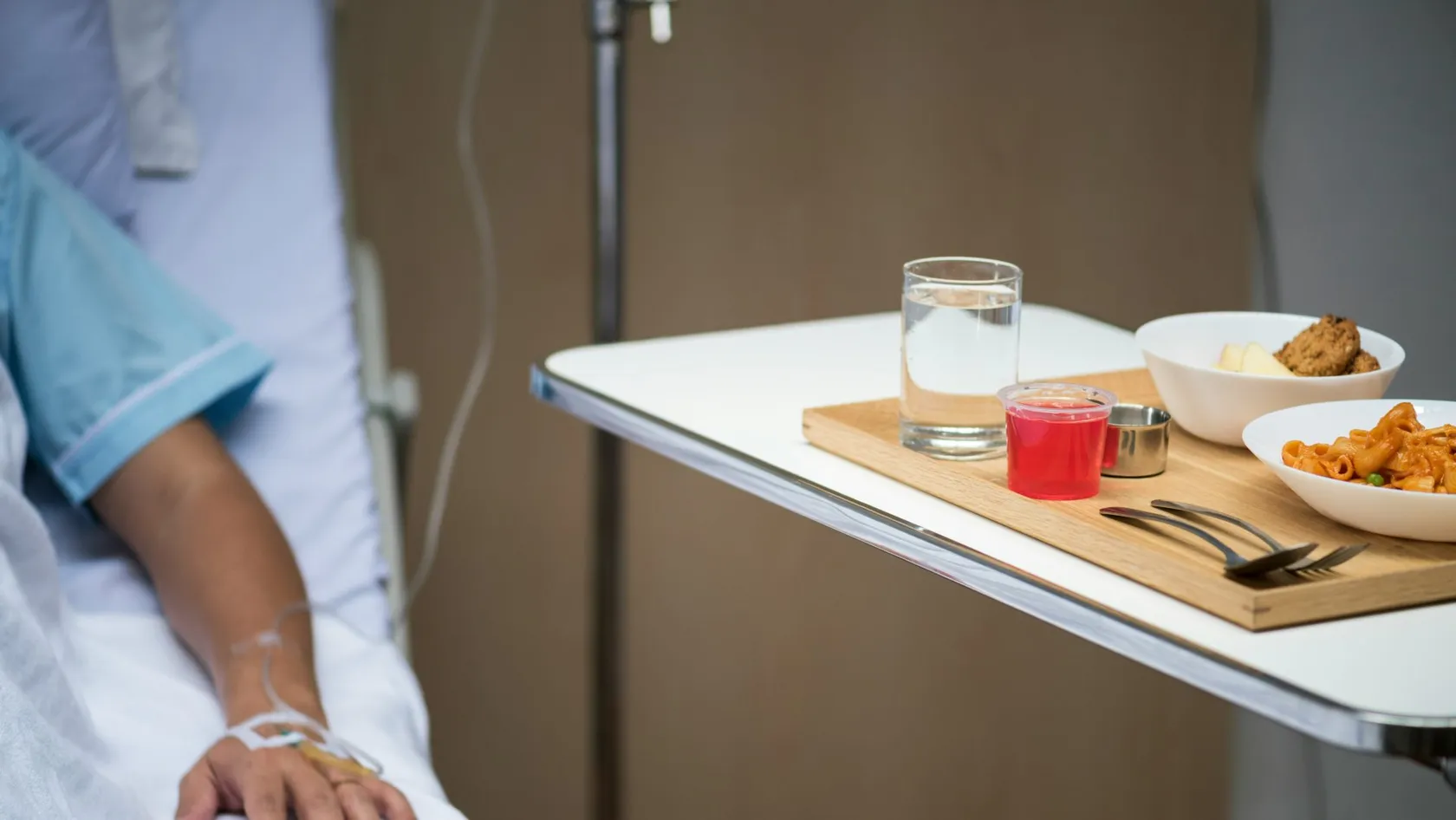
The hospital kitchen prepares halal, vegetarian and diabetic meals, and a prayer room is on site. Tell the coordinator about allergies and other dietary needs before admission.
Where does my family stay?
The office arranges accommodation near the hospital, along with airport transfers and daily transport between the two.
What to send, what is arranged
A complete file shortens everything that follows. Send these by WhatsApp or email.
The latest letter or discharge summary from your doctor, in any language.
Imaging reports, and the images themselves on a link or disc if you have them.
Recent blood tests and any pathology report.
Every medicine you take, with doses, including blood thinners and supplements.
Allergies, implants such as pacemakers, and past operations.
Passport details for the invitation letter, and insurance details if an insurer is paying.
This table scrolls sideways on a narrow screen. Swipe or drag to see every column.
What the international patients office arranges
Item
When
Note
Review of reports
Before travel
Free of charge, answered in writing
Invitation letter
Before travel
Requested by consulates with a visa application
Airport transfer
Arrival and departure
Give flight numbers once booked
Accommodation for relatives
Whole stay
Near the hospital
Daily transport
Whole stay
Between accommodation and hospital
Interpreter
Admission, consent, ward rounds, discharge
Seven languages in the office, others booked on request
The stay, stage by stage
1
Before you fly
The written plan names the treatment, the expected nights in the hospital and the days to remain in Istanbul afterward. Book a flexible return ticket.
2
Arrival
The coordinator arranges the transfer from the airport. Tests that must be repeated are done before or on the day of admission.
3
Admission day
History, examination, consent and the drug list are gone through with an interpreter. Ask every question now, however small.
4
On the ward
Doctors visit daily. The coordinator checks in, passes on requests about meals, visitors and a female physician, and keeps relatives informed with your permission.
5
Discharge
You leave with a summary in English, the list of medicines by generic name, copies of images and results, and warning signs explained in your own language.
6
Back home
Questions go to the same WhatsApp number. Hand the summary to your own doctor in the first week.
Flying home
Leaving the hospital and being ready to fly are two separate decisions. Cabin air is thin and dry, seats are cramped, and help is hours away, so surgeons ask patients to stay in the city for a period after discharge that ranges from a few days after minor procedures to several weeks after major operations on the chest, abdomen, brain or joints. The treating doctor sets the date and confirms in writing that you are fit to fly, a document some airlines and insurers ask to see. On the flight, walk the aisle every hour or two, drink water, keep medicines and the discharge summary in hand luggage, and wear compression stockings if they were prescribed. Request wheelchair assistance when booking. It spares energy you will want later. Travel with a companion if at all possible, choose a direct flight over a cheaper one with a connection, and allow a rest day at home before visitors arrive.
Plan the first appointment at home before you leave Istanbul. Stitches, dressings, blood tests and the next prescription all need a local doctor who has been told what to expect, and the simplest way to arrange that is to email the discharge summary ahead and book the visit for the first week, while the coordinator remains available on WhatsApp for anything in the summary that your doctor wants clarified.
Cost and insurance
An estimate follows the review of your reports and lists what it includes, namely the procedure, a stated number of nights, routine tests and medicines on the ward. Extra nights, intensive care and implants change a final bill.
If an insurer or a sponsoring institution is paying, send the policy or guarantee letter early so the office can confirm cover with them before admission. Keep copies of everything you sign. Patients paying for themselves should ask which payment methods the hospital accepts and whether a deposit is taken at admission, and should confirm with their bank before traveling that a large payment abroad will go through.
References
Lindholm M, Hargraves JL, Ferguson WJ, Reed G. Professional language interpretation and inpatient length of stay and readmission rates. J Gen Intern Med. 2012;27(10):1294-1299.
Divi C, Koss RG, Schmaltz SP, Loeb JM. Language proficiency and adverse events in US hospitals: a pilot study. Int J Qual Health Care. 2007;19(2):60-67.
Karliner LS, Jacobs EA, Chen AH, Mutha S. Do professional interpreters improve clinical care for patients with limited English proficiency? A systematic review of the literature. Health Serv Res. 2007;42(2):727-754.
Flores G. The impact of medical interpreter services on the quality of health care: a systematic review. Med Care Res Rev. 2005;62(3):255-299.
Editor's note
Written by the Biruni Hospital medical editorial team. Reviewed by Assistant Professor Pınar ACAR, Anesthesia and Reanimation.