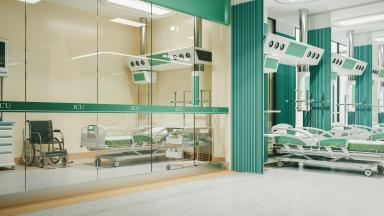
The Department of Critical Care Medicine at Biruni Hospital in Istanbul treats adults whose lungs, heart, kidneys or brain need support, across Medical, Surgical, Cardiac, Burn, Oncology and Transplant ICUs. In a study of 2,731 patients with septic shock, antibiotics in the first hour meant 79.9 percent survival, and each hour of delay cost 7.6 percent. Families are supported in seven languages, and an intensivist reviews the file free of charge.
About This Department
Critical care medicine
In septic shock, antibiotics within the first hour meant 79.9 percent survival. Every hour of delay after that cost another 7.6 percent.
Critical care medicine is the specialty that treats people whose lungs, heart, kidneys or brain can no longer manage without support. Its doctors are called intensivists, and their work is measured in hours. The figures above come from a study of 2,731 adults with septic shock in 14 intensive care units in Canada and the United States, where the time to the first effective antibiotic predicted survival better than any other factor measured (Kumar and colleagues, Critical Care Medicine, 2006). This page explains how the Department of Critical Care Medicine at Biruni Hospital in Istanbul is organized, which units it runs, what the research says about good intensive care, and how a family abroad can have a file reviewed.
79.9
Percent survival when antibiotics began in the first hour of septic shock
31.0
Percent mortality with gentle ventilator settings, against 39.8 with traditional ones
59
Percent walking independently at discharge after early therapy, against 35
Free
Review of the file by an intensivist and the relevant specialist
The branch of medicine that supports failing organs with machines and drugs while the underlying illness is treated. Intensive care and critical care mean the same thing.
What is an intensivist?
A physician who trained first in anesthesiology, internal medicine, surgery or a related field and then completed further training in intensive care. The intensivist leads the unit team and coordinates every other specialist involved.
Which patients does the department treat?
Adults with severe infection, breathing failure, shock, major bleeding, kidney failure, serious injury or burns, and patients recovering from major heart, cancer or transplant surgery.
Can family visit?
Yes. Visits are short, one or two people at a time, with hand washing at the door. After the patient moves to a ward room, one relative stays overnight on the companion bed.
Can a patient be transferred to Istanbul from another country?
Yes, by air ambulance, once the treating doctors and the flight medical team agree in writing that the journey is safe. Biruni Hospital reviews the file free of charge before any flight is booked.
The units
One department runs six units. Staff, protocols and equipment standards are shared, and each unit keeps the habits its patients need.
Medical ICU
Severe pneumonia, sepsis, kidney failure, poisoning and flare-ups of chronic lung or liver disease come here.
Surgical ICU
Planned monitoring after long operations, and the treatment of bleeding, leaks and infection when surgery does not go to plan.
Cardiac ICU
Heart attacks, dangerous rhythms, heart failure and the first nights after heart surgery.
Burn ICU
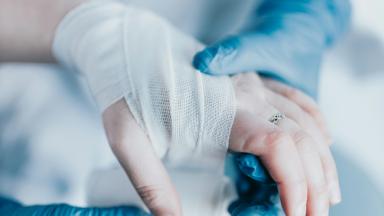
Large burns, which need fluid by the hour, early surgery, and then many weeks of strict infection control with dressing changes under sedation.
Oncology ICU
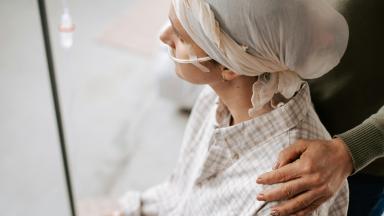
Infection during chemotherapy, breathing failure and recovery after major cancer operations, with oncologists at the same bedside.
Transplant ICU
The first days with a new organ, and later admissions for infection or rejection.
An intensivist's day
Morning rounds set the plan. At each bed the intensivist, the nurse, the pharmacist and the physiotherapist go through the same list, which covers the ventilator and whether the patient is ready for less of it today, sedation and whether to lighten it, blood pressure drugs, kidney function, nutrition, lines and catheters that might come out, blood clot prevention, and what the family has been told. Nothing on that list looks dramatic. The drama in intensive care, when it comes, arrives at three in the morning with a falling blood pressure, and the outcome of that night depends heavily on whether the dull list was done properly the day before. A catheter removed on time prevents an infection. Sedation lightened at noon is a patient who coughs for himself at midnight. Good units are recognizable by this discipline more than by their equipment, and it is the reason the specialty insists on a dedicated doctor who stays in the unit instead of visiting it between other duties.
Families meet the intensivist daily. Expect plain language, a straight account of what is better and what is worse, and honesty on the days when nobody knows yet.
Three trials
Intensive care changed more through a handful of trials than through any new machine.
This table scrolls sideways on a narrow screen. Swipe or drag to see every column.
Three studies behind everyday practice in intensive care
Study
What was compared
Result
Kumar, 2006
Time from low blood pressure to the first effective antibiotic in 2,731 patients with septic shock
79.9 percent survival inside the first hour, falling by 7.6 percent for each hour of delay over the next six
ARDS Network, 2000
Breaths of 6 against 12 milliliters per kilogram in 861 patients with severe lung injury
Mortality of 31.0 percent against 39.8 percent, and the trial was stopped early
Schweickert, 2009
Physical and occupational therapy from the first days on a ventilator in 104 patients
59 percent against 35 percent walking and caring for themselves at discharge, with delirium lasting two days against four
Two of these three results came from doing less. Smaller breaths. Lighter sedation.
Look at what the winning side did in each. In the antibiotic study, the median wait for an effective drug was six hours, and only half of patients had received one by then, so the gain came from speed and organization, with no new drug involved. In the ventilator trial the better result came from smaller breaths that stretch the lung less, which meant accepting blood gas numbers that looked worse on paper. And in the therapy trial patients were woken every day and helped to sit, stand and walk while still attached to a ventilator, with one serious event in 498 sessions. Protocols built on these findings are now standard in well-run units everywhere. A family is entitled to ask about each of them by name, and the three questions are whether antibiotics went in during the first hour, whether the ventilator is set to six milliliters per kilogram, and whether sedation is paused every day so that therapy begins early.
When to ask for an intensive care opinion
Relatives often sense trouble before the chart shows it. Four changes on a hospital ward deserve a direct request for the intensive care doctor to see the patient, and they are faster or more labored breathing, new confusion or unusual sleepiness, a drop in urine through the day, and blood pressure that keeps needing extra fluid. None of them proves that intensive care is needed. Each takes a minute to check. Early warning scores used by ward nurses are built from the same signs, and the septic shock study quoted at the top of this page shows what the hours are worth once blood pressure has started to fall. Ask once, politely, and ask who is coming and when. For a relative in a hospital abroad, the same list is a good moment to send the file for a second opinion.
Life afterward
Leaving the unit marks the halfway point. Researchers in Toronto examined 109 survivors of severe lung failure repeatedly for five years (Herridge and colleagues, New England Journal of Medicine, 2011). Their lungs had recovered to normal or near normal. Their legs had not. The median distance walked in six minutes was 436 meters, 76 percent of what was predicted for their age, and physical quality of life stayed below the population norm, with younger patients recovering faster than older ones.
The lungs heal. Muscle, mood and memory take longer, and they are the reason follow-up matters.
A sound discharge plan covers the points below.
Physiotherapy that continues on the ward and at home.
A written list of drugs started in the unit, with a note of which ones should stop.
Attention to sleep, low mood and bad memories of the stay, which are common and treatable.
A named contact for questions once you are back home.
Families from abroad
Distance makes a critical illness harder. The international patients office gives each family one coordinator, assigned with the first message and present through discharge, whose WhatsApp number still answers once you are back home. English, Arabic, French, Russian, Serbian, Romanian and Spanish are spoken in the office and interpreters are booked for other languages, which means the daily talk with the intensivist takes place in words every relative follows, including on the difficult days when decisions about continuing or limiting treatment have to be shared. Practical matters run through the same desk. It books a place to stay close to the hospital, the airport pickup and the daily rides, and it issues the invitation letter a consulate wants to see with a visa file. The kitchen prepares halal, vegetarian and diabetic menus. The building has a prayer room. Anyone who prefers a female physician should say so early, and the department meets the request wherever the rota allows. On the ward, a companion bed lets one relative stay the night.
Cancer patients stay in one place throughout, since chemotherapy and radiotherapy are given on the same site.
Cost
Length of stay decides most of it. Days on a ventilator, dialysis, blood products, costly antibiotics and antifungals, and any operation during the stay account for the rest, and nobody knows them on the first day.
Across this market the usual quotation is a rate per day plus a schedule of what that rate includes. Medicines, transfusions, dialysis sessions and procedures are billed on top under nearly all published terms. Three questions are worth putting in writing before a transfer, namely who revises the estimate as the stay lengthens, how often the family receives it, and whether the insurer or assistance company will be billed directly. Send those details on day one.
Sending a file
The review costs nothing and takes three steps.
1
Send the reports
The current intensive care summary, recent blood tests, imaging reports and a list of drugs and machines in use, by WhatsApp or email.
2
Two doctors read it
An intensivist and the specialist for the underlying illness go through the file together.
3
A written reply
It states whether the department can offer something more, whether the patient is fit to travel, and how a transfer would be arranged.
References
Kumar A, Roberts D, Wood KE, et al. Duration of hypotension before initiation of effective antimicrobial therapy is the critical determinant of survival in human septic shock. Crit Care Med. 2006;34(6):1589-1596.
Acute Respiratory Distress Syndrome Network. Ventilation with lower tidal volumes as compared with traditional tidal volumes for acute lung injury and the acute respiratory distress syndrome. N Engl J Med. 2000;342(18):1301-1308.
Schweickert WD, Pohlman MC, Pohlman AS, et al. Early physical and occupational therapy in mechanically ventilated, critically ill patients: a randomised controlled trial. Lancet. 2009;373(9678):1874-1882.
Herridge MS, Tansey CM, Matte A, et al. Functional disability 5 years after acute respiratory distress syndrome. N Engl J Med. 2011;364(14):1293-1304.
Editor's note
Written by the Biruni Hospital medical editorial team. Reviewed by Assistant Professor Pınar ACAR, Anesthesia and Reanimation.