
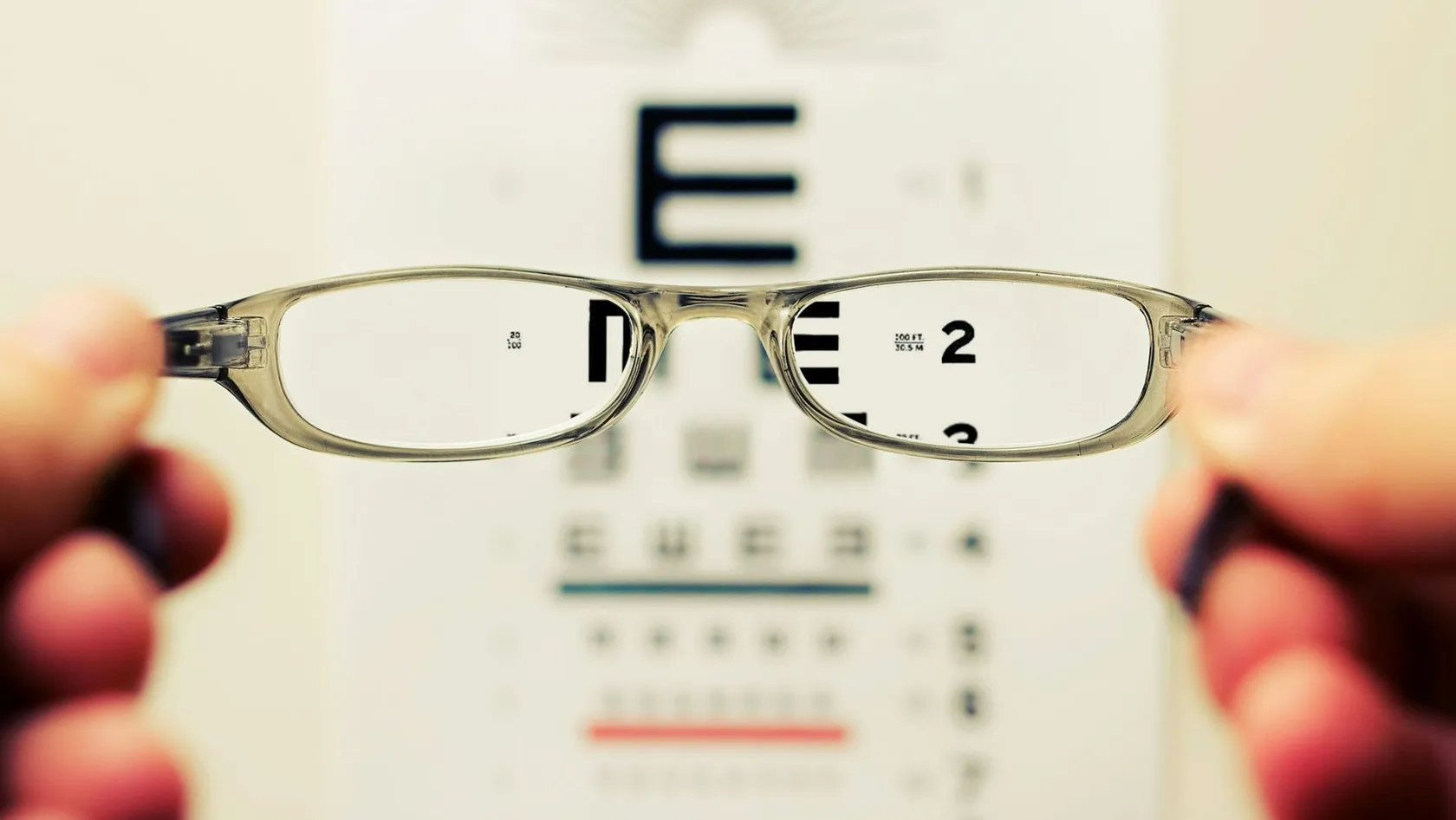
Ophthalmology Center
Biruni Hospital's ophthalmology center in Istanbul covers LASIK, cataract, glaucoma and retina surgery, with each trip planned around the follow-up checks.
Let us call you
Send us your contact information and we will call you as soon as possible.
About This Center
Eye surgery far from home is safe when the trip is built around the follow-up checks rather than around the return flight. That is how the Ophthalmology Center at Biruni Hospital in Istanbul plans every international case: the operation date is fixed first, then the examinations that follow it, and only then the flight home. Which operation you need decides everything else, because the four procedures performed here ask for very different trips.
Free consultation
A written eye surgery opinion before you book any flight
The review is free and without obligation: send your current glasses or lens prescription, any eye clinic reports, and for cataract or retina cases the examination findings or OCT report if you have them, and an ophthalmologist replies in writing with whether surgery is indicated, which operation, and how the trip would be scheduled around the follow-up checks.
What the Ophthalmology Center treats
The Ophthalmology Center at Biruni Hospital performs four groups of eye operations: laser refractive surgery (LASIK) to correct glasses prescriptions, cataract surgery with intraocular lens implantation, glaucoma surgery including trabeculectomy, tube shunts and minimally invasive glaucoma surgery, and vitrectomy for retinal conditions such as retinal detachment and macular holes. All of them run inside a university hospital with anesthesiology and intensive care on site, which matters most for older cataract and retina patients whose heart or lung conditions need watching around an operation.
Two subjects deliberately sit outside this page. Medically unproven stem cell offerings for retinal disease belong to the Stem Cell Center and the honesty framework described there, and routine eye care for children is arranged through the Children's Health Center.
The four operations, and the days each one asks for
Each operation below closes with the same two practical facts: how long you stay in Istanbul, and when flying is normally cleared. Those two numbers shape the trip more than the surgery does.
LASIK in Turkey, and who is told no
LASIK reshapes the cornea with a laser so that distance vision no longer depends on glasses or contact lenses. The evidence behind it is unusually strong for an elective operation. A 2016 review in the Journal of Cataract and Refractive Surgery pooled 97 articles covering 67,893 eyes treated between 2008 and 2015: 99.5 percent of eyes reached uncorrected distance vision of 20/40 or better, and 98.6 percent landed within 1.0 diopter of the intended correction.
Read the same review honestly and the reason for candidacy screening appears. Some 1.2 percent of patients were dissatisfied with their result, roughly one in 80, and 0.61 percent of eyes, about one in 160, lost two or more lines of best-corrected vision. Numbers that good are produced by refusing the wrong eyes.
Screening at the ophthalmology center therefore examines corneal thickness and corneal shape, whether your prescription has been stable, dry eye, and your age. Thin or irregular corneas, an unstable prescription and significant dry eye are told no, and the conversation moves to alternatives instead: surface ablation, lens-based correction, or simply keeping glasses. A refusal costs the center a patient and spares that patient a complication.
Typical stay in Istanbul: three to four days; flying is normally cleared a day or two after the first follow-up examination, confirmed individually by the surgical team.
Cataract surgery in Istanbul, one eye or both
Cataract surgery replaces the eye's clouded natural lens with an artificial intraocular lens. For a traveler the deciding question is whether both eyes can be treated in one visit, and since 2023 that question has a trial-grade answer: the BICAT-NL trial in The Lancet randomized 865 patients and found same-day surgery on both eyes non-inferior to separate days for refractive outcome, 97 versus 98 percent of eyes within 1.0 diopter of target, with no endophthalmitis in either group and comparable adverse events.
Selection is the point. The trial enrolled patients expected to have uncomplicated surgery and no elevated infection risk, and the center applies the same logic: both eyes in one visit is offered to well-selected patients, while a case outside those criteria is operated in stages even when that lengthens the trip.
Lens choice moves both the price and the expectations conversation. A monofocal lens gives sharp distance vision with reading glasses afterward; multifocal and toric lenses cost more and suit some eyes and some habits but not others. A monofocal lens plus reading glasses is an honest, cheaper outcome many patients actively prefer. Nobody here will talk you out of it.
Typical stay in Istanbul: about a week, so the day 1 and week 1 checks both happen here; flying is normally cleared after the week 1 examination.
Glaucoma surgery protects what remains
Glaucoma is the leading cause of irreversible blindness worldwide. A meta-analysis in Ophthalmology counted 64.3 million people aged 40 to 80 living with the disease in 2013 and projected the burden to keep growing for decades.
111.8 million
people aged 40 to 80 projected to be living with glaucoma worldwide by 2040 (Ophthalmology, 2014)
One sentence matters more than any other here: glaucoma surgery lowers the pressure inside the eye to protect the vision that remains, and it does not bring back vision already lost. A clinic promising restored sight after glaucoma is misdescribing the disease. The center performs trabeculectomy, tube shunt implantation and minimally invasive glaucoma surgery, and which one is proposed depends on how far the disease has progressed and what target pressure the eye needs to hold.
Typical stay in Istanbul: around ten days, because eye pressure is checked repeatedly in the first week; flying is normally cleared once the pressure holds stable at the final examination.
Vitrectomy, and the gas bubble that grounds you
Vitrectomy removes the gel inside the eye so the surgeon can repair the retina, most often for retinal detachment or a macular hole. In many of these operations the eye is then filled with a temporary gas bubble that presses the retina flat while it heals.
That bubble is why retina surgery is the one eye operation you cannot fly home from within days. Cabin pressure falls during flight, the gas expands, and the pressure inside the eye can rise sharply enough to destroy vision. Depending on the gas used, full absorption takes roughly two to eight weeks, and the surgeon confirms at an examination that the bubble is completely gone before clearing any flight. This is standard guidance in retina surgery everywhere, applied to your case individually, and high-altitude road travel is held to the same rule while the bubble remains.
Typical stay in Istanbul: two to eight weeks when a gas bubble is used, shorter when one is not; flying is cleared only after the surgeon has confirmed the bubble has fully absorbed.
The first month after laser or cataract surgery, in order
For the two most traveled-for eye operations, recovery follows a set rhythm, and the trip is designed to keep the early part of it in Istanbul.
- Day of surgery: the operation takes minutes under drop or local anesthesia, a shield protects the eye, and you rest at your accommodation the same evening.
- Day 1: the first examination confirms the eye is quiet, and the drops schedule begins, antibiotic and anti-inflammatory drops several times a day.
- Week 1: vision is measured and the healing cornea or the lens position is checked; after cataract surgery this is usually the examination that clears the flight home.
- Weeks 2 to 4: the drops taper on a written schedule you carry home, vision keeps sharpening, and any remaining check can be done near you against the written handover.
When can you fly home after eye surgery?
No field of medical travel splits as sharply as eye surgery between operations you fly home from within days and one you must not fly after at all. LASIK and cataract patients board a plane within days of their first checks. A vitrectomy patient with gas in the eye is grounded for weeks, for the pressure reason explained above, and no reputable surgeon anywhere will shorten that wait to fit a ticket.
Plan accordingly. A retina trip belongs on a changeable return ticket with accommodation budgeted by the week, because the date you fly is set by an examination, and an examination cannot be rescheduled by an airline. For LASIK in Turkey or a cataract trip, the return can be booked in advance with reasonable confidence, and the team still confirms your clearance at the final check instead of assuming it.
What eye surgery in Turkey costs
Four things move the price more than the destination does: the lens type chosen for cataract surgery, the laser technique used for refractive correction, whether one eye or both are treated, and which examinations the quoted package includes. Two quotes that look far apart usually differ on those four lines, not in the operating room.
As market context, Acibadem International's price guide and medical travel platforms list LASIK in Turkey at roughly 1,500 to 2,500 euros for both eyes, and cataract surgery at roughly 1,200 to 4,500 dollars per eye depending on lens type and technique, against 4,000 to 6,000 dollars for LASIK in the United States and Western Europe and far higher cataract fees there. Treat these as indicative third-party figures that age quickly, not as this hospital's prices.
The center quotes no outcome percentages of its own. Figures worth trusting come from published, referenced studies, and a quoted number without a source behind it deserves the same skepticism anywhere you shop.
After you fly home
Eye drops continue long after you land. After cataract surgery and vitrectomy the anti-inflammatory schedule commonly runs four to six weeks on a taper, and stopping early because the eye feels fine is the most common self-inflicted setback in eye surgery aftercare.
Remote follow-up has a hard limit in ophthalmology that it does not have in most surgery: an eye cannot be examined from a photograph the way a healing wound can. WhatsApp stays the channel for questions, drop schedules and reports, but the checks themselves need an ophthalmologist with a slit lamp in front of you. So the written handover you leave Istanbul with names exactly what a local ophthalmologist should check and when: eye pressure after glaucoma surgery, the retina after vitrectomy, lens position and the quietness of the eye after cataract surgery.
Four symptoms mean an eye clinic the same day, wherever you are: sudden eye pain; a sudden drop in vision; new floaters, flashes of light or a curtain moving across your vision, which are the symptoms of retinal detachment; and increasing redness or discharge, which can signal infection. None of these waits for a scheduled appointment.
What a written opinion can and cannot decide
A file review from abroad can tell you whether surgery is indicated, which operation fits your findings, what drives the price in your case, and how long the trip needs to be. It cannot finalize LASIK candidacy, because that decision requires corneal imaging performed in person; the file review tells you whether the trip is worth making, and the definitive corneal maps are taken on your first day here, before any laser date is fixed.
Send what you have instead of waiting for a complete file. A current prescription alone is enough to start a refractive assessment, and for cataract or retina cases the examination findings or an OCT report sharpen the written reply considerably. If the honest answer is that you should not have surgery, that is the answer you will receive.
FAQ from international eye patients
When can I fly after retina surgery with a gas bubble?
Can both cataracts be treated in one trip?
Is LASIK follow-up possible from abroad?
If your eye hurts after you are home
Whether you will still need glasses after cataract surgery
References
- Sandoval HP, Donnenfeld ED, Kohnen T, et al. Modern laser in situ keratomileusis outcomes. J Cataract Refract Surg. 2016;42(8):1224-1234.
- Tham YC, Li X, Wong TY, Quigley HA, Aung T, Cheng CY. Global prevalence of glaucoma and projections of glaucoma burden through 2040: a systematic review and meta-analysis. Ophthalmology. 2014;121(11):2081-2090.
- Spekreijse L, Simons R, Winkens B, et al. Safety, effectiveness, and cost-effectiveness of immediate versus delayed sequential bilateral cataract surgery in the Netherlands (BICAT-NL study): a multicentre, non-inferiority, randomised controlled trial. Lancet. 2023;401(10392):1951-1962.
Editor's note
Written by the Biruni Hospital medical editorial team. Reviewed by Speech and Language Therapist Elif İkbal ESKİOĞLU, Speech and Language Therapy.
Medically reviewed by

Speech and Language Therapist Elif İkbal ESKİOĞLU
Speech and Language Therapy
Areas of Specialization
Our multidisciplinary team covers the following areas within this center.
- LASIK & Refractive Surgery
- Cataract Surgery
- Retinal Diseases
- Glaucoma Treatment
- Cornea & External Diseases
- Pediatric Ophthalmology
Other Medical Centers
View All
Breast Health & Breast Cancer Center
Most people arrive having already decided which operation they want. The operation is rarely the first decision and never the one that decides most.

CAR-T Cell Therapy Center
CAR-T cell therapy in Istanbul for leukemia, lymphoma and myeloma. Eligibility, the five stage process, honest cost figures and how long you stay at Biruni.

Cellular Immunotherapy Center
Two entirely different industries use the words cell therapy. One has a regulator behind it. Four questions tell you which one you are talking to.

Check Up & Longevity Center
Biruni Hospital's Check-Up and Preventive Medicine Center in Istanbul plans risk based health screening by age, sex and history, with a free remote intake.

Children’s Health Center
The Children's Health and Diseases Center in Istanbul unites pediatric subspecialists at Biruni Hospital, with a free remote review of your child's file.