
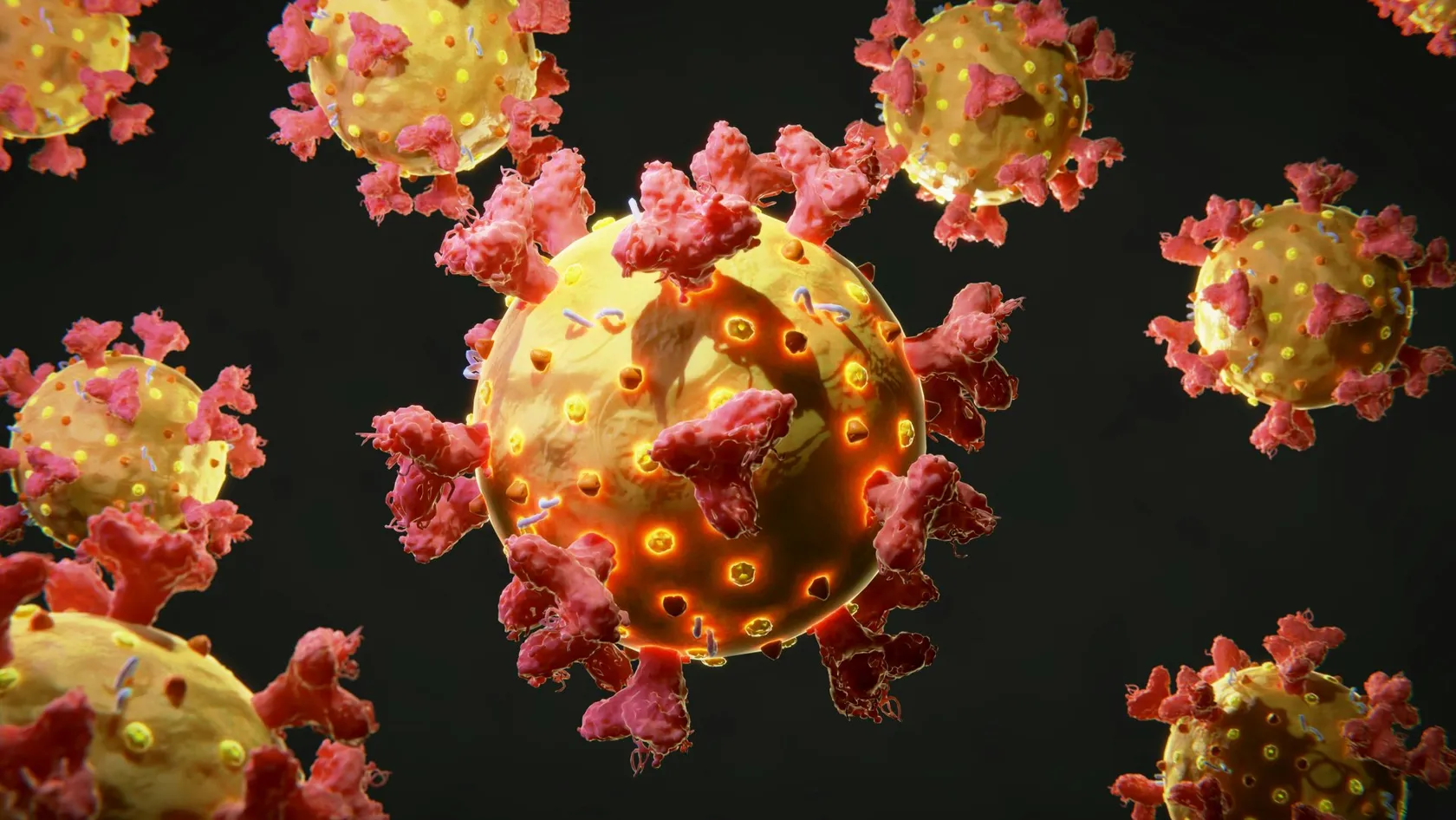
CAR-T Cell Therapy Center
CAR-T cell therapy in Istanbul for leukemia, lymphoma and myeloma. Eligibility, the five stage process, honest cost figures and how long you stay at Biruni.
Let us call you
Send us your contact information and we will call you as soon as possible.
About This Center
CAR-T cell therapy takes a sample of your own T cells, reprograms them in a laboratory to recognize a marker on the surface of cancer cells, and returns them to your bloodstream in a single infusion. For a B-cell leukemia, lymphoma or multiple myeloma that has returned after several lines of treatment, few remaining options offer a comparable chance of deep and lasting remission. At Biruni Hospital in Istanbul the program is run jointly by the Adult and Pediatric Bone Marrow Transplant Centers together with the Medical Oncology and Hematology departments, and a multidisciplinary board plans every case individually. This page explains which diseases the center evaluates for CAR-T, how the five stages of treatment run, what the published trials show, why cost quotes vary so widely, and how long an international patient stays in Istanbul.
Free consultation
Learn whether CAR-T is realistic in your case before you book anything
The remote file review costs nothing and puts you under no obligation. Send your diagnosis with its exact subtype, the treatment lines you have received and how the disease responded to each, your most recent PET or CT report, and any bone marrow results. A hematologist from the CAR-T board replies in writing with whether the treatment fits your case, what your timeline would look like, and an individual quote.
Which cancers can CAR-T cell therapy treat?
Chimeric antigen receptor T-cell therapy works on cancers that carry a dependable surface marker. B-cell leukemias and lymphomas display a protein called CD19, and multiple myeloma cells display one called BCMA. The laboratory inserts a gene into your T cells that builds a receptor against the relevant marker, which turns each cell into a targeted hunter that recognizes the cancer on contact and destroys it. Because the receptor is built to order, the therapy only exists for diseases with a marker safe enough to attack.
Six disease groups are on the list the Biruni Hospital board evaluates for CAR-T: B-cell acute lymphoblastic leukemia in children and adults, diffuse large B-cell lymphoma, mantle cell lymphoma, follicular lymphoma together with marginal zone lymphoma, primary mediastinal large B-cell lymphoma, and multiple myeloma. Every referral in these groups goes to the multidisciplinary board rather than to a single physician, and the board decides between CAR-T, transplant and other therapy based on the whole file.
Research teams worldwide are testing CAR-T in solid tumors, autoimmune diseases and HIV. Those studies have not yet changed clinical practice, so CAR-T for these conditions belongs inside trials for now, and Biruni Hospital does not offer it for them.
Who is a candidate, and when is another treatment the better answer?
Candidacy rests on three questions: whether your disease and its treatment history match what CAR-T is approved for, whether your body can wait for the cells and then tolerate them, and whether a different therapy would serve you better. The board works through this triage before any talk of travel or price, because sending the wrong patient into a multi-week cell therapy helps nobody.
Treatment line matters first. CAR-T is a therapy for relapsed or refractory disease, not a first treatment. In B-cell acute lymphoblastic leukemia it is considered for children and young adults whose disease returned after chemotherapy or never fully responded. In large B-cell lymphoma it has moved up to the second line for patients who relapsed within a year of first treatment or never responded at all, on the strength of the ZUMA-7 trial [2]. In multiple myeloma it sits later in the sequence, after several prior lines including standard drug classes. A patient still responding well to first-line treatment is not a CAR-T candidate yet, and a fair review will say so.
Timing is the second filter, and the one most pages never mention. Manufacturing takes roughly 2 to 4 weeks, and a disease advancing aggressively despite salvage chemotherapy may simply not allow that wait, even with bridging therapy in between. Fitness weighs in as well. Cell collection needs enough healthy T cells to work with, and the infusion phase demands organ function solid enough to tolerate fever, low blood pressure and the other side effects described further down this page.
Sometimes the honest answer is a different treatment.
For a fit patient with a matched donor and a disease biology that favors it, an allogeneic bone marrow transplant remains the stronger option in several situations. Bispecific antibodies, which connect the patient's T cells to the cancer without any manufacturing wait, suit some people whose disease cannot pause for cell production. When the Biruni board reviews an international file and concludes that CAR-T is the wrong tool, the written reply names the alternative it would recommend instead, so the opinion is useful even when it is not the one you expected.
How does CAR-T treatment work at Biruni Hospital, stage by stage?
Five stages, always in the same order, with the pace set by your disease and by the laboratory. A specially trained apheresis team handles the collection, and the same board that approved your file steers every decision in between.
Leukapheresis, the cell collection
Your blood runs through an apheresis device that separates out the T cells and returns everything else to your body. No surgery, no anesthesia. Most patients read or sleep through it.
Genetic engineering and expansion
In the laboratory, the collected T cells receive the gene for the chimeric antigen receptor and are multiplied into a therapeutic dose. Expect roughly 2 to 4 weeks for this stage.
Bridging therapy while you wait
If the disease threatens to advance during manufacturing, the team gives temporary chemotherapy or radiotherapy to hold it back. Not every patient needs this stage; the board decides case by case.
Lymphodepleting chemotherapy
Over 3 to 4 days just before the infusion, a short chemotherapy course lowers your existing lymphocyte count. Clearing that space lets the engineered cells expand instead of competing with your old ones.
The infusion
The cells return to you through a vein over about 30 to 60 minutes, much like a transfusion. The real work starts afterwards, inside your body, which is why the monitoring weeks that follow matter more than the infusion day itself.
How long do you stay in Istanbul, and what happens when?
Plan around six to eight weeks in the country, with the exact shape decided before you fly. The infusion itself takes under an hour; the weeks around it are what fill the calendar of a cross-border patient, and they look like this.
Before any ticket is bought
Biruni Hospital's international patient office reviews your medical file remotely, at no charge, and the CAR-T board decides whether the treatment is indicated at all. You receive that answer in writing while you are still at home. Nobody should board a plane to find out whether they are a candidate.
Week one: workup and collection
After arrival, confirmatory tests and the leukapheresis session take about a week. Interpreter support covers your appointments, and the international office helps arrange airport transfer and accommodation near the hospital for you and your companion.
The manufacturing wait
While the laboratory engineers and expands your cells over 2 to 4 weeks, two paths exist. A patient with stable disease can sometimes return home and come back for the infusion. A patient who needs bridging therapy stays in Istanbul so the team can deliver it and adjust quickly. Which path applies to you is settled during the file review, so flights, visas and time away from work can be planned honestly rather than guessed.
Infusion and the monitoring month
Lymphodepleting chemotherapy runs 3 to 4 days, the infusion takes under an hour, and then comes the part that makes the long stay non-negotiable: roughly four weeks of close monitoring near the hospital, because the serious side effects of CAR-T appear days after the infusion, not during it. A caregiver staying with you is strongly advised through this month; confusion or new drowsiness is a warning sign you cannot be relied on to notice in yourself.
Flying home and follow-up
Clearance to fly is a medical decision, made when the acute risk window has closed and your blood counts allow it. You fly with a written handover for your hematologist: the treatment given, your medication, and the warning signs needing same-day care at home. Ask the international office during the file review how remote follow-up will run in your case once you are back home, and get that answer in writing too.
What are the side effects of CAR-T, and how are they managed?
Reprogramd T cells wake the immune system up deliberately, and the main side effects are that awakening running too hot. Two of them have names worth learning before treatment, because recognizing them early is most of the battle. Both are graded and treated according to a published consensus framework used by immune effector cell programs internationally [3], which means the response to a grade 2 fever in Istanbul follows the same logic it would in Boston or Berlin. Monitoring for these two syndromes is the entire reason the four-week stay near the hospital is mandatory rather than optional.
None of this is listed to alarm you. A center that explains its complication playbook before you commit is showing you the depth of the system behind the infusion, and the presence of that system, from graded protocols to intensive care backup inside a hospital of more than 600 beds, is a fair thing to weigh when comparing programs.
What results do the published trials support?
Numbers below come from the pivotal trials, cited in full at the end of this page, and they describe trial populations rather than promises to any individual. Read them as evidence of what the therapy can do when the indication is right.
In the ELIANA trial, 81 percent of children and young adults with relapsed or refractory B-cell acute lymphoblastic leukemia reached overall remission within three months of a single infusion [1]. For large B-cell lymphoma that relapsed early or never responded, the ZUMA-7 trial showed axicabtagene ciloleucel beating standard second-line care, chemotherapy followed by transplant, on event-free survival [2]. In heavily pretreated multiple myeloma, the CARTITUDE-1 study of ciltacabtagene autoleucel recorded an overall response in about 98 percent of the treated study population [4]. Durability has evidence behind it too: a 2022 report in Nature documented two patients whose CAR T cells remained detectable and functional more than ten years after infusion, with both still in remission [5].
Honesty requires the counterweight. Not every remission holds, relapse after CAR-T is a known pattern in each of these diseases, and trial patients were selected for fitness in ways real-world patients are not. That is exactly why the file review exists: to judge whether your disease, at this moment in its course, resembles the cases in which the evidence is strong.
How much does CAR-T cell therapy cost, and why do quotes differ so much?
Anyone comparing this treatment across borders meets a bewildering spread of figures, so here is the published range laid out plainly. Medical travel platforms list Turkish CAR-T programs from about 75,000 to 105,000 dollars at the low end, other aggregators quote 150,000 to 225,000 dollars, and one Istanbul hospital package on Bookimed sits around 300,000 dollars with a 28-day stay and cell production included. In the United States, the commercial product alone lists at 375,000 dollars and up before a single night of hospital care, and full treatment episodes commonly reach 450,000 to 600,000 dollars. These are third-party figures, quoted here for orientation, not offers from Biruni Hospital.
| Source of figure | Published range | What it reflects |
|---|---|---|
| Turkey, lower aggregator listings | $75,000 to $105,000 | Lyfboat's range for Turkish centers; what each listing includes varies |
| Turkey, mid-range quotes | $150,000 to $225,000 | Quotes across other platforms, with product and hospitalization terms differing by offer |
| Istanbul package example | around $300,000 | A Bookimed listing for one Istanbul hospital, including a 28-day stay and cell production |
| United States, product alone | $375,000 and up | List price of a commercial CAR-T product before any hospital care |
| United States, full episode | $450,000 to $600,000 | Product plus hospitalization, monitoring and complication care |
The spread has real causes. Which CAR construct is used matters enormously, since an academically produced cell product costs a fraction of a commercial one. Beyond that, quotes differ in what they actually contain: apheresis and manufacturing, the 3 to 4 weeks of hospitalization and monitoring, tocilizumab and intensive care on standby for CRS, any bridging chemotherapy or radiotherapy, and the repeat imaging that tracks response. A low headline price that excludes complication care is not comparable to a higher one that includes it, and asking every center for the same itemized list is the single most useful thing a comparing patient can do.
Biruni Hospital gives a written individual quote after the free file review, and only then. Turkish regulation permits publishing treatment prices on authorized international health tourism sites, so the absence of a number here is a choice, made because a truthful CAR-T price depends on your disease, the construct that fits it, the bridging you need and the length of your monitored stay. A number printed before anyone has read your file could not be accurate for your case.
What should you send for the free file review?
A complete file gets a fast, useful answer; an incomplete one gets a round of follow-up questions first. Five items let the board judge your case properly:
- Your diagnosis with its exact subtype, from the pathology or hematology report
- Every treatment line you have received, in order, with how the disease responded to each
- The most recent imaging, ideally a PET-CT report for lymphoma or the relevant scans for your disease
- Bone marrow biopsy and laboratory reports, with dates
- Your other health conditions and current medication list
Reports in your own language can be sent as they are, with a short note saying which language the file is in. The reply comes in writing from the hematology team and states whether CAR-T is indicated, which alternative the board would prefer if it is not, the outline of your timeline, and the individual quote. Nothing in that exchange commits you to travel.
Questions international patients ask about CAR-T
How long do I need to stay in Istanbul for CAR-T cell therapy?
When can I fly home after CAR-T therapy?
Can I go home while the cells are being manufactured?
Does Biruni Hospital offer CAR-T for children?
Is CAR-T cell therapy a one-time treatment?
What happens if my disease grows during the manufacturing wait?
How much does CAR-T cell therapy cost in Turkey?
References
- Maude SL, Laetsch TW, Buechner J, et al. Tisagenlecleucel in Children and Young Adults with B-Cell Lymphoblastic Leukemia. N Engl J Med. 2018;378(5):439-448. doi:10.1056/NEJMoa1709866
- Locke FL, Miklos DB, Jacobson CA, et al. Axicabtagene Ciloleucel as Second-Line Therapy for Large B-Cell Lymphoma. N Engl J Med. 2022;386(7):640-654. doi:10.1056/NEJMoa2116133
- Lee DW, Santomasso BD, Locke FL, et al. ASTCT Consensus Grading for Cytokine Release Syndrome and Neurologic Toxicity Associated with Immune Effector Cells. Biol Blood Marrow Transplant. 2019;25(4):625-638. doi:10.1016/j.bbmt.2018.12.758
- Berdeja JG, Madduri D, Usmani SZ, et al. Ciltacabtagene autoleucel, a B-cell maturation antigen-directed chimeric antigen receptor T-cell therapy in patients with relapsed or refractory multiple myeloma (CARTITUDE-1): a phase 1b/2 open-label study. Lancet. 2021;398(10297):314-324. doi:10.1016/S0140-6736(21)00933-8
- Melenhorst JJ, Chen GM, Wang M, et al. Decade-long leukaemia remissions with persistence of CD4+ CAR T cells. Nature. 2022;602(7897):503-509. doi:10.1038/s41586-021-04390-6
Editor's note
Written by the Biruni Hospital medical editorial team. Reviewed by Prof. Dr. Bülent ACUNAŞ, Radiology.
Medically reviewed by

Prof. Dr. Bülent ACUNAŞ
Radiology
Areas of Specialization
Our multidisciplinary team covers the following areas within this center.
- Hematology
Other Medical Centers
View All
Breast Health & Breast Cancer Center
Most people arrive having already decided which operation they want. The operation is rarely the first decision and never the one that decides most.
Cellular Immunotherapy Center
Two entirely different industries use the words cell therapy. One has a regulator behind it. Four questions tell you which one you are talking to.
Check Up & Longevity Center
Biruni Hospital's Check-Up and Preventive Medicine Center in Istanbul plans risk based health screening by age, sex and history, with a free remote intake.

Children’s Health Center
The Children's Health and Diseases Center in Istanbul unites pediatric subspecialists at Biruni Hospital, with a free remote review of your child's file.
ENT & Head and Neck Surgery Center
The ENT and Head and Neck Surgery Center at Biruni Hospital in Istanbul treats ear, sinus, voice and neck conditions, with a free file review before travel.