
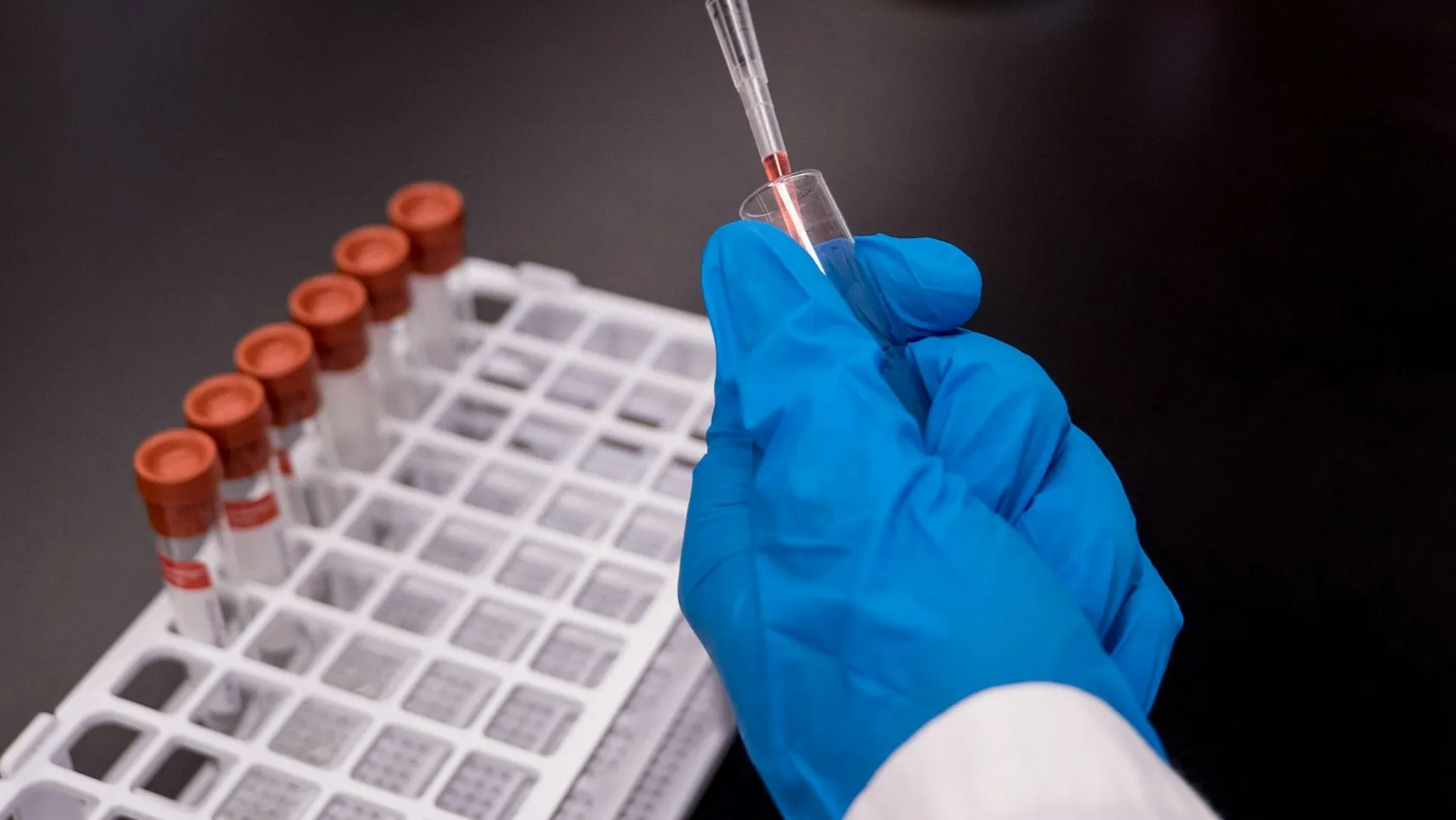
Cellular Immunotherapy Center
Two entirely different industries use the words cell therapy. One has a regulator behind it. Four questions tell you which one you are talking to.
Let us call you
Send us your contact information and we will call you as soon as possible.
About This Center
Two entirely different industries use the words cell therapy.
One of them takes your own immune cells, reprogrammes them in a licensed manufacturing facility under conditions a regulator has inspected, and gives them back to you inside a hospital with an intensive care unit forty seconds away, because a great many of the people who receive them will spike a fever and a proportion will need a ventilator. It works. In specific diseases, sometimes spectacularly. The other has a website. It has a package price, a page of grateful quotations and an infusion room, and it will treat almost any condition you care to name, which is the tell.
Telling the two apart is the most useful thing this page can do for you, and it takes about four questions.
Free consultation
Send the pathology report and the full treatment history, in order
Eligibility for cell therapy turns almost entirely on documents, so send the original pathology report with the exact diagnosis and any immunohistochemistry, every previous line of treatment in order with dates and how each one ended, and the most recent scans on a disc rather than as reports. Include recent blood counts, kidney and liver function, and any record of infections you are currently carrying. Tell us how you are day to day, meaning what you can still do for yourself, because performance status decides eligibility more often than the disease does. Say which country you live in and whether treatment has already been refused or delayed there, since that changes what we are able to arrange. If somebody has already quoted you for cell therapy, send us what they sent you.
Two industries, one name
A 2025 viewpoint in the haematology literature, written by clinicians working in a regional cellular therapy hub that receives international patients, put the problem in one sentence. Medical tourism in this field has grown exponentially over the past decade, and the crucial distinction the authors draw is between regulated, evidence-based cellular therapies on one side and, in their words, risky unproven stem-cell tourism which preys on vulnerable patients on the other.
Preys is their word. It is the correct one.
The same paper is realistic about the legitimate half, noting that travelling for cellular therapy can genuinely widen access where a treatment is unavailable at home, and that doing it well requires a multidisciplinary team, telemedicine that continues after the patient flies back, and real collaboration with doctors in the country of origin. It also observes something the industry rarely says aloud, which is that patients travelling out of a country puts pressure on that country's own health system in ways that can eventually improve it. The argument is not that medical travel for cell therapy is wrong. It is that the same words cover two things, one of which has a regulator behind it.
So here are the questions that separate them, and they work regardless of who you are talking to.
This table scrolls sideways on a narrow screen. Swipe or drag to see every column.
| Ask this | A real answer sounds like | Walk away when you hear |
|---|---|---|
| What is the product called | A specific licensed product with a name, a manufacturer and a package insert you can read yourself. | Our own proprietary cells, or a description of a cell type without a product behind it, or a name that appears nowhere outside the clinic's own website. |
| Which regulator licensed it, for which disease | A named agency, a named disease and a named line of treatment. Your disease either appears on that label or it does not. | Approved for compassionate use, registered with the ministry, or a certificate photographed on a wall. Registration of a clinic is not licensing of a product. |
| What randomised evidence exists in my exact disease | Named trials you can look up, with the response rates and the survival figures stated including how long the follow-up ran. | Case studies, published outcomes with no denominator, or an answer that begins by explaining why randomised trials are not appropriate here. |
| Who manages a fever at three in the morning | A named ward, a haematology team on site overnight, an intensive care unit in the same building, and tocilizumab held in the pharmacy. | You go back to your hotel afterwards. If the treatment cannot cause a fever worth managing, ask what it is doing at all. |
That last row does more work than the other three combined. Effective cell therapy is dangerous, and a service offering it without the capacity to rescue you is either not offering it or not being honest about what is in the bag.
Where the field actually stands
Set out plainly, because the honest map is narrower than the marketing and wider than the sceptics allow.
This table scrolls sideways on a narrow screen. Swipe or drag to see every column.
| Disease | Where it stands |
|---|---|
| Large B-cell lymphoma | The strongest ground in the whole field. Three CD19-directed products established themselves in third-line treatment, and randomised trials then moved two of them into second line for disease that was refractory from the start or relapsed early. Durable remissions occur in a subset of people who previously had almost no curative options. |
| B-cell leukaemia in the young | Established, with high remission rates in children and young adults whose leukaemia came back after everything else. Long-term immune consequences are real and are managed for years afterwards. |
| Multiple myeloma | Licensed products exist and produce deep responses in heavily pretreated disease. Prolonged low blood counts afterwards are the defining practical problem, and they can run for well over a year in the wrong patient. |
| Advanced melanoma | A licensed therapy made from lymphocytes harvested out of the tumour itself exists for people already treated with immunotherapy. Real activity, with sobering median figures set out below. |
| Other solid tumours | Almost entirely investigational, with a small number of exceptions in rare sarcomas. Anybody offering cell therapy for lung, breast, bowel, liver or pancreatic cancer outside a registered trial is selling something the evidence does not support. |
| Severe autoimmune disease | Genuinely exciting early work, genuinely early. It belongs in a registered trial with the toxicity monitored, and it is not yet a treatment you should be paying for. |
| Ageing, joints, autism, MS, diabetes | Nothing licensed, anywhere, for any of them. This row is where almost all of the money in stem-cell tourism is made, and it is where almost all of the harm is done. |
A 2026 review of CD19-directed therapy in large B-cell lymphoma frames the state of play better than any summary could. Its authors write that the central clinical challenge is no longer whether this treatment can work, but how to select patients, deliver treatment rapidly, anticipate failure and preserve long-term immune and functional health. Every one of those four is a logistics problem as much as a biological one, and three of them happen outside the day of the infusion.
What the treatment involves
Treatment runs as a sequence lasting months rather than an appointment, and every step in it can fail.
Cells are collected first, by a machine that draws blood from one arm, separates out the white cells and returns the rest, over three or four hours, and that collection is the moment the whole plan hangs on, since a patient whose bone marrow has already been exhausted by previous treatment may not yield cells of adequate quality, and the state of their blood counts on that day predicts problems months later. The cells then travel to a manufacturing facility where they are genetically modified, grown and tested, which takes weeks, and during those weeks the disease does not pause, so bridging treatment holds it still, and choosing that bridging badly is one of the commonest ways the whole plan comes apart. A short course of chemotherapy then empties space in the immune system so the new cells can expand. The infusion itself takes minutes. It is anticlimactic. Then you stay. Two to four weeks in or immediately beside the hospital, monitored daily, because the reaction that makes this treatment work is the same reaction that can put you in intensive care, and it usually starts inside the first week, when you would otherwise have been on a plane.
That manufacturing interval is worth pausing on, since it is the step patients understand least and the one that decides most. A person whose disease is moving quickly may not survive the wait. So the honest version of the eligibility conversation includes an estimate of whether you will still be well enough by the time the cells come back. Saying that out loud is uncomfortable. It is also not optional.
What it does to you
Three things, and they are the reason the treatment lives inside a hospital.
First comes cytokine release syndrome, in which the activated cells flood the body with inflammatory signals. It looks like severe infection, with high fever, falling blood pressure and failing oxygen levels, and it is managed with a drug that blocks one of those signals directly. The second is neurological. It ranges from confusion and difficulty finding words through to seizures, it frightens families more than anything else on this list, and it is usually reversible. The third is quieter and lasts longer, meaning blood counts that stay low for months and an immune system that takes a long time to rebuild, with the infections that follow from both.
Two 2026 papers put numbers and mechanism on the quiet third one.
What a blood test on the day of collection predicts
A Japanese centre followed 96 consecutive patients with relapsed or refractory myeloma who had cells collected and then received a licensed product between November 2022 and March 2026. They applied an existing toxicity risk score, but at the moment of cell collection rather than at the usual later point, on the reasoning that by the later point the bridging treatment has already damaged the marrow and hidden the underlying picture. The difference the score revealed was enormous. Median time for platelets to recover to a normal-ish level without transfusion support was 1.8 months in the low-risk group and 15.8 months in the high-risk group. The pattern held for a lower platelet threshold too, at 1.3 against 6.3 months, and the high-risk group needed far more platelet transfusions along the way. Neutrophil recovery followed a different master, being driven by how intensive the bridging treatment had been rather than by the score. Fifteen months of low platelets is not a footnote. It is the year after the treatment.
There is also a clotting problem that has only recently been named properly. A 2026 review describes what it calls an under-recognised and potentially fatal syndrome in which the lining of the blood vessels is activated, cytokines amplify the process, and the body's clot-dissolving machinery goes out of order. It runs in phases, beginning with a tendency to clot and moving towards a tendency to bleed as clotting factors are consumed, and the phenotype differs by disease, with B-cell leukaemia patients tending to bleed while large B-cell lymphoma patients tend to clot. The review also flags a trap for the unwary, which is that the drug used to treat cytokine release syndrome itself lowers fibrinogen, so a falling fibrinogen after treatment can be misread.
None of this argues against the treatment. It argues for having it somewhere that has seen all of it before, many times, and knows which of the three problems is starting on any given night.
Why the first scan afterwards misleads
One misreading catches almost everybody, doctors included. It causes effective treatment to be abandoned.
The scoring systems radiologists use to judge whether lymphoma is responding were designed for chemotherapy, and cellular therapy behaves nothing like chemotherapy. A 2026 review examining this describes the mismatch bluntly, saying that conventional visual grading after cell therapy produces unacceptable rates of false positives. Three separate phenomena imitate active cancer on a scan. Tumours can appear to grow before they shrink as immune cells pour into them, complete responses can arrive months after a scan suggested failure, and the systemic inflammation of cytokine release syndrome lights up tissue everywhere at once. The review argues for measuring circulating tumour DNA alongside the imaging, since a molecular signal specific to the tumour can separate inflammation from genuinely resistant disease, and it proposes moving from a single visual score towards tracking change over time. The practical consequence for you is short. A worrying scan at six weeks is not a verdict, the interpretation belongs with the team that gave the treatment, and no decision to abandon a cell therapy should be made on one image by somebody unfamiliar with how these responses unfold.
Solid tumours, without the adjectives
Almost every enquiry this department receives from abroad concerns a solid tumour, and almost every one of them has already been offered cell therapy by somebody. So the state of that ground deserves stating precisely.
A licensed example exists, and it is instructive. For advanced melanoma already treated with immunotherapy, a product made by harvesting lymphocytes from inside the patient's own tumour, growing them in enormous numbers and giving them back is approved and available.
What it delivered outside a clinical trial
Four American centres reviewed 43 adults with metastatic melanoma treated with the commercially available product according to its prescribing information. Median age was 59. These were heavily pretreated people, with a median of three previous systemic treatments behind them, 30 percent carrying liver metastases and 28 percent carrying treated brain metastases. Among 41 patients whose response could be assessed, 44 percent responded, with 5 percent achieving a complete response and 39 percent a partial one. Response was better in those treated earlier in their course, at 52 percent for people with two or fewer previous lines against 33 percent for those with three or more. Then the survival figures. At a median follow-up of only 5.7 months, median progression-free survival was 4.4 months and median overall survival 10.2 months. The authors describe this as meaningful clinical activity comparable to the pivotal trial, which it is, and argue for using the therapy earlier rather than as a last resort.
Both halves of that are true. A 44 percent response rate in people who have exhausted everything else is a genuine achievement, and a median of 4.4 months before the disease moves again is not a cure. Publishing only the first half is how false hope is manufactured, and publishing only the second is how people are talked out of treatment that could help them.
For the rest of the solid tumours the position is simpler. The work is real and ongoing. It is also investigational, which means the correct route to it is a registered clinical trial where somebody is collecting the outcomes, and never a package purchased from a clinic.
What we do not offer
What follows runs longer than the equivalent section on any other page of this site, and that is deliberate.
We do not give stem cell infusions for ageing, fatigue, joint pain, hair loss, sexual function, diabetes, autism, cerebral palsy, multiple sclerosis, motor neurone disease, dementia, autoimmune conditions outside a registered trial, or general wellness. No product is licensed anywhere for any of them. The infusions sold under those headings are not regulated medicines, their contents are frequently undocumented, and the people buying them are typically people with an incurable condition and a family that has run out of options.
We do not give unlicensed immune cell infusions, of any description, to people with cancer. That includes autologous natural killer cell products, dendritic cell vaccines outside a trial, and anything described as an immune boost or a personalised immunotherapy without a named licensed product behind it. If it worked, it would be in a trial. If it were in a trial, you would not be paying for it.
Nor do we treat a disease that appears nowhere on a product's licence simply because a patient asks and can pay, since the licence names a disease and a line of therapy for a reason, which is that those are the exact conditions under which the treatment was tested and found to work at all.
And we do not accept a patient for assessment on the basis of a scan and a diagnosis relayed by an agency. Records come from the treating hospital, the pathology is reviewed here, and where a diagnosis cannot be confirmed the assessment stops there rather than proceeding on somebody's word.
Something further is worth saying to families reading this on behalf of somebody who is very ill. Being told no by a service that could easily have taken your money is not a rejection, and a clinic that says yes to everything is not being kinder. It is being something else.
How eligibility is decided
By a meeting rather than by a salesperson, and the answer arrives in writing either way.
The pathology is re-read here
Slides or blocks are reviewed by our own haematopathologist, because cell therapy targets a specific molecule on a specific cell type and the entire plan collapses if the diagnosis or the marker is wrong. This step alone changes the plan in a meaningful minority of referrals.
The treatment history is reconstructed line by line
What was given, for how long, and precisely how each line ended, since eligibility for licensed products is written in terms of prior lines and the definitions are exact. Records arriving as a summary written by an agent are not sufficient and are sent back.
Organ function and reserve are measured
Heart, lungs, kidneys, liver, and the state of the bone marrow, alongside a frank assessment of what you can still do in a day. Somebody who cannot tolerate a week of severe inflammation should not be given a treatment whose mechanism is severe inflammation, and saying so early is kinder than saying it late.
A multidisciplinary meeting decides
Haematology, transplant, intensive care, pharmacy, infectious diseases and radiology in one room, with the case presented and the timing argued about, including whether the disease will hold still long enough for cells to be manufactured. The recommendation is minuted and you receive it.
A written answer, including no
If you are eligible, you receive the plan, the timeline and the risks in a document your own doctor can read. If you are not, you receive the reasons, and where possible the alternatives, including trials elsewhere. A refusal that explains itself is worth more than an acceptance that does not.
Finding a real trial
For most solid tumours and for autoimmune disease, a trial is the correct route, and telling a real one from a marketing exercise is straightforward once you know what to look for.
Real trials are registered on a public registry with a number you can search, and the entry lists the sponsor, the phase, the eligibility criteria and the outcomes being measured. It has ethics committee approval and a written protocol somebody will show you on request. It does not charge you for the investigational product, though travel and some standard care may still fall to you. And it will exclude you if you do not fit, which is the clearest sign of all, since a study that accepts everybody is not testing anything.
Three warning signs recur. A treatment described as a trial that has no registry number. A trial in which the participant pays a large fee for the therapy itself. And an eligibility list broad enough to include almost any cancer, which no genuine cell therapy protocol has ever needed.
Where a trial elsewhere fits you better than anything available here, we say so and we write the referral, because the alternative is watching somebody spend the last months they had on an infusion nobody is recording.
Coming to Istanbul
Cell therapy is the least portable treatment in this hospital, and the logistics have to be understood before anybody books anything.
Assessment is remote and takes one to two weeks, since it is a records exercise followed by a meeting. A substantial share of enquiries end there, with a written explanation and no journey at all. Where treatment goes ahead, expect to be in Istanbul for somewhere between six and ten weeks in total. That figure surprises people. That covers the pre-treatment work-up, cell collection, the manufacturing interval during which you remain nearby and receive bridging treatment, the admission itself, and a monitoring period afterwards during which you must stay within roughly an hour of the hospital. Driving yourself is not permitted for a period after treatment because of the neurological effects, and that restriction is not negotiable. A companion is not optional here. Somebody has to be present who can recognise confusion, take a temperature, and bring you in at two in the morning, and that person needs their own visa, their own accommodation and a briefing from the team. Most nationalities enter Turkey visa-free or on an electronic visa, and a letter of invitation is issued for longer stays or where an application needs support. Interpreters cover Turkish, English, Arabic, Russian and German as standard with other languages arranged, and for a treatment where the earliest sign of trouble is a change in how somebody speaks, interpretation is a clinical service rather than a convenience.
One last piece is where this field performs worst, and the Lancet Haematology paper referenced above makes the point directly. Cellular therapy delivered to somebody who then flies home only works if the follow-up follows them, which means telemedicine that continues for months, a named contact for the doctor treating them at home, and a genuine working relationship with that doctor. We write to your own haematologist before treatment rather than after it, and we keep writing.
What moves the cost
The single largest component is the product itself, which is manufactured individually for one person and cannot be shared, resold or reused if the plan changes. Around it sit several things that vary enormously between patients and are frequently absent from a quotation. How long the pre-treatment work-up takes and what it finds, since an unexpected infection or an organ problem adds weeks. Whether bridging treatment is needed during manufacturing and how intensive it is, which for somebody whose disease is moving fast can be substantial. How long the admission runs, which depends entirely on whether cytokine release syndrome and neurological toxicity occur and how severe they are, and a stay in intensive care is a different order of resource from an uncomplicated week on a ward. How many transfusions are needed afterwards, which the platelet recovery figures above should make concrete. And how long the monitoring period lasts before you are cleared to fly.
Then the accommodation. Six to ten weeks, for two people.
Four questions make any quotation in this field comparable, and they are worth asking of anybody, here or elsewhere. Name the licensed product and the regulator that licensed it for your disease. Ask what is included if you spend two weeks in intensive care, and what is included if you spend none. Ask what happens, clinically and financially, if the cells cannot be manufactured to specification, which does occur. And ask what the follow-up covers once you have gone home, and for how many months. We answer all four in writing before anything is committed.
Any quotation that does not change depending on the answers to those questions is not a quotation. It is a price for a room.
The year afterwards
Cell therapy does not finish once you are home. It changes your immune system for a long time. Sometimes permanently. The year that follows has its own work.
Low blood counts are the defining practical problem, and the figures from the myeloma study above show how long they can run in the wrong patient. So transfusion support is arranged locally, growth factor support where appropriate, and a threshold for investigating fever set far lower than you or your family would naturally apply, since an ordinary-looking temperature in somebody whose counts have not recovered is not an ordinary temperature. In many people the treatment also removes the normal B cells along with the cancerous ones, so antibody levels fall and replacement immunoglobulin is needed, sometimes for years. Vaccinations have to be rebuilt on a schedule. Some vaccines are unsafe during the recovery period and the list is specific. You go home with four things in writing. The product given and the date. The toxicity you experienced and how it was treated, which matters if you become unwell anywhere in the world. The monitoring schedule, with what to check and when. And a description of which scan findings are expected in the first months and which are not, so that nobody unfamiliar with cellular therapy responses declares a failure on the strength of one image.
Video review runs at one, three, six and twelve months, more often if anything is unsettled, and your own haematologist is copied into all of it. Long-term follow-up for people who receive genetically modified cells extends well beyond a year, and being registered in that follow-up is part of the treatment rather than an administrative extra.
Frequently asked questions
How do I tell a real cell therapy service from an unproven one?
Is there a cell therapy for my solid tumour?
How long would I need to stay in Istanbul?
What are the serious risks?
How long do the low blood counts last?
My scan after treatment looks worse. Has it failed?
Can stem cells help multiple sclerosis, autism or arthritis?
What happens if I am turned down?
References
- Esther CHL, Fan EB, Hew YY, Poon LM. Medical tourism for cellular therapy, a clinical perspective. The Lancet Haematology. 2025;12(12):e978-e985.
- Wang C, Zhu J, Qiao J, Wang H, Liang X. CD19 CAR-T cell therapy in large B-cell lymphoma, clinical evidence, resistance, toxicity, and precision strategies. Frontiers in Immunology. 2026;17:1903457.
- Karapetyan L, Moser J, Ma BT, et al. Real-world, evidence-based, retrospective study of patients infused with commercially released lifileucel for advanced melanoma. Transplantation and Cellular Therapy. 2026.
- Kikuchi T, Nomura-Yogo M, Kondo U, et al. Pre-CAR-HEMATOTOX at leukapheresis predicts delayed platelet recovery after idecabtagene vicleucel in multiple myeloma. Clinical Lymphoma, Myeloma and Leukemia. 2026;26(9):623-631.
- Su B, Wang X. CAR-T cell therapy-associated coagulopathy, from immunothrombotic storm mechanisms to precision management strategies. Critical Reviews in Oncology and Hematology. 2026;227:105553.
- Jambi LK, Kabrah SM. A critical review of PET and CT assessment after CAR-T cell therapy in large B-cell lymphoma. Journal of Multidisciplinary Healthcare. 2026;19:622340.
Editor's note
Written by the Biruni Hospital medical editorial team. Reviewed by Psychologist Aybige Üstüner, Psychology.
Medically reviewed by
Psychologist Aybige Üstüner
Psychology
Other Medical Centers
View All
Breast Health & Breast Cancer Center
Most people arrive having already decided which operation they want. The operation is rarely the first decision and never the one that decides most.
CAR-T Cell Therapy Center
CAR-T cell therapy in Istanbul for leukemia, lymphoma and myeloma. Eligibility, the five stage process, honest cost figures and how long you stay at Biruni.
Check Up & Longevity Center
Biruni Hospital's Check-Up and Preventive Medicine Center in Istanbul plans risk based health screening by age, sex and history, with a free remote intake.

Children’s Health Center
The Children's Health and Diseases Center in Istanbul unites pediatric subspecialists at Biruni Hospital, with a free remote review of your child's file.
ENT & Head and Neck Surgery Center
The ENT and Head and Neck Surgery Center at Biruni Hospital in Istanbul treats ear, sinus, voice and neck conditions, with a free file review before travel.