
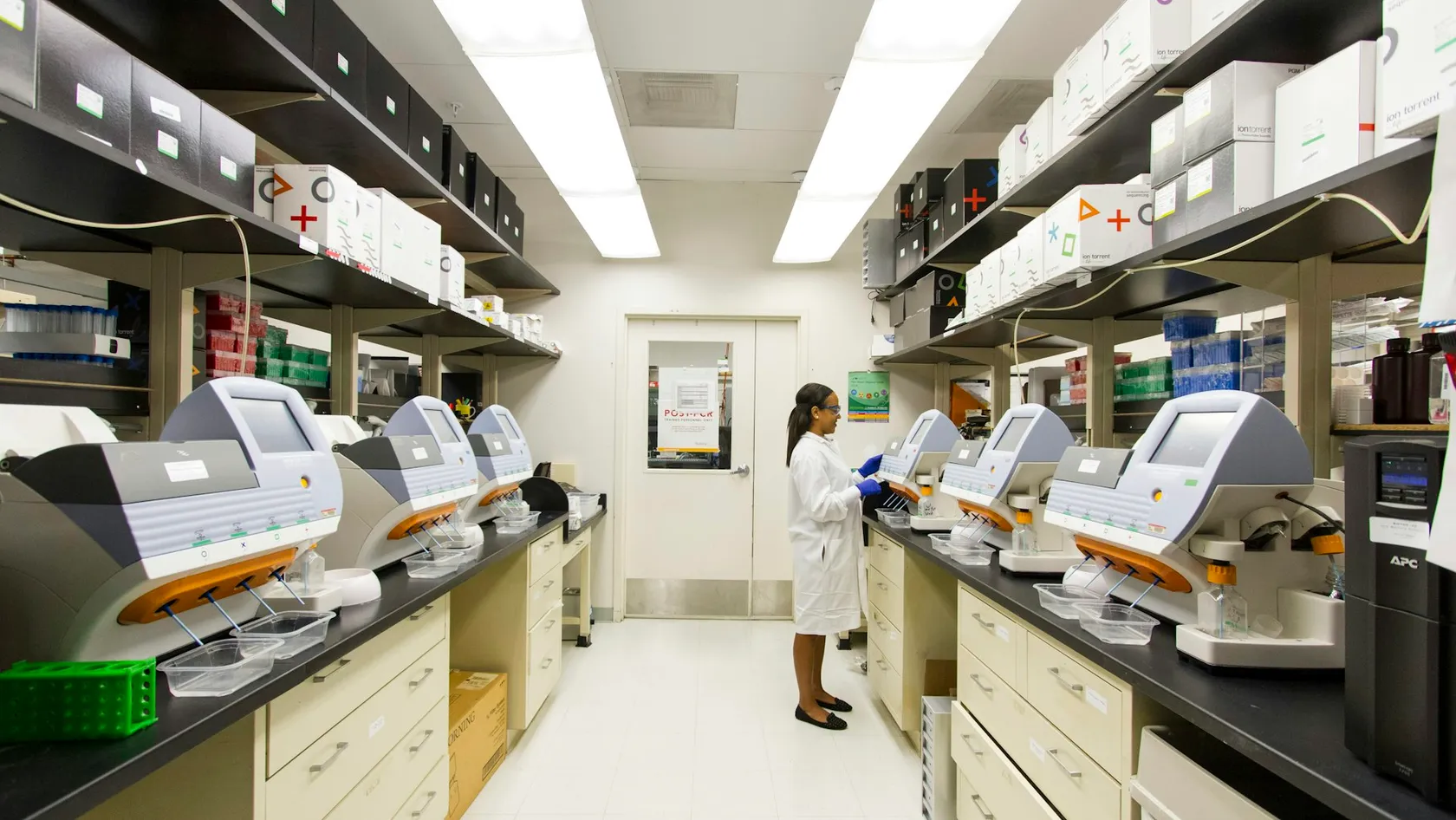
Oncology Center
Oncology Center in Istanbul for adults and children. See how outside pathology and imaging are re-read, how the plan is set, and what to send for review.
Let us call you
Send us your contact information and we will call you as soon as possible.
About This Center
Most people arrive here holding a diagnosis someone else has already made. A pathology report, one or two scans, a plan that was explained quickly, and a private question about whether that plan is the right one. The Oncology Center at Biruni Hospital in Istanbul treats adults and children, and it begins almost every international case by reading the documents the patient already owns before anything is booked.
Free consultation
Get your cancer file reviewed before you book anything
The review costs nothing and carries no obligation. Send the pathology report with its block and slide numbers, the imaging on disc rather than as photographs, the radiology reports, blood results from the last few weeks, and a dated list of any treatment already given. A medical oncologist reads it with the pathology and radiology departments and replies on whether the diagnosis is confirmed, what the stage appears to be, which treatments apply and whether travelling would change the plan you already have.
In short. Cancer treatment is built from four things: drug treatment, surgery, radiotherapy and supportive care. Which of them a particular cancer needs, and in what order, is decided by a tumour board, not by one doctor working alone. For a patient coming from another country, the first step is a review of the records that already exist, meaning the pathology report, the slides or paraffin blocks where the home laboratory will release them, the imaging on disc, recent blood results and a dated list of any treatment already given. That review produces a written opinion covering three things: whether the diagnosis is confirmed, what the stage appears to be, and whether travelling would change anything.
What the Oncology Center is, and who it is for
The Oncology Center at Biruni Hospital in Istanbul brings Medical Oncology, Radiation Oncology, Surgical Oncology, Pediatric Oncology, Gynecologic Oncology, Nuclear Medicine and Hematology together inside one hospital, for adults and for children. Cancer is rarely one department's problem. A woman with early breast cancer may need a surgeon, a radiation oncologist and a medical oncologist inside the same three months, and the sequence they work in changes the outcome as much as the individual skill of any one of them.
A local clinic can deliver good treatment for a straightforward case. What a centre adds is what a difficult case needs: a pathology laboratory that can cut new sections from an old block and run further stains on them, imaging good enough to plan radiotherapy from, nuclear medicine for PET-CT and SPECT-CT, an operating programme that can accept a patient at short notice when a scan changes, and a room where all of those people look at the same case on the same afternoon.
Equipment on site includes MAMMOMAT Revelation and MAMMOMAT Inspiration mammography systems, a MAGNETOM Vida BioMatrix 3T MRI scanner, SOMATOM Force and SOMATOM Go.Now computed tomography, PET-CT and SPECT-CT, Artis Icono Biplane and Artis Zee Pure angiography systems, and an Elekta Versa HD linear accelerator for radiotherapy. Equipment is listed here for one reason only: several of the questions further down this page, about whether an outside scan can be reused and whether radiotherapy can be planned without repeating imaging, are answered by what is physically in the building.
Children are not small adults, and the paediatric oncology team treats them on protocols written for children, with doses calculated from body surface area and with the thirty-year consequences of treatment weighed differently than they would be in a patient of seventy.
Which cancers are treated here, and why each one is on the list
Breast, prostate, lung, colorectal, gynaecological, paediatric, blood and brain cancers make up the work of this centre. A list of names tells you almost nothing on its own, so here is what each one actually demands.
Breast cancer is on the list because it is the most common cancer in women worldwide and because almost every decision in it depends on laboratory detail more than on size. Whether the tumour carries oestrogen and progesterone receptors, whether the HER2 protein is overexpressed, and how fast the cells are dividing determine whether hormone therapy, chemotherapy, anti-HER2 treatment or some combination applies. That is also why breast cases are among the most common reasons a second reading of the pathology is requested.
Prostate cancer is unusual in that a proportion of men are actively harmed by treating it too enthusiastically. The decision runs on PSA level, the Gleason grade group from the biopsy, MRI findings and whether the disease has reached bone, and the honest range of answers runs from active surveillance through surgery and radiotherapy to hormone treatment. Lung cancer sits on the list for the opposite reason: it changes fastest. Molecular results from the biopsy now decide first-line treatment for a large share of patients, and a plan written before those results arrive is often the wrong plan.
Colorectal cancer is here because it is one of the few cancers where the operation is usually the centre of the plan, and because rectal cancer specifically often needs radiotherapy and chemotherapy before a surgeon touches it. Gynaecological cancers, meaning ovarian, cervical and uterine, are grouped because they are treated by a single specialist discipline: in ovarian cancer how completely the disease is removed at operation is one of the strongest influences on what follows, and in cervical cancer chemotherapy and radiotherapy given together are often themselves the definitive treatment.
Blood cancers, which is to say the leukaemias, lymphomas and myeloma, are managed by haematology because they are not solid lumps to be cut out. Response is judged on bone marrow, blood counts and PET, and treatment is measured in cycles over months. Brain tumours are on the list because the pathology has changed underneath everyone in the last decade: molecular markers now sit inside the diagnosis itself, so a report written a few years ago in another country may not carry the information a current plan requires. Childhood cancers are a separate world again, with their own protocols, their own tolerances and a survivorship horizon measured in decades.
What happens to the reports, slides and scan discs you bring from home
Documents brought from another country are not filed and accepted at face value. The pathology report is read by a pathologist here, the images on the disc are opened and read by a radiologist here, and where slides or paraffin blocks have travelled with the patient they go to the laboratory to be examined directly. This is the part of the process most hospital pages describe in one sentence, and it is the part that most often changes what happens next.
Start with imaging, because it is where the largest surprises live. A cancer centre that reviewed 915 computed tomography and magnetic resonance studies sent in from outside hospitals found that 65 percent were of lower technical quality than its own imaging, that 31 percent were not suitable for cancer staging at all, and that only 21 percent of the CT studies had been reconstructed at the slice thickness of under 3 mm that detailed oncological reading needs; among the studies where the second reading disagreed with the original report, treatment changed for 48 percent of those patients (Virarkar and colleagues, Clinical Imaging, 2022). A separate review of PET-CT scans in 72 patients with diffuse large B cell lymphoma found the recorded stage changed in 36 percent of cases once a subspecialist re-read them (Sawan and colleagues, Medicine, 2017).
Pathology behaves the same way. Among 272 bladder cancer specimens re-examined by a specialist uropathologist, 39 percent carried a major discordance with the original report and roughly a quarter of patients had their treatment changed as a result (Robesti and colleagues, European Urology Focus, 2024). In 937 rare ovarian tumours reviewed through a national expert network, the original and the expert diagnosis agreed completely in 65 percent of cases, with a difference large enough to alter management in 22 percent (Henno and colleagues, Gynecologic Oncology, 2022).
Now the counterweight, because a page that only quotes the dramatic numbers is selling something. A review of 263 breast biopsies sent for expert consultation found that 35 percent of the reports differed in some detail, most commonly in the grade assigned to the tumour, and yet the planned operation changed in only 1 percent of cases (Woeste and colleagues, Surgical Oncology, 2022). Most second readings confirm what the first pathologist said. The value of the exercise is not that your diagnosis is probably wrong. It is that the small proportion of cases where something material changes are impossible to identify in advance, and being in that proportion is expensive in a way that a review is not.
What each document is actually used for
| What you send | What it is used for | What commonly goes wrong |
|---|---|---|
| Pathology report | Confirming the tumour type, grade, receptor and marker status, and the laboratory reference numbers needed to request the material itself | A photograph of one page, without the immunohistochemistry results or the block numbers |
| Slides and paraffin blocks | Direct re-examination, new sections, additional stains, and molecular testing that was never performed at home | The home laboratory releases stained slides but keeps the block, which limits what further testing is possible |
| Imaging on disc | Independent reading, staging, and use as the baseline that later scans are compared against | Printed films or phone photographs instead of the original DICOM files, or a study done without intravenous contrast |
| Blood results with dates | Judging kidney, liver and marrow function, which decides which drugs and which doses are safe | Results several months old, which cannot be used for a dosing decision |
| Treatment record | Knowing exactly which drugs, at which doses, for how many cycles, with what side effects and what response | Brand names only, no doses, no dates, and no record of why a drug was stopped |
Four kinds of change come out of a re-read, and they matter to a patient in different ways. The stage can move, which moves the intent of treatment with it. A lesion called malignant can be reclassified, and the operation that had already been scheduled is then cancelled instead of performed, which is the version of this that patients never hear about because nothing happened. A receptor or molecular result can change, and with it the entire drug plan. Or the grade shifts. Radiotherapy is then added to a plan that did not include it.
When a re-read disagrees with the original report, nothing is decided by one person overruling another. The case goes to the tumour board with both readings visible, and where the difference is genuinely unresolvable on the existing material, the answer is usually a new biopsy.
How cancer is diagnosed and staged
Staging answers a narrow question with wide consequences: how far has this cancer travelled from where it started. Four kinds of test answer it, and each one answers a different part.
Imaging
Computed tomography shows the size and position of disease across the chest, abdomen and pelvis in a few minutes. MRI is used where soft tissue detail decides something, which in practice means the brain, the spinal cord, the liver, the rectum, the prostate and the female pelvis. PET-CT adds metabolic information, showing which structures are consuming glucose at a rate suggesting active tumour, and it changes lymphoma management more often than it changes anything else. Mammography with tomosynthesis and targeted ultrasound handle the breast. Bone scanning with SPECT-CT looks for skeletal spread.
Biopsy and pathology
No scan diagnoses cancer. A scan raises the question and a biopsy answers it, because the diagnosis is made by a pathologist looking at cells. The tissue is processed into a paraffin block, thin sections are cut and stained, and further stains called immunohistochemistry identify proteins on the cell surface that name the tumour type and its receptors. The block is not consumed by this process, which is precisely why it is worth asking your laboratory to release it, or to release unstained sections cut from it.
Molecular and genetic testing
Molecular testing looks for specific faults inside the tumour cells that a specific drug can attack, and it has moved from a research activity to a routine part of staging for several cancers, lung adenocarcinoma most obviously. These tests need enough viable tumour in the sample, which is why a small needle biopsy is sometimes insufficient and a repeat biopsy is requested. Results usually take days to a few weeks; none of this happens in hours. Genetic testing is a different thing again, and the distinction matters: a somatic test asks what went wrong in the tumour, while a germline test asks whether the patient was born with a fault that relatives might share, and only the second has implications for a family.
Blood tests and tumour markers
Routine blood tests establish whether the patient can tolerate treatment: haemoglobin, white cells and platelets from the marrow, and liver and kidney function that determine which drugs can be given and at what dose. Tumour markers such as PSA, CA-125, CEA and AFP are a separate category and are widely misunderstood. A raised marker does not prove cancer and a normal marker does not exclude it. Their value lies in the trend over time in a patient already diagnosed, where a marker falling during treatment and rising afterwards carries real information.
The four parts of cancer treatment
Medical oncology delivers treatment that travels through the bloodstream and therefore reaches cancer cells wherever they are, which is why it is the answer to disease that has spread and the insurance policy against disease that might have. Chemotherapy, targeted therapy, immunotherapy and hormone therapy all belong to this discipline.
Surgical oncology removes the disease and, just as importantly, removes it in a way that leaves clear margins and takes the right lymph nodes for the pathologist to examine. An operation that removes the visible tumour but understages the patient has solved half a problem.
Radiation oncology treats a defined volume with high-energy beams, either to cure disease outright, to reduce the chance of it returning in the place it started, or to relieve a symptom such as bone pain or bleeding. Planning takes days, delivery is usually painless, and courses commonly run as short weekday sessions over several weeks.
Supportive and palliative care is the fourth, and treating it as an afterthought is one of the more expensive mistakes in oncology. In a randomised trial of 151 patients with metastatic non-small-cell lung cancer, introducing palliative care alongside standard oncology from the point of diagnosis improved quality of life scores, halved the proportion with depressive symptoms from 38 percent to 16 percent, and was associated with longer median survival, 11.6 months against 8.9 months (Temel and colleagues, New England Journal of Medicine, 2010). Symptom control is not the opposite of active treatment. It is frequently what makes active treatment possible.
Chemotherapy, targeted therapy, immunotherapy and hormone therapy
Four families of drug treatment exist, they work by completely different mechanisms, and patients are frequently told they are having one when they are having another. The table sets out what separates them.
| Family | How it works | What decides whether it applies |
|---|---|---|
| Chemotherapy | Damages cells that are dividing rapidly, tumour and healthy alike, which explains both the effect and the side effects | Tumour type, stage, kidney and marrow function, and how well the patient is functioning day to day |
| Targeted therapy | Blocks a specific molecular fault that is driving that particular tumour | A molecular test on the tumour tissue showing the fault is present, which means no test means no answer |
| Immunotherapy | Releases the brakes the tumour has applied to the patient's own immune cells so that they attack it | Tumour type, markers such as PD-L1 or mismatch repair status, and whether the patient has an autoimmune condition |
| Hormone therapy | Removes or blocks the hormone a hormone-sensitive tumour depends on for growth | Receptor status in breast cancer, or the hormonal dependence of prostate cancer, and tolerance of long courses |
Hormone therapy deserves more space than it usually receives, because it is the treatment patients most often underestimate. In hormone receptor positive breast cancer it is typically taken as a daily tablet for five years or longer, and adherence over that period has a measurable effect on whether the disease returns. In prostate cancer it is often combined with radiotherapy. Its side effects, meaning hot flushes, joint stiffness, bone thinning, mood change and loss of libido, are real and are worth raising instead of enduring silently, because several of them are manageable.
Combination and sequence are where oncology stops being a list of drugs. Treatment given before surgery is neoadjuvant, and it exists to shrink a tumour into operability, to allow a smaller operation, or to reveal how the disease responds while it is still measurable. Treatment given after surgery is adjuvant, aimed at cells too few to see. Chemotherapy and radiotherapy given together, chemoradiotherapy, is standard in several cancers because the drug makes the radiation work better. Maintenance treatment continues at lower intensity once disease is controlled. When one regimen stops working, the next is called the second line, and how many lines exist depends entirely on the cancer.
Chemotherapy is delivered in cycles, most commonly every two or three weeks, with the gap existing so that healthy marrow recovers before the next dose. The number of cycles is set by the protocol and the response, not by how the patient feels in week two.
Where surgery sits in the overall plan
Surgery is a step inside a plan, not the plan itself, and its timing is one of the decisions the tumour board exists to make. Operating first makes sense when the tumour is clearly removable, when tissue is needed for a full pathological assessment, or when a blockage or bleeding forces the issue. Operating later makes sense when drug treatment or radiotherapy can shrink the disease enough to change what the operation involves, which in rectal cancer is routine and in ovarian cancer is a genuine judgement call between operating at the outset and operating after a few cycles of chemotherapy.
Timing between modalities is not arbitrary. Surgery is scheduled at a point where blood counts have recovered from chemotherapy and tissues have settled after radiotherapy, since operating through irradiated or immunosuppressed tissue raises the risk of the wound failing to heal. Delaying too long is its own risk. Balancing the two is a large part of what a multidisciplinary discussion produces.
Fitness matters as much as anatomy. Cardiac and respiratory assessment before a major cancer operation is standard practice, and a patient who is not fit for the operation described in the plan will be offered a different plan instead of the same one with optimism attached.
What a tumour board is, and why a plan several specialists agree on beats one specialist deciding alone
A tumour board is a scheduled meeting where a medical oncologist, a surgeon, a radiation oncologist, a radiologist, a pathologist and, depending on the case, a nuclear medicine physician or a haematologist look at one patient's imaging and slides together and agree a plan. The mechanism is simple and slightly uncomfortable: each specialist has to defend a recommendation in front of the people whose work it depends on.
Audits show the effect is not ceremonial. In a twelve-month audit of colorectal cancer cases, the referring clinician's plan had been recorded in advance for 94 patients, and the meeting changed that plan in 23 percent of them, with the clinical stage revised in a further 4 percent (Fernando and colleagues, ANZ Journal of Surgery, 2017). The same audit found that discussion changed very little for the simplest early-stage colon cancers, which is the honest version of the finding: complexity is what makes the meeting worth holding.
For a patient travelling from abroad the practical significance is that no single doctor here writes the plan on their own, and that a treatment recommendation made elsewhere is examined by all of those disciplines.
How the team measures whether treatment is working, and what changes if it is not
Response is measured, not sensed. Specific lesions are identified on the baseline scan, measured, and then re-measured on later scans performed with the same technique so that the comparison means something, which is one of the reasons an outside scan done with a different protocol is difficult to use as a baseline. Assessment usually happens after the first two or three cycles.
Feeling better is encouraging and is not evidence. Feeling worse during the first weeks is common and is not proof of failure either.
In lymphoma, PET does most of the work, since metabolically dead tissue can remain visible as a lump on CT for months. In prostate and ovarian cancer, marker trends are read alongside imaging. In myeloma, blood and urine protein measurements carry more information than any scan.
When the disease is not responding, four responses are available and the choice among them is a real decision. The regimen can be changed to a different line of treatment. The tumour can be biopsied again, because cancers change their biology under treatment and a molecular target may have appeared or disappeared. The intent can be revised, from attempting to eradicate the disease to controlling it. Or treatment can be stopped, when the burden it imposes has overtaken what it is achieving, and that conversation is held openly.
Why tumour type and stage change everything, including what can honestly be promised
Two patients with the same organ affected can have entirely different diseases, and two patients with the same diagnosis at different stages can have entirely different plans. The word cancer covers hundreds of conditions whose behaviour ranges from indolent over decades to aggressive over weeks, which is why a page like this cannot give you a survival figure and any page that does is describing a population, not a person.
Treatment intent falls into three honest categories, and every patient is entitled to be told which one applies to them. Curative intent means the aim is to remove or destroy all the disease, accept a period of demanding treatment, and then move into surveillance. Control means the disease is not expected to disappear, but can often be held in check for a long period with treatment that is adjusted as it evolves, and many people live well in this category for years. Relief of symptoms means the aim is pain, breathlessness, bleeding or obstruction, not the tumour itself, and it is not a lesser form of care.
Categories move. A patient treated with control in mind whose disease responds unexpectedly well may be reassessed for surgery, and a patient treated with curative intent whose staging scans reveal more disease than expected is told so.
A hospital that will not tell you which of the three applies to you is not being kind.
Nutrition, rehabilitation and psychological support during treatment
Weight loss during cancer treatment is not a cosmetic issue and is not something to be waited out. In a randomised trial reported from Swiss hospitals, 506 inpatients with cancer at nutritional risk were assigned either to individualised nutritional support or to standard hospital food, and mortality at 30 days was 14.1 percent in the supported group against 19.9 percent in the control group, an adjusted odds ratio of 0.57, with functional and quality of life measures improved as well (Bargetzi and colleagues, Annals of Oncology, 2021). Nutritional screening at the start of treatment, and dietitian input where the screen is positive, is standard practice for this reason.
Practical problems get practical answers. Nausea is managed with medication given before it starts. Mouth ulceration, taste change and swallowing difficulty each have specific handling. A patient who cannot maintain intake by mouth may need supplements, and occasionally a feeding tube, which is a temporary measure and not a defeat.
Physical activity during treatment is now recommended, within the limits set by blood counts and by any bone disease. Physiotherapy is what keeps someone able to climb the stairs at home after four months of treatment, and rehabilitation after major surgery starts within days. Shoulder exercises after breast surgery, breathing exercises after chest surgery and lymphoedema management are all specific programmes.
Psychological distress is close to universal at diagnosis and is treatable. Anxiety, insomnia and low mood respond to intervention, and treating them is not a distraction from oncology, because a patient who cannot sleep or eat tolerates treatment worse. Fertility is a separate conversation that has to happen before treatment starts, for both men and women of reproductive age, because several standard treatments affect fertility permanently and the options for preserving it exist only beforehand.
Cancer treatment for older patients and people with heart, kidney or diabetes problems
Age by itself is a poor reason to withhold treatment and an equally poor reason to give it unmodified. What matters is the function underneath the age, and assessing that function formally changes outcomes. In a cluster-randomised trial across 40 oncology practices, 718 patients aged 70 and over with advanced cancer were assigned either to usual care or to a geriatric assessment whose results were given to the oncologist with management recommendations; serious treatment toxicity within three months occurred in 51 percent of the assessed group against 71 percent of the usual care group, and falls were roughly halved, 12 percent against 21 percent (Mohile and colleagues, The Lancet, 2021).
That is a large difference produced by asking better questions before the first dose.
Specific conditions change specific decisions. Heart disease matters because several effective drugs, the anthracycline chemotherapies and the anti-HER2 antibodies among them, can reduce the heart's pumping function, so an echocardiogram before treatment and repeat measurements during it are routine in those regimens. Kidney impairment matters because some drugs are cleared by the kidney and others, cisplatin in particular, damage it, so doses are recalculated and hydration protocols applied. Diabetes matters partly because the steroids given alongside many chemotherapy regimens raise blood glucose sharply, and partly because infection and wound healing behave differently when glucose control is poor.
The output of that assessment is rarely a yes or a no. It is more often a modified regimen, a reduced starting dose with escalation if it is tolerated, closer monitoring, or a different drug in the same family. Bring the full list of medicines the patient takes, including drugs for blood pressure, diabetes, anticoagulation and anything bought without prescription, because interactions between those and cancer treatment are a common and avoidable source of harm.
Continuing or reviewing treatment that was started in another country
A large share of international enquiries are not about starting treatment. They come from patients who are part-way through a regimen and want either to finish it somewhere else or to know whether it is still the right regimen. Both are reasonable requests and they need different information.
To continue a regimen, the team needs the exact drug names in generic form, the doses actually given rather than the doses planned, the dates of each cycle, the reason for any delay or reduction, the side effects recorded, and the most recent response assessment. Brand names alone are not enough, because the same brand can cover different formulations in different countries.
To review a regimen, the team needs everything above plus the diagnostic material, since the question being asked is whether the original diagnosis and stage were correct and whether the treatment chosen follows from them. Reviewing a plan without re-reading the pathology and imaging it was built on is guesswork with a letterhead.
Where records are incomplete, say so early; do not send what is available and hope. Missing information usually means the answer arrives as a range of possibilities instead of a plan, and in some cases it means the first days after arrival are spent repeating tests that already existed.
What a remote file review cannot settle, and when the answer is do not travel
A remote review is genuinely useful and it has hard limits, and knowing both before you spend money is the point of this section.
Some enquiries receive the answer that travelling is not the right decision, and the reasons are worth reading before booking anything. Disease that would be treated identically in the patient's own country is the most common one, because a long flight adds risk and cost without adding benefit. An uncontrolled infection, unmanaged pain or a patient too unwell to fly comfortably means treating locally first and revisiting the question later. No haematologist or oncologist at home willing to take the patient back for follow-up is a genuine obstacle, since shared care is what makes treatment abroad safe. And where the patient or the family is expecting a cure that the disease will not deliver, saying so before arrival is more useful than saying it afterwards.
What moves the cost of cancer treatment
Cancer is the hardest treatment to price in advance, because the plan is not fully known until the staging is complete, and the staging is not complete until tests done here have been reported. Any figure quoted before that is an estimate against assumptions, and the assumptions are what you should be asking about.
| Factor | Why it changes the figure |
|---|---|
| Stage at diagnosis | Early disease may need one modality. Advanced disease often needs three, in sequence, over a longer period. |
| Which modalities are needed | Surgery, radiotherapy and drug treatment are separate cost lines, and a plan that needs all three costs more than a plan that needs one. |
| Number of cycles or sessions | Drug treatment is priced per cycle and radiotherapy per course, so the protocol length is the single largest variable in most estimates. |
| The drugs themselves | Older cytotoxic drugs and modern targeted or immunotherapy agents differ enormously in price, and molecular test results decide which category applies. |
| Hospital days | Day-case treatment, inpatient nights and any intensive care are priced differently, and complications extend all three. |
| Other illnesses | Heart, kidney or diabetic conditions add pre-treatment assessment, monitoring and a higher chance of an unplanned admission. |
| What the quote includes | Repeat imaging, pathology re-testing, supportive medication, accommodation and transfers are sometimes inside a package and sometimes outside it. |
Ask three questions of any quotation, wherever it comes from. What happens to the price if the staging scans done on arrival show more disease than expected. Whether repeat pathology and molecular testing sit inside the figure or outside it. And what a complication costs, since an unplanned week as an inpatient is the difference that turns a comfortable budget into a difficult one.
For calibration only: indicative figures compiled from public medical tourism price aggregators put oncology treatment in Turkey commonly in the region of 11,000 to 42,000 US dollars depending on the cancer type and the stage, with comparable care quoted far higher in the United States. Those are market figures, not clinical evidence, they vary widely by indication, and they say nothing about what any individual plan or insurance arrangement will actually cost.
How long you stay in Istanbul, when you can fly, and what happens after you land at home
Length of stay depends on which treatment the plan requires, and the differences between them are large enough that a single answer would be misleading. Diagnostic work-up and a tumour board opinion is the shortest visit and is measured in days. A cancer operation means the admission plus a recovery period before flying is sensible. Radiotherapy is the longest commitment, because courses are typically delivered as short sessions on weekdays over several weeks, and interrupting a course to fly home in the middle of it is not advisable. Chemotherapy given in cycles every two or three weeks can sometimes be split between here and home, and sometimes cannot, depending on the regimen and on what your local service can administer.
Fitness to fly is a clinical decision made on the day, not a date agreed in advance. Blood counts have to be adequate, since flying with a very low neutrophil count means spending hours in a confined cabin during the period of highest infection risk. Wounds have to be healing without signs of infection. Anaemia, recent chest surgery, a chest drain, unmanaged pain and a raised risk of blood clots each delay clearance, and long flights raise clot risk in cancer patients specifically. Ask for the clearance in writing, because some airlines request it.
What follows the flight matters more than the flight. Before departure the patient should be given a discharge summary in English containing the confirmed diagnosis and stage, the exact treatment delivered with doses and dates, the pathology and imaging results, the medication to continue, the surveillance schedule and the point at which the next assessment is due. That document is what allows an oncologist near home to take over without repeating work. Once you are back home, remote follow-up runs on what your local service produces: blood tests and surveillance scans done near you, sent here to be reviewed alongside the originals, with a return visit arranged only when the picture changes enough to need it.
Identify that local doctor before you travel, not afterwards. It is the single most common gap in international cancer care, and it is entirely preventable.
The international patient journey, from first message to follow-up at home
Eight stages describe how a case from abroad moves through the Oncology Center at Biruni Hospital in Istanbul. Nothing is booked until the third of them.
Records arrive
Pathology report, imaging on disc, radiology reports, recent blood results and a dated treatment history reach the international patients office by WhatsApp or e-mail.
The file is read, not filed
A medical oncologist reviews the file with pathology and radiology and replies in writing on the diagnosis, the apparent stage, the treatment options and whether travelling changes anything.
Estimate, dates and visa letter
A cost estimate with its assumptions stated, proposed dates, and an invitation letter for a visa application follow the clinical opinion.
Arrival and re-staging
Imaging and blood tests are repeated where the existing ones are old or technically unsuitable, and pathology material is re-examined. Skipping this step is how plans built on stale information reach the operating theatre.
Tumour board and the written plan
The case is presented to the multidisciplinary meeting, the plan is agreed with its sequence and its intent stated, and the patient and family are told which of cure, control or symptom relief applies.
Treatment, with supportive care alongside it
Surgery, radiotherapy or drug treatment proceeds, with nutrition, physiotherapy, pain management and psychological support running in parallel instead of being offered when things go wrong.
Response assessment and discharge summary
Response is measured on repeat imaging or markers, the plan is adjusted if needed, and the patient leaves with an English discharge summary written for the doctor who will take over.
Shared follow-up at home
Surveillance runs on the schedule set for that cancer, carried out locally where possible, with results reviewed remotely and a return visit arranged if the picture changes.
Family involvement is part of the pathway, not a courtesy. An adult companion who can stay throughout is strongly advisable for anyone having chemotherapy or major surgery, both because treatment days are long and because decisions arrive faster than a patient on medication can process them alone. Who receives clinical information, and who is present when it is given, is decided by the patient and recorded, which matters when relatives in different countries are all asking for updates.
After treatment ends: surveillance, long-term effects and getting back to normal life
Finishing treatment is a strange point for most patients, because the appointments that structured the last several months stop and the reassurance that came with them stops too. Surveillance replaces treatment, and it is designed around when and where that particular cancer tends to return, which is why the schedule for breast cancer looks nothing like the schedule for colorectal cancer or lymphoma. Ask for the schedule in writing, with the intervals, the tests, and the point at which the intervals lengthen.
Long-term effects are worth naming in advance. Fatigue commonly outlasts treatment by months. Chemotherapy-induced numbness or tingling in the hands and feet can persist and needs assessing. Lymphoedema follows lymph node surgery or radiotherapy in a proportion of patients and responds far better to early management. Hormone treatments affect bone density, so bone health is monitored during long courses. Some drugs affect the heart, so cardiac follow-up continues after treatment in patients who received them. Fertility, sexual function and the risk of a second cancer years later are all legitimate questions to raise at a follow-up appointment.
Returning to work and to normal activity is gradual and is not a test of character. Most people underestimate the recovery period after intensive treatment, and the fear that a symptom means recurrence is close to universal in the first year. Knowing which symptoms genuinely warrant a call, and having a written list of them, is what makes the difference between a manageable year and an anxious one.
For an international patient, survivorship is shared care by definition. Routine surveillance is usually done at home, with the discharge summary and the schedule guiding it, and a return visit is arranged only when something needs re-reading here.
Questions patients and families ask most often
Answers below are written to stand on their own, so a family member reading only this section still gets the substance.
Can the team review my reports before I decide to travel?
What exactly should I send for a first opinion?
Will my biopsy slides be read again in Istanbul?
What happens if the second reading disagrees with my original diagnosis?
Do I need to bring the paraffin blocks, or are the slides enough?
Will my CT or MRI discs be accepted, or will the scans be repeated?
Can I continue chemotherapy that was started in another country?
How long will I need to stay in Istanbul?
When am I allowed to fly home?
Can a family member stay with me during treatment?
Who actually decides my treatment plan?
How soon will anyone know whether the treatment is working?
Is treatment still worth having if the cancer cannot be cured?
Can someone over 75 with heart disease still have chemotherapy?
Are children treated in the same unit as adults?
What does cancer treatment in Turkey cost?
What happens if there is a problem after I get home?
When would you tell me not to travel?
I have already started chemotherapy in my own country. Can it be continued here?
References
- Virarkar M, Jensen C, Klekers A, et al. Clinical importance of second-opinion interpretations of abdominal imaging studies in a cancer hospital and its impact on patient management. Clinical Imaging. 2022;86:13-19.
- Sawan P, Rebeiz K, Schoder H, et al. Specialized second-opinion radiology review of PET/CT examinations for patients with diffuse large B-cell lymphoma impacts patient care and management. Medicine (Baltimore). 2017;96(51):e9411.
- Robesti D, Moschini M, Pio Tenace N, et al. The impact of second opinion expert pathology review in patient management at the time of transurethral resection of the bladder. European Urology Focus. 2024;10(6):1043-1048.
- Henno S, Jeanne C, de la Motte Rouge T, et al. Potential histological discordance revealed by second review in the national rare gynecological cancer network (TMRG). Gynecologic Oncology. 2022;165(3):637-641.
- Woeste MR, Jacob K, Duff MB, et al. Impact of routine expert breast pathology consultation and factors predicting discordant diagnosis. Surgical Oncology. 2022;45:101860.
- Fernando C, Frizelle F, Wakeman C, Frampton C, Robinson B. Colorectal multidisciplinary meeting audit to determine patient benefit. ANZ Journal of Surgery. 2017;87(11):E173-E177.
- Mohile SG, Mohamed MR, Xu H, et al. Evaluation of geriatric assessment and management on the toxic effects of cancer treatment (GAP70+): a cluster-randomised study. The Lancet. 2021;398(10314):1894-1904.
- Temel JS, Greer JA, Muzikansky A, et al. Early palliative care for patients with metastatic non-small-cell lung cancer. New England Journal of Medicine. 2010;363(8):733-742.
- Bargetzi L, Brack C, Herrmann J, et al. Nutritional support during the hospital stay reduces mortality in patients with different types of cancers: secondary analysis of a prospective randomized trial. Annals of Oncology. 2021;32(8):1025-1033.
Editor's note
Written by the Biruni Hospital medical editorial team. Reviewed by Assistant Professor Sena YENEL, Psychiatry.
Medically reviewed by
Assistant Professor Sena YENEL
Psychiatry
Areas of Specialization
Our multidisciplinary team covers the following areas within this center.
- Medical Oncology
- Radiation Oncology
- Surgical Oncology
- Hematological Oncology
- Nuclear Medicine
- Palliative Care
Other Medical Centers
View All
Breast Health & Breast Cancer Center
Most people arrive having already decided which operation they want. The operation is rarely the first decision and never the one that decides most.
CAR-T Cell Therapy Center
CAR-T cell therapy in Istanbul for leukemia, lymphoma and myeloma. Eligibility, the five stage process, honest cost figures and how long you stay at Biruni.
Cellular Immunotherapy Center
Two entirely different industries use the words cell therapy. One has a regulator behind it. Four questions tell you which one you are talking to.

Check Up & Longevity Center
Biruni Hospital's Check-Up and Preventive Medicine Center in Istanbul plans risk based health screening by age, sex and history, with a free remote intake.

Children’s Health Center
The Children's Health and Diseases Center in Istanbul unites pediatric subspecialists at Biruni Hospital, with a free remote review of your child's file.