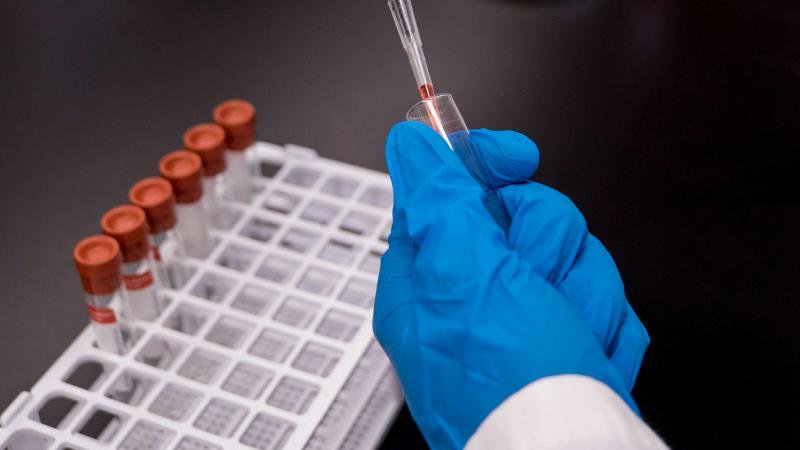
Lutetium-177 PSMA and Actinium-225 therapy at the Nuclear Medicine and Theranostics Center of Biruni Hospital Istanbul, with honest eligibility and costs.
Let us call you
Send us your contact information and we will call you as soon as possible.
About This Center
Radioligand therapy is the treatment men with advanced prostate cancer now travel for, because in many countries it is either not offered at all or carries a waiting list measured in months. Biruni Hospital in Istanbul provides both Lutetium-177 therapy and Actinium-225 therapy through its Nuclear Medicine department, alongside Lutetium-177 DOTATATE for neuroendocrine tumors. This page explains who these treatments can honestly help, how a course of several cycles is organized when you live in another country, and what publicly listed figures say about the cost.
Free consultation
Before you book anything, a nuclear medicine physician can tell you whether radioligand therapy is even plausible in your case
The remote file review costs nothing and commits you to nothing. Send the PSMA PET report if the scan has been done, your PSA history, the list of hormonal agents and chemotherapy you have received, and a recent kidney function result, and a written opinion comes back on whether Lutetium-177 or Actinium-225 therapy is worth traveling for.
What theranostics means, and which therapies this center offers
Theranostics pairs a diagnostic scan with a treatment built on the same targeting molecule, so the scan proves the target exists before any therapy is given. A PSMA PET scan shows whether prostate cancer deposits carry the PSMA protein on their surface. When they do, the molecule that carried the imaging tracer can carry a therapeutic radioactive isotope instead, and the radiation lands on the cancer cells rather than on the body as a whole. See it first, then treat it. The identical logic pairs a DOTATATE PET scan with Lutetium-177 DOTATATE therapy for neuroendocrine tumors.
Biruni Hospital names both Lutetium therapy and Actinium-225 therapy on its published treatment list, and this page is built around those two. The therapies run inside the Nuclear Medicine department of a university hospital with over 600 beds, next to the PET imaging that gates every one of these decisions. Medical oncology and radiation oncology work in the same building, urology joins each prostate cancer case, and intensive care is on site should anything unexpected happen during a stay.
None of this is a cure for metastatic cancer. The trials described below measured longer survival and longer control of the disease, and that is the claim this page makes for the treatments, nothing larger.
Lutetium-177 PSMA therapy for prostate cancer, and who qualifies
Three conditions define the candidate. The cancer has spread and no longer responds to hormonal control, the stage physicians call metastatic castration-resistant prostate cancer. Abiraterone or enzalutamide has already been tried, and in most protocols docetaxel as well. And the PSMA PET scan is positive, meaning the tumor deposits visibly carry the target this therapy binds to.
Behind the treatment stands a completed phase 3 trial. The VISION study, published in the New England Journal of Medicine in 2021, randomized men with PSMA-positive metastatic castration-resistant prostate cancer whose disease had continued through modern hormonal agents and chemotherapy. Adding Lutetium-177 PSMA-617 to standard care extended both the time before scans showed progression and overall survival, compared with standard care alone. For a therapy given this late in the illness, a survival gain measured in a randomized trial is the strongest form of evidence that exists.
What a course looks like
Each cycle is an intravenous infusion followed by a short stay while the strongest radioactivity leaves the body, and a course in typical practice runs to several cycles spaced about six weeks apart. Between cycles you live normally. Blood counts are checked during the intervals, because bone marrow feels the radiation with a delay of weeks. Dry mouth, fatigue, nausea and falling blood counts are the common side effects, and many men who have been through docetaxel find this treatment noticeably easier to carry.
Who is told no
A PSMA-negative scan closes the question, because radiation aimed at a target the cancer does not carry cannot work, and saying so honestly protects a patient from an expensive trip toward nothing. Severely reduced kidney function or a bone marrow already failing also weighs against treatment. These limits are checked in the file review before travel, not after arrival, and a man who is not a candidate is told in writing, together with what the oncology team here would consider instead.
Actinium-225 therapy, the alpha option, honestly described
Actinium-225 releases alpha particles, which deposit far more energy over a far shorter distance than the beta radiation of Lutetium-177. In physical terms it is the heavier weapon. In evidence terms it is the younger one, and both halves belong on this page.
The first clinical report, published by Kratochwil and colleagues in the Journal of Nuclear Medicine in 2016, described remarkable responses to Actinium-225 PSMA-617 in heavily pretreated men, among them some whose disease had progressed on Lutetium-177. What that report is not is a completed phase 3 trial. Evidence for actinium still comes from clinical experience series rather than randomized comparison, which places it a full stage behind lutetium, and dry mouth is more prominent because alpha radiation is harder on the salivary glands. Whether actinium is offered first, offered after lutetium stops working, or not offered at all is a case-by-case judgment made jointly by the nuclear medicine and oncology physicians.
The two PSMA therapies, compared without salesmanship
Question
Lutetium-177 PSMA
Actinium-225 PSMA
Radiation type
Beta particles, longer range, gentler per hit
Alpha particles, very short range, heavily damaging per hit
Evidence stage
Completed phase 3 trial with a survival gain (VISION, 2021)
Clinical experience reports since 2016, no completed phase 3 trial yet
Typical role
First radioligand choice for eligible men
Selected cases, including disease progressing after lutetium
Dry mouth
Common, mostly manageable
More prominent, weighed openly before choosing it
Neuroendocrine tumors and Lutetium-177 DOTATATE
Neuroendocrine tumors bring their own theranostic pair. Somatostatin receptors on the tumor surface light up on a DOTATATE or octreotide scan, and a positive scan opens the door to Lutetium-177 DOTATATE therapy through the same receptor. The NETTER-1 trial, published in the New England Journal of Medicine in 2017, found that this treatment markedly lengthened the time patients with advanced midgut neuroendocrine tumors lived without progression, compared with high-dose octreotide.
Candidacy here rests on three documents rather than on symptoms. The receptor scan report, the pathology report with its Ki-67 value, and the treatment history together answer whether this therapy fits, which is why the file review asks for exactly those.
What the team protects: kidneys, salivary glands and blood counts
Radioligand drugs leave the body through the kidneys. Kidney function is measured before a course begins and again ahead of every cycle, and hydration around the infusion helps carry the isotope out. Salivary glands absorb PSMA compounds, which is why dry mouth is the signature side effect of this treatment family, and its severity is reassessed at each cycle because a severe case can change the plan. Bone marrow takes its hit late, weeks after the infusion, so the blood counts drawn between cycles tell the physicians whether the next cycle proceeds on schedule, waits, or needs adjusting.
Response is tracked in parallel through PSA measurements and imaging around the course. A treatment that is not helping is stopped, not completed for its own sake.
Radiation around your family, and the letter for airport security
After a cycle you are mildly radioactive for a limited number of days, at a level that matters for the people closest to you rather than for anyone passing on the street. Standard practice wherever radioligand therapy is given, and the practice here, is a written instruction sheet with dates on it: extra distance from small children and pregnant women for a defined number of days, separate sleeping for a stated number of nights, careful bathroom hygiene. The restrictions are counted in days. Ordinary family life resumes when the sheet says so.
Airport detectors deserve their own paragraph, because almost nobody warns patients about them. Security portals at airports and border crossings are sensitive enough to pick up the trace radioactivity that stays in your body for weeks after a cycle, long after the family precautions have ended, and triggering one is both expected and harmless. You fly home carrying a dated therapy certificate letter that states which isotope you received, where and when, and showing it settles a security check in minutes. Keep it in your hand luggage on every flight for the following weeks.
Planning a course of several cycles from another country
One infusion is a trip. A course is a project. With cycles about six weeks apart, four cycles mean either four short visits to Istanbul of a few days each or one long stay of several months for those who prefer to remain near the hospital, and most international patients choose the short visits. That arithmetic belongs on this page before you plan anything, because a man budgeting for one flight and one hotel week is budgeting for a different treatment than the one described here.
Once you are back home between cycles, the blood tests fall due there. A local laboratory draws them, you send the results over WhatsApp or e-mail, and the team reviews them remotely, so the decision to proceed is made before the next ticket is bought rather than at the bedside after you land. Interpreter support and help with airport transfer and accommodation come through the international patient office, which counts for more than usual in a treatment that brings you back repeatedly.
The classic nuclear medicine work behind the theranostics
Theranostics is the newest branch of a field this department has always practiced. Radioiodine treats an overactive thyroid and selected thyroid cancers, with a short isolation stay when the dose calls for one, and it is the oldest theranostic of all, since the same iodine the scan uses, the therapy uses. Bone scans, renal scans and the full range of PET imaging run daily and serve every department of the hospital, keeping nuclear medicine in constant working contact with the oncology teams whose patients the therapies above treat.
What to send for the free file review, and why each item matters
For prostate cancer, four items let a physician give a real answer. The PSMA PET report, if the scan exists, settles eligibility outright. Your PSA history shows how the disease has been moving. The treatment list, with hormonal agents and chemotherapy named, shows whether the stage the trials studied has been reached. Recent kidney function and blood count results show whether your body can carry the treatment safely. If no PSMA PET has ever been done, say so plainly: the scan can be performed in Istanbul at the start of a trip, with therapy following only if it is positive, and you will have agreed to that condition before flying.
For a neuroendocrine tumor, the DOTATATE or octreotide scan report, the pathology report with its Ki-67 value, and the treatment history are the three documents that decide.
Two caveats belong in every file. Name any blood thinners on your medication list, since injections and procedures are planned around them. And include kidney results even when they have always been normal, because kidney function is the single value most likely to reshape the plan.
Cost, cycle by cycle, with the published figures
Money on this page follows one honest rule: the total equals the per-cycle price multiplied by the number of cycles, and nobody can state that second number before reviewing your file. The booking platform Bookimed lists Lutetium-177 therapy in Turkey at 8,800 to 11,800 dollars per cycle, and an Actinium-225 program at around 22,955 dollars covering consultation, administration, transfers and an interpreter, against a quoted figure of about 165,000 dollars for actinium therapy in the United States. Read as arithmetic, four lutetium cycles at those listed rates come to roughly 35,000 to 47,000 dollars.
An individual quote moves with five things: how many cycles the plan calls for, which isotope is used since actinium costs more than lutetium, the PET imaging before and around therapy, the nights spent in hospital each cycle, and whether the PSMA PET must first be performed in Istanbul because it has never been done at all. Biruni Hospital puts its own figure in a written individual quote after the free review, with what the quote covers spelled out item by item, and this page states no price for the hospital precisely because an honest number depends on your file.
Questions men and families ask about radioligand therapy in Istanbul
Can I have Lutetium-177 PSMA therapy without a PSMA PET scan?
No. Lutetium-177 PSMA therapy works only when prostate cancer cells carry the PSMA target, and the PSMA PET scan is the test that proves they do. If you have never had the scan, it can be done in Istanbul at the start of the trip. Therapy then follows only if the result is positive. That condition is agreed in writing before you fly, so you are never asked to travel for a treatment nobody yet knows you can receive.
How many cycles and trips to Istanbul does a course involve?
A course in typical practice runs to several cycles, commonly between two and six, spaced about six weeks apart, and each cycle needs only a short visit of a few days. Most international patients fly in per cycle and spend the intervals at home, where blood tests are drawn locally and sent for remote review. Staying in Istanbul across the whole course is possible for those who prefer a single long trip. The planned number of cycles is put in writing before you book anything.
Is Actinium-225 better than Lutetium-177?
Not proven better. Lutetium-177 PSMA therapy is supported by a completed phase 3 trial, the VISION study, which measured longer survival in advanced prostate cancer. Actinium-225 delivers more damaging alpha radiation and has produced striking responses in clinical experience reports, including in some men whose disease grew despite lutetium, but no completed phase 3 trial backs it yet and dry mouth is more prominent. The choice between them is made case by case by the nuclear medicine and oncology team, not by a ranking.
Is it safe to be around my family after radioligand therapy?
Yes, with simple precautions for a limited period. After a cycle you are mildly radioactive for a number of days, so the team hands you written instructions with dates: extra distance from small children and pregnant women for a defined number of days, separate sleeping for a stated number of nights, careful bathroom hygiene. The restrictions are measured in days, not weeks, and normal family life resumes once the dates on the sheet pass.
Will I set off airport radiation detectors when flying home?
You can, for several weeks after a cycle, because airport and border security portals are sensitive enough to register the trace radioactivity remaining in your body. This is expected and harmless. Before you fly home the center issues a dated therapy certificate letter stating which isotope you received, where and when, and presenting it resolves a security check in minutes. Carry it in your hand luggage on every flight in the weeks after each cycle.
What does Lutetium-177 PSMA therapy cost in Turkey?
The booking platform Bookimed lists Lutetium-177 therapy in Turkey at 8,800 to 11,800 dollars per cycle, and an Actinium-225 program at around 22,955 dollars, against a quoted United States figure of about 165,000 dollars for actinium therapy. A full course costs the per-cycle price multiplied by the number of cycles, so four lutetium cycles at those listed rates come to roughly 35,000 to 47,000 dollars. An individual written quote for your case comes from Biruni Hospital after the free file review, with its contents itemized.
What should I send for the free file review?
For prostate cancer, send the PSMA PET report if the scan has been done, your PSA history, the treatment list with hormonal agents and chemotherapy named, and recent kidney function and blood count results. For a neuroendocrine tumor, send the DOTATATE or octreotide scan report, the pathology report with the Ki-67 value, and your treatment history. Add a medication list with any blood thinners named. A written opinion on whether radioligand therapy is plausible for you comes back before you spend anything on flights.
References
Sartor O, de Bono J, et al. Lutetium-177-PSMA-617 for Metastatic Castration-Resistant Prostate Cancer. The New England Journal of Medicine. 2021;385(12):1091-1103.
Strosberg J, El-Haddad G, et al. Phase 3 Trial of 177Lu-Dotatate for Midgut Neuroendocrine Tumors. The New England Journal of Medicine. 2017;376(2):125-135.
Kratochwil C, Bruchertseifer F, et al. 225Ac-PSMA-617 for PSMA-Targeted alpha-Radiation Therapy of Metastatic Castration-Resistant Prostate Cancer. Journal of Nuclear Medicine. 2016;57(12):1941-1944.
Editor's note
Written by the Biruni Hospital medical editorial team. Reviewed by Assistant Professor Şafak SAYAR, Orthopedics and Traumatology.