
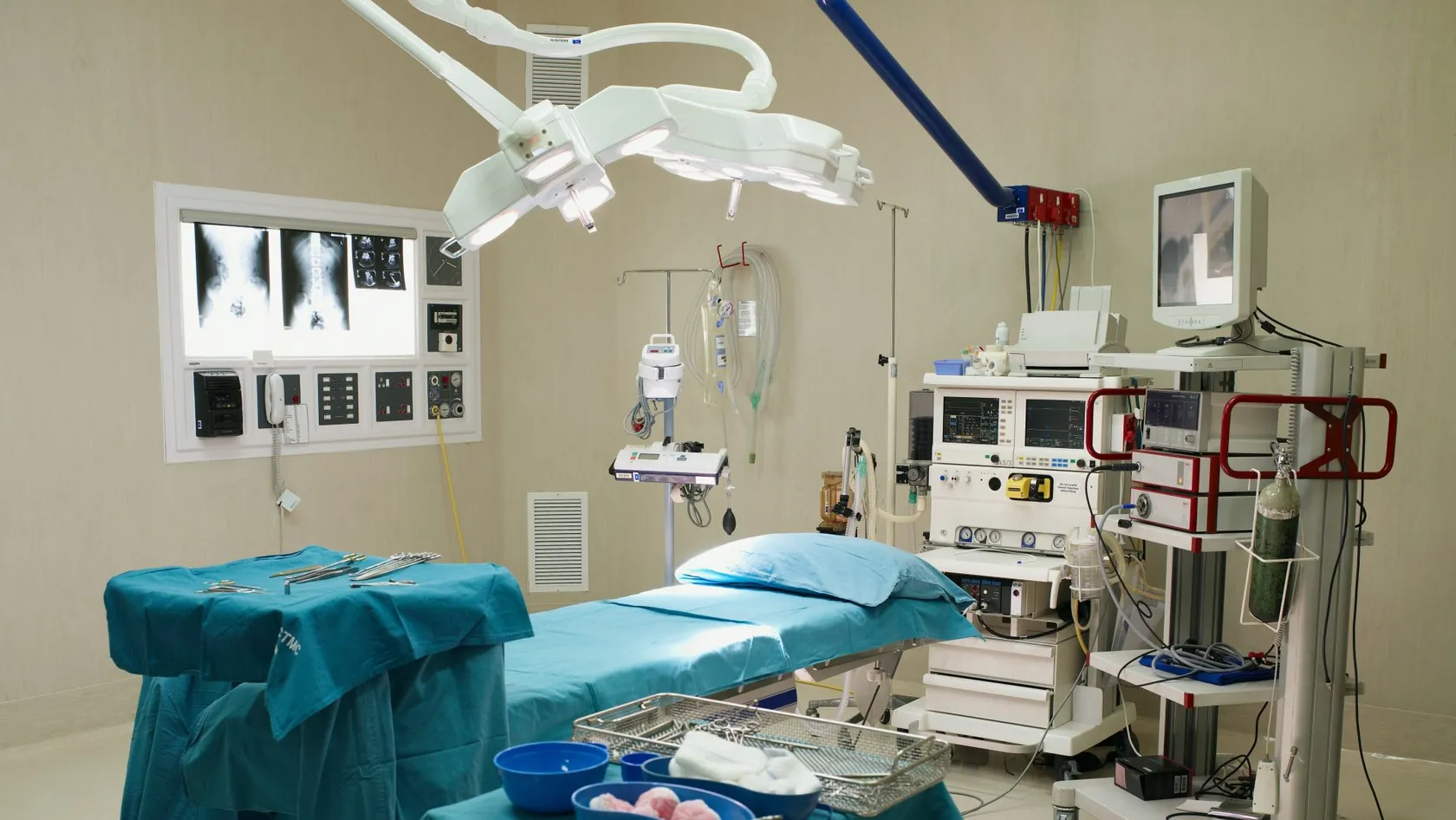
ENT & Head and Neck Surgery Center
The ENT and Head and Neck Surgery Center at Biruni Hospital in Istanbul treats ear, sinus, voice and neck conditions, with a free file review before travel.
Let us call you
Send us your contact information and we will call you as soon as possible.
About This Center
Hearing that has faded over years, a nose that has never breathed freely, a voice that keeps failing, a lump in the neck that nobody has explained: the ENT and Head and Neck Surgery Center at Biruni Hospital in Istanbul exists for these problems. The center is built around the hospital's Otorhinolaryngology department, and it works alongside audiology testing, imaging, anesthesiology and the pediatric departments whenever the patient is a child. What follows sets out what the center treats, who genuinely needs an operation and who does not, and the question ENT patients rarely think to ask before booking a ticket: when the surgeon will let you fly home.
Free consultation
An ENT surgeon can read your file before you plan a trip
The remote review is free and carries no commitment. Send your audiogram if the problem is hearing, your sinus CT if it is your nose, your sleep study report if it is snoring, plus any endoscopy reports and your medication list, and you receive a written reply covering whether surgery is justified, what it would involve, how many days to plan and when you could fly home.
What the ENT and Head and Neck Surgery Center treats
Otorhinolaryngology is the surgical specialty of the ear, the nose and sinuses, the throat and voice, and the structures of the neck. Four territories, one department. The sections below describe the conditions international patients write about most, in plain language.
Ear and hearing
Chronic middle ear infection can leave a perforated eardrum, a discharging ear and a slow loss of hearing. Tympanoplasty closes the perforation and, where the small hearing bones have been damaged, rebuilds the chain. Otosclerosis works differently. A stiffening of the stirrup bone muffles sound from the inside, and stapes surgery bypasses the fixed bone with a tiny prosthesis. Severe to profound sensorineural hearing loss, in a child or an adult, raises the separate question of a cochlear implant, which has its own section further down this page.
Every ear case starts with audiometry. The audiogram decides which of these operations, if any, fits the ear in front of the team.
Nose, septum and sinuses
A nose blocked on one side, or both, traces back in most adults to a deviated septum, enlarged turbinates or chronic rhinosinusitis. Septoplasty straightens the dividing wall, and functional surgery on the turbinates or nasal valve widens the airway where the anatomy calls for it. For chronic rhinosinusitis, with or without nasal polyps, the European position paper on the disease is explicit about the order of treatment: endoscopic sinus surgery is for patients whose disease has failed appropriate medical therapy, not a first step (3). A patient who has never completed a documented course of intranasal steroids and rinses has not yet reached the surgical question.
One boundary deserves plain words here. Functional nasal surgery serves breathing, while cosmetic rhinoplasty serves appearance, and the two differ in goals, planning and follow-up. The center's concern is function. A combined functional and cosmetic operation is possible, but only when both intentions are named openly before the plan is written, so nobody discovers a misunderstanding on the morning of surgery.
Throat, voice and sleep
Tonsil and adenoid surgery in children remains one of the commonest operations in the specialty, and the triage section below covers it honestly, because a snoring child is not automatically a surgical child. Persistent hoarseness is investigated with endoscopy of the vocal cords, and benign lesions such as nodules, polyps and cysts can be removed by microsurgery when voice therapy alone is not enough. Snoring and obstructive sleep apnea in adults sit at the border of several treatments. CPAP, the pressurized mask worn at night, remains the first-line treatment for most adults; surgery is one option among several, chosen on the anatomy and the sleep study, never on the snoring alone.
Neck, salivary glands and thyroid nodules
A lump in the side of an adult's neck is taken seriously until proven harmless. The workup runs through examination, ultrasound, cross-sectional imaging and needle biopsy as the findings direct, and salivary gland stones and tumors are treated surgically where needed. Thyroid nodules are evaluated jointly with the hospital's endocrinology and general surgery teams, since most nodules need monitoring, not an operation.
When a head and neck cancer is found, the case moves into the hospital's oncology infrastructure, where the surgeon plans treatment together with medical and radiation oncology. Biruni Hospital is a university hospital with more than 600 beds, which means the imaging, the pathology laboratory and intensive care sit in the same building as that discussion. Cancer treatment itself belongs to the Oncology Center's own page; this center's part is the surgery and the airway.
Who actually needs ENT surgery, and who does not
Three honest answers separate this page from the package listings, and each one has a trial or a guideline behind it.
Sudden sensorineural hearing loss is a local emergency, not a reason to travel. The American Academy of Otolaryngology guideline on sudden hearing loss calls for treatment, corticosteroids in most protocols, to begin within days of onset (4). Planning a medical trip takes longer than the treatment window lasts. See a doctor where you are, the same day, and think about travel later if a question remains.
A snoring child needs a diagnosis before an operation. The CHAT trial, a randomized study of adenotonsillectomy for childhood obstructive sleep apnea in the New England Journal of Medicine, found that surgery improved symptoms, behavior and quality of life compared with watchful waiting (2). The same trial carries the counterweight: about half of the children assigned to watchful waiting normalized without an operation. Both halves are true at once. A sleep study, not the sound from the bedroom, settles the question.
Blocked sinuses earn an operation only after medicine has genuinely been tried. EPOS 2020, the European consensus document on rhinosinusitis, defines endoscopic sinus surgery as the step after appropriate medical therapy has failed, with intranasal steroids and saline irrigation given time to work first (3). Many chronic sinusitis cases, on honest review, turn out to need a completed course of medical treatment first, not an operation date.
| Situation | What the evidence says | First step |
|---|---|---|
| Sudden hearing loss in one ear | Treatment works best when started within days of onset (4) | A local doctor the same day, not a flight |
| A child who snores | Around half of watchful-waiting cases in the CHAT trial settled without surgery (2) | A sleep study, then a decision |
| Chronic sinus blockage | Surgery is reserved for disease that has failed medical therapy (3) | A documented course of sprays and rinses, then a CT |
None of this makes surgery rare in the specialty. It means the file review begins by asking whether an operation is deserved at all, and a written reply that says stay home and treat medically first is a normal outcome of that review.
Cochlear implants for international families
Placing a cochlear implant takes a few hours. Learning to hear with one takes months, and that asymmetry should shape every travel plan built around the operation.
For a child born with profound deafness, timing carries much of the outcome. The auditory brain develops during a sensitive period in early life, and the New England Journal of Medicine review of profound deafness in childhood concluded that implantation works best when it happens early, while those pathways are still forming (1). The same review is blunt about the other half: an implant is the start of a rehabilitation process, not the end of one.
In common practice the device is activated 2 to 4 weeks after the operation, and the first mapping sessions follow, tuning the processor's settings step by step to the nerve's responses. Then comes auditory rehabilitation, and for a small child, years of it. A family living abroad has a decision to make before the first incision: plan return visits for activation and mapping, or arrange a handover to an audiology team at home that takes the sessions over. Either path can work. Leaving it unplanned cannot.
Ask, during the file review, exactly which appointments must happen in Istanbul and which can move to a team near you, and have the answer in writing before a surgery date is set.
When can you fly home after ENT surgery?
Middle ear surgery is the corner of medicine where the flight home belongs inside the surgical plan. An aircraft cabin climbs and descends through pressure changes that a healthy middle ear equalizes without thought, and an ear healing from tympanoplasty or stapes surgery must not be asked to do that. Surgeons set the flying date case by case, and after middle ear operations the wait is commonly measured in weeks, not days. A typical pattern, not a promise. Your written plan fixes the exact figure for your ear.
After septoplasty and endoscopic sinus surgery the wait is shorter as a rule, and clearance follows the postoperative check.
Cochlear implant surgery reverses the logic. The wound heals on an ordinary schedule; what shapes the trip is the activation appointment 2 to 4 weeks after the operation, which most families want to attend before flying home. The travel plan is built backward from that date more than from the surgery itself.
Two practical consequences follow. Book flexible tickets, or none, until the written plan names your clearance window, and raise the flying question in the file review itself, because the honest answer for an ear case can add two or three weeks to a trip that a package page describes as one.
How a visit runs, from file review to follow-up at home
Everything begins with the file, and the file is specific to the complaint. For hearing cases, send the audiogram, plus the temporal bone CT or MRI if one was done. For sinus problems, the sinus CT and a note of the medical treatments already tried. For snoring or apnea, the sleep study report. For throat and voice complaints, endoscopy reports or photographs where they exist. Add earlier operation notes if this would be revision surgery, and your current medication list. An otorhinolaryngologist reads the set and replies in writing with an opinion, a plan and the length of stay it implies.
The trip then follows the plan rather than the other way around. Arrival and a consultation with the surgeon come first, with any tests that need repeating done in the same building. Next comes the operation, run as a day case or a short admission depending on the procedure; children's operations involve the pediatric departments, and the hospital keeps a pediatric intensive care unit as well as adult intensive care units on site, a backup most ENT patients never see. After discharge you stay in the city until the postoperative check, and for ear cases until the surgeon has answered the pressure question described above. The international office books the airport pickup and a hotel close to the hospital when you prefer the logistics handled alongside the medicine.
Back home, the discharge summary and operation note travel with you, written for the colleague who sees you next. Healing that needs inspection, a hearing test on schedule, a mapping session handed to a local audiologist: the plan states which of these happens where. Questions after you land go to the same WhatsApp number that handled the file review.
What ENT surgery costs in Istanbul
Published aggregator figures give a fair starting point, read as what they are: indicative package prices from third-party platforms, varying with the device, the hospital and what each package includes.
| Treatment | Published figure | Source |
|---|---|---|
| Endoscopic sinus surgery, Istanbul | $2,500 to $6,000, with entry prices from $2,100 | Turquie Sante platform listings |
| Cochlear implant, Turkey | $18,500 to $22,000, against $50,000 to $100,000 quoted for the US and Western Europe | Edhacare price guide |
| Cochlear implant package, one Istanbul hospital | $21,890 including the device, imaging, a 2-night stay, transfers and a translator | Bookimed package listing |
| ENT procedures overall | Roughly $1,100 to $30,000 across the specialty | Aggregator ranges |
The spread maps onto real cost drivers. In cochlear implantation the implant itself dominates the price, which is why those figures sit an order of magnitude above a septoplasty. Elsewhere the movers are hospital nights, whether the case is primary or a revision of earlier surgery, anesthesia time, and pathology when tissue is removed for examination.
No standing price appears on this page for a simple reason: an ENT quote written without the audiogram or the CT is a guess. The free file review exists so that the quote you receive is written against your own scans, itemized, and in your hands before you spend anything on travel.
Questions patients ask before traveling for ENT surgery
How long do I need to stay in Istanbul for ENT surgery?
Can I fly home straight after ear surgery?
Does a snoring child always need tonsil surgery?
Is a cochlear implant an instant fix for deafness?
I lost hearing in one ear a few days ago. Should I travel for treatment?
Can breathing surgery be combined with cosmetic rhinoplasty?
Will someone speak my language during the visit?
References
- Kral A, O'Donoghue GM. Profound deafness in childhood. New England Journal of Medicine. 2010;363(15):1438-1450.
- Marcus CL, Moore RH, et al. A randomized trial of adenotonsillectomy for childhood sleep apnea. New England Journal of Medicine. 2013;368(25):2366-2376.
- Fokkens WJ, Lund VJ, et al. European Position Paper on Rhinosinusitis and Nasal Polyps 2020. Rhinology. 2020;58(Suppl S29):1-464.
- Chandrasekhar SS, Tsai Do BS, et al. Clinical Practice Guideline: Sudden Hearing Loss (Update). Otolaryngology-Head and Neck Surgery. 2019;161(1_suppl):S1-S45.
Editor's note
Written by the Biruni Hospital medical editorial team. Reviewed by Prof. Dr. Aytül ÇORBACIOĞLU ESMER, Perinatology.
Medically reviewed by
Prof. Dr. Aytül ÇORBACIOĞLU ESMER
Perinatology
Other Medical Centers
View All
Breast Health & Breast Cancer Center
Most people arrive having already decided which operation they want. The operation is rarely the first decision and never the one that decides most.

CAR-T Cell Therapy Center
CAR-T cell therapy in Istanbul for leukemia, lymphoma and myeloma. Eligibility, the five stage process, honest cost figures and how long you stay at Biruni.

Cellular Immunotherapy Center
Two entirely different industries use the words cell therapy. One has a regulator behind it. Four questions tell you which one you are talking to.

Check Up & Longevity Center
Biruni Hospital's Check-Up and Preventive Medicine Center in Istanbul plans risk based health screening by age, sex and history, with a free remote intake.

Children’s Health Center
The Children's Health and Diseases Center in Istanbul unites pediatric subspecialists at Biruni Hospital, with a free remote review of your child's file.