
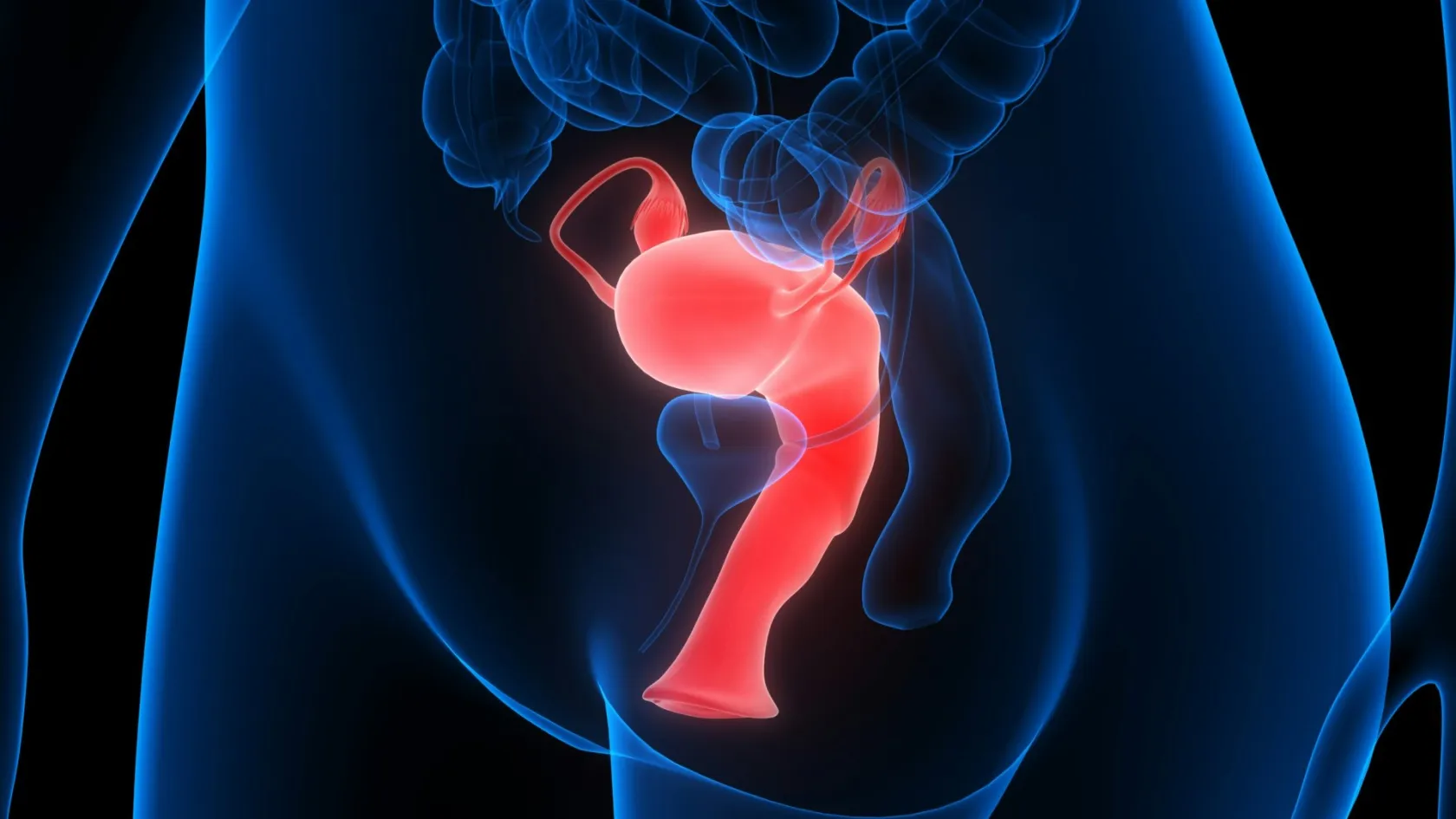
Hysterectomy For Cancer - Uterus Removal Surgery
Four operations share this one name and they are not interchangeable. Whether keyhole surgery is the right route flips depending on which cancer you have.
About This Department
One word covers four operations here, and they are not small variations on each other. A hysterectomy for an early cancer of the womb lining is a straightforward procedure with a short recovery. A radical hysterectomy for a cervical cancer removes the tissue on either side of the cervix along with the top of the vagina, sits beside the ureters and the nerves that control the bladder, and changes how a woman's body works afterwards.
Both go by the same name on a price list.
Two questions separate them. How much tissue comes out, and how the surgeon gets to it, and the honest answer to that second question flips depending on which cancer you have, which is the single least advertised fact in this whole field. Get the name right first.
Free consultation
The biopsy report decides the operation, so send it first
What we need before anything else is the histology, meaning the report from the endometrial sampling or the cervical biopsy, with the cell type and the grade written in it. Send the MRI of the pelvis on a disc where one exists, since depth of invasion into the muscle of the womb and the size of a cervical tumour are measured on it and both change the operation. Add any earlier scan, the result of any smear or HPV testing, and a note of whether you still have periods. Tell us your age, whether you hope to have children, and whether you have had abdominal surgery before. If a fibroid was removed or a hysterectomy already performed elsewhere and cancer was found afterwards, say so plainly and tell us whether the tissue was taken out whole, because that single detail changes the urgency of everything that follows.
Four operations, one word
Getting the name of your operation right is worth the two minutes it takes, because the recovery, the risks and the long term effects follow from it and not from the word hysterectomy. Two minutes, well spent.
This table scrolls sideways on a narrow screen. Swipe or drag to see every column.
| Operation | What comes out, and what it costs you |
|---|---|
| Total hysterectomy | The womb and the cervix, nothing beyond them. This is the standard operation for cancer of the womb lining, it is usually done through keyhole incisions, and recovery is measured in weeks. The word total refers to including the cervix. It says nothing at all about the ovaries. |
| With tubes and ovaries | The same operation with both fallopian tubes and both ovaries added. Standard in cancer of the womb lining, since the ovaries are a site of spread and a source of the hormone that drives the commonest type. In a woman still having periods it produces immediate surgical menopause. |
| Radical hysterectomy | The womb, cervix, the tissue on either side of the cervix and the upper part of the vagina. Used for cervical cancer. The ureters have to be dissected free and the nerves supplying the bladder run through the tissue being removed, which is why bladder problems and sexual difficulties are commoner afterwards. |
| Any of the above plus node assessment | Lymph nodes are sampled or removed to establish whether disease has spread. Where the sentinel node technique is used, a dye finds the first node the womb drains to and only that is taken. A full clearance takes many more and carries a real risk of permanent leg swelling. |
One further term is worth knowing because you may meet it and it is now rarely appropriate in cancer.
A subtotal or supracervical hysterectomy leaves the cervix behind, which has a place in benign surgery where the diagnosis is certain and the specimen can be handled accordingly. Where cancer is known or suspected it does not, and the reason connects to a specific and serious problem set out further down this page. Read that section.
Which cancer changes everything
Three quite different diseases send women to this operation, and the surgical logic differs for each of them in ways that change the size of the incision, the length of the recovery and what a woman lives with afterwards. Cancer of the womb lining, which doctors call endometrial cancer, is the commonest by a wide margin and it usually declares itself early through bleeding after the menopause. That early warning is why most of these cancers are confined to the womb when found, why the operation for them is comparatively modest, and why the outlook is generally good, which is worth saying plainly to anybody reading this in the week they were diagnosed. Cervical cancer behaves differently. It grows outward from the cervix into the tissue on either side, which is why the operation for it takes that tissue and why it is called radical. Sarcomas of the womb, meaning cancers arising from the muscle rather than the lining, are rare and are the reason the rest of this page keeps returning to a single point about how tissue is removed from the body. Ovarian cancer sits outside this page and has its own, since the operation for it is an abdominal clearance rather than a hysterectomy with additions. Its own page covers it.
What follows practically is that a page or a quotation offering hysterectomy for cancer as one product is describing something that does not exist.
The right first question in any consultation is which of these diseases has been diagnosed and on what evidence, and the answer should come from a histology report and never from a scan alone. Tissue decides, and a scan can only suggest.
Keyhole, robot or open incision
Minimally invasive surgery is the most heavily marketed thing in this field and the evidence about it is more interesting than the marketing. For cancer of the womb lining the question is settled. Keyhole surgery gives less pain, a shorter stay and a faster recovery with no cost in cancer outcome, and it is the standard route. For cervical cancer the same question produced one of the biggest reversals in modern surgical oncology, and it has not fully settled. The argument is still running.
The argument, as it currently stands
Evidence emerged showing higher recurrence and lower overall survival after both laparoscopic and robot-assisted radical hysterectomy compared with the open operation, and practice in many countries moved to open surgery as a result. A later meta-analysis reopened the question by separating the two techniques. Across 60 studies of laparoscopic radical hysterectomy with robot-assisted cases excluded, there was no significant difference against open surgery in five year overall survival at an odds ratio of 1.24, in disease-free survival at 1.00, in recurrence at 1.01, or in complications during the operation. Laparoscopy was better on blood loss, on the need for transfusion at an odds ratio of 0.28, on complications after surgery at 0.70 and on length of stay by around three and a half days. Open surgery removed more lymph nodes and took less time. The authors concluded that the survival penalty is not seen for laparoscopy once robot-assisted cases are excluded and recent higher quality studies are included.
That is a live disagreement, and being told so is part of an honest consultation.
What it means for a patient is not that keyhole surgery for cervical cancer is fine after all. It means that the route should be a discussed decision with the reasoning stated, rather than a default set by whichever equipment a hospital has invested in. If you are offered a minimally invasive radical hysterectomy, the reasonable questions are what the unit's own recurrence figures look like, whether the tumour is small enough that they consider the risk low, and what evidence they are relying on. A clinic that presents keyhole surgery for cervical cancer as simply better, with no mention that this has been contested, is not describing the field accurately. Ask what they are relying on.
For womb lining cancer none of this applies and the advice is straightforward. Keyhole or robotic surgery is appropriate, it is what most specialist units do, and choosing an open incision for an early cancer of the womb lining without a specific reason would be the questionable decision. Keyhole is right there.
The instrument used blind
To take a large womb out through small incisions it has to be cut into pieces first, and the instrument that does this is called a power morcellator. Used inside the abdomen without a containment bag, it distributes fragments of whatever it has just cut across the peritoneal surfaces, the omentum and the spaces between loops of bowel, none of which anybody can afterwards inspect. Where the tissue was a fibroid, that is untidy and usually harmless. No more than that. Where the tissue was an undiagnosed sarcoma, it seeds the abdominal cavity with cancer. That is the whole risk. Researchers linked hospital records to cancer registry data across an entire American state and identified 843 women with an occult endometrial carcinoma and 334 with an occult uterine sarcoma who had a hysterectomy or a fibroid removal for what everybody believed was a benign condition. Among the women with a hidden sarcoma, those whose operation involved uncontained power morcellation had an adjusted hazard ratio for death from their disease of 2.66 against open total hysterectomy, with five year disease-specific survival lower by 19.4 percentage points. In the subgroup with leiomyosarcoma, the commonest and most aggressive type, the hazard ratio reached 4.66 against total abdominal hysterectomy and the five year survival gap was 37.3 percentage points. Among the women with a hidden endometrial carcinoma, the surgical approach made no significant difference at all.
Read that last sentence again, because it is the whole lesson of this page in one finding.
The same instrument, in the same operation, is close to harmless in one cancer and catastrophic in another, and nobody knows which they are dealing with until the pathology comes back. That is why a suspicious womb is removed whole through an incision or inside a sealed bag, why the cervix is not left behind when cancer is a possibility, and why an operation for fibroids in a woman whose imaging carries any doubt deserves a conversation about containment before it is booked. Ask about the bag.
What counts as low risk here
The criteria are narrow and they are worth knowing before you ask the question, because they are what the trial actually tested. A squamous, adenocarcinoma or adenosquamous cell type. A tumour of two centimetres or less. Invasion into the cervix limited to the outer half of its thickness on imaging. No evidence of spread to lymph nodes. Women outside those boundaries were not studied, so the finding does not extend to them, and a unit applying the smaller operation to a tumour that does not meet the criteria has gone beyond the evidence rather than following it.
When less surgery is better
For decades a cervical cancer meant a radical hysterectomy regardless of how small it was. A randomised trial tested whether women with genuinely low risk disease could have a simple hysterectomy instead, and reported that the smaller operation was not inferior for cancer outcomes. Its secondary results, published separately, describe what the larger operation had been costing those women in the years afterwards, measured with validated questionnaires rather than by asking whether anybody had complained. The cost was not small.
Sexual health and quality of life were tracked for three years. Women in the radical group scored below the threshold for sexual dysfunction for up to six months. Desire and arousal were better in the simple hysterectomy group at three months, and pain and lubrication were better for up to a year. Sexual distress was higher after radical surgery at three months. On the cervical cancer questionnaire, symptom experience was better after the simple operation for up to two years and body image was better at three, twenty-four and thirty-six months. Sexual and vaginal function was better for up to two years and women in the simple hysterectomy group were more sexually active for the full three years. Overall health status was still significantly higher in the simple hysterectomy group at thirty-six months. Three years, still measurable.
Three years is a long time for a difference to persist and the authors read it as further support for surgical de-escalation in low risk cervical cancer.
The practical consequence is that if you have a small, early, low risk cervical cancer and a radical hysterectomy has been proposed, asking whether you meet the criteria for the simple operation is a fair question with real stakes attached to the answer. Ask whether you qualify.
The nodes and your legs
Removing pelvic lymph nodes answers a question about whether the cancer has spread, and it also removes part of the drainage system for the legs. Swelling of one or both legs afterwards, called lymphoedema, is permanent, gets worse with time, and is among the least discussed consequences of gynaecological cancer surgery despite affecting how a woman dresses, walks and sleeps for the rest of her life. It affects daily life for years in a way that a scar does not. Nobody warns you enough about it.
A randomised trial addressed one specific group of nodes. The circumflex iliac nodes sit at the far end of the external iliac chain, near the point where lymph from the leg enters the pelvis, and removing them had been suspected of causing much of the swelling. Three hundred and twenty-eight women with cervical or endometrial cancer were randomly assigned to have those nodes removed or preserved during pelvic lymphadenectomy, and at twenty-four months the rate of leg lymphoedema was significantly lower in the preservation group for both cancers. Three year overall survival was 96.9 percent with preservation and 95.7 percent with removal. Survival was unchanged.
Two details finish the argument.
Across the entire removal arm, not one of those nodes was found to contain cancer. And among 125 women who had sentinel node mapping with carbon nanoparticles, that group of nodes was never the sentinel node. So an anatomically defined set of lymph nodes was being removed, in a great many women, without ever yielding a positive result, at the cost of a permanent and progressive disability. The parallel with sentinel node techniques is exact. The direction of travel in this surgery is towards taking fewer nodes and knowing more about the ones you take. Fewer nodes, better information.
What the operation involves
A keyhole hysterectomy with node assessment for an early womb cancer takes about two hours, from first incision to the last stitch, with the anaesthetic and the recovery room adding another hour at either end. A radical hysterectomy runs to three or four.
Dye into the cervix
Where sentinel node mapping is planned, a tracer is injected into the cervix at the start, before anything is disturbed, and it travels along the same channels the cancer would take, lighting up the first node the womb drains to, which is the one worth examining most carefully.
Washings and a look around
Fluid is taken from the abdomen for examination and the surfaces are inspected, including the diaphragm and the omentum. This is quick and it occasionally changes the plan, since a womb cancer that has escaped the womb is a different problem from one that has not.
Freeing the ureters
In a radical hysterectomy the tubes carrying urine from the kidneys run through the tissue being removed and each has to be dissected free and kept in view. This is the part that makes the operation radical, it is where the time goes, and it is where injury happens when it happens.
Removing the specimen intact
The womb comes out whole, either through the vagina or through an incision, or inside a sealed bag. Nothing is cut up inside the abdomen. Ever. The vaginal opening is then closed, and that closure is the reason nothing goes into the vagina for six weeks afterwards.
Most women go home on the first or second day after a keyhole operation and on the third or fourth after a radical one. The particular risks worth naming are injury to the ureter or the bladder, which is uncommon and more likely in radical surgery, difficulty passing urine afterwards for the same reason, clots in the legs or lungs, and infection. In radical surgery a catheter sometimes stays in for a week or two because the nerves controlling the bladder have been disturbed, and being warned about that in advance makes it a nuisance instead of a fright. Ask in advance.
Keeping the womb or the ovaries
Two separate questions hide inside the phrase fertility sparing and they have different answers. The first is whether the womb itself can stay, which applies to a young woman with a very early, low grade cancer of the womb lining who has not completed her family. Hormone treatment with progestin, delivered by tablet or by a coil, can reverse the disease in carefully selected women, with close monitoring by repeat sampling and a definite plan to proceed to surgery once childbearing is finished or if the disease fails to respond. It is a real option. It is not for most patients. Selection is everything here. For cervical cancer the equivalent operation is a radical trachelectomy, which removes the cervix and surrounding tissue while leaving the body of the womb in place so that a pregnancy remains possible. A meta-analysis of eight studies covering 1,369 patients compared the open and minimally invasive versions of it. Cancer outcomes were similar, with no significant difference in overall survival at an odds ratio of 1.56 or in recurrence at 0.63. The keyhole version lost less blood. The open version produced significantly more third trimester deliveries, at an odds ratio of 2.68, with no difference in clinical pregnancy or miscarriage rates.
That is an unusual trade to have to weigh and it deserves stating clearly, because it is the ability to carry a pregnancy to term that the fertility sparing operation exists to protect. The authors were careful about their own conclusion, noting that the number of cases was small and that firmer answers need more studies. The second question, whether the ovaries can stay, is separate again. In a young woman with an early low grade womb cancer, keeping the ovaries avoids an abrupt surgical menopause and is reasonable in selected cases. It is not appropriate where the tumour type or stage makes ovarian involvement likely, and it is a discussion to have before the operation rather than a decision to discover afterwards. Raise it before you consent.
Recovery and what changes
Hospital stay is one to two days for a keyhole hysterectomy. Allow three to five for a radical one and four to six where an open incision was used. Return to ordinary activity takes two to four weeks after keyhole surgery. Allow six to eight after an open or radical operation. Nothing goes into the vagina for six weeks while the internal closure heals, which includes tampons and intercourse, and lifting is limited over the same period. Driving resumes once an emergency stop is possible without hesitating.
Six weeks is the number to remember.
Where both ovaries came out in a woman who was still having periods, surgical menopause begins within days and it arrives more abruptly than the natural version. Hot flushes, disturbed sleep, joint aches, vaginal dryness and mood changes all start early, and whether hormone replacement is appropriate depends on the tumour type, and in many womb cancers it is a genuinely open question rather than an automatic refusal, so it is worth asking for a considered answer. Non-hormonal options exist where replacement is unsuitable. Ask for a considered answer.
Sexual function after this surgery is discussed far less often than it should be, and the trial evidence above shows the effects are real, measurable and persistent for years after radical surgery. Vaginal dryness, a shortened vagina after radical hysterectomy, and pain on intercourse are all common and all treatable, with moisturisers, vaginal dilators and pelvic floor physiotherapy delivered by somebody who does this work regularly.
Nobody should be told this is simply the price of survival. Ask, early, and expect an answer. Treatment exists.
Coming to Istanbul
How long you need to stay in Istanbul is ten days to two weeks for a keyhole hysterectomy with node assessment and two and a half to three weeks for a radical hysterectomy, hotel nights included. The first days go on assessment. Outside histology is re-read by our own pathologists, since the cell type and grade decide the operation and a difference of opinion here changes everything downstream. An MRI of the pelvis is reviewed or repeated, general fitness is checked, and the case is discussed at a gynaecological oncology multidisciplinary meeting before the operation is fixed. The pathology after surgery determines whether anything else is needed. That report takes a week to ten days. It settles the final stage, the depth of invasion, whether lymphovascular spaces are involved and the molecular subgroup, which together decide whether radiotherapy or chemotherapy is recommended. Waiting for it before flying home is the reason the stay is longer than the recovery alone would require, and leaving without it means starting any further treatment blind. Wait for the report.
Flying home is reasonable at seven to ten days after keyhole surgery and around two weeks after a radical or open operation, once the wound is healed and the pathology has been discussed with you face to face. Clot risk is raised after pelvic cancer surgery, so anticoagulant injections continue after discharge, compression stockings matter and moving about the cabin is part of the plan. Interpreting is arranged in advance in English, Arabic, Russian, French and German. You go home with the operative note naming the exact operation performed, the full pathology with stage and molecular subgroup, and a written plan for any further treatment. Check it before you fly.
What moves the cost
Since four operations share this name, a single figure attached to the word hysterectomy tells you nothing about which one you would be having.
What moves it is clinical throughout.
- Which operation, meaning total against radical, since the radical version takes longer and requires dissection around the ureters and pelvic nerves.
- The route, since robotic surgery carries instrument costs that keyhole and open surgery do not.
- Whether sentinel node mapping is used, which needs a tracer and sometimes a fluorescence camera, or whether a full node clearance is performed.
- Whether a containment bag or specimen retrieval system is required for safe removal.
- How much pathology the specimen needs, including the molecular classification that now guides treatment in womb cancer.
- Whether outside slides are being re-read here, which frequently avoids repeating a biopsy.
- Whether an MRI is done here or has already been done to an acceptable standard elsewhere.
- Whether radiotherapy or chemotherapy forms part of the plan and where it will be delivered.
Ask any written quotation five questions. Does it name the specific operation. Does it include the full pathology with molecular classification. Does it cover conversion to an open operation if that becomes necessary during surgery. Does it cover treatment of a complication, naming a ureteric injury and a wound infection specifically. And what happens to the figure if the pathology after surgery turns out worse than the biopsy suggested and further surgery is advised. A quotation that answers those is one you can rely on. Ask all five.
Follow-up once you are home
Surveillance is clinical examination every three to four months for the first two years, then every six months to year five, with imaging used when the examination or a symptom raises a question. Most recurrences of womb lining cancer announce themselves through bleeding from the vagina, which is why reporting any bleeding promptly turns out to be more useful than any routine scan a follow-up programme could offer you. Leg swelling should be reported early too, since lymphoedema responds far better to compression and physiotherapy started in the first months than to treatment begun after a year of hoping it would settle. Report it in week one.
Four documents make the handover work, and you should leave with all of them.
- The operative note naming the exact operation, the route used, whether the specimen was removed intact and which nodes were taken.
- The pathology report with the cell type, the grade, the depth of invasion, the final stage and the molecular classification where it was performed.
- A written statement of whether radiotherapy or chemotherapy is recommended, with the reasoning behind it.
- A menopause and sexual health plan where both ovaries were removed or radical surgery was performed, naming what is being offered and who will review it.
Our team stays reachable for your own doctor's questions afterwards, and where a symptom or a scan raises a question that turns on what was done in theatre we would rather answer it than have it guessed at. Send it over.
Frequently asked questions about hysterectomy for cancer
What is the difference between a total and a radical hysterectomy?
Is keyhole surgery safe for my cancer?
Why does it matter whether the womb comes out in one piece?
Do I definitely need a radical hysterectomy for cervical cancer?
Will my legs swell after lymph node removal?
Can I still have children after cervical cancer surgery?
Will I go through the menopause immediately?
How long should I plan to be in Istanbul?
References
- Xu X, Lin H, Wright JD, et al. Association between power morcellation and mortality in women with unexpected uterine cancer undergoing hysterectomy or myomectomy. Journal of Clinical Oncology. 2019;37(35):3412-3424.
- Marchand G, Masoud AT, Abdelsattar A, et al. Meta-analysis of laparoscopic radical hysterectomy, excluding robotic assisted, versus open radical hysterectomy for early stage cervical cancer. Scientific Reports. 2023;13(1):273.
- Ferguson SE, Brotto LA, Kwon J, et al. Sexual health and quality of life in patients with low-risk early-stage cervical cancer, results from GCIG/CCTG CX.5/SHAPE trial comparing simple versus radical hysterectomy. Journal of Clinical Oncology. 2025;43(2):167-179.
- Wang J, Lu Y, Li F, Yao D. Preserving circumflex iliac lymph nodes to reduce the incidence of lower limb lymphedema following lymphadenectomy in cervical and endometrial cancers, a prospective randomized controlled trial. PLoS One. 2024;19(12):e0311144.
- Lv Z, Wang YY, Wang YW, et al. A meta-analysis of treatment for early-stage cervical cancer, open versus minimally invasive radical trachelectomy. BMC Pregnancy and Childbirth. 2023;23(1):727.
Editor's note
Written by the Biruni Hospital medical editorial team. Reviewed by Prof. Dr. Özcan YILDIZ, Medical Oncology.
Medically reviewed by

Prof. Dr. Özcan YILDIZ
Medical Oncology
Related Treatments
View All-
Bilateral Mastectomy
Whether you carry a BRCA mutation, have cancer in one breast or in both, bilateral mastectomy removes both breasts in one operation, and how much it helps depends on which of those three paths brought you to it.
-

Breast Conserving - Lumpectomy Surgery
Keeping the breast has never been the less thorough choice, and the largest recent studies now point the other way. This page explains who can have breast conserving surgery, what the margin report decides, and how long a woman traveling for it needs to stay.
-

Cytoreductive - Tumor Reduction Surgery
Patients cleared of every visible deposit lived 30 months in one gastric series. Those left with anything at all lived 7.3 months, however little remained.
-
Debulking - Ovarian Cancer Tumor Reduction
Two women with the same diagnosis on the same morning can get operations that share almost nothing. What decides it is who measured the disease first.
-

Debulking Surgery
Surgeons removed a median of 57 lymph nodes from women already cleared of visible disease. It bought no extra months, and tripled deaths within 60 days.