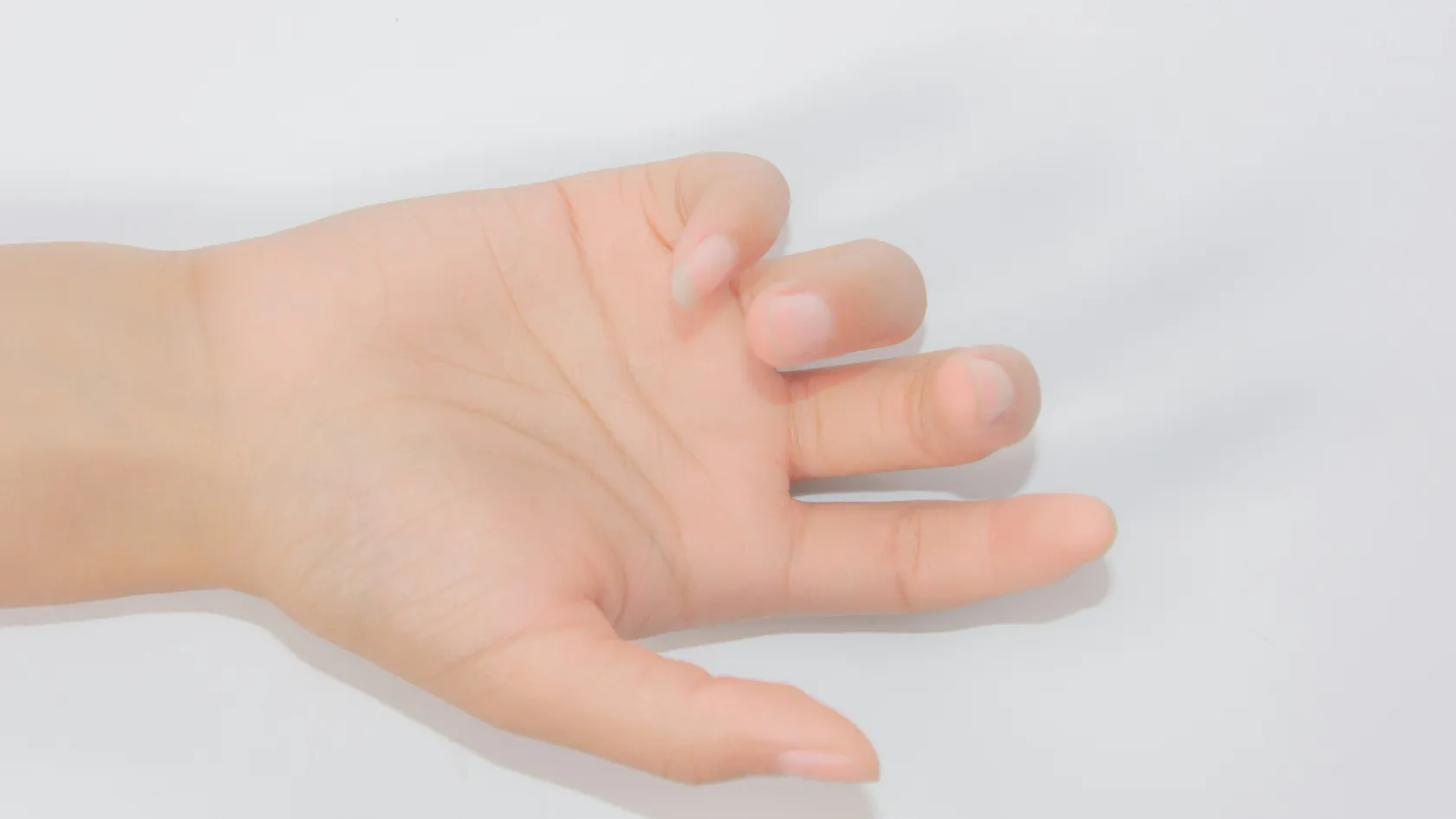
Carpal tunnel release, trigger finger release and many other hand operations take less than half an hour under local anesthesia with you awake, and the hand therapy that follows decides how well the fingers grip and open afterward.
About This Department
Orthopedics
Many hand operations take less than half an hour. The therapy afterward decides how well the hand works.
In a randomized trial of 176 patients with carpal tunnel syndrome, 90 percent of those treated with surgery counted the treatment a success at eighteen months, against 75 percent of those treated with a night splint.
90%
Success at 18 months after carpal tunnel surgery in a randomized trial
93%
Of patients operated awake who would choose it again
3 to 7 days
Usual stay in Istanbul for a planned hand operation
Free
Review of your records before you book
Free consultation
The review costs nothing and carries no obligation. Send nerve conduction results, hand X-rays, any ultrasound or MRI and photos of the hand open flat and in a fist, and a hand surgeon will tell you which operation fits, whether it can be done awake, and how long to plan for. A coordinator replies in your own language.
Numb fingers wake you at night, a finger locks in the palm, a cord pulls the little finger down, or the base of the thumb aches every time you turn a key. Hand surgery covers the operations that release trapped nerves and tendons, straighten contracted fingers, rebuild worn joints and repair injured tendons, nerves and bones, and many of them now take less than half an hour under local anesthesia with you awake. Below you will find the common conditions and what fixes each, what trials found for carpal tunnel and Dupuytren disease, how awake surgery works, how to prepare, the risks, hand therapy and recovery, how long to stay in Istanbul, and the follow-up at home.
What hand surgery treats
Most hand operations fall into two groups. The first is wear and pressure, which builds slowly over months or years, so carpal tunnel syndrome, trigger finger, Dupuytren disease, arthritis at the base of the thumb and ganglion cysts belong here, and almost all of them can be planned, done in a day and followed by a short trip home. The second is injury, a cut tendon, a nerve divided by glass, a broken finger or wrist bone that has healed crooked or not at all, where timing matters and some repairs work best within days of the accident. Children with a congenital difference of the hand, such as joined or extra fingers, form a third and smaller group with its own timing. Whatever the group, the aim is the same, a hand that feels, grips and opens fully, and the surgeon judges success by what you can do with it in daily life rather than by the look of the scar.
Signs that need a hand surgeon soon
Constant numbness rather than numbness at night, weakness or wasting of the muscle at the base of the thumb, a finger that has stayed locked, or a contracture that keeps the hand from lying flat.
This table scrolls sideways on a narrow screen. Swipe or drag to see every column.
Common hand conditions and the usual operation
Condition
Usual operation
Typical anesthesia
Light use of the hand
Carpal tunnel syndrome
Release of the ligament over the median nerve, open or endoscopic
Local, often awake
Within days
Trigger finger
Release of the A1 pulley at the base of the finger
Local, awake
The same day
Dupuytren contracture
Needle fasciotomy or removal of the diseased cord
Local or regional
Days to a few weeks
Thumb base arthritis
Trapeziectomy, with or without a tendon reconstruction
Regional or general
After six weeks in a splint
Ganglion cyst
Removal with its stalk
Local or regional
Within days
Tendon or nerve injury
Repair under magnification, sometimes a graft
Regional or general
Protected therapy for weeks
Carpal tunnel, a splint or an operation
Night numbness in the thumb, index and middle fingers is the classic first sign.
One Dutch trial, published in JAMA in 2002, assigned 176 patients by chance with carpal tunnel syndrome to a night splint or to surgical release of the nerve, and three months later 80 percent of the surgical group counted the treatment a success against 54 percent of the splint group, a gap that held at eighteen months with 90 against 75 percent. By then 41 percent of the patients who started in a splint had chosen surgery anyway. Surgery gave better results for most patients. A splint remained a fair first step for mild symptoms, and nerve conduction tests confirm the diagnosis and show how hard the nerve has been squeezed before anyone decides.
Signs it may be time
Numbness that wakes you most nights, weakness or wasting at the base of the thumb, dropping things, nerve tests showing moderate or severe compression, or symptoms that came back after a splint or an injection.
Talk to us first
Mild symptoms only now and then, numbness that began during pregnancy, an untreated thyroid problem or diabetes that is out of control, or tingling in all five fingers, which points to the neck rather than the wrist.
The release itself takes ten to fifteen minutes.
Trigger finger and Dupuytren disease
Trigger finger
When a tendon catches in its tunnel, the finger clicks or locks in the palm. A steroid injection settles many cases, and when it does not, an open release of the first pulley succeeds in 90 to 100 percent of published series, takes minutes under local anesthesia, and in one large review of 795 releases led to minor complications in 9.6 percent and major ones in 2.4 percent.
When an injection comes first
A finger that has triggered for weeks rather than years, no fixed lock, and no diabetes, which lowers the chance that a steroid injection settles it.
Dupuytren disease
Thick cords in the palm draw one or more fingers down until the hand will not lie flat on a table. The choice lies between a needle fasciotomy, which divides the cord through the skin with a needle in a few minutes, and a limited fasciectomy, which removes the diseased tissue through an incision and needs weeks of therapy. A trial from Groningen followed 111 patients for five years and found the cords had come back in 84.9 percent after needle fasciotomy against 20.9 percent after fasciectomy, yet 53 percent of the needle group said they would choose the needle again for a recurrence, because the first recovery had been so quick.
Quick now, or lasting longer.
Who tends to do better with the needle
Older patients, a single cord in the palm, a contracture mostly at the knuckle joint, and anyone who wants a quick recovery and accepts a likely repeat.
Who tends to do better with fasciectomy
Younger patients with aggressive disease, contracture at the middle joint of the finger, several fingers involved, and anyone who has already had a needle procedure fail.
This table scrolls sideways on a narrow screen. Swipe or drag to see every column.
Five-year results of the Groningen Dupuytren trial
Measure
Needle fasciotomy
Limited fasciectomy
Contracture returned by five years
84.9 percent
20.9 percent
Recovery after the procedure
Days
Weeks, with therapy
Would choose the needle again
53 percent
Not applicable
Arthritis at the base of the thumb
Pain at the base of the thumb when pinching, opening jars or turning a key often comes from wear in the small joint between the thumb metacarpal and the trapezium bone. Splints, hand therapy and injections come first, and surgery waits until they no longer help.
Eleven trials with 670 patients went into a Cochrane review, updated in 2015, which compared seven operations for this joint and found that none was clearly better than another for pain or function, while simple removal of the trapezium caused 10 adverse events per 100 patients against 19 when a tendon reconstruction was added. Many surgeons therefore keep the operation simple.
The simplest operation held its own.
What trapeziectomy involves
The small trapezium bone at the base of the thumb is removed, the space fills with scar tissue that acts as a cushion, and a cast or splint holds the thumb for four to six weeks. Grip and pinch strength keep improving for six to twelve months, and most patients describe pain relief rather than a stronger thumb.
Awake surgery under local anesthesia
Wide awake local anesthesia with no tourniquet, known by its initials WALANT, uses lidocaine mixed with epinephrine injected around the operation site, so the hand goes numb, bleeding stays low and no arm cuff is needed. You stay awake, eat as usual beforehand and can move the finger on the table, which lets the surgeon check a tendon repair or a release while the wound is still open.
In a 2013 study of 200 carpal tunnel releases, patients treated awake spent 2.6 hours at the hospital against 4.0 hours for sedated patients, needed preoperative blood tests, heart tracings or chest X-rays in 3 percent of cases against 48 percent, and used opioid painkillers in 5 percent against 67 percent. Both groups liked the method they had received, and 93 percent of each would choose it again.
Awake surgery has limits. Long reconstructions, large bone work and very anxious patients still suit a regional block or general anesthesia.
Tendon, nerve and bone injuries
Act fast after a cut.
Surgeons repair a flexor tendon cut in the finger within the first days, before the ends pull back and stiffen, and a divided nerve is joined under magnification, with recovery of feeling creeping forward at roughly a millimeter a day. Fractures of the fingers and wrist are held with wires, screws or small plates when they are unstable or the joint surface is broken, and a fracture that healed crooked or never healed can be corrected later with an osteotomy or a bone graft. Reattachment of an amputated finger and free tissue transfer belong to microsurgery and are covered on that page.
Go to an emergency department now
A finger that is pale or cold, a cut with numbness beyond it, a finger that cannot bend at one of its joints, a bite wound, or a red, swollen and painful finger with fever, because a tendon sheath infection needs surgery within hours.
Repairing an old injury
Tendons and nerves cut weeks or months ago can still be helped, with a tendon graft or transfer or a nerve graft, but the result is rarely as good as an early repair, and the surgeon first checks that the joints still move freely.
Getting ready for surgery
1
Send the records
Nerve conduction results, X-rays, any ultrasound or MRI, and photos of the hand open flat and in a fist.
2
Medicines
Blood thinners are often continued for awake surgery. Your surgeon decides, so do not stop them on your own.
3
Rings and nails
Rings come off before you travel, because the hand swells. Nail polish comes off too.
4
Help at home
One hand is out of action for a while, so plan for help with cooking, dressing and carrying bags.
Risks and how they are kept low
Serious complications are uncommon after planned hand operations.
Most problems come down to a tender scar, stiffness or swelling that settle with therapy over weeks.
Scar tenderness and pillar pain
Pain in the palm beside the scar after carpal tunnel release, fading within three to six months in most patients. Massage and desensitization help.
Stiffness
Early movement, hand therapy and keeping the hand above the heart prevent most of it.
Nerve injury and infection
Uncommon. Careful technique, magnification and clean wound care keep them rare.
Complex regional pain syndrome
Burning pain, swelling and color change out of proportion to the operation. Early recognition and therapy matter most.
Recurrence
Dupuytren cords and some trigger fingers can return, and a second procedure is possible.
Hand therapy and recovery
Therapy decides half the result.
After a carpal tunnel or trigger finger release, most people bend and straighten the fingers the same day, use the hand for light tasks such as eating and typing within days, and wait two to four weeks before heavy gripping, and night numbness often eases within the first nights, while long-standing numbness and lost thumb strength can take months to return and sometimes never fully do. A fasciectomy or a tendon repair is different, because a therapist makes a custom splint in the first days, teaches a precise exercise program that protects the repair while keeping it gliding, and checks progress over the following six to twelve weeks, because a repaired tendon left still sticks to its surroundings and a repaired tendon pulled too hard can snap. Hand therapy lives in the balance between those two dangers, and patients who keep to the program at home, several short sessions a day rather than one long one, regain the most movement. Stitches come out at ten to fourteen days.
A nurse at home can remove them.
Back to work and driving
Desk work often after a few days to two weeks for a release, and after four to eight weeks for a fasciectomy or trapeziectomy. Manual work waits longer. Driving resumes once you can grip the wheel firmly and turn it quickly in an emergency.
How long to stay in Istanbul
Plan for three to seven days.
Istanbul carpal tunnel packages published online include one night in hospital, and a release under local anesthesia often needs none at all, so a short trip covers the consultation, the operation and a wound check before you fly. Fasciectomy, trapeziectomy and tendon repair call for a week so that the therapist can fit the splint and teach the exercises, and a longer reconstruction or a complex injury can need more. Flying is fine within a day or two of a small operation, with the hand raised on a cushion.
What decides the cost
The type of operation, local or general anesthesia, any implant or graft, a hospital night and the number of therapy sessions set most of the figure.
Published carpal tunnel packages in Istanbul list the operation with anesthesia, one night in hospital, the consultation before surgery, transfers and an interpreter, and leave out flights and hotel nights, while some add an imaging test only when the surgeon asks for it. Take-home medicines, a ready-made brace and therapy sessions after discharge sit outside several of them, so ask what happens if you need one more wound check or session before you fly. A quote you can compare names the operation, the anesthesia, the nights in hospital and the therapy sessions. That figure comes only from a hand surgeon reading your records. Thumb base surgery and tendon repairs add a custom splint and more therapy sessions, an injury repaired weeks late may need a graft and a longer operation, and when both hands need a carpal tunnel release, doing them in one sitting or on separate days changes both the plan and the figure. The review costs nothing.
Arranging the trip
Your coordinator answers the first WhatsApp message, stays with you until you fly home and keeps the same number afterward, and the team speaks English, Arabic, French, Russian, Serbian, Romanian and Spanish, with an interpreter for any other language. One person can stay in your room on a companion bed, and the international patients office books the hotel, sends the invitation letter for a medical visa ten days before travel and arranges transfers. Halal, vegetarian and diabetic meals come from the hospital kitchen, a prayer room sits on site, and a request for a female physician goes to the department with your first message.
Bring loose clothes with wide sleeves.
Once you are back home
Keep the hand raised for the first days and the dressing dry. A local therapist can continue the program the team in Istanbul wrote, and photos or videos of the finger moving reach the surgeon through the coordinator on WhatsApp.
Spreading redness, fever, a wound that opens or leaks, or a sudden loss of movement after a tendon repair. Each needs a doctor the same day.
Hand surgery FAQ
Will I be awake during hand surgery?
For many operations, yes. Carpal tunnel, trigger finger and many other operations are done under local anesthesia with epinephrine, and you can move the finger during surgery.
Is carpal tunnel surgery better than a splint?
In a randomized trial, 90 percent of surgical patients counted the treatment a success at eighteen months against 75 percent with a splint, and 41 percent of the splint group later had surgery.
Does Dupuytren contracture come back?
It can. Five years after treatment, cords had returned in 84.9 percent after needle fasciotomy and 20.9 percent after fasciectomy in one trial.
How long is the recovery?
Days for light use after a release, four to six weeks in a splint after thumb base surgery, and six to twelve weeks of therapy after a tendon repair.
How long should I stay in Istanbul?
Three to seven days for most planned operations, longer for a complex injury or reconstruction.
Can a family member stay with me?
Yes. One companion stays in your room on the companion bed, and the international patients office arranges the hotel.
References
Gerritsen AAM, de Vet HCW, Scholten RJPM, Bertelsmann FW, de Krom MCTFM, Bouter LM. Splinting vs surgery in the treatment of carpal tunnel syndrome: a randomized controlled trial. JAMA. 2002;288(10):1245-1251.
van Rijssen AL, ter Linden H, Werker PMN. Five-year results of a randomized clinical trial on treatment in Dupuytren's disease: percutaneous needle fasciotomy versus limited fasciectomy. Plast Reconstr Surg. 2012;129(2):469-477.
Elahi MA, et al. Tendon sheath incision for surgical treatment of trigger finger. JBJS Essent Surg Tech. 2023;13(1).
Wajon A, Vinycomb T, Carr E, Edmunds I, Ada L. Surgery for thumb (trapeziometacarpal joint) osteoarthritis. Cochrane Database Syst Rev. 2015, Issue 2, CD004631.
Davison PG, Cobb T, Lalonde DH. The patient's perspective on carpal tunnel surgery related to the type of anesthesia: a prospective cohort study. Hand (N Y). 2013;8(1):47-53.
Editor's note
Written by the Biruni Hospital medical editorial team. Reviewed by Assoc. Prof. Dr. Necdet DEMİR, Orthopedics and Traumatology.