The Thoracic Surgery Center in Istanbul covers keyhole lung cancer surgery, pectus excavatum correction and hyperhidrosis, with a free written file review.
Let us call you
Send us your contact information and we will call you as soon as possible.
About This Center
Three very different situations bring people to this page: a lung tumor that needs an operation, a chest that has looked sunken since childhood, and hands that sweat heavily enough to disrupt work and daily life. The Thoracic Surgery Center at Biruni Hospital, a university hospital in Istanbul with more than 600 beds, treats all three, and what follows explains for each one who qualifies, what the operation involves, what the recovery genuinely looks like, and how the trip is planned around it.
Free consultation
A thoracic surgeon reads your file before you book anything
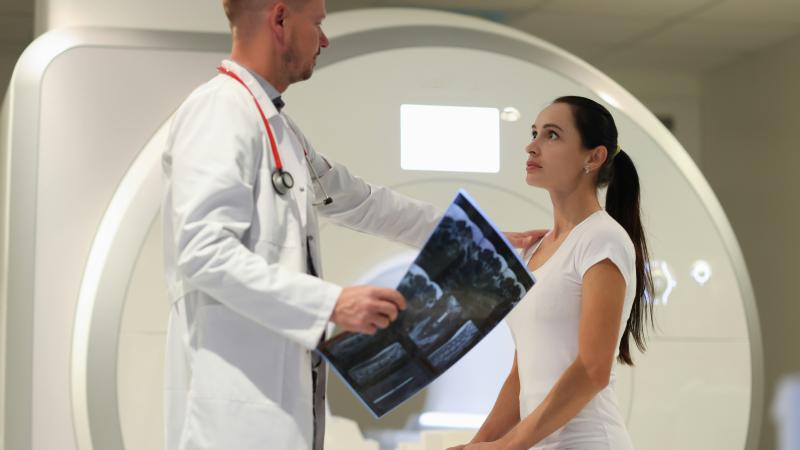
The remote review is free of charge and commits you to nothing. Send your chest CT as the actual images, any breathing test results, or photographs of the chest for pectus excavatum, and you receive a written candidacy opinion: whether an operation makes sense for you, which one, and how many nights in Istanbul it would take.
Thoracic surgery is the surgery of the chest with the heart set aside: the lungs and their airways, the mediastinum, which is the space between the lungs, the chest wall, and the sympathetic nerve chain running beside the spine. The Thoracic Surgery Center works across that whole territory, inside a hospital where Pulmonology, radiology, pathology and intensive care operate under the same roof.
Cancer makes up most of the caseload. Lobectomy and segmentectomy remove the lobe, or the smaller segment, of lung that carries a tumor, and in selected patients the surgeons also remove lung metastases, secondary deposits from a cancer that started elsewhere, when the original disease is under control and the deposits are few enough to count. Every lung cancer case is staged and sequenced within the hospital's multidisciplinary cancer pathway, so the operation takes its place inside a treatment plan rather than standing alone.
Masses of the mediastinum form a second group. The most frequent is thymoma, a tumor of the thymus gland, which in some patients travels together with the muscle-weakness condition myasthenia gravis, so the workup looks for both at once. Narrowing of the trachea and other airway problems are handled in the same unit.
Spontaneous pneumothorax is the collapsed lung of the young, tall and often smoking patient. A first collapse is usually drained and watched. A second one argues for an operation that staples the leaking area and fixes the lung surface to the chest wall so it cannot fall again.
Two conditions bring otherwise healthy people here: pectus excavatum, the sunken breastbone of adolescence, and severe palmar hyperhidrosis, hand sweating heavy enough to interfere with a career. Each has its own section further down. One boundary is worth stating at the start: operations for esophageal and stomach cancer belong to the hospital's Surgical Oncology Center, not to this one.
Keyhole lung cancer surgery and who qualifies for it
Keyhole lung cancer surgery now rests on randomized evidence, not on surgical habit. The VIOLET trial randomized 503 patients with early-stage lung cancer between video-assisted thoracoscopic (VATS) lobectomy, done through small incisions with a camera, and conventional open surgery. The keyhole group had less pain in hospital, fewer complications and a shorter stay, with no compromise in early oncologic outcomes. That 2022 result is why this center reaches for the VATS approach first whenever the tumor's size and position allow it, and says so plainly when they do not.
Pathology stays involved while you are still asleep. Frozen section, the rapid examination of tissue during the operation itself, lets the team check a margin or a lymph node within minutes and adjust the resection accordingly, which is standard discipline in cancer surgery.
Candidacy is where lung surgery differs from almost every other operation. A resection removes working lung, permanently, so the question is never only whether the tumor can come out. The lung you keep has to carry your daily life afterward, and breathing tests answer whether it can. Spirometry, performed with the Pulmonology department before any decision, weighs as heavily as the CT scan does; a tumor that is technically removable can still be inoperable in a patient whose airflow numbers cannot afford the loss.
Smoking sits in the same calculation. Stopping before thoracic surgery is part of candidacy rather than general advice, because an airway still being smoked heals worse, clears secretions worse and leaks air for longer.
Some patients fail this arithmetic, and the honest response is to not operate. Patients whose lungs or overall health cannot tolerate a resection are treated with stereotactic radiotherapy (SBRT) at the hospital's Radiation Oncology Center instead. A referral there is an ordinary result of the review, and this center would sooner send you across the corridor than operate on lungs that cannot afford the loss.
The chest tube, the air leak and the flight home
One tube governs the timetable after most chest operations, and almost no clinic page explains it. A drain is left between the lung and the chest wall, and it stays until the lung has sealed: until air stops escaping through it and the fluid it collects falls to a small daily amount. The wound heals on schedule almost every time. The tube does not follow a schedule, and it is the tube, not the incision, that usually decides your discharge day.
Air leak is the complication worth naming before you travel. After a resection, air can keep seeping from the raw lung surface for days, occasionally longer, and no surgeon can promise the day it will stop. Most patients leave within the windows in the table below; a minority stay longer because of a stubborn leak. Plan the trip with slack in it instead of back-to-back bookings.
Typical patterns, confirmed individually at the file review
Operation
Nights in hospital
The flight home
Keyhole (VATS) lobectomy
often 4 to 6, the drain decides
surgeon's clearance, counted in weeks, set on the follow-up X-ray
Pneumothorax surgery
commonly 3 to 5
a defined no-fly period, decided medically, never guessed
Nuss correction of pectus
usually 3 to 5
cleared at the pre-discharge review, before you book the return
Sympathectomy for hand sweating
day case or one night
usually within days, after a check of the chest X-ray
Flying deserves a paragraph of its own. A freshly operated or recently collapsed lung does not tolerate the pressure changes of an aircraft cabin, so the return flight waits for the surgeon's written clearance, which after a lung resection usually arrives a matter of weeks after the operation and is judged on the follow-up chest X-ray, not on the calendar. After a pneumothorax specifically, the no-fly period is a medical decision in its own right. Nobody should guess it around a ticket price.
Correcting the sunken chest across two visits
Pectus excavatum is a breastbone that grew inward, leaving a visible dent in the front of the chest. Adolescence is the classic age for correction, while the chest wall is still flexible; younger children with chest deformities go through the hospital's pediatric surgery pathway instead. Severity is measured on a CT scan as an index comparing the chest's width to its depth, and that number, together with photographs, is what a surgeon abroad needs to form an opinion.
The standard correction is the one Donald Nuss reported in 1998 after ten years of use: a curved metal bar is slid behind the sternum through two small incisions at the sides of the chest and rotated, pushing the breastbone outward into a normal position without cutting or removing any cartilage. The bar then works slowly. It stays in place for roughly 2 to 3 years while the chest remodels around its corrected shape, and during those years life is essentially normal, school and most sport included once the early healing months have passed. Removal is a short second procedure.
For an international family this means a plan across years, and it has to be explicit before the first operation. Either the patient returns to Istanbul for the bar removal, or a thoracic surgeon at home removes it using the operation record and hardware details this center provides. Which of the two it will be is agreed in writing in advance, not worked out when the time arrives.
Motive deserves the same honesty. Correction is partly functional, because a deep dent can press on the heart and lungs, and partly about how the chest looks and how a teenager carries it. Both reasons are legitimate, and pretending the second one does not exist helps nobody.
Surgery for severe hand sweating, and the trade it asks
Severe palmar hyperhidrosis is a medical condition, not nervousness. Hands that soak paperwork, blur phone screens and turn every handshake into a calculation reflect an overactive sympathetic signal, and they do not respond to willpower. Treatment starts conservatively, with prescription antiperspirants, iontophoresis and injections that quiet the sweat glands for some months. Surgery is reserved for severe cases in which those measures have failed.
Endoscopic thoracic sympathectomy interrupts the sympathetic chain through keyhole incisions, and for severe hand sweating it works. The Society of Thoracic Surgeons published an expert consensus in 2011 confirming its effectiveness in well-selected patients, and the same document is equally clear about the price. Compensatory sweating, meaning new sweating elsewhere on the body, most often the back, chest or thighs, is the main long-term side effect. It is common. It is also as permanent as the cure, because the operation cannot be undone, and the consensus makes discussing it a required part of consent.
A page that promises dry hands and never mentions compensatory sweating is selling an operation rather than seeking consent for one. Here the trade is put in writing before you travel, and the decision stays yours with the full ledger in view. Logistically this is the friendliest procedure in the center: day case or a single overnight stay, small dressings, and a review before a flight home that usually follows within days.
The file review, the trip and what moves the price
Everything begins with a free remote review of your records, and what to send depends on which of the three situations is yours. For a lung case: the chest CT, plus the PET scan if one was done, as actual image files rather than written reports alone, any biopsy or pathology result, the breathing test printout and your smoking history. For pectus excavatum: photographs of the chest taken as the coordinators instruct, a CT if one exists, and the patient's age. For hyperhidrosis: a plain description of how severe the sweating is and everything already tried. A current medication list belongs in every file.
The reply comes back in writing. It states whether you are a candidate, which operation is proposed and through which approach, how many nights in Istanbul to plan for, the usual flight-clearance pattern for your situation, and an itemized quote. Interpreter support, airport transfer and help with accommodation are arranged by the international office once a date is set.
Follow-up does not end at the airport. Before discharge you receive the operation note, the pathology report once it is final, and a letter a doctor at home can act on; wound checks and remaining questions are handled over the same WhatsApp line once you are back home. A pectus patient stays in planned contact for the whole bar period, and a lung cancer patient's ongoing oncology care is handed over in writing to the team continuing it.
Four things move the price: the procedure and its approach, the hospital nights, which the air-leak reality can stretch, the staging tests a cancer case needs, and for pectus the bar hardware together with its eventual removal. Package listings on international booking platforms span roughly 5,000 to 25,000 US dollars across thoracic procedures, an indicative spread that mostly shows why a figure means little before your file has been read. This center quotes after reading it, not before, and the quote is itemized so you can see what each part covers.
Questions patients ask before thoracic surgery
Is keyhole surgery as good as open surgery for lung cancer?
For early-stage lung cancer, the randomized VIOLET trial of 503 patients found that keyhole (video-assisted thoracoscopic) lobectomy caused less in-hospital pain, fewer complications and a shorter hospital stay than open surgery, with no compromise in early oncologic outcomes. Keyhole surgery is therefore the preferred approach where the tumor allows it. Some tumors still need an open operation because of their size or position, and the file review states which approach is realistic in your case.
When can I fly home after lung surgery?
Not on a fixed date. A recently operated lung and cabin pressure are a poor combination, so the return flight waits for the surgeon's clearance, which usually comes a matter of weeks after a lung resection and is judged case by case on the follow-up chest X-ray. After a pneumothorax the no-fly period is a medical decision in its own right. Book tickets you can change.
How long does the pectus bar stay in, and who removes it?
The Nuss bar stays behind the sternum for roughly 2 to 3 years while the chest holds its corrected shape, and life is essentially normal during that period. Removal is a short second procedure. International patients agree the plan in advance: either a second trip to Istanbul for the removal, or removal by a thoracic surgeon at home using the operation record and hardware details this center provides.
Does sympathectomy stop hand sweating permanently, and what is the catch?
Endoscopic thoracic sympathectomy is effective and permanent for severe palmar hyperhidrosis, and the Society of Thoracic Surgeons consensus supports it in well-selected patients. The catch is compensatory sweating: new sweating elsewhere on the body, most often the back, chest or thighs. It is common, it is permanent too, and the same consensus makes it a required part of consent. You receive this trade in writing before you travel, not after you arrive.
What happens if my breathing tests are not good enough for surgery?
Then this center does not operate on you. Removing lung tissue is only safe when the lung that remains can carry your daily life, and spirometry decides that as much as the tumor does. Patients who cannot tolerate a resection are treated with stereotactic radiotherapy at the hospital's Radiation Oncology Center instead, and that referral is a routine outcome of the review, not a failure of it.
What does thoracic surgery in Turkey cost?
No single figure covers it, because the price follows the operation and its approach, the number of hospital nights, the staging tests a cancer case needs, and for pectus the bar hardware and its later removal. Package listings on international booking platforms span roughly 5,000 to 25,000 US dollars across thoracic procedures, an indicative range only. After the file review you receive a written itemized quote for the specific operation proposed.
What should I send for the free file review?
For a lung case, send the chest CT and any PET scan as actual images, the biopsy or pathology report if one exists, breathing test results and your smoking history. For pectus excavatum, send photographs of the chest taken as instructed, a CT if available and the patient's age. For hyperhidrosis, describe how severe the sweating is and what you have already tried. Always include your medication list. The written reply covers candidacy, the operation proposed, the expected stay and the quote.
References
Lim E, Batchelor TJP, et al. Video-assisted thoracoscopic or open lobectomy in patients with early-stage lung cancer: the VIOLET randomized controlled trial. Health Technol Assess. 2022;26(48):1-162.
Nuss D, Kelly RE Jr, et al. A 10-year review of a minimally invasive technique for the correction of pectus excavatum. J Pediatr Surg. 1998;33(4):545-552.
Cerfolio RJ, De Campos JRM, et al. The Society of Thoracic Surgeons expert consensus for the surgical treatment of hyperhidrosis. Ann Thorac Surg. 2011;91(5):1642-1648.
Editor's note
Written by the Biruni Hospital medical editorial team. Reviewed by Assistant Professor Elif CÖMERT ÖZER, Dermatology.