he Surgical Oncology Center in Istanbul explains clean margins, treatment order and the HIPEC evidence, and answers in writing whether your tumor is operable.
Let us call you
Send us your contact information and we will call you as soon as possible.
About This Center
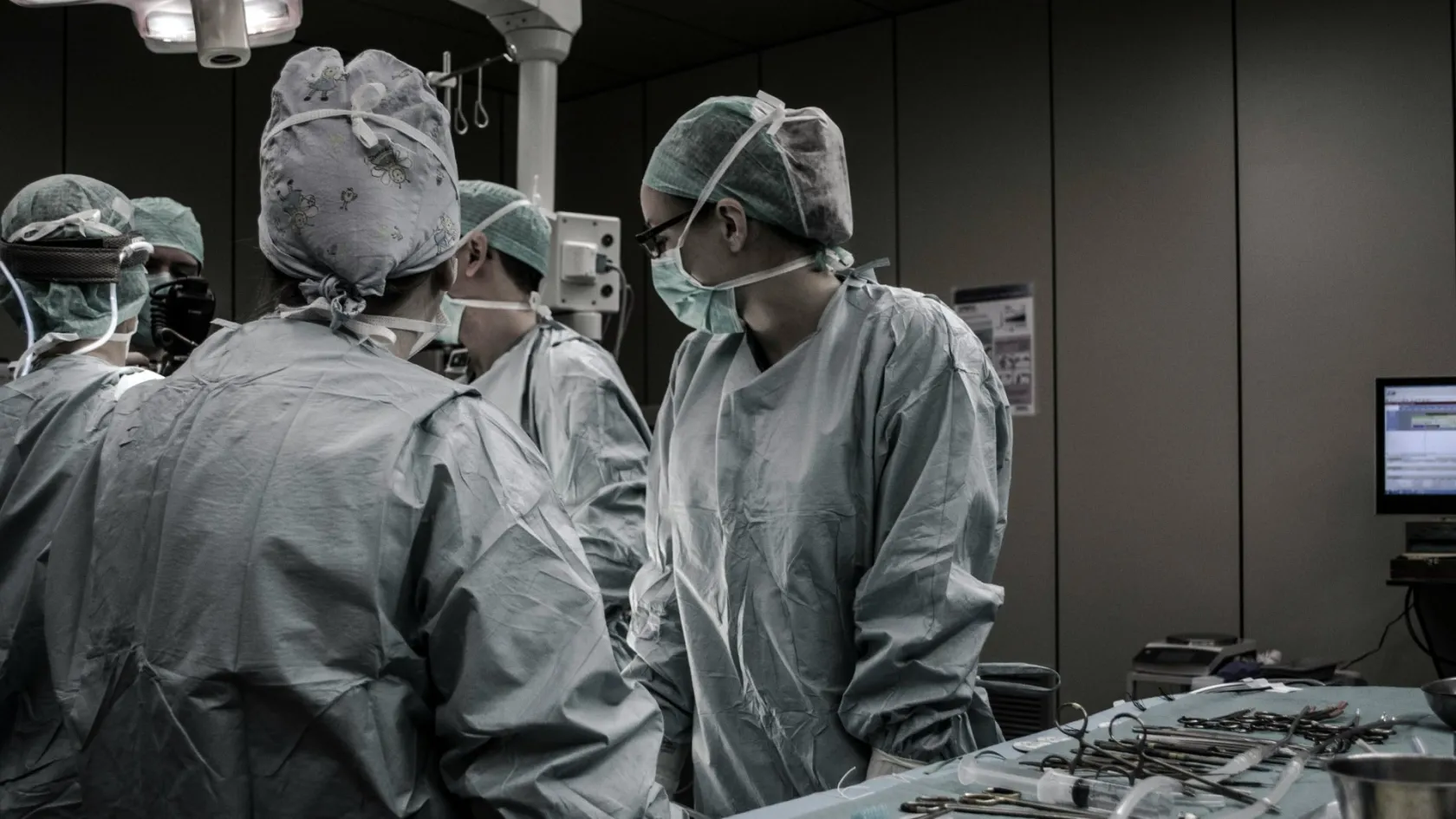
A scan or a biopsy has shown a solid tumor, and an operation is either being proposed to you or has just been ruled out. The Surgical Oncology Center at Biruni Hospital in Istanbul, a department of a university hospital with more than 600 beds, works on both situations: it plans and performs cancer operations on the stomach, esophagus, liver, pancreas, bowel, soft tissue and endocrine organs, and it re-examines files in which surgery was declared impossible. What follows explains what separates cancer surgery from ordinary surgery, why the order of treatments can matter as much as the operation itself, and how a written operability opinion is produced from records you already hold.
Free consultation
A surgical oncologist can tell you in writing whether your tumor is operable
The file review is free and does not commit you to anything. Send your biopsy or pathology report, all imaging as the actual images on disc or as exported files rather than the written reports alone, and a dated summary of any chemotherapy or radiotherapy you have received. The written reply states whether the tumor is operable, whether another treatment should come first, and what the operation would involve.
What separates cancer surgery from removing a lump
Cancer surgery has its own definition of success. The aim is not to take out what can be seen and felt but to remove the disease with a margin of healthy tissue around it, together with the lymph nodes that drain the organ, in one deliberate operation. Pathologists call the result an R0 resection when the edges are microscopically clean, meaning that under the microscope no tumor cells reach the cut surface.
A tumor removed with cancer cells left at the edge tends to grow back in the same place. Survival figures quoted for stomach, pancreatic, bowel and soft tissue cancers rest on that margin being clean, which is why a cancer operation is measured by what the pathologist finds at the edges, never by how much tissue came out.
The first operation is the one that counts. Scar tissue and disturbed anatomy make any later attempt technically harder, the natural planes that guide a surgeon are gone after one intervention, and a resection that was feasible at the start can become unfeasible the second time around. Cancer surgery is therefore planned slowly and performed once.
Frozen-section pathology exists for exactly this reason. While the patient is still under anesthesia, tissue from the cut edge goes to the laboratory, where it is frozen, sliced and read within minutes, and the answer reaches the operating room before the wound is closed. If the margin is not clean, the surgeon extends the resection in the same session instead of learning the truth from a report days later. In a university hospital, where pathology works in the same building as the operating rooms, this intraoperative reading is the standard working method of cancer surgery. It is the quality instrument of the discipline.
The order of treatments is itself a treatment decision
Chemotherapy sometimes belongs before the operation, and that order can decide survival. The MAGIC trial, published in the New England Journal of Medicine in 2006, randomized patients with resectable stomach and gastroesophageal cancer between surgery alone and surgery with chemotherapy given before and after it. Five-year survival was roughly 36 percent with the perioperative chemotherapy against 23 percent with surgery alone.
Two mechanisms explain the difference. Drug treatment given first can shrink the tumor, making a clean margin more achievable, and it treats microscopic spread that no scan is able to show. An operation booked in haste removes the visible tumor and leaves both advantages unused.
So a patient told anywhere in the world that the operation is scheduled for next week should ask who decided that surgery comes first, and whether a team decided it. Going straight to surgery is sometimes exactly right. In some cancers it is the wrong first move, and a center that pauses to ask whether chemotherapy should precede the operation is protecting your survival rather than delaying it.
Every case at this center is planned within the hospital's multidisciplinary cancer pathway, which the Oncology Center describes on its own page together with the tumor board and the drug treatments themselves; this page stays with the operation.
When an inoperable verdict deserves a second reading
Inoperable is a judgment, not a laboratory value. It depends on the surgeon making the assessment, on the age and quality of the imaging in front of them, and on timing, because a tumor that shrinks under chemotherapy can become resectable when it was not at diagnosis.
Some inoperable verdicts are correct. Part of the value of a second surgical reading is hearing that confirmed in writing, so that a family can stop pursuing an operation that would not help and put its energy into the treatment that would.
Colorectal cancer that has spread to the liver is the documented example of a verdict worth re-examining. A study of actual long-term outcomes in the Journal of Clinical Oncology followed patients after resection of colorectal liver metastases and found around 17 percent alive at ten years, and those ten-year survivors were effectively cured of the disease. Stage 4 colorectal cancer is, in selected patients, still a surgical disease with a curative option, which is why a stage 4 verdict delivered without a surgical review is an incomplete verdict.
An operability review here reads the actual images, never only the reports written about them, because resectability is judged from the anatomy on the screen. The answer arrives in writing as one of three findings: operable now, potentially operable after treatment to shrink the disease, or not operable, each with its reasoning.
Cytoreductive surgery and the honest evidence on HIPEC
Peritoneal surface disease means cancer that has spread to the membrane lining the abdominal cavity. Cytoreductive surgery treats it by removing every visible deposit of tumor from that lining and the organs it covers, an operation that can fill most of a day and asks more of both patient and surgical team than almost any other planned procedure.
HIPEC, heated chemotherapy circulated through the abdomen at the end of that operation, is marketed to international patients with unusual intensity, often as the centerpiece of a package. The strongest trial in colorectal cancer points the other way. PRODIGE 7, a randomized phase 3 trial published in Lancet Oncology in 2021, compared complete cytoreductive surgery with and without HIPEC in colorectal peritoneal metastases and found that the heated chemotherapy did not improve overall survival. The benefit came from the surgery itself, from how completely the visible disease was removed.
HIPEC keeps a role in certain other diseases, and where it is used here the decision follows disease-specific evidence, not a package description. Anyone offered HIPEC, at any hospital, should ask what the evidence is for their particular disease. This center's answer follows the trials, which sometimes means performing the long and demanding operation while leaving out the addition the data does not support.
What the Surgical Oncology Center operates on
Adult solid cancers are the center's territory. Surgical Oncology is a named department on the hospital's published list of specialties, and it works alongside medical oncology, radiation oncology, pathology, radiology, gastroenterology, general surgery and intensive care in one building, which is what makes frozen section during the operation and an intensive care bed after it a matter of walking distance rather than transfer.
Stomach and esophagus
Gastrectomy and esophagectomy remove part or all of the organ together with its lymph node stations. These are the cancers in which the sequencing question described above is settled before any date is set, and in which eating and swallowing change after the operation, so the plan covers the months after discharge as well as the operation itself.
Liver and pancreas
Liver resection takes the tumor-bearing segments while preserving enough functioning liver to live on. Pancreatic cancer surgery, including the Whipple procedure for tumors of the pancreatic head, ranks among the most demanding scheduled operations in medicine and depends on intensive care standing directly behind the operating room. Benign gallbladder, hernia and similar conditions belong to the General Surgery Center rather than here.
Colorectal cancer, including liver metastases
Colon and rectal cancer surgery removes the tumor-bearing segment of bowel with its lymphatic drainage, and in selected patients the liver metastases as well, in one operation or in planned stages. That combination is the surgery behind the ten-year survival evidence cited earlier. At the other end of the spectrum, the earliest tumors, confined to the most superficial layer of the bowel or stomach wall, can sometimes be removed through an endoscope without an operation at all, a judgment made jointly with the gastroenterology team.
Sarcoma and retroperitoneal tumors
Soft tissue sarcomas and retroperitoneal masses grow in the spaces between organs and often reach considerable size before anyone notices them. Their surgery is planned around a single principle: the initial resection must be the complete one, because these are tumors that punish a piecemeal or incomplete attempt more than most.
Peritoneal disease, endocrine organs and breast
Cytoreductive surgery for peritoneal disease runs under the evidence set out in the previous section. Thyroid cancer surgery and adrenalectomy for adrenal tumors are performed with the same margin discipline, and so is breast cancer surgery, from breast-conserving resection to mastectomy, with reconstruction planned together with the plastic surgery team when a patient wants it. Cancers of the female reproductive organs are treated by the Gynecologic Oncology Center, and children with solid tumors are cared for through the Pediatric Hematology and Oncology Center.
The stay, the pathology report, and the flight home
Plan for a longer trip than a benign operation would need. Major cancer resections typically mean 5 to 10 nights in hospital, followed by outpatient days in Istanbul for drain removal and wound checks before any conversation about airports.
The definitive pathology report takes several days after the operation, because the whole removed specimen is processed, sectioned and read: the state of the margins, the number of involved lymph nodes and the exact tumor type it records are what determine whether chemotherapy should follow. Do not fly before that report has been discussed with you. The conversation about the next step belongs to the operation as much as the operation itself does.
Flying home is typically cleared 2 to 3 weeks after major abdominal cancer surgery, at the surgeon's discretion and depending on how the wound and your general recovery look. You leave with three documents: the operation note, the complete pathology report, and the recommended next treatment in writing, so that an oncologist at home can carry the plan forward, or so that it can continue here if you prefer. Interpreters work with international patients throughout the stay, and the international office arranges the airport transfer and helps with accommodation for whoever travels with you.
Once you are back home, those three documents keep the plan moving. Your local oncologist follows the written recommendation or discusses it with the team here, and questions about the wound, the drains site or a new symptom can be sent through the same WhatsApp channel your first message used, with photographs where they help.
What cancer surgery costs, and why quotes differ
Four factors move the price of a cancer operation more than anything else, and they explain why two quotes for what sounds like the same surgery can sit far apart.
What moves the price of cancer surgery
Factor
Why it changes the figure
Organ and extent
A thyroid lobectomy and a Whipple procedure are hours apart in operating time and entirely different in the teams they occupy.
Nights and intensive care
A stay of 5 to 10 nights, with or without intensive care days, weighs on the total more than the surgical fee itself in many cases.
Pathology workload
Frozen section during the operation and the full examination of the specimen afterwards are laboratory work that a simple excision never generates.
Where the chemotherapy happens
Treatment phases before or after surgery can run here or with your team at home, and the choice changes both the quote and the weeks you spend in Istanbul.
Aggregator platforms currently list HIPEC packages for international patients at roughly $23,380 to $49,900. Read those figures next to the trial evidence above, and ask any hospital quoting them what HIPEC adds in the disease you actually have, because a price for an addition that the strongest colorectal trial found ineffective is not a bargain at any level.
Biruni Hospital does not publish one list price for cancer surgery, since no honest single figure covers operations this different in scope. After the file review you receive a written, itemized quote for the specific operation proposed, the expected nights in hospital and the pathology work included.
Questions patients ask before cancer surgery
Why would a cancer center delay my operation instead of operating immediately?
In several common cancers the evidence shows that treatment given before surgery improves survival. In the MAGIC trial, patients with resectable stomach and gastroesophageal cancer who received chemotherapy before and after their operation had five-year survival of roughly 36 percent, against 23 percent with surgery alone. Asking whether chemotherapy should come first is part of the quality of the operation, and when immediate surgery is the right answer it is scheduled without delay.
Is stage 4 cancer always inoperable?
No. In selected patients with colorectal cancer whose spread is limited to the liver, surgery on the liver metastases produces long-term survivors: a study of actual outcomes found about 17 percent of patients alive ten years after this resection, and those ten-year survivors were considered effectively cured. Many stage 4 situations do remain beyond surgery, and an honest review will say so, but the verdict deserves to be checked by a surgical team against current imaging.
Is HIPEC worth having?
Whether HIPEC is worth having depends on the disease. For colorectal cancer that has spread to the peritoneum, the randomized PRODIGE 7 trial found that adding heated intraperitoneal chemotherapy to complete cytoreductive surgery did not improve overall survival; the careful removal of all visible disease carried the benefit. Where HIPEC keeps a role it is in specific other diseases, and any center offering it should be able to name the evidence for yours.
How long will I be in hospital, and when can I fly home?
Major cancer resections of the stomach, esophagus, liver, pancreas or bowel typically mean 5 to 10 nights in hospital, then outpatient visits for drain removal and wound checks. Flying home is typically cleared 2 to 3 weeks after major abdominal cancer surgery, at the surgeon's judgment rather than on a fixed date. The definitive pathology report also takes several days, and you should not fly before it has been discussed with you, because it defines the next step of treatment.
What happens if you decide my tumor cannot be removed?
You receive that answer in writing, together with the reason and the alternative the team would recommend, for example chemotherapy first with the operation reassessed afterwards, or treatment without surgery at all. A written answer of not operable, with what we would do instead, is a normal outcome of the file review, and it costs you nothing. The purpose of the review is a truthful answer before you travel, not a booked operating slot.
What does cancer surgery in Turkey cost?
Cancer surgery in Turkey has no single price, because the figure follows the organ, the extent of the resection, the nights in hospital and intensive care, and the pathology work the operation requires. Aggregator platforms list HIPEC packages between roughly 23,380 and 49,900 US dollars, figures worth reading alongside the trial evidence for your specific disease. After reviewing your file, the Surgical Oncology Center sends a written itemized quote for the operation it actually proposes.
What should I send for the free file review?
Send the biopsy or pathology report, all imaging as the actual images rather than the written reports alone, operation notes from any previous surgery, a dated summary of chemotherapy or radiotherapy already received, recent blood results and your medication list. The written reply states whether the tumor is operable, whether another treatment should come first, the operation proposed, the expected stay in Istanbul and a cost estimate.
References
Cunningham D, Allum WH, Stenning SP, et al. Perioperative chemotherapy versus surgery alone for resectable gastroesophageal cancer. New England Journal of Medicine. 2006;355(1):11-20.
Tomlinson JS, Jarnagin WR, DeMatteo RP, et al. Actual 10-year survival after resection of colorectal liver metastases defines cure. Journal of Clinical Oncology. 2007;25(29):4575-4580.
Quenet F, Elias D, Roca L, et al. Cytoreductive surgery plus hyperthermic intraperitoneal chemotherapy versus cytoreductive surgery alone for colorectal peritoneal metastases (PRODIGE 7): a multicentre, randomised, open-label, phase 3 trial. Lancet Oncology. 2021;22(2):256-266.
Editor's note
Written by the Biruni Hospital medical editorial team. Reviewed by Celal Civil, Internal Medicine.