Stroke, spinal cord and orthopedic rehabilitation at the Physical Medicine and Rehabilitation Center of Biruni Hospital Istanbul, with honest goals and costs.
Let us call you
Send us your contact information and we will call you as soon as possible.
About This Center
A stroke, a spinal cord injury or a major operation leaves a question most hospitals answer poorly: what happens once the acute treatment ends and the patient survives, but cannot yet stand, dress or walk. The Physical Medicine and Rehabilitation Center at Biruni Hospital in Istanbul runs structured inpatient and outpatient rehabilitation programs for adults in exactly that position. This page explains what a serious program consists of, what the evidence says actually drives recovery, and how to find out in writing, before booking anything, whether travel is worth it for the person you are caring for.
Free consultation
A physiatrist can tell you in writing what rehabilitation can still achieve, before you book a flight
The remote file review is free and creates no obligation. Send the diagnosis with the date of the stroke, injury or operation, the imaging reports, the current medication list and, recorded with the patient's consent, a short video of them moving or walking. The written program proposal that comes back states realistic goals, the recommended length and intensity, and an itemized price.
Who the Physical Medicine and Rehabilitation Center is for
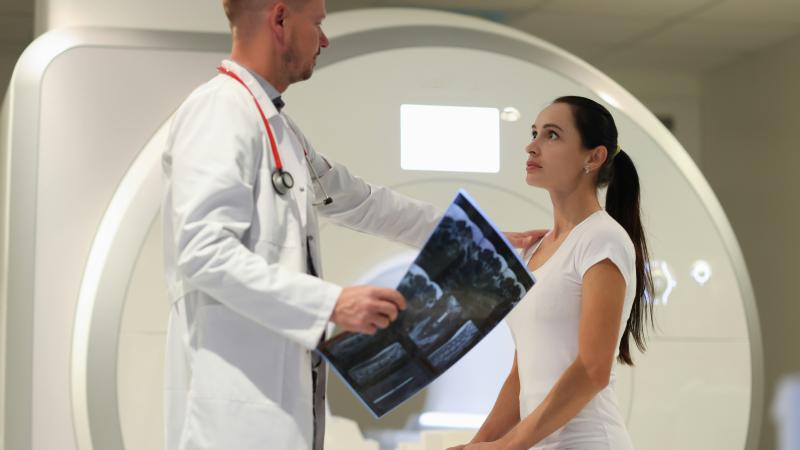
Physical medicine and rehabilitation is a medical specialty of its own, led by a physician called a physiatrist. The physiatrist examines the patient, sets goals that can be measured, and prescribes a program that a team delivers: physiotherapists for strength, balance and walking, occupational therapists for dressing, washing and the small tasks a normal day is made of, speech and swallowing therapists where a stroke has affected either, and a psychologist where mood is holding the work back. Every program is written down. Progress against its goals is measured weekly, and the plan changes when the measurements say it should.
Adults treated at the center fall into a few broad groups: people recovering from stroke and other brain injuries, people with spinal cord injuries, patients regaining function after orthopedic surgery such as joint replacement, spine surgery or a complex fracture, and people whose chronic musculoskeletal pain has resisted ordinary care.
Biruni Hospital is a university hospital of more than 600 beds, and its Physical Therapy and Rehabilitation department shares the building with neurology, neurosurgery, orthopedics, cardiology and the intensive care units. That geography matters more than any device catalog, because it lets rehabilitation begin early, sometimes at the bedside within days of the event, and continue for weeks without moving the patient to another institution. Acute stroke treatment itself is the work of the hospital's Stroke Center; rehabilitation takes over once the acute phase has been treated and the patient is medically stable. People who have spent weeks in intensive care arrive with a profound generalized weakness of their own, and the same early-start logic applies to them, as it does to supervised exercise after cardiac events, which is planned together with the cardiology team.
Families seeking rehabilitation for a child, cerebral palsy included, should ask the office about the hospital's pediatric programs; everything on this page is written for adults.
What actually improves recovery: dose, structure and timing
No branded school of therapy has been shown to beat the others. That is the central finding of a Cochrane review of physical rehabilitation after stroke by Pollock and colleagues: rehabilitation improves function and mobility, and no single named approach, whatever trademark it carries, is superior. What changes outcomes is structured, sufficiently dosed rehabilitation itself, started as early as the medical condition allows and adjusted as the patient changes.
Read that finding twice, because it cuts in both directions. It strips the mystique from any center advertising a secret method. It also explains why an intensive stay abroad can genuinely be worth the flight: a patient working three structured hours a day for several weeks is buying dose and a team, not a technique unavailable at home. One session a week, which is what many health systems fund after discharge, is a fraction of what the evidence supports.
You will find competing pages that quote motor recovery percentages. No honest center quotes a universal success rate for stroke recovery, because the outcome depends on the injury, on the time since it happened and on the work done, and a percentage that ignores all three describes nobody in particular.
Robotic gait training, described honestly
Robots are the photograph on nearly every rehabilitation website, so the evidence deserves plain language. A Cochrane review by Mehrholz and colleagues found that electromechanical-assisted gait training combined with physiotherapy increases the chance of walking independently after stroke, with the clearest benefit in the first three months and in people who cannot yet walk. Both halves of that sentence carry weight. The devices help, and they help as an addition to physiotherapy. What a machine contributes is repetition: hundreds of safe, supported steps in a single session, more than two therapists holding a patient upright could deliver. The therapists remain the treatment. A robot is a tool they use.
Whether later is too late
Recovery after stroke runs fastest in the first weeks and months, then slows. An intensive program earlier is therefore worth more than the same program later, which is a reason to arrange the file review promptly instead of waiting for things to settle.
Later is not worthless. It changes the goals. A year on, the aim usually shifts from restoring lost movement toward building function on what has returned: transferring safely between bed and chair, walking further with the right aid, using the affected hand as a helper, protecting the caregiver's back. An honest assessment states in advance which of those gains a particular patient should expect, and the center puts that in writing before anyone travels.
The rehabilitation programs
Three program families cover most of the center's international work, and each is built by the same method: assessment, written goals, a weekly review.
Neurological rehabilitation
After a stroke, a traumatic brain injury or a spinal cord injury, the program combines gait and balance training, arm and hand work, and management of spasticity, the involuntary muscle stiffness that develops in many patients and can undo progress if left untreated. Stroke patients with swallowing or speech problems work with speech and language therapists, because a safe swallow decides whether someone eats normally or through a tube. Spinal cord injury brings its own curriculum: bladder and bowel management, skin protection against pressure wounds, and wheelchair skills where walking is not the realistic goal.
Orthopedic rehabilitation
A joint replacement, a spinal fusion or a repaired fracture is half of a result; the weeks of supervised loading, range-of-motion work and strengthening that follow are the other half. Patients often travel for surgery, fly home and then discover that nobody planned the rehabilitation. Here it runs as a program in its own right, whether the operation happened in this hospital or elsewhere, with the surgeon's protocol and the imaging as the starting point.
Pain-focused physical therapy
Chronic musculoskeletal pain responds to supervised exercise more than most patients expect. For knee osteoarthritis, a Cochrane review by Fransen and colleagues found that land-based therapeutic exercise reduces pain and improves physical function, which makes a structured exercise program a treatment with evidence behind it, not an afterthought to surgery. For some patients it postpones an operation; for others it is the preparation that makes one succeed. Where injections or other interventional options are worth weighing, the plan is drawn up together with the hospital's Pain Clinic.
How an intensive program runs, and how it ends
An intensive rehabilitation day is built in blocks, because concentration and muscles both fatigue. The shape below is how structured programs typically run, not a promised timetable; the blocks flex with what a given patient can tolerate in a given week.
1
Morning therapy block
The main physiotherapy session comes when the patient is freshest: gait work, strengthening, task practice.
2
Rest
A real pause. A session delivered to an exhausted patient teaches little, so rest is scheduled, not stolen.
3
Second block
Afternoon work extends the morning, adding occupational therapy, and speech and swallowing therapy where the plan calls for it.
4
Weekly physician review
The physiatrist measures progress against the written goals and adjusts the program: more of what works, a changed goal where nothing does.
The plateau, and the honest endpoint
Progress slows eventually in every rehabilitation course. What separates a serious center from a subscription is what happens then. The team reassesses, renegotiates the goals with the patient and the family, and names an endpoint instead of letting the stay drift on.
A legitimate ending looks like this: discharge with a written home exercise plan the family has been taught to run, plus remote follow-up by video once the patient is back home, where that makes sense. Rehabilitation abroad must not become open-ended, and a center willing to name the point of diminishing returns is a center whose earlier assessments deserve belief.
The family's role, and the practical side of the stay
A trained companion multiplies therapy hours. However many sessions a program delivers, the patient spends far more of each week outside the therapy gym than in it, and a family member who has learned safe transfers, the exercise list and any swallowing precautions turns that time into practice instead of waiting. Programs treat the teaching as part of the work: the companion is shown the techniques, corrected, and confirmed as competent before discharge, because the home plan only works if someone at home can run it.
Practical matters sit with the international patient office: interpreter support in the sessions and on the ward, airport transfer, and help arranging long-stay accommodation for the patient and companion, since a rehabilitation stay lasts weeks rather than days. Where the companion sleeps, and at what cost, is the concrete question to put to the office when the program proposal arrives.
What to send for the free file review
A rehabilitation opinion is only as honest as the file it rests on. Send the diagnosis and the date of the stroke, injury or operation, the imaging reports, the current medication list, the swallowing and speech status after a stroke, and a frank description of what the patient can and cannot do today. Add the goals your family actually has, in your own words, because a program aimed at the wrong goal wastes everyone's weeks.
One item outweighs the rest: a short video, taken with the patient's consent, of them moving, sitting up or walking. Thirty seconds of video tells a physiatrist more than two pages of description, and it is the single most useful thing a family can send.
The written reply states realistic goals, a recommended program length and intensity, and whether travel is worth it at all. Some files receive the answer no platform advertises: the gains the family hopes for are no longer achievable, and a shorter program teaching home care would serve the patient better than an expensive stay. That answer is free too, and it saves more than money.
Medical stability is screened at the same stage. A rehabilitation candidate has to be well enough to fly and to work, so uncontrolled seizures, an unstable heart rhythm, an open pressure wound or a recent clot in the leg are looked for in the file before any flights are discussed. Findings like these usually postpone a plan; they rarely cancel one.
What an intensive rehabilitation program in Turkey costs
Bookimed, a booking platform listing Turkish clinics, shows stroke rehabilitation in Turkey at roughly 150 to 380 dollars per therapy day, with an average around 219 dollars. Whole-program examples on the same platform stretch from about 6,250 dollars for a 21-day neurological program covering three hours of daily therapy, 24 nights of accommodation for the patient and a companion, meals, transfers and weekly specialist examinations, up to around 46,500 dollars for a 30-day high-intensity inpatient example with full hospitalization. These are indicative platform figures for the market, not Biruni Hospital prices.
Why two rehabilitation quotes can differ several times over
Factor
How it moves the price
Inpatient or outpatient
A hospital bed with nursing costs more than daily therapy plus a hotel; which is right depends on how dependent the patient is.
Daily therapy hours
Three hours a day costs more than one, and dose is the very thing an intensive program exists to deliver.
Therapy disciplines
Physiotherapy alone prices differently from physiotherapy plus occupational, speech and swallowing therapy.
Program length
Programs are priced in weeks, and the honest length follows the goals, not a package brochure.
Companion accommodation
Some quoted programs include the companion's bed and meals, others do not; ask which yours is.
Biruni Hospital does not publish a list price for rehabilitation, because an honest price follows the program and the program follows the file. After the free review the Physical Medicine and Rehabilitation Center sends a written program proposal with the length, the daily structure and an itemized quote, so any comparison with a platform figure can be made line by line.
Questions families ask before a rehabilitation stay
How soon after a stroke should rehabilitation start?
As early as the medical condition allows, which in many cases means at the bedside within the first days, once acute treatment has stabilized the patient. Recovery is fastest in the first weeks and months, so an intensive program started early is worth more than the same program started late. Acute treatment of the stroke itself comes first; at Biruni Hospital rehabilitation then begins in the same building, without a transfer.
Is rehabilitation still worth it a year after a stroke?
Often yes, with different goals. A year after a stroke the aim is usually no longer the return of lost movement but better function with what has returned: safer transfers, walking further with the right aid, more independence in dressing and washing, and techniques that protect the caregiver. An honest file review states which of these gains a given patient can expect, and if a trip would not be worth it, the review says so in writing.
Do rehabilitation robots actually work?
As an addition to physiotherapy, yes. A Cochrane review from 2020 found that electromechanical-assisted gait training combined with physiotherapy increases the chance of walking independently after stroke, with the clearest benefit in the first three months and in people not yet able to walk. A robot delivers a high number of safe, supported stepping repetitions in each session; the therapists remain the treatment, and no device replaces them.
How long does an intensive rehabilitation program last, and how does it end?
Intensive programs are usually planned in blocks of two to six weeks and reviewed weekly against written goals. A program ends when its goals are met or when progress has genuinely plateaued, and the endpoint is discharge with a written home exercise plan the family can run, plus remote video check-ins where appropriate. A rehabilitation stay abroad should have a stated endpoint from the start, and the written proposal names one.
Can a family member stay with the patient and learn the exercises?
Yes, and the program is designed on that assumption. A companion who has been taught safe transfers, the daily exercise list and any swallowing precautions multiplies the value of the stay, because practice continues outside therapy hours and at home after discharge. The office helps arrange long-stay accommodation for the patient and companion; ask about companion arrangements when the program proposal arrives.
What does an intensive rehabilitation program in Turkey cost?
The booking platform Bookimed lists stroke rehabilitation in Turkey at roughly 150 to 380 dollars per day, with an average around 219 dollars. Published program examples on the same platform run from about 6,250 dollars for 21 days with three hours of daily therapy and companion accommodation, up to about 46,500 dollars for a 30-day high-intensity inpatient program. The price moves with inpatient versus outpatient care, daily therapy hours, the number of therapy disciplines, program length and companion accommodation. Biruni Hospital gives a written, itemized quote after the free file review.
What should we send for the free file review?
Send the diagnosis with the date of the stroke, injury or operation, the imaging reports, the current medication list, the swallowing and speech status after a stroke, and the goals your family actually has. The single most useful item is a short phone video of the patient moving or walking, taken with their consent. A physiatrist replies in writing with realistic goals, a recommended program length and intensity, and an honest statement of whether traveling is worth it at all in this case.
References
Pollock A, Baer G, et al. Physical rehabilitation approaches for the recovery of function and mobility following stroke. Cochrane Database of Systematic Reviews. 2014;(4):CD001920. doi 10.1002/14651858.CD001920.pub3.
Mehrholz J, Thomas S, et al. Electromechanical-assisted training for walking after stroke. Cochrane Database of Systematic Reviews. 2020;10:CD006185. doi 10.1002/14651858.CD006185.pub5.
Fransen M, McConnell S, et al. Exercise for osteoarthritis of the knee. Cochrane Database of Systematic Reviews. 2015;1:CD004376. doi 10.1002/14651858.CD004376.pub3.
Editor's note
Written by the Biruni Hospital medical editorial team. Reviewed by Assoc. Prof. Dr. Şengül AYDIN YOLDEMİR, Internal Medicine.