The Pediatric Hematology and Oncology Center at Biruni Hospital Istanbul treats childhood leukemia, lymphoma and solid tumors, starting with a free file review.
Let us call you
Send us your contact information and we will call you as soon as possible.
About This Center
Somewhere in your child's file there is now a word no parent is prepared for. Perhaps the diagnosis is already confirmed, perhaps a biopsy is still pending, and either way you are being asked to decide, in days and with incomplete information, where a small person you love will be treated for months. The Pediatric Hematology and Oncology Center at Biruni Hospital in Istanbul treats children with leukemia, lymphoma and solid tumors, and this page is written for the decision in front of you: whether treatment in Istanbul makes sense for your child, what those months would look like for the whole family, and what a free review of the file can settle before you commit to anything.
Free consultation
Before you decide where your child is treated, let a pediatric hematologist-oncologist read the file
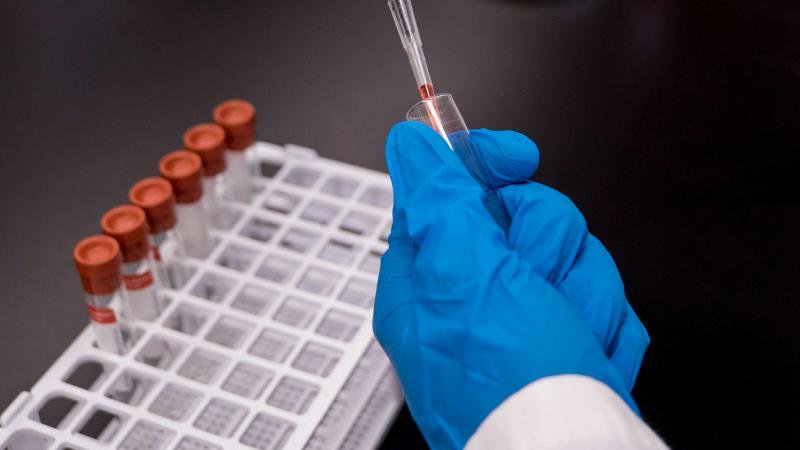
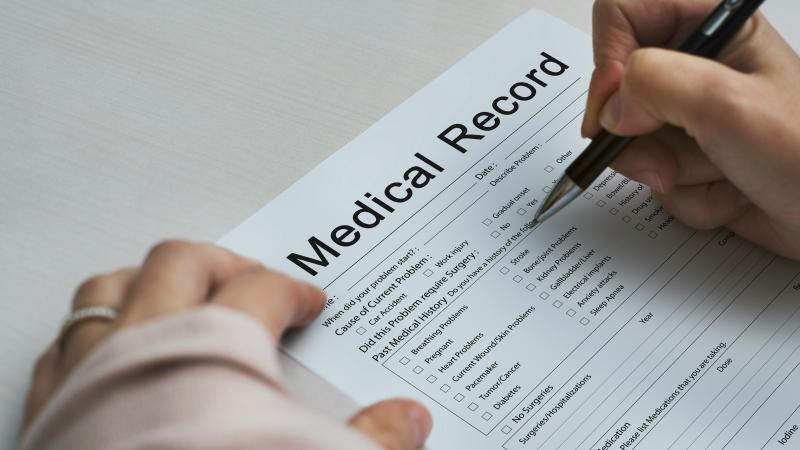
The review is free and obliges you to nothing. Send the pathology or biopsy report, the bone marrow and imaging reports, and the exact protocol name and phase if treatment has already started, and a pediatric hematologist-oncologist replies in writing with what treatment in Istanbul would involve for your child, and whether traveling is the right step at all.
Childhood cancer is a different disease, treated by a different specialty
Children do not get smaller versions of adult cancers. They get different cancers: acute lymphoblastic leukemia and acute myeloid leukemia in the blood and marrow, Hodgkin and non-Hodgkin lymphoma, and the solid tumors that belong almost entirely to childhood, among them neuroblastoma, Wilms tumor of the kidney, sarcomas of bone and soft tissue, and germ cell tumors. Brain tumors are treated jointly with pediatric neurosurgery.
Most of these diseases run on established international protocols refined over decades of cooperative trials, and cure rates in childhood cancer are, on the whole, higher than in adult oncology. The protocols are demanding. They fix drugs, doses, timing and response checkpoints week by week, sometimes across two years or more, and they are delivered by pediatric hematologist-oncologists and pediatric nurses, because a four-year-old is not a scaled-down adult in any department of a hospital.
At Biruni Hospital the center works inside a university hospital of over 600 beds, with the services a childhood cancer protocol leans on under one roof: pediatric surgery for tumor operations, radiation oncology, pathology, radiology and nuclear medicine imaging for staging and response assessment, and a Pediatric Intensive Care unit, alongside Neonatology, for the rare weeks when a child needs more support than a ward can give.
Some of the children treated here do not have cancer at all. Severe aplastic anemia, where the marrow stops producing blood, demands the same isolation, transfusion support and infection control as leukemia, which is why it belongs in a center built this way. When a transplant is the right treatment, for that disease or for a leukemia that has relapsed, the case moves to the hospital's separate Pediatric Bone Marrow Transplant Center without leaving the building. A small group of B-cell leukemias and lymphomas that have returned after several treatment lines can also be evaluated at the hospital's CAR-T Cell Therapy Center. And for everything in childhood that is not in this territory, the Children's Health and Diseases Center remains the hospital's general pediatric front door.
Why families cross a border for a child's cancer treatment
An estimated 397,000 children develop cancer worldwide each year, and a simulation analysis published in The Lancet Oncology in 2019 concluded that a large share of them are never even diagnosed [1]. Behind that figure sits the fact this whole page rests on. Childhood cancer is, in most cases, a treatable disease, and what separates children who survive from children who do not is less the biology of the tumor than access to complete, uninterrupted treatment.
The same research group modeled five-year survival across the world and found the contrast stark: above 80 percent for children treated in high-income settings, and far lower across much of the globe [2]. The protocols themselves are international and published. What differs from country to country is whether a given child can actually receive every block of one, on schedule, with the supportive care that carries a small body through it.
So a family whose home system cannot deliver the full protocol, or cannot deliver it without interruptions, drug shortages or waiting lists, is not overreacting when it looks abroad. On the published evidence, that family is doing the one thing most likely to change the outcome.
When travel serves your child, and when it wastes days that matter
Suspected acute leukemia sets the hardest deadline in this specialty. A child with abnormal cells in the blood and failing counts should start treatment within days, and the right hospital is the nearest one able to begin. Istanbul can be that hospital when a family can genuinely fly in at once; when it cannot, starting at home and sending the file afterward protects the child better than any journey. No serious center lets a family spend two weeks arranging travel while an acute leukemia advances untreated, and this one does not.
A child already stable on a protocol at home is a different case. Mid-treatment transfer is possible, and families ask for it when trust in the home hospital has broken down, but continuity is itself part of a protocol's strength, so the request is weighed honestly rather than simply accepted. The center asks for the exact protocol name, the current phase and the date the last block ended, weighs what switching would cost against what it would fix, and sometimes replies that finishing where you started is the better medicine. That reply is free, and it is meant.
The cases that travel best are the ones at the beginning. A mass found on an ultrasound, a biopsy still pending, a pathology result the family wants confirmed before months of chemotherapy rest on it: these children lose very little by traveling, because staging and pathology review restart cleanly in Istanbul, and the original slides or blocks can be re-examined here once the first laboratory releases them.
Three situations, three honest answers
Your child's situation
Time available
The center's answer
Suspected acute leukemia, treatment not yet started
Days
Begin wherever treatment can start soonest. Travel only if arrival within days is realistic.
Stable on a protocol at home, mid-treatment
Weeks to decide
Transfer is possible with a careful handover, and it is weighed openly, because switching has costs of its own.
Mass found, biopsy pending or disputed
Days to weeks
Travels well. Staging and pathology review restart cleanly, and the original tissue can be re-read.
The months of treatment, lived by a whole family
Childhood cancer treatment is counted in months, sometimes in years, and it moves in blocks. Intensive blocks, when chemotherapy runs in cycles and the child is in the hospital or close to it, need the family in Istanbul. Quieter maintenance phases, common in leukemia protocols, can in selected cases continue back home under a written handover that names every drug, every dose and every blood test for the local pediatrician, with agreed thresholds for contacting Istanbul. Whether that split is safe for your child depends on the protocol and on the care available where you live. It is decided case by case, and the expected shape of it is put to you before you commit to anything.
Most families split too. One parent moves to Istanbul with the sick child for the intensive months while the other keeps the household, the job and the siblings going at home, and no page can make that arrangement painless. What can be done is to settle the practical questions early, and three belong to the international office: what long-stay accommodation near the hospital would cost for your dates, whether a parent stays at the child's bedside on the ward, and what schooling, formal or improvised, is possible for a child well enough to study. Ask all three in the first conversation. Airport transfer and help with finding accommodation are arranged through the same office, and an interpreter works beside the family in their own language through consultations and ward rounds.
Each of these questions has a concrete answer, and you should have it in writing before you travel.
Fever during chemotherapy is an emergency, everywhere
Chemotherapy suppresses the white blood cells that fight infection, so a fever in a child on treatment is never something to watch overnight. A temperature of 38.0 degrees Celsius (100.4 Fahrenheit) or higher means a hospital that same hour, whether you are in Istanbul, back home in a maintenance phase, or anywhere in between, so that blood cultures are taken and intravenous antibiotics started before any result returns. Families learn this rule on the first day of treatment because it saves more lives than any single drug on the protocol.
After the cure: what the last day of treatment starts
Because most children on complete protocols survive, childhood cancer has a long afterward. A study of adult survivors of childhood cancer published in the New England Journal of Medicine in 2006 found that a majority carried at least one chronic health condition decades after their treatment ended [3]. Cure is the goal here, and it is a realistic one, but a cured child becomes an adult whose medical history matters for life.
Treatment at the center therefore closes with paper the family keeps for decades: a written treatment summary listing every drug with its cumulative dose, every radiation field and every operation, together with a follow-up schedule built on it. Certain chemotherapy drugs call for heart checks at intervals for years afterward. Where a planned treatment could affect growth or later fertility, that conversation happens before treatment begins, while options still exist, and it is raised by the team rather than left for parents to think of. Keep the summary. Your child will need it at twenty-five and at forty-five, in whatever country they then live, and the doctors treating them there will only know what you can show them.
What childhood cancer treatment costs, and why it is priced in phases
Honest pricing in pediatric oncology starts with an admission: no single figure describes a disease treated over one to two years. Aggregator platforms publish numbers anyway, and they are worth reading only as loose context. CureMeAbroad lists pediatric cancer treatment abroad across a range of roughly $3,000 to $40,000 depending on diagnosis and destination, while Bookimed's leukemia listings for Turkey show chemotherapy courses between about $17,000 and $45,000, with induction chemotherapy around $43,000. Those figures skew toward adult treatment, and none of them describes a full pediatric protocol from diagnosis to the end of maintenance.
What actually moves the total is the shape of your child's protocol. Its length in months. How much of it is intensive, with hospital admissions, against how much runs as outpatient maintenance. The imaging and pathology burden of staging and response checks. And the supportive care, transfusions, antibiotics and extra hospital days for complications, which a quoted chemotherapy price rarely includes. Two children with the same diagnosis can generate very different totals for reasons visible only in their files.
For exactly that reason the center does not attach one number to a disease name. After the file review the family receives a written estimate broken into phases, so you can see what the intensive months in Istanbul are expected to cost, what a maintenance handover would change, and where the honest uncertainties lie, before anyone books a flight.
Questions parents ask before deciding
Can we transfer our child to Istanbul in the middle of treatment?
Sometimes, and only after an honest weighing. A child stable on a protocol benefits from continuity, so the center asks for the exact protocol name, the current phase and the recent blood results before advising anything. When the written reply says that completing treatment at home is safer, that is the advice given. When transfer does make sense, the handover is planned so that no scheduled block of treatment is missed.
How long would our family need to live in Istanbul?
For the intensive phases of treatment, which depending on the disease can mean several months, the child and at least one parent need to be in Istanbul. Some protocols then enter a long maintenance phase that can, case by case, be continued in your home country under a written handover for your local pediatrician. The written opinion after the file review includes an expected timeline for your child's specific protocol, so you can plan when to fly, what to tell work, and what to arrange for siblings around real dates.
Can the maintenance phase of chemotherapy continue in our home country?
In selected cases, yes, and the decision is made for each child individually. Maintenance drugs are stocked in most countries, so the real question is whether a pediatrician at home can follow a written plan naming every drug, dose, blood test and threshold for contacting Istanbul. When that structure can be built, the family goes home with it in writing. When it cannot, the center says so before treatment starts.
What do we do if our child gets a fever during chemotherapy?
Go to a hospital that same hour. Chemotherapy lowers the white blood cells that fight infection, so a temperature of 38.0 degrees Celsius (100.4 Fahrenheit) or higher in a child on treatment is handled as an emergency, with blood cultures taken and intravenous antibiotics started without waiting for results. The rule applies in Istanbul, at home during a maintenance phase, and anywhere in between, and every family is taught it before the first cycle.
Can our child keep up with school during cancer treatment?
Many children study through parts of treatment, especially maintenance, and doing so is usually good for them. What is realistic depends on the phase, the blood counts and the child. Ask the international office in your first conversation what schooling arrangements are possible during a long stay in Istanbul, and ask your child's school at home about remote continuation, because a plan made early holds up better than one improvised halfway through.
How much does childhood cancer treatment cost in Turkey?
No honest single figure exists, because treatment runs in phases over months to years. Aggregator platforms list pediatric cancer packages from roughly $3,000 to $40,000, and leukemia chemotherapy courses in Turkey between about $17,000 and $45,000, but those numbers are indicative at best and skew toward adult treatment. Biruni Hospital gives each family a written phase-by-phase estimate after the free file review, based on the child's actual protocol.
What should we send for the free review of our child's file?
The biopsy or pathology report, the blood and bone marrow reports, imaging together with its written findings, the exact protocol name and current phase if treatment has already started, the medication list, and your own account of your child's illness in your own words. Mention whether the original laboratory can release pathology slides or blocks, because the tissue itself can be re-examined in Istanbul. A pediatric hematologist-oncologist replies in writing, at no cost and with no obligation attached.
References
Ward ZJ, Yeh JM, et al. Estimating the total incidence of global childhood cancer: a simulation-based analysis. The Lancet Oncology. 2019;20(4):483-493.
Ward ZJ, Yeh JM, et al. Global childhood cancer survival estimates and priority-setting: a simulation-based analysis. The Lancet Oncology. 2019;20(7):972-983.
Oeffinger KC, Mertens AC, et al. Chronic health conditions in adult survivors of childhood cancer. The New England Journal of Medicine. 2006;355(15):1572-1582.
Editor's note
Written by the Biruni Hospital medical editorial team. Reviewed by Assistant Professor Erman AK, Plastic, Reconstructive and Aesthetic Surgery.