Pulmonary Metastasectomy - Lung Metastasis Surgery
Cancer that has spread to the lungs can sometimes be removed through keyhole incisions, a wedge at a time. Four conditions decide who gains, and the largest registry puts five-year survival after complete removal at 36 percent. The one randomized trial, in bowel cancer, found that carefully chosen patients who were watched instead lived nearly as long, and a page that hides that is not worth reading.
About This Department
Thoracic Surgery
Cancer that has reached the lungs can sometimes still be cut out. Four conditions decide whether it should be.
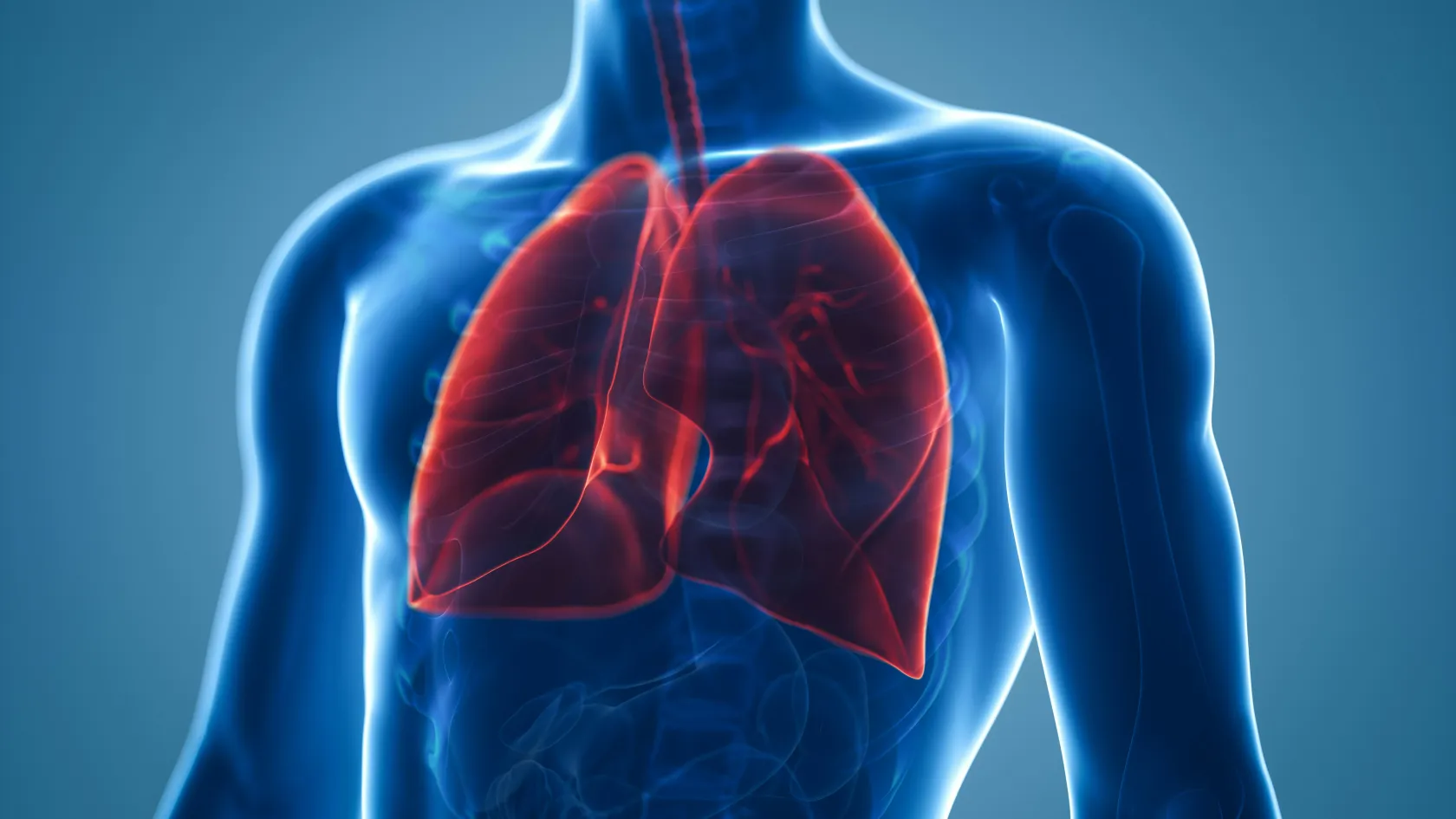
Pulmonary metastasectomy removes tumors that have spread to the lungs from a cancer elsewhere. The bowel, a sarcoma, the kidney and testicular germ cell tumors send them most often. Surgeons do it through small incisions, take a wedge of lung and keep the lobe, and send patients home within days. In the largest series ever assembled, 5,206 patients from 18 centers, 36 percent were alive five years after complete removal. The one randomized trial in bowel cancer found that patients who were watched instead survived nearly as long, and a serious page has to say so.
36 in 100
Alive at 5 years after complete removal, J Thorac Cardiovasc Surg 1997
45% vs 33%
At 5 years, when the cancer took over 3 years to reappear, against under 1 year
3.5 vs 3.8 years
Median survival with and without surgery in the PulMiCC trial, Colorectal Dis 2020
Free
Thoracic surgeon review of your CT
Free consultation
Send the chest CT images, the most recent PET-CT if one was done, the pathology of the original cancer with the date it was removed, the chemotherapy record, tumor marker results and any lung function test. A thoracic surgeon answers whether the lesions can all be removed, what the surgery would gain, and whether radiotherapy or watching would serve you as well. There is no fee for the review and no obligation after it.
Surgeons say pulmonary metastasectomy. Patients search for lung metastasis surgery. The title of this page, Pulmonary Metastasectomy - Lung Metastasis Surgery, carries both. Few operations in cancer surgery are older, and few remain less settled. What follows sets out what it can and cannot do, who is likely to gain, and what the trip involves for a patient coming from abroad.
What pulmonary metastasectomy is
A metastasis has traveled. Cancer cells from the organ of origin enter the blood, and the lungs, which filter the whole blood supply, catch them more often than any organ except the liver. Pulmonary metastasectomy removes those deposits one by one, each with a rim of healthy lung around it. The surgeon feels for nodules the scan may have missed, cuts each one out with a stapler, and leaves the rest of the lung in place. The cancer keeps the name of the organ it came from. A patient with bowel cancer in the lung still has bowel cancer, and the drugs and the follow-up belong to that disease.
36% at 5 years, 26% at 10, 22% at 15
Survival after complete removal of lung metastases among 4,572 patients in the International Registry of Lung Metastases, compared with 13 percent at five years when removal was incomplete. Pastorino and colleagues, J Thorac Cardiovasc Surg, 1997.
Who is a candidate
Selection decides everything in this operation.
Four conditions, all of them required
Thoracic surgeons have used the same four conditions for fifty years. The 2019 consensus document of the Society of Thoracic Surgeons keeps every one of them.
The original cancer has been removed or fully controlled, with no sign of return at its site
Every deposit in the lungs can be removed with the lung function the patient has left, which a CT and breathing tests establish before the operation
There is no disease outside the lungs, or what exists there has been treated or can be treated with the same intent
The patient is fit for a general anesthetic and a chest operation, judged on heart, lungs and general condition
Who should wait, and who should not have it
Surgery adds nothing when the cancer is growing quickly in several places at once. Nodules that have doubled in size between two scans a few weeks apart, a rising tumor marker with new lesions elsewhere, or a cancer that returned within months of its removal all argue for chemotherapy first and a fresh look afterward, because an operation in the middle of that would only delay the drugs. Some cancers answer to drugs. Lymphoma, most breast cancers and small cell lung cancer are treated with medicine even when they reach the lung, and the same holds for a growing list of tumors with a targetable mutation. Patients with a nodule that could be a new primary lung cancer need a biopsy first, because a primary and a metastasis are operated on differently.
What the evidence says, cancer by cancer
The registry figures come from 5,206 operations in Europe and North America. They differ sharply by the cancer of origin and by how long it took to reappear.
This table scrolls sideways on a narrow screen. Swipe or drag to see every column.
Survival after complete removal of lung metastases, International Registry
Cancer of origin, or feature
Alive at 5 years
Note
Germ cell tumors of the testis
68 percent
The best result of any tumor type, after chemotherapy
Epithelial cancers, mostly bowel and kidney
37 percent
The largest group, 2,260 patients
Sarcomas
31 percent
Repeat operations are common and accepted
Melanoma
21 percent
Since transformed by immunotherapy, which was not available to this registry
Cancer reappeared more than 3 years after the original operation
45 percent
Against 33 percent for under 1 year
A single metastasis
43 percent
Against 27 percent for four or more
3.5 years with surgery, 3.8 years without
Median survival in the PulMiCC trial, which randomized 93 patients with one to six lung metastases from bowel cancer to metastasectomy or to active monitoring. The hazard ratio for death within five years was 0.93, with a range that included no difference. Milosevic and colleagues, Colorectal Dis, 2020. An earlier report of the first 65 patients estimated five-year survival at 38 percent with surgery and 29 percent without, far above the 5 percent that surgeons had long assumed for untreated patients. Treasure and colleagues, Trials, 2019.
What the bowel cancer trial changes
PulMiCC stopped early because too few patients agreed to be randomized, and 93 people cannot settle a question this size. It showed something all the same, something the registries could not. Patients with a small number of slow-growing lung metastases from bowel cancer live for years whether or not the metastases are removed, because their disease is slow, and the survival figures attributed to surgery in single-arm series partly reflect the selection of those patients. A meta-analysis of 25 series by Gonzalez and colleagues found the same selection at work. A short interval before the metastases appeared, more than one metastasis, involved lymph nodes in the chest and a raised carcinoembryonic antigen each doubled the risk of death, more or less. The operation keeps a place in bowel cancer. That place belongs to patients who meet the four conditions, whose disease has been slow, and who understand that the gain comes as a better chance and never as a guarantee.
Where the case for surgery is strongest
Germ cell tumors first, where removing what remains after chemotherapy both treats and stages the disease. Sarcomas next, where the lungs are the only site of spread for many patients, chemotherapy works poorly, and a surgeon who removes every nodule may be the only person offering a chance of cure. Kidney cancer with a solitary late nodule. Then any patient with a single, slowly growing lesion years after a cancer that has otherwise stayed away.
The alternatives to surgery
Three treatments compete with the operation, and a good surgeon names them at the first consultation. Stereotactic body radiotherapy delivers a high dose to a small nodule in three to five sessions without an anesthetic and controls the treated nodule in the large majority of patients, at the cost of not knowing whether the nodule was a metastasis at all and not finding the ones the scan missed. Radiofrequency or microwave ablation burns a nodule through a needle placed under CT guidance. Drugs treat every site at once. Chemotherapy, targeted drugs and immunotherapy have changed the outlook in melanoma and kidney cancer in particular, and for many patients they come first, with surgery reserved for what remains.
At Biruni Hospital thoracic surgery, stereotactic radiotherapy on the Elekta Versa HD, interventional radiology and medical oncology sit on one site, so the choice among them is made in a single tumor board meeting from the same scans, and a patient who arrives for an operation and turns out to be better served by radiotherapy does not travel again.
The operation, from scan to discharge
Before the day
A thin-slice chest CT within four weeks of surgery. A PET-CT to look for disease outside the chest. Lung function tests, an ECG and blood tests. Blood thinners pause on a schedule agreed with the doctor who prescribed them, and a tumor marker gives a baseline.
1
Anesthesia and positioning
A general anesthetic with a tube that lets the surgeon deflate the lung being operated on while the other breathes. The patient lies on the opposite side.
2
Keyhole or open
Most metastasectomies are done by video-assisted thoracoscopic surgery, VATS, through two or three incisions of one to four centimeters, or by a robotic version of the same. An open incision between the ribs is kept for deep nodules, many nodules, or a lung that has to be felt throughout, and the surgeon says beforehand which is planned and why.
3
Removing the nodules
Each nodule is cut out with a stapler in a wedge of lung, with a margin of healthy tissue. A nodule deep in the lung sometimes needs a segment or, rarely, a lobe. The surgeon samples lymph nodes in the chest as well, since involved nodes change the outlook and the follow-up. Both sides can be operated on in one anesthetic or in two operations a few weeks apart.
4
The first days
A drain leaves the chest for one to three days while the lung reinflates and any air leak seals. Pain is controlled with a nerve block and tablets, and walking starts the same evening. Published programs in Turkey quote three to five nights in hospital after keyhole surgery and five to seven after open surgery.
5
Pathology
The report a week later states what each nodule was, whether the margins were clear, and whether the lymph nodes were involved. Everything after the operation depends on it, and it goes into the discharge file in English.
Second and third operations
Once is rarely the end.
Metastases come back in a share of patients. A second metastasectomy is accepted practice when the four conditions are met again, most of all in sarcoma, and each operation removes lung, so the surgeon keeps a running account of what is left and says when the account is running low.
Risks and complications
Go to a local emergency department for sudden breathlessness, chest pain that worsens on breathing in, coughing up more than a streak of blood, a fever of 38 degrees or higher, or a wound that leaks or reddens after you have gone home.
This table scrolls sideways on a narrow screen. Swipe or drag to see every column.
Complications of pulmonary metastasectomy
Complication
How common
What is done
Prolonged air leak
The most frequent, more so after many wedges or in emphysema
The drain stays longer, occasionally a small valve lets the patient go home with it
Pneumonia or collapse of part of the lung
Uncommon after keyhole surgery
Breathing exercises from day one, antibiotics if needed
Bleeding needing a return to theater
Rare
Reoperation through the same incisions
Irregular heart rhythm
More likely over 70 and after open surgery
Monitoring, medication, usually settles within days
Persistent pain between the ribs
A minority after open surgery, less after keyhole
Nerve blocks, tablets, and time
Death within 30 days
Around 1 percent or less in modern series of wedge resections
Lower for keyhole surgery in fit patients
Loss of breathing reserve
Small after wedges, larger after a lobe
Measured before and after, and set against the gain before anyone operates
The bowel cancer trial recorded no treatment-related deaths or major adverse events, and modern keyhole series report mortality near one percent. A different risk looms larger. An operation can remove what could be seen while the disease was already elsewhere, and the four conditions exist to keep that from happening.
Days in Istanbul, cost and the trip
How long, and when to fly
A keyhole metastasectomy means a length of stay of ten to fourteen days in Istanbul. Two or three days cover the consultation, the scans and the tests. Three to five nights pass in hospital. The surgeon sees you again a week after discharge, checks the wounds, and confirms on a chest X-ray that the lung has stayed up. Open surgery adds several days. Flying after a chest operation needs a clear X-ray, since an air pocket in the chest expands at altitude, and airlines ask for a medical form after recent surgery. Walk the aisle, drink water, and carry the pain tablets in hand luggage.
Cost and the trip
Cost depends on six things. Keyhole or open, one side or both, the number of nodules, the imaging needed before it, the nights in hospital, and your own health through the anesthesia plan. Robotic surgery carries a higher fee than VATS at many centers. Published packages in Istanbul cover the consultation, preoperative tests, the operation, the hospital stay, pathology, an interpreter and transfers, and leave out the hotel, flights, a PET-CT, chemotherapy and the treatment of a complication. A figure follows the surgeon's review of the CT. That review costs nothing. One coordinator from the international patients office handles the case in English, Arabic, French, Russian, Serbian, Romanian or Spanish, or through an interpreter, sends the appointment confirmation and an invitation letter naming the hospital and the treating doctor ten days before travel, and books the hotel and the transfers. Patient rooms have a companion bed. Meals come in halal, vegetarian and diabetic versions, a prayer room is on site, and a female doctor can be requested when you first write.
After you fly home
One operation marks a moment in a disease that will be followed for years. The discharge file serves the oncologist who will do the following. It holds the operation note, the pathology, the CT images, the tumor marker before and after, and a schedule. Once you are back home the coordinator stays reachable on the same WhatsApp number, and clinical questions go to the surgeon, who has the images and the pathology in front of him.
A chest CT every three to four months for the first two years, then every six months, because new metastases are common and respond to a further operation or radiotherapy when found small
A tumor marker with each scan where the original cancer produces one
Chemotherapy or targeted treatment if the pathology or the oncologist calls for it, prescribed at home
Breathing exercises for the first month, and walking every day
A doctor the same week for breathlessness that is worsening, blood in the sputum, or pain at the wound that increases instead of fading
Pulmonary Metastasectomy - Lung Metastasis Surgery FAQ
Can lung metastases be cured by surgery?
In some patients, yes. In the largest registry, 36 percent of patients were alive five years after complete removal and 22 percent at fifteen years, with the best results in germ cell tumors and in cancers that took more than three years to reappear. The one randomized trial, in bowel cancer, found that carefully selected patients who were watched instead lived nearly as long.
Should I have surgery for lung metastases from bowel cancer?
It depends on how many nodules there are, how fast they are growing, whether the chest lymph nodes are involved and whether the carcinoembryonic antigen is raised. Each of those doubled the risk of death, more or less, in a meta-analysis of 25 series. A patient with one or two slow nodules years after the bowel operation gains most, and a frank surgeon will explain that the gain is a better chance rather than a certainty.
Is the operation done by keyhole?
Most are, through two or three small incisions with a camera, or with a robot. An open incision is used for deep or numerous nodules and when the surgeon needs to feel the whole lung for nodules the scan cannot show.
How long do I stay in hospital and in Istanbul?
Three to five nights in hospital after keyhole surgery and five to seven after open surgery, and ten to fourteen days in Istanbul in total, including the tests before and the wound check and chest X-ray before the flight.
What is the alternative if I am not fit for surgery?
Stereotactic body radiotherapy in three to five sessions controls the large majority of treated nodules without an anesthetic, and radiofrequency or microwave ablation through a needle is an option for single nodules. Both are available on the same site, and the tumor board chooses among them from the same scans.
Can the metastases come back after surgery, and can they be removed again?
Yes to both. New nodules are common, which is why a CT every three to four months follows the operation. A second or third metastasectomy is accepted practice when the same four conditions are met, especially in sarcoma.
References
Pastorino U, Buyse M, Friedel G, et al. Long-term results of lung metastasectomy: prognostic analyses based on 5206 cases. The International Registry of Lung Metastases. J Thorac Cardiovasc Surg. 1997;113(1):37-49.
Treasure T, Farewell V, Macbeth F, et al. Pulmonary Metastasectomy versus Continued Active Monitoring in Colorectal Cancer (PulMiCC): a multicentre randomised clinical trial. Trials. 2019;20(1):718.
Milosevic M, Edwards J, Tsang D, et al. Pulmonary Metastasectomy in Colorectal Cancer, updated analysis of 93 randomized patients, in which control survival proved much better than previously assumed. Colorectal Dis. 2020;22(10):1314-1324.
Gonzalez M, Poncet A, Combescure C, Robert J, Ris HB, Gervaz P. Risk factors for survival after lung metastasectomy in colorectal cancer patients: a systematic review and meta-analysis. Ann Surg Oncol. 2013;20(2):572-9.
Handy JR, Bremner RM, Crocenzi TS, et al. Expert Consensus Document on Pulmonary Metastasectomy. Ann Thorac Surg. 2019;107(2):631-649.
Editor's note
Written by the Biruni Hospital medical editorial team. Reviewed by Assoc. Prof. Dr. Uğur Temel, Thoracic Surgery.