Skip to content
Otoplasty
Plastic, Reconstructive and Aesthetic Surgery

Otoplasty

About This Department

 
Plastic Surgery

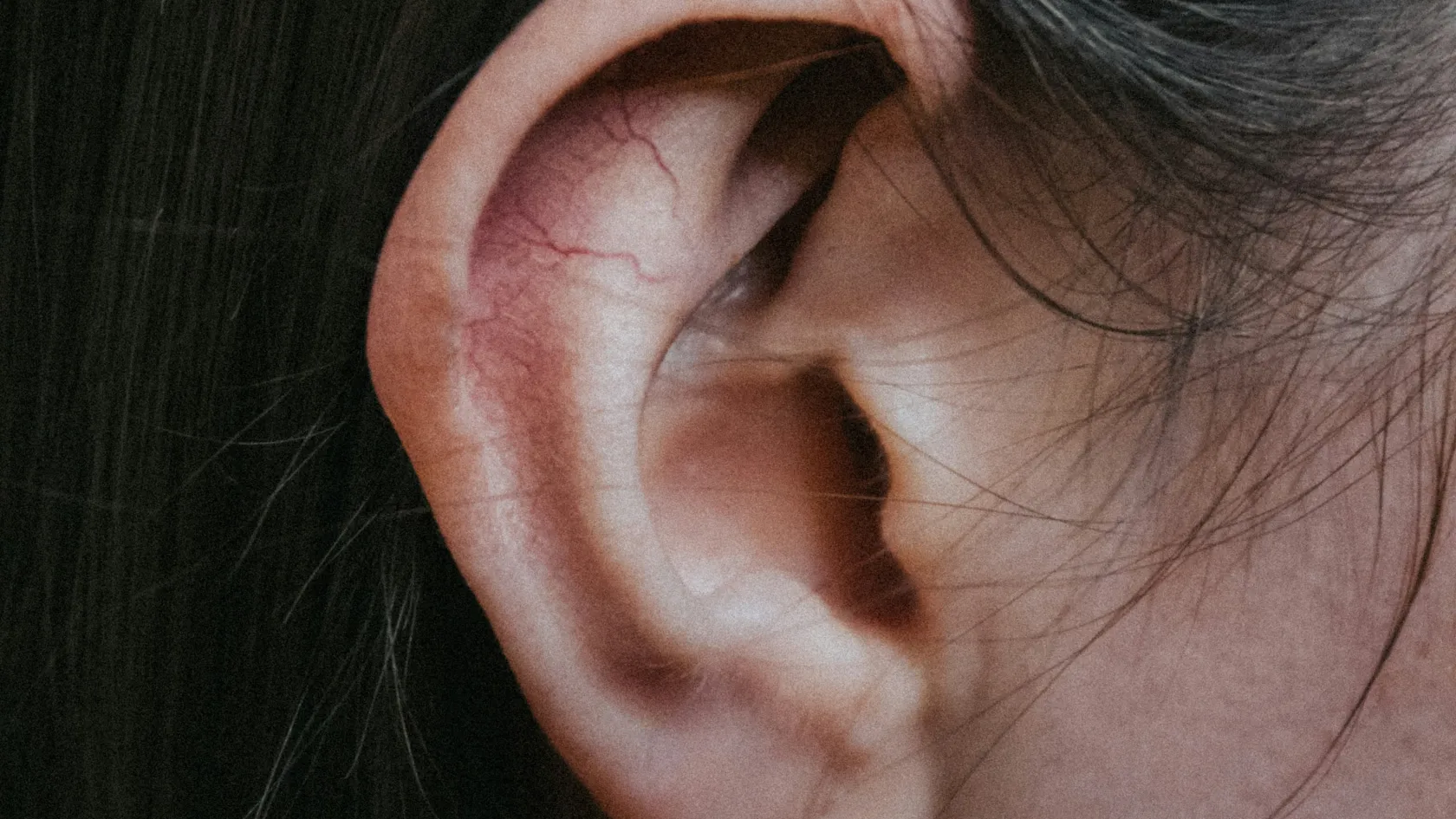
Otoplasty sets prominent ears closer to the head through a cut hidden behind the ear. Children and adults report a lasting gain in quality of life, and gentle stitch techniques carry the lowest risk of an unnatural result.

Prominent ears, the commonest shape difference of the ear, run in families and show from birth. Hearing and health stay unaffected. Teasing at school and self-consciousness in adults lead many people to seek correction. Otoplasty reshapes the cartilage so the ear folds back naturally, in an hour, and in a German study 95 percent of children and adults reported a better quality of life afterward. Newborns form a special case. In the first weeks of life their soft ear cartilage takes the shape of a mold, with no surgery at all. Send us photographs of the ears from the front and back with the age of the patient, and a plastic surgeon will tell you what otoplasty could achieve and how long to plan.

95%
Children and adults with better quality of life after stitch otoplasty
Over 90%
Success of ear molding started in a baby's first week
5 to 7 days
In Istanbul, until the dressing check
Free
Plastic surgeon's review of your photos
Free consultation
What makes an ear stick out

Two shapes cause most prominent ears, alone or together. The fold of cartilage that runs parallel to the rim, the antihelix, sometimes fails to form, so the upper ear flares outward. The bowl of cartilage around the ear canal, the concha, sometimes runs deep and pushes the whole ear away from the head. A large or forward-pointing earlobe adds to it.

Otoplasty addresses each part. Stitches recreate a missing fold, a deep bowl is set back or partly reduced, and a prominent lobe is repositioned. The goal is an ear at a natural angle, near 20 millimeters from the side of the head at its upper rim, with the rim still visible from the front.


Molding for newborns

Maternal hormones keep a newborn's ear cartilage soft. A Texas surgeon who treated 831 deformed ears in 488 infants found that only 30 percent of ear deformities corrected themselves. With a molding system fitted in the first week, more than 90 percent of treated ears achieved good to excellent results. After three weeks, half.

The mold stays on continuously for several weeks. No anesthesia, no scar. Parents who notice a prominent or folded ear at birth should ask for an assessment at once, since the window closes quickly.

Who benefits

Children

Otoplasty using suture techniques can significantly increase patients' health-related quality of life and leads to a high rate of patient satisfaction.
Study of 62 children and adults, Plastic and Reconstructive Surgery, 2010
What families report

A German study sent validated benefit questionnaires to 84 patients treated with stitch techniques, and 62 replied. Among 41 children, 95.1 percent of parents and 95.1 percent of children were satisfied with the appearance, 97.6 percent of parents and 92.7 percent of children would choose the operation again, and quality of life improved in 95.1 percent.

Surgeons operate from age five or six in most cases, when the ear has reached most of its adult size and before school teasing becomes entrenched. The child's own wish matters. Operating on a child who is not bothered rarely makes sense. Waiting a few years costs nothing.


Otoplasty has a positive impact on the HRQOL of adult patients with prominent ears.
Study of 40 adults, Journal of Craniofacial Surgery, 2006
Adults

Many adults have lived with prominent ears for decades and choose correction later. All 21 adults in the German study were satisfied with the appearance. Of them, 90.5 percent would decide the same way again, and quality of life improved in 95.2 percent, a result that held whatever time had passed since the operation. An Austrian study of 40 adults found the same. Adult cartilage feels stiffer. Surgeons sometimes add limited scoring.

Irreversible auricular deformities after failed otoplasty can be more emotionally draining for the patient than the preoperative state.
Review of otoplasty and quality of life, HNO, 2015

Techniques

This table scrolls sideways on a narrow screen. Swipe or drag to see every column.

Otoplasty techniques
Approach How it works Main advantage Main drawback
Stitch techniques Permanent stitches fold the cartilage and fix the bowl back Gentle, adjustable, no sharp edges A stitch can loosen or show through the skin
Cartilage cutting or scoring The cartilage is cut or weakened so it bends Useful for stiff adult cartilage Higher risk of sharp edges and irregular contour
Combined Limited scoring plus stitches Balances the two Depends on the surgeon's judgment
Complications

A review of 20 studies published between 2000 and 2007 found early complications, bleeding, a blood collection, infection, skin breakdown or a wound opening, in 0 to 8.4 percent of patients in the majority of series. Late problems varied far more, from 0 to 47.3 percent, and included a stitch working through the skin, thick scars, sensitivity to cold, asymmetry and recurrence of prominence.

Many late problems stay minor and never lead to revision. A blood collection under the dressing is the one early complication that needs attention on the same day, since pressure on the cartilage can damage it. A German review warned that ears left sharply ridged or pinned too tightly after cartilage cutting are harder to correct and can bother patients more than the original prominence.

This table scrolls sideways on a narrow screen. Swipe or drag to see every column.

Complications reported in the literature review
Type Examples Range across studies
Early Bleeding, blood collection, infection, skin breakdown 0 to 8.4 percent in most series
Late Stitch extrusion, scars, asymmetry, return of prominence 0 to 47.3 percent, with revision far less frequent
Avoiding an overdone result

The best otoplasty looks unoperated. The rim of the ear should remain visible behind the fold when seen from the front, the fold should be smooth and rounded, and the two ears should match within a few millimeters. A result that looks stuck flat to the head, with a sharp ridge or a hidden rim, is the telltale sign of overcorrection. Ask to see photographs of the surgeon's own results from the front, taken a year or more after surgery, since early photographs can hide a fold that later loosens or a ridge that only shows once the swelling has gone.

  • Clean hair the day before surgery, and bring a loose button-front top.
  • Stop aspirin and anti-inflammatories for two weeks before, unless a doctor prescribed them.
  • For children, a visit before surgery so the child meets the team, tries on the headband and knows what the dressing will feel like when they wake up, which makes the first night calmer for everyone.

What happens during the operation?

An hour for both ears.

The day of surgery

Anesthesia
Adults and teenagers can have local anesthesia with sedation. Younger children have general anesthesia.
Reshaping
Through a cut in the crease behind the ear, the surgeon exposes the cartilage, places permanent stitches to create the fold and set back the bowl, and trims a strip of skin. About an hour for both ears.
The dressing
Soft padding and a firm head bandage hold the new shape. Most patients go home the same day, children after a few hours of observation.

What is recovery like?

The headband

The bulky dressing comes off after two to five days, when the surgeon checks for a blood collection. From then, a soft elastic headband is worn day and night for one to two weeks and at night for another four to six, so the ears are not folded forward during sleep. Pain stays mild to moderate for the first days and responds to paracetamol. Children return to school after a week, avoiding contact sports and swimming for six weeks, and a note for the teacher explaining the headband helps, since classmates notice it and a child who knows what to say handles the questions better than one caught by surprise.

How many days in Istanbul, and what decides the cost?

Days one and two
Consultation, photographs and surgery, home or to the hotel the same day.
Days three to five
Dressing removal and check, then the headband.
Days five to seven
Final check before the flight. Dissolving stitches need no removal.
Warning signs
Pain that increases instead of easing, especially on one side, swelling or bleeding through the dressing, fever, or redness spreading over the ear need the surgeon the same day, since a blood collection or infection under the cartilage must be treated quickly.

A short stay.

Plan five to seven days in Istanbul. Fly home after the dressing check, with the headband on under a hat or hood, and keep it on during the flight, since a sleeping passenger leaning against a window or a seat back can fold the ear forward and strain the new stitches before the cartilage has settled into its new shape.

Price depends on whether one or both ears are treated, the technique, the type of anesthesia and the follow-up visits. Your own figure follows the free review of your photographs.

Our coordinator answers on WhatsApp from the first question to the flight home. Ten days before you travel, the invitation letter for the visa is sent, and a car meets you at the airport and takes you to a hotel near the hospital, for the patient and a parent or companion. The team speaks seven languages and brings in interpreters for others. The kitchen serves halal, vegetarian and diabetic meals, patients may use the prayer room, and a female doctor joins on request when the schedule allows. Back home, photographs at one, three and six months let the surgeon confirm the ears are holding their position and advise on the night headband, and parents of younger children can send a short video or ask a question at any point, since small worries in the first weeks, a stitch felt under the skin behind the ear, a little crusting along the scar, one ear sitting slightly differently from the other while the swelling settles, are common, easy to answer from a photograph and rarely need a visit, while the few that do need attention are recognized early and handled by your local doctor with a written note from the surgeon.

Otoplasty FAQ

What is the best age for otoplasty?
From five or six, when the ear has reached most of its adult size. Adults can have it at any age. Many newborns are treated with molding instead of surgery if it starts in the first weeks.
Will my ears look natural after otoplasty?
With careful technique, yes. The rim should stay visible from the front, and the fold should be smooth and rounded.
Is otoplasty painful?
Discomfort is mild to moderate for the first days and controlled with paracetamol.
Can the ears move back after otoplasty?
Partial return of prominence occurs in some patients, mainly in the first months. Wearing the night headband as advised lowers the risk.
How long must I wear the headband?
Day and night for one to two weeks, then at night for another four to six weeks.
Can my family come with me?
Yes. For children, a parent stays with the child throughout, and we arrange the hotel for both.

References

  1. Braun T, Hainzinger T, Stelter K, et al. Health-related quality of life, patient benefit, and clinical outcome after otoplasty using suture techniques in 62 children and adults. Plastic and Reconstructive Surgery. 2010;126(6):2115-2124.
  2. Schwentner I, Schmutzhard J, Deibl M, Sprinzl GM. Health-related quality of life outcome of adult patients after otoplasty. Journal of Craniofacial Surgery. 2006;17(4):629-635.
  3. Braun T, Berghaus A. Otoplastik und Lebensqualität [Otoplasty and quality of life]. HNO. 2015;63(1):28-33.
  4. Limandjaja GC, Breugem CC, Mink van der Molen AB, Kon M. Complications of otoplasty: a literature review. Journal of Plastic, Reconstructive and Aesthetic Surgery. 2009;62(1):19-27.
  5. Byrd HS, Langevin CJ, Ghidoni LA. Ear molding in newborn infants with auricular deformities. Plastic and Reconstructive Surgery. 2010;126(4):1191-1200.

Editor's note

Written by the Biruni Hospital medical editorial team. Reviewed by Prof. Dr. Atilla ARINCI, Plastic, Reconstructive and Aesthetic Surgery.

Related Treatments

View All