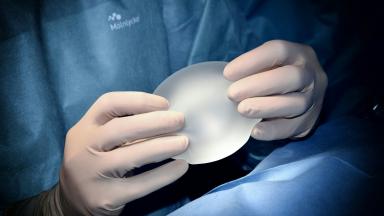
Blepharoplasty, or eyelid surgery, removes or repositions excess skin and fat of the upper and lower eyelids to treat hooding, bags and a tired look, and in heavy lids it can widen the upper field of vision. Scars hide in the eyelid crease or inside the lower lid. At Biruni Hospital in Istanbul, our plastic surgery team checks for a drooping lid or low brow first, monitors you closely after surgery, and removes stitches before your flight.
About This Department
Plastic Surgery
Heavy upper lids and bags under the eyes make a face look tired. Eyelid surgery removes the excess and keeps the eyes your own.
Blepharoplasty, eyelid surgery, removes or repositions excess skin, muscle and fat of the upper eyelids, the lower eyelids or both. Upper lid surgery treats hooding that crowds the lashes and, in more severe cases, narrows the upper field of vision. Lower lid surgery smooths bags and softens the hollow between lid and cheek. In a systematic review of 28 studies, upper blepharoplasty widened the visual field and improved headaches and vision-related quality of life (Hollander and colleagues, Journal of Plastic, Reconstructive and Aesthetic Surgery, 2019). Serious complications are rare. In a survey covering 269,433 cosmetic eyelid operations, bleeding behind the eye occurred in 1 in 2,000 cases and permanent loss of vision in 1 in 22,000, most within three hours of surgery (Hass and colleagues, 2004). This page explains upper and lower blepharoplasty, how they differ from a drooping lid or brow, functional benefits, techniques, risks, dry eye, the operation day, recovery, results, and how patients from abroad arrange eyelid surgery at Biruni Hospital in Istanbul.
1 in 2,000
Cosmetic eyelid operations followed by bleeding behind the eye, in a survey of 269,433 cases
3
Hours after surgery within which most such bleeds occurred, the reason for close early monitoring
12
Randomized trials with 450 patients showing fewer dry eye symptoms after upper blepharoplasty
Free
Review of your photos and goals by our plastic surgery team
Blepharoplasty refreshes the eyes. It does not change their shape or who you are.
1
The operation
On the upper lid, the surgeon removes a crescent of skin, sometimes a strip of muscle and a little fat, through a cut hidden in the natural crease. On the lower lid, fat bags are removed or moved to fill the hollow below, through a cut inside the lid or just below the lashes.
Upper and lower lids can be treated together or separately. Upper lid surgery takes about an hour, lower lid surgery one to two hours.
Eyes and age
The eyelids age early.
Eyelid skin, the thinnest of the body, stretches with time and folds over the lash line, while the membrane that holds the fat around the eye weakens and lets it bulge forward as bags, and the cheek below descends to deepen the hollow in between. Genetics decides much of the timing, so some people see heavy lids or bags in their thirties.
Sleep does not fix it.
Upper and lower eyelids
The upper and lower lids age differently and need different operations. Many people need only one of them.
Upper lid surgery treats excess skin. Lower lid surgery treats fat and the transition to the cheek.
Upper and lower blepharoplasty compared
Feature
Upper eyelid
Lower eyelid
Main problem
Hooding skin, fat in the inner corner
Bags, hollow tear trough
Incision
In the natural crease
Inside the lid or below the lashes
Anesthesia
Local with sedation
Sedation or general
Stitches out
Day 5 to 7
Day 5 to 7 if outside, none if inside
Main specific risk
Difficulty closing the eye if overdone
Lower lid pulling down
1
Combined surgery
Upper and lower lids are often treated in one session, and eyelid surgery combines well with a brow lift or facelift.
Hooding, droop or brow
Three different problems make the upper eye look heavy, and they need different treatments. Telling them apart comes first.
Causes of a heavy upper eyelid
Condition
What happens
Treatment
Dermatochalasis, excess skin
Skin folds over the lashes
Upper blepharoplasty
Eyelid ptosis, drooping lid margin
Lid lifting muscle has stretched, the lid edge covers the pupil
Ptosis repair
Brow ptosis, low eyebrow
The brow pushes skin down onto the lid
Brow lift
Removing skin when the real problem is a low brow or a weak lifting muscle makes the eye look worse.
We measure the height of the lid edge above the pupil, the position of the brow and the strength of the lifting muscle at the consultation. Many patients have more than one problem, and ptosis repair or a brow lift can be combined with blepharoplasty.
1
Eye examination
Vision, tear production, eye closure and any history of dry eye, thyroid eye disease or earlier surgery are checked before planning.
Vision and function
Functional outcomes of upper blepharoplasty, 28 studies
Outcome
Direction
Evidence
Upper visual field
Enlarged
Consistent across studies
Headaches from brow straining
Fewer
Patient reported
Vision-related quality of life
Improved
Patient reported
Eyelid skin sensation
Reduced, recovering over time
Variable
Eyebrow height, astigmatism
Inconsistent
Conflicting results
Upper blepharoplasty is accompanied by a great variety of beneficial functional outcomes including an increased visual field and improvement in headache and vision-related quality of life (Hollander and colleagues, 2019).
Measuring the visual field
1
Visual field test
When hooding blocks vision, a visual field test with the lids in their natural position and then taped up shows how much the surgery can gain. Some insurers require this test.
Patients who raise their eyebrows all day to see often notice less forehead tiredness after surgery.
Upper eyelid technique
The crease is marked with you sitting up, and the amount of skin to remove is measured so that the eye still closes fully. Leaving enough skin matters more than removing a lot.
A meta-analysis of 12 randomized trials with 450 patients found that removing a strip of muscle along with the skin did not change dry eye rates but made incomplete eye closure more likely, and that stitches placed under the skin caused less irritation than continuous stitches on the surface (Todorov and colleagues, Aesthetic Surgery Journal, 2025).
Skin-only and skin with muscle excision
Technique
Advantage
Consideration
Skin only
Muscle preserved, lower risk of incomplete closure
Less crease definition in heavy lids
Skin with muscle strip
Sharper crease
More incomplete closure in trials
Fat removal in the inner corner
Removes inner bulge
Careful to avoid a hollow look
Lower eyelid technique
1
From the inside
When the skin is good and the problem is fat, the surgeon reaches the fat through a cut inside the lower lid, the transconjunctival approach, leaving no visible scar.
Loose skin adds a fine cut just below the lashes. Moving the fat over the bony rim, rather than removing it, fills the tear trough and avoids a hollow look. Tightening the outer corner of the lid, canthopexy, supports a lax lower lid and lowers the risk of it pulling down.
Risks
Bleeding behind the eye is rare but threatens vision. It announces itself with severe pain, swelling and loss of vision, and needs treatment within minutes.
Among 269,433 cosmetic eyelid operations reported by oculoplastic surgeons, 149 were followed by bleeding in the eye socket, 48 with temporary and 12 with permanent loss of vision. High blood pressure, aspirin, vomiting and exertion after surgery were common factors (Hass and colleagues, 2004).
Controlled blood pressure and quiet rest lower the risk.
Swelling and bruising, peaking on days two to three and fading over two weeks.
Tight, watery or gritty eyes for a few weeks.
Blurred vision from ointment, clearing within days.
Uncommon complications
Complication
What happens
Management
Incomplete eye closure
Too much skin removed
Lubricants, rarely skin graft
Lower lid pulling down, ectropion
Lower lid sags away from the eye
Massage, taping, lid tightening
Asymmetry
Creases differ
Minor revision after months
Visible scar
Thick scar at the outer end
Silicone, steroid injection
The first hours
We watch the first hours closely.
Most bleeds behind the eye in the large survey began within three hours of surgery and the risk fell sharply after 24 hours, so patients stay with us for monitoring after the operation, keep the head raised, use cold compresses, avoid bending and straining, and receive a direct phone number to call at once if pain rises sharply or vision changes.
Severe pain after eyelid surgery is not normal. Call straight away.
Dry eye
The randomized trials found fewer dry eye symptoms after upper blepharoplasty than before it, with an odds ratio of 0.22 (Todorov and colleagues, 2025).
Will eyelid surgery make my eyes dry?
Temporary dryness, grittiness and watering occur in the first weeks while the lids heal and blink less fully, and lubricating drops help. Lasting dryness is uncommon after upper lid surgery, and heavy lids can even improve comfort once lifted. People with existing dry eye, contact lens wear or earlier laser eye surgery are assessed carefully, and a conservative amount of skin is removed.
Lower lid surgery can loosen the lid against the eye for a time, and lid tightening is added when the lid is lax.
Contact lenses
Contact lenses stay out for two weeks after surgery.
The operation day
1
Before surgery
Stop aspirin, anti-inflammatory tablets, fish oil and herbal supplements as advised. We check blood pressure and mark the lids with you sitting up.
Operation day timeline
Step
Timing
Note
Marking and photographs
Morning
Sitting upright
Surgery, upper lids
About one hour
Local anesthesia with sedation
Surgery, lower lids or both
One to two and a half hours
Sedation or general anesthesia
Monitoring
Several hours or overnight
Cold compresses, head raised
You go home with lubricating ointment, drops, cold compress pads and written instructions. Someone should accompany you on the first night.
Recovery
Cold compresses for the first two days, head raised on pillows for a week, and no heavy lifting or bending for two weeks. Reading and screens are fine in short periods.
Recovery after blepharoplasty
Time
What happens
Activity
Days 1 to 3
Swelling and bruising peak
Rest, cold compresses
Days 5 to 7
Stitches removed
Short walks, screens
Week 2
Most bruising fades
Work, makeup, contact lenses
Weeks 3 to 4
Swelling settles
Exercise, swimming
Months 3 to 6
Scar fades
Final result
Sun and makeup
Dark glasses protect the eyes from wind and sun, and makeup can cover remaining bruising after the stitches come out.
Results
Upper lid results last for many years, although skin keeps ageing slowly and a small repeat operation is sometimes wanted a decade or more later. Lower lid fat removal or repositioning rarely needs repeating.
Scars
1
Hidden lines
The upper scar lies in the crease and fades to a fine line within months. An inside approach on the lower lid leaves no visible scar.
Crow's feet and fine lines
Eyelid surgery does not treat crow's feet or fine wrinkles, which respond to botulinum toxin, lasers or peels.
A rested look
Friends often notice that you look rested and not that you had surgery.
That comes from restraint in removing skin and fat and from keeping the natural shape of each eye, including features that belong to your family or ethnic background.
Overdone eyelids look surprised or hollow. We aim for less.
For patients from abroad
Length of stay
Plan for five to seven days in Istanbul. Stitches come out on day five to seven and the flight home follows, and after you return home, follow-up continues by video at one, three and six months using photographs you send.
A typical stay
Day
Step
Note
Day 1
Consultation, eye check, marking
Plan agreed
Day 2
Surgery
Monitoring after
Days 3 to 5
Rest at the hotel
Check visit on day 3
Day 5 to 7
Stitch removal
Cleared for travel
1
What to send
Close photographs of the eyes open, closed and looking up, with the face relaxed, a list of medicines, and any eye conditions or earlier eye surgery.
Your coordinator
One coordinator from the international patients office handles arrangements from the first message through discharge and answers the same WhatsApp number after you return. The office works in English, Arabic, French, Russian, Serbian, Romanian and Spanish and books interpreters for other languages, and it arranges the visa invitation letter, airport transfers, daily transport and accommodation near the hospital. Halal, vegetarian and diabetic meals, a prayer room on site, and a female physician on request wherever the rota allows.
Cost
What a quote for blepharoplasty covers
Item
Included
Priced separately
Surgery
Surgeon, anesthesia, operating room
Brow lift or ptosis repair if added
Monitoring
Recovery room, overnight stay if needed
Extra nights
Aftercare
Stitch removal, drops, ointment, video follow-up
Revision
The price depends on whether upper, lower or both lids are treated and on the anesthesia used. We quote after reviewing your photographs.
Compare quotes for the same lids and technique, and ask whether fat repositioning, lid tightening and follow-up visits are included.
References
Hass AN, Penne RB, Stefanyszyn MA, Flanagan JC. Incidence of postblepharoplasty orbital hemorrhage and associated visual loss. Ophthalmic Plast Reconstr Surg. 2004;20(6):426-432.
Hollander MHJ, Contini M, Pott JW, Vissink A, Schepers RH, Jansma J. Functional outcomes of upper eyelid blepharoplasty. A systematic review. J Plast Reconstr Aesthet Surg. 2019;72(2):294-309.
Todorov D, Mitchell S, Al-Hashimi M, et al. Functional and aesthetic outcomes after upper blepharoplasty. A systematic review and meta-analysis of randomized control trials. Aesthet Surg J. 2025;45(6):554-562.
Editor's note
Written by the Biruni Hospital medical editorial team. Reviewed by Prof. Dr. Atilla ARINCI, Plastic, Reconstructive and Aesthetic Surgery.