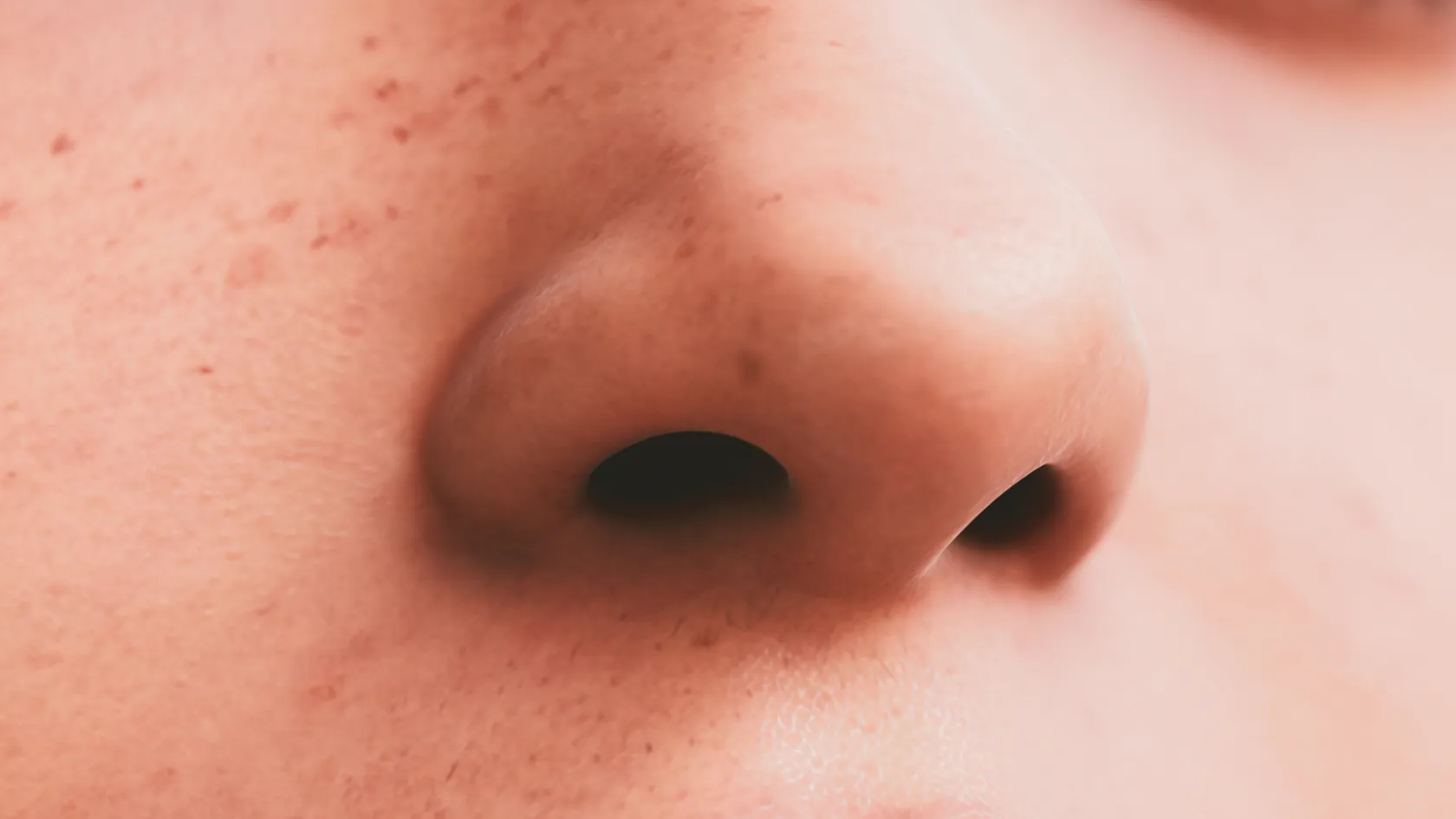
Smell deserves its own mention. Loss of smell is the symptom many patients mind most, and it responds to treatment less predictably than blockage. It returns within weeks in many people once the polyps are gone and the lining calms, more slowly in others, and in a minority who have lost it for many years it does not come back fully. Steroid rinses, smell training with a set of strong scents twice a day, and in severe cases biologic injections give the best chance.
For severe polyps that return despite surgery and steroids, biologic medicines that block the inflammation behind them are an option. In two international trials of 724 adults with severe polyps, dupilumab, an injection every two weeks, shrank the polyps, cleared the sinuses on CT and improved nasal blockage and smell compared with placebo, and was well tolerated. The polyps return in many people when the injections stop, and the medicine is costly, so it is used for patients who need it most, in many cases alongside surgery.
What do the results show?
Three sets of numbers tell the story, the benefit of surgery, how frequently polyps return, and what the newer injections add.
This table scrolls sideways on a narrow screen. Swipe or drag to see every column.
National audit of sinus surgery, England and Wales
| Measure |
Result |
| Patients |
3,128 at 87 hospitals |
| SNOT-22 before and 3 months after surgery, polyp patients |
41.0 to 23.1 |
| Score at 12 and 36 months |
Similar to 3 months |
| Bleeding during surgery |
5 percent |
| Complications involving the eye |
0.2 percent |
| Revision surgery by 36 months |
11.4 percent |
This table scrolls sideways on a narrow screen. Swipe or drag to see every column.
Polyp recurrence after surgery, US multicenter cohort
| Time after surgery |
Recurrence |
| 6 months |
35 percent |
| 12 months |
38 percent |
| 18 months |
40 percent |
This table scrolls sideways on a narrow screen. Swipe or drag to see every column.
Dupilumab trials, 724 adults with severe polyps
| Outcome at 24 weeks |
Effect against placebo |
| Polyp size score |
Reduced by about 2 points |
| Nasal blockage |
Improved |
| Sinus CT score |
Improved |
| Side effects |
Fewer than with placebo |
- Previous sinus surgery more than doubled the risk of recurrence.
- More extensive polyps before surgery raised it further.
- Asthma and aspirin sensitivity are linked to more persistent disease.
In adult patients with severe CRSwNP, dupilumab reduced polyp size, sinus opacification, and severity of symptoms and was well tolerated.
LIBERTY NP SINUS-24 and SINUS-52 trials, The Lancet, 2019
Days, cost and the trip
Plan five to seven days in Istanbul. The first day covers the consultation, endoscopy and review of the CT, the operation follows, and an endoscopic check and cleaning of the nose a few days later confirms healing before you fly. Flying is comfortable once the nose has been cleaned at that check, and saline rinses before the flight ease pressure changes.
Cost depends on the extent of surgery, navigation, the anesthesia and the hospital stay. Your own figure follows the free review of your CT scan.
One coordinator plans the visit, from the visa invitation letter sent ten days ahead to the transfer and a hotel near the hospital for you and a companion. The team works in seven languages with halal meals and a prayer room available, and a female doctor is assigned on request when the schedule allows. Back home, the surgeon reviews your symptoms and any endoscopy photographs from your local doctor and stays reachable on the same WhatsApp number, and the written plan you take home lists the rinse and spray routine, the dates of the first follow-up checks, the signs that the polyps are returning and the point at which a biologic injection or a revision should be discussed, so that your local ear, nose and throat doctor can continue the care exactly where we left it.
Nasal polyp surgery FAQ
Will nasal polyps come back after surgery?
In some patients. In a US multicenter cohort, 60 to 70 percent remained free of recurrence at 18 months, and regular steroid sprays and rinses lower the risk.
Is nasal polyp surgery painful?
Pressure and congestion, more than pain.
Will my sense of smell come back?
It improves in many patients once the polyps are removed and the inflammation is controlled, though not in all.
Are there alternatives to surgery?
Steroid sprays and tablets come first. For severe recurrent polyps, biologic injections such as dupilumab shrink polyps and improve symptoms.
How long will I stay in Istanbul?
Five to seven days, including the check after surgery.
Can my family come with me?
Yes. A companion stays at the hotel we arrange.
References
- Hopkins C, Browne JP, Slack R, et al. The national comparative audit of surgery for nasal polyposis and chronic rhinosinusitis. Clinical Otolaryngology. 2006;31(5):390-398.
- DeConde AS, Mace JC, Levy JM, et al. Prevalence of polyp recurrence after endoscopic sinus surgery for chronic rhinosinusitis with nasal polyposis. Laryngoscope. 2017;127(3):550-555.
- Smith TL, Kern RC, Palmer JN, et al. Medical therapy vs surgery for chronic rhinosinusitis: a prospective, multi-institutional study. International Forum of Allergy and Rhinology. 2011;1(4):235-241.
- Rimmer J, Fokkens W, Chong LY, Hopkins C. Surgical versus medical interventions for chronic rhinosinusitis with nasal polyps. Cochrane Database of Systematic Reviews. 2014, issue 12, CD006991.
- Bachert C, Han JK, Desrosiers M, et al. Efficacy and safety of dupilumab in patients with severe chronic rhinosinusitis with nasal polyps (LIBERTY NP SINUS-24 and LIBERTY NP SINUS-52). Lancet. 2019;394(10209):1638-1650.