Endoscopic sinus surgery, or FESS, treats chronic sinusitis and nasal polyps that persist despite sprays and rinses, by removing polyps and opening the sinus drainage pathways through the nostrils with no cuts on the face. A randomized trial showed clearly better symptoms after surgery than with medicines alone. At Biruni Hospital in Istanbul, our ENT surgeons use image guidance, combine septoplasty when needed and follow patients after they return home.
About This Department
ENT
Blocked sinuses, polyps and lost smell can last for years. Endoscopic sinus surgery reopens the sinuses through the nostrils, without cuts on the face.
Endoscopic sinus surgery, also called functional endoscopic sinus surgery or FESS, treats chronic rhinosinusitis and nasal polyps that persist despite nasal sprays and rinses. Through the nostrils, the surgeon uses a thin camera to remove polyps and widen the natural drainage pathways of the sinuses, so that air flows, mucus drains and medicines reach the lining. The evidence is strong. In the MACRO trial of 514 adults in the United Kingdom, those who had sinus surgery scored 20 points better on the SNOT-22 symptom scale at six months than those who continued nasal medicines alone (Philpott and colleagues, Lancet, 2025). The benefit lasts, and an English national audit of 3,128 patients found the improvement unchanged five years after surgery (Hopkins and colleagues, Laryngoscope, 2009). This page explains chronic sinusitis, medical treatment, who needs surgery, CT scans, the operation, navigation, risks, recovery, polyp recurrence and biologic drugs, and how patients from abroad arrange endoscopic sinus surgery at Biruni Hospital in Istanbul.
20
Points better symptom score with sinus surgery than with nasal medicines alone in a randomized trial
5
Years over which the improvement after surgery held steady in a national audit
1
Percent major complication rate in 62,823 endoscopic sinus operations
Free
Review of your CT scan and symptoms by our ENT team
The surgeon works entirely through the nostrils with endoscopes and fine instruments. No cut is made on the face, and no visible scar remains.
The aim is function. FESS opens the natural drainage pathways of the sinuses and keeps the healthy lining, instead of stripping it away as older operations did.
The sinuses
Sinus
Location
Drains into
Maxillary
Cheeks
Middle meatus
Ethmoid
Between the eyes
Middle and upper meatus
Frontal
Forehead
Frontal recess
Sphenoid
Deep behind the nose
Sphenoethmoidal recess
Surgery is tailored to the sinuses that are diseased on the CT scan, from opening one blocked sinus to a full clearance of all sinuses in extensive polyp disease.
Chronic rhinosinusitis
Symptoms of chronic rhinosinusitis
Symptom
What patients notice
Note
Nasal blockage
Breathing through the mouth, snoring
Main symptom
Discharge
Thick mucus, postnasal drip
Front or back of the nose
Facial pressure
Fullness over cheeks or forehead
Worse bending forward
Loss of smell
Food tastes bland
Typical with polyps
Chronic rhinosinusitis means inflammation of the nose and sinuses lasting twelve weeks or more, with blockage or discharge and either facial pressure or loss of smell, confirmed by endoscopy or CT. It affects around one in ten adults in Europe.
How is this different from repeated colds?
A cold clears in ten days. Acute sinusitis clears within twelve weeks. Chronic rhinosinusitis persists beyond twelve weeks. Recurrent acute sinusitis, with four or more clear episodes a year, can also be an indication for surgery.
Two main forms exist, chronic rhinosinusitis with nasal polyps and without polyps. Polyps are soft, grape-like swellings of the lining, linked to asthma and allergy in many patients.
Polyps in one side only, bleeding or facial numbness need a biopsy to exclude a tumor.
Medical treatment first
Appropriate medical therapy before surgery
Treatment
How
Duration
Saline rinses
Large volume squeeze bottle, once or twice daily
Ongoing
Steroid nasal spray or drops
Correct technique, head down
At least eight to twelve weeks
Short course of oral steroid
For polyps, when safe
One to three weeks
Antibiotics
Only for infected flares
Short courses
1
Technique matters
Many patients who feel sprays do not work are using them wrongly. Aiming the spray away from the septum and rinsing before spraying improve results.
Surgery does not replace medical treatment. After FESS, rinses and steroid sprays reach the opened sinuses and work better.
Long-term low dose antibiotics did not help in the MACRO trial, where three months of clarithromycin gave no benefit over placebo (Philpott and colleagues, 2025).
Who needs surgery
Surgery is recommended when symptoms remain troublesome after appropriate medical therapy and the CT scan shows sinus disease.
Other reasons for sinus surgery
Complications such as infection spreading to the eye socket, mucoceles, fungal sinus disease, and sinus disease that makes asthma harder to control are further reasons. Endoscopic techniques are also used for nosebleeds, tear duct blockage and selected tumors.
1
Shared decision
We discuss expected benefit, the chance of polyp return and the alternatives, including continued medicines and biologic drugs, before any operation.
Common indications
Situation
Typical procedure
Note
Chronic sinusitis without polyps
Opening of the affected sinuses
Targeted surgery
Nasal polyps
Removal of polyps and opening of all involved sinuses
Wider surgery lowers revision
Fungal ball
Removal from the sinus
Cure in most cases
Recurrent acute sinusitis
Opening of the drainage pathways
Fewer infections
Surgery against medicines
1
The MACRO trial
The first large randomized trial to compare sinus surgery with continued medicines in chronic rhinosinusitis, published in 2025.
MACRO trial, 514 adults, symptom score at six months
Comparison
Difference in SNOT-22
Meaning
Surgery against placebo
20.4 points better
Large, clinically important
Surgery against clarithromycin
18.1 points better
Large, clinically important
Clarithromycin against placebo
3.1 points, no significant difference
No benefit
What is the SNOT-22?
A questionnaire of 22 items covering nasal symptoms, sleep, mood and daily function, scored from 0 to 110. Higher scores mean worse symptoms, and a change of nine points or more is clinically meaningful.
Long-term results, English national audit of 3,128 patients
Measure
Result
Note
Symptom improvement
Stable from one to five years
No decline over time
Revision surgery by five years
19.1 percent
20.6 percent with polyps
Extensive versus limited polyp surgery
Fewer revisions after extensive surgery
Adjusted analysis
Serious adverse events after surgery in the MACRO trial were uncommon, two percent, and none were fatal.
Breathing, smell and sleep
Patients notice the difference within weeks.
Breathing through the nose returns, sleep improves as mouth breathing and snoring settle, headaches from facial pressure fade, and many patients with polyps regain some or all of their sense of smell as the airflow reaches the smell area high in the nose, although smell recovery depends on how long it has been lost and on control of the underlying inflammation with continued steroid sprays. Patients with asthma find their chest easier to control once the nose and sinuses calm down.
Small changes add up to a better life.
CT scan and endoscopy
Nasal endoscopy in the clinic shows polyps, pus and the drainage pathways.
A CT scan of the sinuses maps the disease and the anatomy before surgery.
Allergy tests and blood eosinophil counts help classify the inflammation.
Before surgery
Test
Purpose
Timing
Sinus CT
Disease extent, anatomy, safety planning
Within three months of surgery
Endoscopy
Polyps, discharge
First visit
Blood tests
Fitness, eosinophils
Before surgery
Smell test
Baseline smell
Before surgery
The CT is loaded into the navigation system so that the surgeon can see the exact position of the instruments relative to the eye socket and the skull base.
Bring CT images on disc or as a download link. A report alone is not enough for planning.
The operation
1
Under general anesthesia
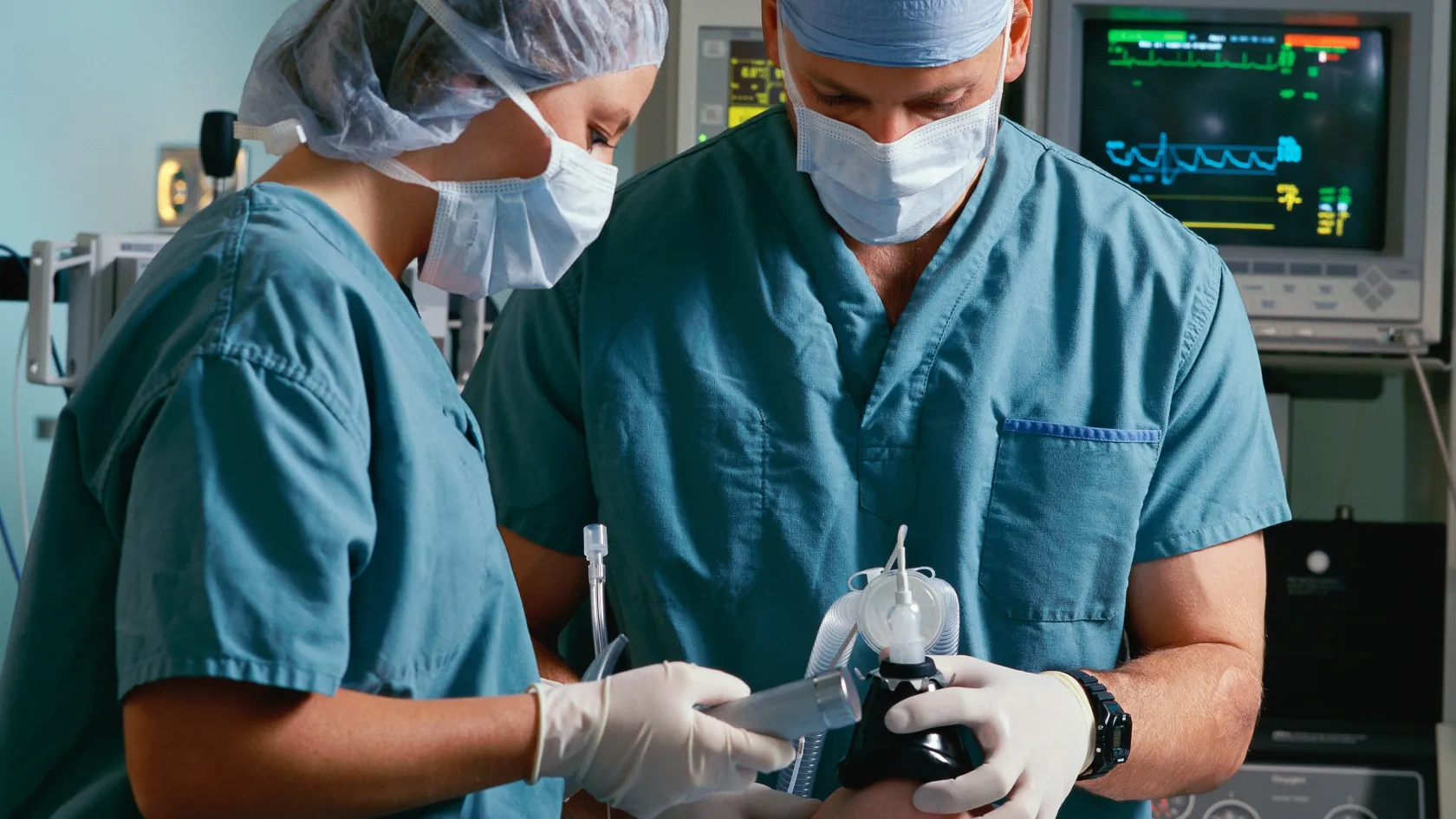
The operation takes one to three hours, depending on the number of sinuses and polyps, and patients go home the same day or the next morning.
No external cuts, no stitches on the face, and in most cases no packing that needs removal.
The surgeon removes polyps with a fine shaver, opens the cells of the ethmoid sinus, widens the openings of the maxillary, frontal and sphenoid sinuses as needed and preserves the lining. A deviated septum or enlarged turbinates are corrected in the same operation when they block access or airflow.
A typical day
Step
Timing
Note
Admission and checks
Morning
Fasting from midnight
Surgery
One to three hours
General anesthesia
Recovery
Two to four hours
Head raised
Discharge
Same evening or next morning
With rinse kit and medicines
Navigation and balloon techniques
Image guidance
1
Navigation
A tracking system shows the instrument tip on the patient's own CT images in three planes during surgery, like a GPS for the sinuses.
Navigation adds a layer of safety in revision surgery, extensive polyps, frontal and sphenoid sinus surgery and distorted anatomy. It supports the surgeon's anatomical knowledge, which remains the main safeguard.
Balloon sinus dilation widens a sinus opening with a small balloon and suits selected patients with limited disease without polyps. It does not treat polyps.
Is balloon dilation better than FESS?
For limited disease without polyps, balloon dilation gives similar short-term relief with less tissue removal. For polyps or extensive disease, FESS is the effective option. Both can be combined in the same operation.
Choosing the technique
The technique follows the CT findings and the type of inflammation, and the surgeon explains the plan on your own scan before surgery.
Risks
Major complications in 62,823 endoscopic sinus operations
Complication
Rate
Note
All major complications
1.00 percent
Nationwide database
Bleeding needing transfusion
0.76 percent
Most common major event
Cerebrospinal fluid leak
0.17 percent
Repaired endoscopically
Orbital injury
0.07 percent
Very rare
Minor problems are more common, such as crusting, mild bleeding in the first days and scar bands inside the nose, which are cleared at follow-up visits. Serious complications are rare in experienced hands (Ramakrishnan and colleagues, International Forum of Allergy and Rhinology, 2012).
Signs that need same-day review
Heavy bleeding that does not stop with pressure, clear watery fluid dripping from one side of the nose, eye swelling, double vision or loss of vision, and severe headache with fever need immediate contact with our team.
We explain each risk in writing before consent, including the risk of polyps returning.
Recovery
Most patients feel congested for one to two weeks, as after a heavy cold, with blood-stained mucus in the first days. Pain is mild and controlled with simple painkillers.
1
Rinses
Saline rinses start the day after surgery, several times a day, to clear crusts and help healing. They are the most important part of recovery.
Recovery timeline
Activity
When
Note
Desk work
After one week
Physical work after two weeks
Blowing the nose
Gently after one week
Sneeze with mouth open
Exercise
After two weeks
Swimming after three weeks
Flying
After seven to ten days
After the first clinic check
Follow-up visits
The surgeon cleans the sinuses with the endoscope at one to two weeks and again at four to six weeks, removing crusts and preventing scar bands, which matters for the long-term result.
Polyps, recurrence and biologics
1
Polyps can return
Surgery removes polyps and opens the sinuses, but the inflammation that causes them continues. In the English audit, one in five polyp patients had further surgery within five years.
Lifelong steroid sprays or rinses with steroid keep polyps in check after surgery. Patients with asthma, aspirin sensitivity or high eosinophil counts have more severe, type 2 inflammation and a higher chance of return.
Biologic drugs
For severe polyps that return despite surgery and steroids, injections such as dupilumab block the inflammatory pathway, and in two international trials dupilumab shrank polyps, cleared the sinuses on CT and improved smell and blockage (Bachert and colleagues, Lancet, 2019).
2
Surgery and biologics together
Biologics do not replace surgery for most patients. They suit severe, recurrent disease, and surgery remains the first step for most.
Who may benefit from biologics
Feature
Why it matters
Note
Polyps on both sides after surgery
Recurrent disease
Main criterion
Asthma or aspirin sensitivity
Type 2 inflammation
Higher recurrence
Repeated oral steroid courses
Side effects
Steroid sparing
Living with chronic sinusitis
Chronic sinusitis needs long-term care.
Patients do well with a daily routine of rinses and steroid spray after surgery, a yearly check with endoscopy, prompt treatment of flares and good control of allergy and asthma, while avoiding smoking and irritants that inflame the lining, and those who keep up this routine report the most lasting benefit, with symptoms in the same range years later as in the first months after surgery. Revision surgery, when needed, is planned with the same care as the first operation.
The routine takes minutes a day.
For patients from abroad
1
Length of stay
Plan for seven to ten days in Istanbul. Surgery is on day one or two, and the first endoscopic cleaning before fitness to fly is confirmed.
Send a recent CT scan of the sinuses with images, a list of medicines and sprays tried, and any previous operation notes. Our ENT team reviews them and confirms that surgery is suitable before you travel.
2
After you return home
The second cleaning at four to six weeks can be done by a local ENT specialist, and we review endoscopy photographs and symptoms by video and message.
Support in Istanbul
One coordinator from the international patients office handles arrangements from the first message through discharge and answers the same WhatsApp number after you return. The office works in English, Arabic, French, Russian, Serbian, Romanian and Spanish and books interpreters for other languages, and it arranges the visa invitation letter, airport transfers, daily transport and accommodation near the hospital. Halal, vegetarian and diabetic meals, a prayer room on site, and a female physician on request wherever the rota allows.
Patients combining FESS with septoplasty or rhinoplasty should allow two weeks, because swelling takes longer to settle.
Cost
The price depends on the number of sinuses treated, polyp extent, navigation, and whether septoplasty or turbinate surgery is added. We send a written quote after reviewing your CT, before you travel.
1
Included in the quote
Surgeon and anesthesia fees, navigation when planned, the hospital stay, medicines at discharge, the rinse kit and the first endoscopic cleaning.
Compare quotes for the same procedure, and check that follow-up cleaning and navigation are included.
What changes the quote
Factor
Effect
Example
Extent of surgery
More sinuses, longer operation
Full clearance for polyps
Combined procedures
Septoplasty, turbinates
Deviated septum
Revision surgery
Navigation, longer operation
Previous FESS
Biologic drugs
Biologic injections, when needed after surgery, are priced separately and continue in your home country under local supervision.
References
Philpott C, Beard DJ, Saeedi E, et al. The clinical effectiveness of clarithromycin versus endoscopic sinus surgery for adults with chronic rhinosinusitis with and without nasal polyps (MACRO), a pragmatic, multicentre, three-arm, randomised, placebo-controlled phase 4 trial. Lancet. 2025;406(10506):926-939.
Hopkins C, Slack R, Lund V, Brown P, Copley L, Browne J. Long-term outcomes from the English national comparative audit of surgery for nasal polyposis and chronic rhinosinusitis. Laryngoscope. 2009;119(12):2459-2465.
Ramakrishnan VR, Kingdom TT, Nayak JV, Hwang PH, Orlandi RR. Nationwide incidence of major complications in endoscopic sinus surgery. Int Forum Allergy Rhinol. 2012;2(1):34-39.
Bachert C, Han JK, Desrosiers M, et al. Efficacy and safety of dupilumab in patients with severe chronic rhinosinusitis with nasal polyps (LIBERTY NP SINUS-24 and LIBERTY NP SINUS-52), results from two multicentre, randomised, double-blind, placebo-controlled, parallel-group phase 3 trials. Lancet. 2019;394(10209):1638-1650.
Editor's note
Written by the Biruni Hospital medical editorial team. Reviewed by Prof. Dr. Metin GÜDEN, Radiation Oncology.