Skip to content
Liposuction Surgery
Plastic, Reconstructive and Aesthetic Surgery

Liposuction Surgery

About This Department

 
Plastic Surgery

Liposuction reshapes the body by removing fat from areas that diet and exercise do not reach. Liposuction changes contour and leaves obesity and its health risks untouched.

Liposuction removes stubborn deposits of fat through small cuts, using thin tubes and a large volume of fluid that numbs the area and limits bleeding. Performed alone, by an experienced surgeon, it is among the safer operations in plastic surgery, with major complications in 0.7 percent of 11,490 cases in one large registry. The risk climbs when it is combined with other procedures, and when hygiene, fluid limits or patient selection slip. Send us photographs of the areas that concern you, your height, weight and medical history, and a plastic surgeon will tell you what liposuction could achieve for you and how long to plan.

0.7%
Major complications when liposuction is done alone
4.8 times
Higher risk when combined with other procedures
5 to 7 days
In Istanbul before flying home
Free
Plastic surgeon's review of your photos
Free consultation

Liposuction treats shape. Fat cells removed from the abdomen, flanks, thighs, arms, back or under the chin do not grow back in that place, and the contour stays smoother as long as weight stays stable. It suits people near their goal weight with firm skin and deposits that have resisted diet and exercise.


This table scrolls sideways on a narrow screen. Swipe or drag to see every column.

Common expectations against the evidence
Expectation What the evidence shows
Liposuction is a way to lose weight Removing even 10 kilograms of fat from obese women left blood pressure, blood sugar, cholesterol and insulin action unchanged
Fat will never come back In a randomized trial, body fat returned within a year, to the abdomen, while the treated thighs stayed slimmer
It is a minor procedure Done alone, major complications are rare. Combined with other operations the risk rises almost fivefold
Tumescent local anesthesia is always safe Over 3,240 cases with strict guidelines had no deaths. Where guidelines were broken, deaths occurred

  • Body weight close to your goal, stable for at least six months.
  • Localized deposits that have resisted diet and exercise.
  • Firm skin.
  • Good general health, no smoking, and realistic expectations of a change in shape.

The abdomen and flanks are the areas treated most, followed by the thighs, arms, back, knees and the area under the chin. In men, liposuction treats the flanks and, together with gland removal, enlarged male breasts. It also has medical uses. In lipedema, a painful, symmetrical build-up of fat in the legs and arms of women that resists diet, specialized liposuction reduces pain and swelling, and fat removed by liposuction is purified and transferred in some operations to fill hollows elsewhere, in the face, the breasts or the buttocks, a separate operation with its own risks that the surgeon discusses in detail when it is planned.


Marking and anesthesia
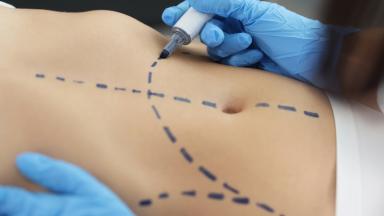
The areas are marked with you standing. Small areas suit tumescent local anesthesia. Larger or multiple areas are treated under general anesthesia, with an anesthetist monitoring breathing, blood pressure and fluid balance throughout.
Tumescent fluid
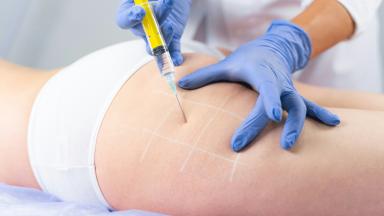
A solution of saltwater, a local anesthetic and adrenaline is infused into the fat. It numbs the area, shrinks blood vessels and makes the fat easier to remove.
Suction
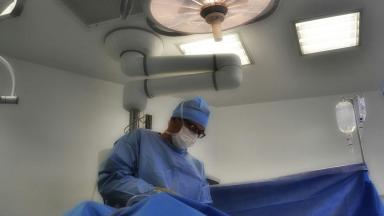
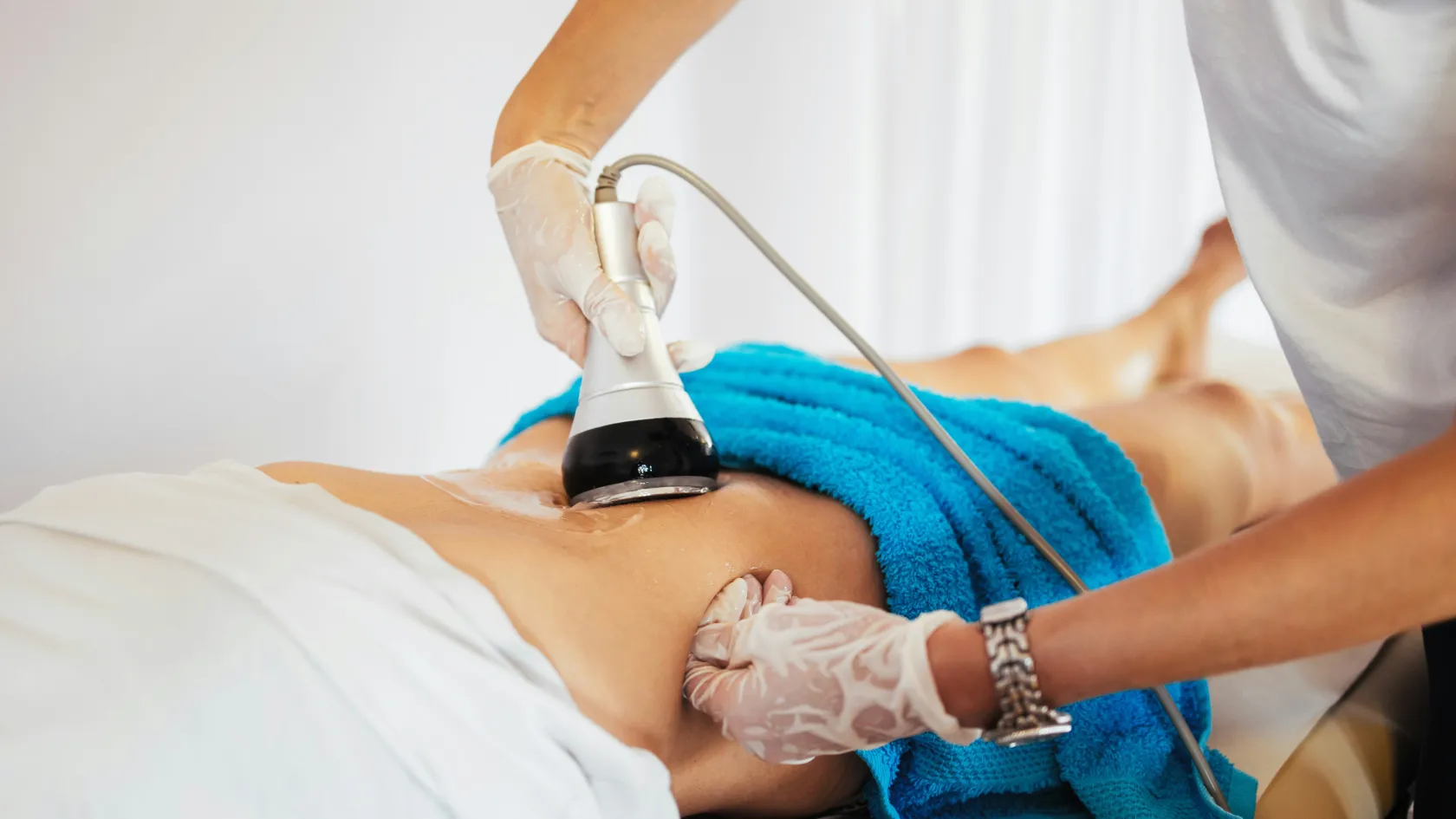
Through cuts a few millimeters long, a thin tube moved back and forth loosens and draws out the fat in even layers. One to three hours, depending on the areas.
Techniques

Power-assisted devices vibrate the tube and ease the work in fibrous areas such as the back. Ultrasound and laser devices loosen fat with energy before suction and are used in some centers. High-definition techniques sculpt muscle outlines in lean patients. The surgeon's judgment and experience matter more than the device, and each technique carries its own risks, burns among them for energy-based methods.

Safety limits the volume removed in one session, and many surgeons stop at four to five liters of fat, with larger amounts or several large areas divided into stages weeks apart.

What happens on the day and in the weeks after?

The first days
Home the same day or after one night. Pinkish fluid drains from the cuts for a day or two into padding inside the garment. Soreness feels like a deep bruise and responds to tablets. Walking starts the same day to protect against clots.
The first month
A compression garment is worn day and night for three to four weeks, then by day for a few more. Desk work resumes in a few days to a week, exercise after three to four weeks.
Three to six months
Swelling settles slowly and the final contour appears. Firm areas and patchy numbness fade over these months.

Compression, massage and the skin

The garment reduces swelling, supports the skin as it shrinks back and keeps the contour even. Some surgeons add lymphatic massage in the early weeks. Skin with good elasticity retracts well. Skin that has stretched a great deal after pregnancy or large weight loss may hang more loosely after the fat beneath it is removed, and a tummy tuck or arm lift is the better operation for that.

How safe is liposuction?

Safe in the right hands, under the right rules.

Liposuction performed alone is a safe procedure with a low risk of major complications. Combined procedures, especially on obese or older individuals, can significantly increase complication rates.
CosmetAssure registry of 31,010 liposuction procedures, Aesthetic Surgery Journal, 2017
Complications in numbers

An American registry followed 31,010 liposuction procedures between 2008 and 2013. Among the 11,490 done alone, major complications, those that needed an emergency visit, a hospital admission or a second operation within 30 days, occurred in 0.7 percent. The commonest were blood collections, 0.15 percent, lung problems and infection, 0.1 percent each, and confirmed blood clots, 0.06 percent.

Adding liposuction to another operation raised the risk 4.8 times, with higher rates of blood clots, lung complications and infection. Age and body mass index added risk too. Irregularities are more common. Dents, lasting numbness and uneven results are the usual reasons for a touch-up.

Liposuction using exclusively tumescent local anesthesia is a proven safe procedure provided that the existing guidelines are meticulously followed.
Series of 3,240 consecutive cases, Dermatologic Surgery, 2009

The German review shows where things go wrong. It collected 72 cases of severe complications, 23 of them fatal, over five years in a country performing around 200,000 liposuctions a year. Infections such as necrotizing fasciitis and sepsis, bleeding, perforation of the abdominal organs and pulmonary embolism caused the deaths, and most complications showed within 24 hours. The same factors appeared again and again, and each is under the control of the clinic.

Major risk factors for the development of severe complications are insufficient standards of hygiene, the infiltration of multiple liters of wetting solution, permissive postoperative discharge, and selection of unfit patients.
Review of 72 severe cases in Germany, Plastic and Reconstructive Surgery, 2008

What does liposuction not change?

Health, for one.

A contour operation
In a study at Washington University, obese women had large-volume abdominal liposuction removing close to 10 kilograms of fat. Ten to twelve weeks later their insulin sensitivity, blood pressure, blood sugar, cholesterol and inflammatory markers were unchanged. Losing fat by diet and exercise improves these because it shrinks fat inside the abdomen and liver, which liposuction does not touch.
  • It does not replace weight loss, and weight gained afterward settles in untreated areas.
  • It does not tighten loose skin or remove stretch marks.
  • It does not reach fat inside the abdomen around the organs.
  • It does not reliably treat cellulite, which can look more uneven after aggressive suction.

A randomized trial in 32 women of normal weight showed what happens to fat afterward. A year after small-volume liposuction of the thighs, hips or lower abdomen, total body fat had returned to where it started, and the new fat had settled in the abdomen while the treated thighs stayed slimmer. Stable weight protects the result. Regular exercise helps keep it.


How many days in Istanbul, and what decides the cost?

  • Photographs of the areas from the front, back and sides, following the guide we send.
  • Height, weight and any recent change.
  • Medical history, medicines, previous surgery and any history of blood clots.

Warning signs after surgery
Breathlessness, chest pain, a swollen painful calf, fever with spreading redness or severe pain out of proportion, dizziness or fainting need a doctor at once.

Liposuction alone takes a week at most.

Plan five to seven days in Istanbul for liposuction alone, longer when it is combined with another operation. Day one brings the consultation, blood tests and markings. Surgery follows, then one night or a day stay, and a check before you fly. Blood clot risk is highest in the first weeks after surgery, so walk on the plane, drink water and wear the compression garment during the flight.

Cost depends on the number of areas, the anesthesia, the time in the operating room and the night in hospital, and includes the compression garment and checks. Energy-based devices add to it. Your own figure follows the free review of your photographs.

One coordinator handles your visit. The team works in seven languages, with interpreters for the rest. Ten days before travel, an invitation letter naming the hospital and the surgeon goes out, and the international patients office books the transfer and a hotel for you and a companion. Halal, vegetarian and diabetic meals come on request, a prayer room is on site, and a request for a female doctor is passed to the department and met wherever the rota allows. Back home, the coordinator stays reachable on the same WhatsApp number, and the surgeon reviews photographs of your progress at one, three and six months, when swelling has settled enough to judge the contour, and advises on garments, massage and a return to training, so that any small irregularity is picked up early and a touch-up, if one is ever needed, waits until the tissues have settled, since firm areas in the first weeks can look like dents that later smooth out on their own.

Liposuction FAQ

Is liposuction a way to lose weight?
No. It changes shape. Removing fat by liposuction did not improve blood pressure, blood sugar or cholesterol in a study of obese women.
Does fat come back after liposuction?
Fat cells removed from an area do not grow back there, but weight gained afterward settles elsewhere. In a randomized trial, body fat returned within a year, mainly to the abdomen.
How safe is liposuction?
Done alone, major complications occurred in 0.7 percent of 11,490 cases. Combining it with other operations raised the risk almost fivefold.
How long is recovery?
Desk work in a few days to a week, exercise after three to four weeks, a compression garment for four to six weeks, and the final shape by three to six months.
When can I fly home?
Five to seven days after liposuction alone, after a check, wearing the compression garment and walking during the flight.
Can my family come with me?
Yes. The international patients office arranges a hotel for you and a companion.

References

  1. Kaoutzanis C, Gupta V, Winocour J, et al. Cosmetic Liposuction: Preoperative Risk Factors, Major Complication Rates, and Safety of Combined Procedures. Aesthetic Surgery Journal. 2017;37(6):680-694.
  2. Habbema L. Safety of liposuction using exclusively tumescent local anesthesia in 3,240 consecutive cases. Dermatologic Surgery. 2009;35(11):1728-1735.
  3. Lehnhardt M, Homann HH, Daigeler A, et al. Major and lethal complications of liposuction: a review of 72 cases in Germany between 1998 and 2002. Plastic and Reconstructive Surgery. 2008;121(6):396e-403e.
  4. Klein S, Fontana L, Young VL, et al. Absence of an effect of liposuction on insulin action and risk factors for coronary heart disease. New England Journal of Medicine. 2004;350(25):2549-2557.
  5. Hernandez TL, Kittelson JM, Law CK, et al. Fat redistribution following suction lipectomy: defense of body fat and patterns of restoration. Obesity. 2011;19(7):1388-1395.

Editor's note

Written by the Biruni Hospital medical editorial team. Reviewed by Prof. Dr. Atilla ARINCI, Plastic, Reconstructive and Aesthetic Surgery.

Related Treatments

View All