
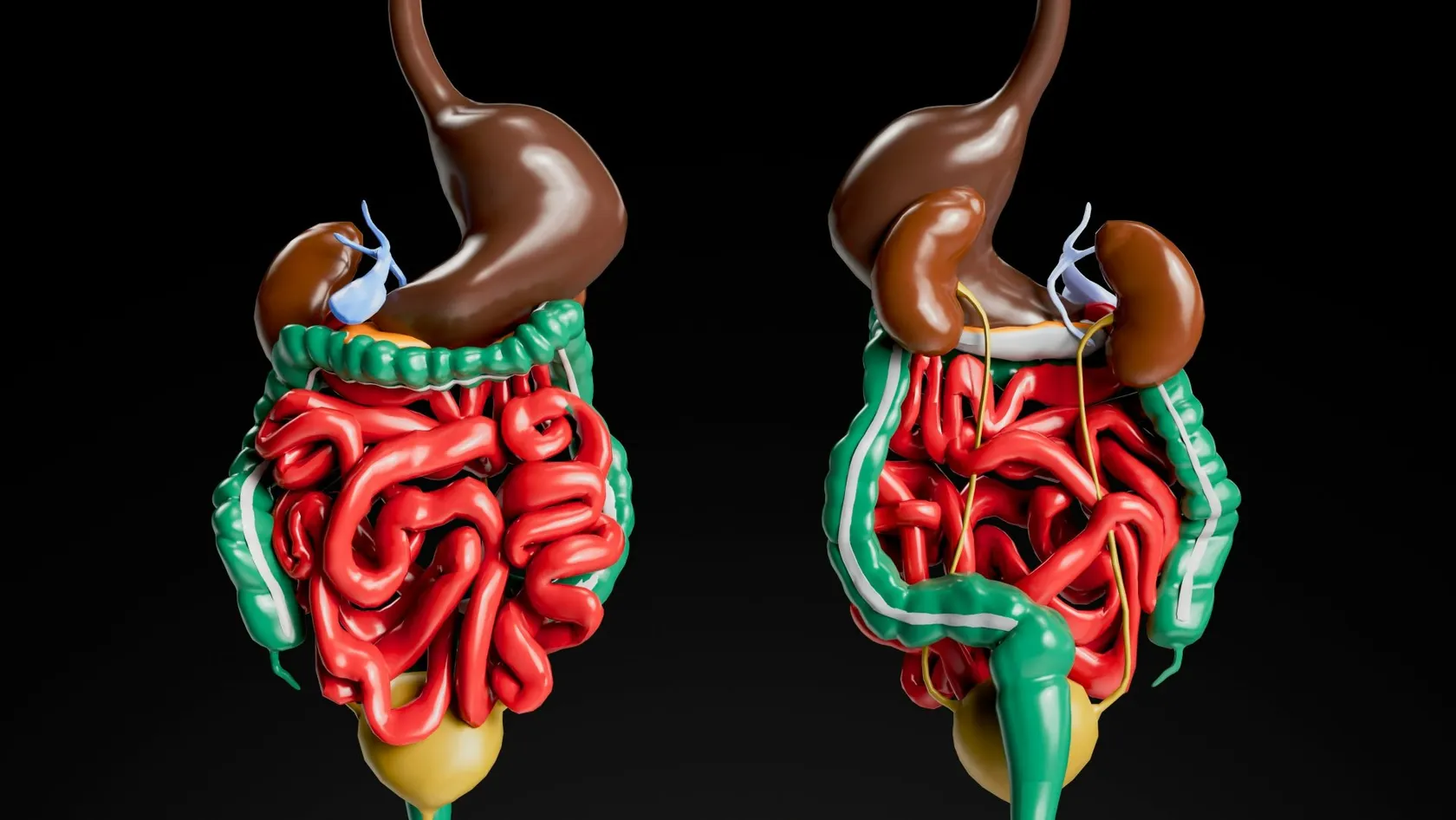
Whipple Surgery - Pancreaticoduodenectomy
The same operation is done for five different diagnoses with five very different outcomes, and most people arrive assuming theirs is the worst one. What is removed and why, what the three new joins cause later, and what survivors say years afterwards.
About This Department
Among 137 people surveyed three or more years after a Whipple operation for pancreatic cancer, 91 percent said they would have the surgery again, 99 percent had at least one digestive symptom, and 83 percent said those symptoms had little or no effect on their quality of life. That combination is the honest summary of this operation, and this page sets out what it actually involves, why the same procedure is performed for five very different diseases, and what living with the rebuilt anatomy is like afterwards.
Free consultation
Ask which of the five diagnoses yours is, and what that changes
Send the cross-sectional images themselves rather than only the reports, plus any biopsy or endoscopic ultrasound result naming the tissue of origin, your bilirubin and liver blood tests, whether a stent has been placed in the bile duct and when, your weight now and six months ago, whether you have diabetes and for how long, your medication list, and details of any previous abdominal surgery. A pancreatic surgeon and a medical oncologist read the file together and tell you what the tumor is, what the sequence should be, and what the realistic expectation is for your particular diagnosis. No fee, no obligation, and a coordinator replies in your own language, usually within the same working day.
What is removed
Patients are often shocked by how much comes out for what sounded like a small tumor. Four facts explain it, and they explain most of the rest of this page too.
Five different diseases
This is the most important thing on the page and the thing patients most often have wrong, because a Whipple operation removes a block of tissue where four organs meet and a tumor can begin in any of them. Cancer of the pancreatic head is the commonest and by some distance the most serious, while cancer of the ampulla, the small opening where the pancreatic and bile ducts empty into the duodenum, behaves quite differently. So does cancer of the lower bile duct, and so does cancer of the duodenum itself. The operation is identical for all four, the scar is identical, the recovery is identical, and the outlook is not.
Being told you are having a Whipple operation therefore tells you almost nothing about your prognosis, and a great deal of the fear people arrive with comes from reading about pancreatic cancer when they have something else. If your biopsy or your pathology report names the ampulla, the duodenum or the bile duct rather than the pancreas, the numbers in the next section are the ones that apply to you. Ask which of the five your tumor is, ask for it in writing, and ask again after the operation, because the final pathology sometimes reclassifies what the biopsy suggested. That reclassification cuts both ways, and a tumor that looked like pancreatic cancer on a needle sample turning out to be ampullary on the full specimen is one of the better pieces of news anybody gets in this disease.
Survival by diagnosis
These figures come from four separate studies rather than one table, so read them as four snapshots that point the same way rather than as a single ranking.
- Ampullary cancer against pancreatic head cancer. Among 501 patients having a Whipple operation at one center, five year survival was 32.8 percent for ampullary adenocarcinoma and 6.5 percent for adenocarcinoma of the pancreatic head. Of the 109 patients who survived five years or more, 76.1 percent had ampullary tumors.
- Duodenal cancer sits in between and depends on exactly where. Across 52 consecutive patients, duodenal cancer arising at the ampulla gave median survival of 41.5 months and five year survival of 52 percent, while duodenal cancer arising elsewhere gave 21 months and 27.3 percent.
- Lower bile duct cancer falls between the two. Reviewing 1,017 Whipple specimens, pathologists identified 52 arising in the intrapancreatic bile duct and found survival significantly better than pancreatic cancer and significantly worse than ampullary cancer, and that study reported the comparison without stating percentages, so no five year figure is quoted here.
- Within pancreatic cancer, the lymph nodes dominate everything. Among 134 patients, overall five year survival was 18.6 percent, and it split into 55.6 percent for those with no involved lymph nodes and 12.9 percent for those with involved nodes. Where more than 15 percent of the nodes removed contained cancer, five year survival was 5.2 percent.
- Margins matter alongside the nodes. In the thousand-patient series, the 405 patients operated on for pancreatic head cancer had five year survival of 18 percent overall, 32 percent where the nodes were clear, and 41 percent where the nodes and the margins were both clear.
- And within ampullary cancer, the cell type divides it again. Across 214 patients, those whose tumor had an intestinal pattern had median survival of 156 months against 118 months for the pancreatobiliary or mixed pattern, and a separate study of 114 patients found pancreatobiliary differentiation carried a hazard ratio of 3.1 for death, with an interval of 1.8 to 5.1.
Two reasons besides cancer
A cyst or a growth that has not turned malignant
A substantial share of Whipple operations are done for lesions that are not yet cancer, and this is where the balance of benefit and harm is most delicate. Across 748 such operations recorded in an American quality database, 72.3 percent were for cystic tumors growing inside the pancreatic ducts, with the rest divided between mucinous cysts, serous cysts and solid pseudopapillary tumors. Median hospital stay was 8 days, major complications occurred in 18.0 percent and 20.5 percent were readmitted, while among the 37 patients aged 80 or over, major complications occurred in 29.7 percent and 24.3 percent were discharged somewhere other than home. Those authors made the point plainly, which is that in the oldest patients the harm of the operation can exceed the cancer-prevention benefit it is being done for. If you are being offered a Whipple for something that is not cancer, that trade is the conversation to have, and it should include what surveillance would look like instead and how quickly the lesion has changed on the scans you already have.
Chronic pancreatitis
Long-standing inflammation of the pancreas can produce an inflammatory mass in the head that causes intractable pain and blocks the bile duct, and surgery is offered when everything else has failed. A European trial across 18 hospitals randomized 250 such patients to a Whipple operation or to an operation that hollows out the pancreatic head while preserving the duodenum, then measured physical functioning over two years. The scores were 75.3 against 73.0, a mean difference of 2.3 points with a confidence interval running from minus 6.6 to 2.0, which is no difference at all. Serious adverse events occurred in 52 percent of the Whipple group and 64 percent of the duodenum-preserving group, and a smaller randomized trial of 85 patients found identical pain control at more than five years, at 67 percent in both arms, with identical rates of diabetes. Pooling five trials and 269 patients, a Cochrane review rated the evidence low or very low and found no significant difference in mortality, quality of life or diabetes. The one finding that reached the edge of significance was employment at longest follow-up, at 69.4 percent after the duodenum-preserving operation and 45.1 percent after a Whipple, with a lower confidence limit sitting exactly at one.
Before the operation
Five things happen or should be considered between the diagnosis and the anesthetic, and two of them are more contentious than they look.
- A stent in the bile duct is not automatically a good idea. A Dutch trial randomized 202 patients with jaundice to surgery within a week or to drainage first followed by surgery, and serious complications within 120 days occurred in 39 percent against 74 percent, a relative risk of 0.54 with a confidence interval of 0.41 to 0.71. Drainage worked in 94 percent of attempts and caused a complication in 46 percent.
- If a stent is needed anyway, the type matters. Pooling five studies covering 704 patients, those given a metal stent needed a repeat endoscopy before surgery in 3.4 percent against 14.8 percent with a plastic stent, and had a pancreatic leak afterwards in 5.1 percent against 11.8 percent. Only one of those five studies was randomized.
- Nutritional supplements before surgery help modestly. Pooling five randomized trials, an immune-modulating oral supplement reduced complications overall with a relative risk of 0.74 and infections with a relative risk of 0.60, while making no difference to pancreatic leak, major complications or death. A separate analysis of four trials covering 299 patients found infections with a relative risk of 0.58.
- Exercise before surgery has been tested and the trial was negative. A randomized trial of 151 patients compared a structured home exercise program during chemotherapy against enhanced usual care, and walking distance improved in both groups, by 18.6 meters in one and 27.3 in the other, with no difference between them. Read that as meaning activity helps and the formal program added nothing measurable.
- Muscle mass predicts what happens afterwards. In a single-center study of 179 patients having a Whipple operation for pancreatic cancer, 46.4 percent had low muscle mass on their scans, and that carried a hazard ratio of 5.67 for death with an interval of 3.58 to 8.98. That is a very large effect from one center, and the useful reading is directional rather than numerical.
The day itself
Five to eight hours in most modern series, and the day has a shape worth knowing about in advance.
The three joins
Almost everything that happens to you afterwards, in the first week and in the following decades, traces back to one of these three connections, and knowing which is which turns a vague symptom into a specific question.
Wide table. Swipe or drag it sideways on a narrow screen, because it scrolls instead of shrinking.
| The join | What it does | What it causes later |
|---|---|---|
| Pancreas to bowel or stomach | Carries digestive enzymes into the intestine. The most fragile of the three and the one that dominates the first week. | Enzyme deficiency later. Risk factors in a study of 189 patients were a hard pancreas and joining to the stomach rather than the bowel. |
| Bile duct to bowel | Carries bile down into the intestine, where it now arrives without passing a valve. | Narrowing and infection. In one series of biliary-enteric joins, cholangitis affected 18.5 percent and a benign narrowing 8.4 percent. |
| Stomach to bowel | Restores the passage of food. The most forgiving of the three in the short term. | Ulcers at the join. Among 1,338 patients, 5.4 percent developed a symptomatic ulcer, two thirds of them within 16 months. |
| All three together | Create a limb of bowel carrying bile and pancreatic juice that can occasionally block. | Afferent limb obstruction, found in 13 percent of 186 patients at a median of 1.2 years, though a third of those cases were caused by returning cancer. |
| Why this table is worth keeping | Symptoms years later are usually mechanical rather than mysterious. | A doctor who has never seen a rebuilt Whipple anatomy will find this list far more useful than a description of your symptoms. |
The ward, day by day
Around 58 percent of people having this operation in a national audit reached what surgeons call a textbook outcome, meaning no leak, no serious complication, no readmission and no death. The other 42 percent had something go wrong, most of it manageable.
Tubes and eating again
Two questions about the first week have been studied properly and the answers went in opposite directions from what most units used to do.
- That tube through the nose is often unnecessary. A French center compared 40 patients managed without one against 99 managed with one and reported hospital stay of 10 days against 14 and significant delayed stomach emptying in 7.5 percent against 45.5 percent. That study was a retrospective before-and-after comparison and its own authors called for a randomized trial, so treat the direction as encouraging and the size of the effect as unproven.
- Eating by mouth early beats feeding through a tube. A trial randomized 120 patients three ways and found clinically significant delayed emptying in 10.0 percent of those fed orally, 17.5 percent of those fed through a jejunal tube and 32.5 percent of those given fluids alone. Overall complications were highest in the group given nothing to eat.
- And routine tube feeding is actively worse. A French multicenter trial randomized 204 patients to early feeding through a nasojejunal tube or to intravenous nutrition, and complications occurred in 77.5 percent against 64.4 percent, with pancreatic leak in 48.1 percent against 27.7 percent. Its authors concluded plainly that the technique should not be recommended.
- Drains often go home with you. This is common, manageable and needs a named person responsible for removing it, along with a plan for what to do if the fluid changes color or volume. Ask for that plan in writing rather than as a verbal reassurance.
- A formal recovery program shortens the stay. Comparing 250 patients managed on such a program against 125 managed traditionally at the same center, median stay was 10 days against 13 and the proportion reaching a textbook outcome was 56.4 percent against 44.0 percent, while overall complication rates were essentially identical at 62.0 and 61.6 percent.
Going home
When you can travel
Three to four weeks after the operation for somebody who has come from abroad, and longer if anything was complicated. Three separate things set that number rather than the wound. A pancreatic leak declares itself in the first week and late bleeding follows a leak by days, so the safety net has to stay in place through both. The pathology report takes one to two weeks and it decides what treatment follows, which means leaving before it exists is leaving without the document that determines your next year. And eating has to become reliable, since a long flight with a stomach that is still refusing to empty is a genuinely miserable experience and occasionally a dangerous one. Readmission after this operation runs at somewhere between 10 and 20 percent depending on the population studied, and the commonest reason is a collection of infected fluid in the abdomen, which is exactly the thing you do not want to develop over an ocean.
What goes home with you
Four documents and three arrangements, and the reason to list them out is that every one of them is easier to obtain while you are still on the ward than by email from another country three weeks later. The operation note, naming which version of the operation was done, how the pancreas was joined and whether anything unexpected was found. The pathology report, naming the tissue of origin, the margins and the lymph nodes. The discharge summary. And a written follow-up plan with names and dates on it. The three arrangements are an oncology appointment booked before you fly, a supply of pancreatic enzyme capsules with instructions on how to take them, and a named person responsible for any drain still in place. If you are going home with a stent or a drain, add the product details, because matching hardware across borders is a task nobody wants in week two.
The rebuilt anatomy
Digesting food
The head of the pancreas made a large share of your digestive enzymes and the duodenum was where they mixed with food, so both halves of that arrangement have changed. Greasy floating stools, wind, bloating and weight that keeps falling are the signs of not making enough, and they are treated with capsules taken with every meal rather than tolerated. Among 137 long-term survivors, 53 percent reported pancreatic insufficiency and 45 percent reported reflux. In a study of 39 patients assessed more than a year after surgery, 30.8 percent still had fatty stools, and those who did had a wider remaining pancreatic duct on their scans, which suggests the remnant had quietly stopped working. Ask for enzyme capsules if the symptoms are there rather than waiting to be offered them, ask for the dose to be increased if they do not work, and ask for a dietitian, because the commonest mistake after this operation is accepting continuing weight loss as inevitable.
The plumbing
Bile now runs into the small bowel without passing a valve, and food now reaches the small bowel without passing through a duodenum. Three consequences follow and all three are treatable. Bacteria can travel up the bile limb and cause a fever with shaking chills, which is cholangitis and needs antibiotics quickly rather than an appointment next week. The join between the bile duct and the bowel can narrow slowly over years, causing jaundice or repeated infections, and it is usually treated by a radiologist through the skin rather than by another operation. And an ulcer can form at the join between stomach and bowel, affecting 5.4 percent of 1,338 patients in one series, with a quarter of those appearing within four months and two thirds within sixteen. That last finding is the reason acid-suppressing tablets are often continued for well over a year, and stopping them early is worth asking about rather than doing quietly.
What R1 really means
Your pathology report will say either that the margins were clear or that they were involved, usually written as R0 or R1, and that single letter will shape how you feel about the whole operation. It deserves explaining, because it means different things in different hospitals.
A British group introduced a standardized way of examining Whipple specimens, staining every margin a different color, slicing the specimen in a fixed plane and sampling it extensively, and counting a margin as involved when tumor came within one millimeter of it. Under that protocol, 22 of 26 pancreatic cancer specimens had an involved margin. Under the previous, unstandardized approach at the same institution, most had been reported as clear.
The tumors had not changed. The examination had. And in the standardized series, margin status predicted survival, while in the unstandardized series it did not, which tells you the earlier reports had been recording something close to noise. Two consequences follow for you. A hospital reporting a very low rate of involved margins may simply be examining specimens less thoroughly, so a low figure is not automatically a good sign. And an involved margin on a modern, carefully examined specimen is far commoner and far less catastrophic than the letter suggests, because it usually means tumor cells lay within a millimeter of a surface rather than that visible cancer was left behind. Ask which protocol your pathology department uses and whether the one millimeter rule was applied.
What goes wrong later
Most of what troubles people after this operation happens months or years afterwards, long after the surgical team has stopped watching, and almost all of it is mechanical and treatable.
Narrow screens scroll this table sideways. Drag or swipe it to reach the last column.
| Problem | How common and when | What is done |
|---|---|---|
| Ulcer at the stomach join | 5.4 percent of 1,338 patients. A quarter within four months, two thirds within sixteen. | Endoscopy and acid suppression. Longer preventive treatment was associated with fewer ulcers in that study. |
| Blockage of the bile and pancreas limb | 13 percent of 186 patients, at a median of 1.2 years. A third of those cases were caused by returning cancer. | Endoscopy, a stent placed through the skin, or occasionally surgery. Investigating it always includes checking for recurrence. |
| Cholangitis | 18.5 percent in a series of 189 biliary-enteric reconstructions, and 5 percent in a Whipple-only series. | Antibiotics urgently. Fever with shaking chills after a Whipple is a same-day problem rather than a next-week one. |
| Narrowing of the bile duct join | 8.4 percent in that same biliary series, and 4 percent as anastomotic strictures in the Whipple series. Usually years later. | Dilatation by a radiologist through the skin, often more than once. Reoperation is uncommon. |
| Enzyme failure | 53 percent of long-term survivors reported it. Fatty stools persisted beyond a year in 30.8 percent of one small series. | Enzyme capsules with every meal, at a dose adjusted until the stools normalize. Under-dosing is commoner than the drug failing. |
| Hernia in the wound | Along with bile duct narrowing, one of the two commonest reasons for readmission beyond 90 days in a series of 997 patients. | Repair where it causes symptoms. Avoiding heavy lifting for the first six weeks is the part under your control. |
Bones and vitamins
Fat-soluble vitamins need pancreatic enzymes and bile arriving together to be absorbed, and after a Whipple operation that arrangement no longer works properly, so the consequence appears years later and it has now been measured at scale.
In a study comparing 8,080 matched pairs drawn from a large research network and followed for more than three years, people who had undergone major pancreatic resection had a 2.4-fold increase in pathological fractures and a 1.4 to 1.5-fold increase in osteoporosis and vitamin D deficiency. They were more likely to be taking vitamin D supplements, with odds of 1.4, and considerably more likely to be taking drugs for osteoporosis, with odds of 2.24 and an interval of 1.69 to 2.95. In the same study's single-institution arm covering 224 patients, bone density fell faster than in comparison patients, and having had a Whipple operation specifically was one of the factors associated with that faster loss. None of this is difficult to manage and almost none of it is looked for, so put vitamin D, calcium and a bone density scan on the list you hand to your own doctor, and treat a fracture from a minor fall as a signal rather than an accident.
What survivors say
Two studies have asked people living years after a Whipple operation what it is actually like, and their answers are more encouraging than the complication lists on this page suggest.
Among 137 people surveyed three or more years after a Whipple operation for pancreatic cancer, quality of life scored higher than the general population, at 75 against 64. Ninety-nine percent reported at least one digestive symptom, most often enzyme deficiency at 53 percent and reflux at 45 percent, and 83 percent said those symptoms had little or no impact on their quality of life. Ninety-one percent said they would have the operation again.
Two things about that study need saying alongside it, because a headline figure of 91 percent invites more confidence than the design supports. Only 58 percent of those approached replied, and everybody surveyed was by definition still alive three years after surgery for a disease that most people do not survive that long, so it describes the experience of survivors rather than the experience of everybody who has the operation. The second study, which surveyed 927 people recruited through an online support group and included somebody thirty years past their surgery, found that emotional and physical quality of life climbed back above where it had been before the operation somewhere between six months and a year, while every individual digestive symptom worsened over time. Read together, those two findings say that people adapt to this anatomy considerably better than they adapt to the symptoms themselves, which is an unexpected result and a genuinely useful one to carry into the decision. It also matches what surgeons report anecdotally, which is that the people who struggle most after this operation are usually the ones whose enzyme replacement was never adjusted properly rather than the ones with the most complicated surgery.
Follow-up afterwards
Hand this to your own doctor at the first appointment, because most of it is nutritional rather than surgical and the surgical team will be in another country.
Sideways scrolling here on a small screen. Swipe or drag the table to see every column.
| What | How often | Why |
|---|---|---|
| Weight and stool description | Weekly for six months, then monthly. | Continuing loss past six months usually means the enzyme dose is too low rather than that the cancer has returned. |
| Blood sugar | Regularly in the first year, then yearly. | Part of the insulin-producing tissue has gone. Anybody already diabetic needs their doses reviewed within weeks. |
| Vitamin D, calcium and bone density | Yearly bloods, with a bone scan at some point and repeats set by the result. | A 2.4-fold increase in pathological fractures was measured across 8,080 matched pairs. Almost nobody is screened for this. |
| Acid-suppressing tablets | Reviewed at a year rather than stopped at three months. | Two thirds of symptomatic ulcers at the stomach join appeared within sixteen months in a series of 1,338 patients. |
| Scans looking for recurrence | Genuinely disputed. Discuss it rather than assume it. | In a Dutch study of 1,311 patients, only 11 percent had routine scans, and those who did lived longer. That comparison is observational and almost certainly reflects who was chosen for scanning rather than the scanning itself. |
| A named oncologist | Booked before you fly home, for within six weeks. | Chemotherapy afterwards has a window, and the handover across borders is where cross-border care most often fails. |
Reading a quote
No figure appears on this page. Six things belong in writing before any figure means anything, and for this operation the complication clauses matter more than the headline number does.
Drag this table sideways on a narrow screen, since it scrolls rather than shrinking to fit.
| Ask for | Why it changes the number |
|---|---|
| Nights included and the cost of an extra one | Median stay ran from 9 to 13 days in the series on this page before any complication, and a leak adds weeks. This is the clause that decides what you actually pay. |
| Whether treating a leak is covered | Name each part of it, meaning a drain placed by a radiologist, an embolization for late bleeding, intensive care and a return to the operating room. |
| Whether pathology is inside the number | The report names the tissue of origin, and this page has shown how much that changes. It is the document you most need to take home. |
| Whether the stay covers a readmission | Readmission runs at 10 to 20 percent, most often for an infected collection, and it usually happens after you would otherwise have gone home. |
| Whether enzyme capsules are supplied | Around half of long-term survivors need them, most people need them from the start, and they are not always included. |
| What is excluded | Packages published by Turkish hospitals and medical travel agencies generally exclude flights, insurance, chemotherapy, complications, extra nights, enzyme supplements and follow-up beyond the first weeks. |
Coming to Istanbul
How long, and what to send
Twenty-four to thirty days covers assessment, the operation and a safe departure for somebody arriving with staging complete, and that is the longest stay of any operation on this site. Send the cross-sectional images themselves rather than only the reports, plus any biopsy or endoscopic ultrasound result naming the tissue of origin, your bilirubin and liver blood tests, the tumor marker if it has been checked, your weight now and six months ago, whether you have diabetes and for how long, your medication list, and details of every previous abdominal operation. Say specifically whether a stent has been placed in your bile duct, what type it is and when it went in, because a stent already present changes the plan and a stent about to be placed is a decision worth discussing first. Send too any chemotherapy already given with the drug names, cycle count and dates, and any opinion from another center telling you the tumor is inoperable.
What is arranged, and afterwards
One coordinator holds your file from the first message to discharge, and the international patients team works in English, Arabic, French, Russian, Serbian, Romanian and Spanish, with other languages arranged on request. Ask in your first message if you would prefer a female physician. Someone can stay overnight with you on the ward, where the rooms carry a companion bed, meals cover halal, vegetarian and diabetic diets, and a prayer room is available. The international patients office books accommodation for both of you, arranges the airport transfer and daily transport, and prepares the appointment confirmation and the invitation letter naming the hospital and your treating doctor for a medical visa application, around ten days before travel. Follow-up after returning home should be agreed before you leave the ward, meaning a wound and weight review at around two weeks, an oncology appointment inside six weeks booked before you fly, a dietitian at three months, and the yearly blood tests in the table above written into a letter addressed to your own doctor. Your coordinator stays reachable on the same WhatsApp number afterwards, so a question about a drain, a stool that has changed or a line in the pathology report reaches somebody with your notes in front of them.
Questions to ask
Six questions, and the first one matters more than the other five put together.
The first year
Recovery from this operation is measured in months rather than weeks, and knowing the shape of it in advance removes most of the alarm from the slow parts.
Whipple surgery FAQ
Why does so much get removed for a small tumor?
Does a Whipple always mean pancreatic cancer?
Should I have a stent put in before surgery?
How long will I be in hospital?
What does R1 on my pathology report mean?
Will I need enzyme capsules for life?
What can go wrong years later?
Does it affect my bones?
Would people have it again?
How long should I stay in Turkey?
References
- Zhang C, Zironda A, Vierkant RA, Starlinger P, Warner S, Smoot R, Kendrick M, Cleary S, Truty M, Thiels C. Quality of life and gastrointestinal symptoms in long-term survivors of pancreatic cancer following pancreatoduodenectomy. Annals of Surgery. 2024;279(5):842-849.
- Allen CJ, Yakoub D, Macedo FI, Dosch AR, Brosch J, Dudeja V, Ayala R, Merchant NB. Long-term quality of life and gastrointestinal functional outcomes after pancreaticoduodenectomy. Annals of Surgery. 2018;268(4):657-664.
- Cameron JL, Riall TS, Coleman J, Belcher KA. One thousand consecutive pancreaticoduodenectomies. Annals of Surgery. 2006;244(1):10-15.
- Chen SC, Shyr YM, Wang SE. Longterm survival after pancreaticoduodenectomy for periampullary adenocarcinomas. HPB. 2013;15(12):951-957.
- Tesarikova J, Skalicky P, Kurfurstova D, Svebisova H, Urban O, Falt P, Zapletalova J, Klos D, Lovecek M. Surgical treatment of duodenal adenocarcinoma, ampullary versus non-ampullary, short- and long-term outcomes. Biomedical Papers. 2021;166(3):290-296.
- Gonzalez RS, Bagci P, Basturk O, Reid MD, Balci S, Knight JH, Kong SY, Memis B, Jang KT, Ohike N, Tajiri T, Bandyopadhyay S, Krasinskas AM, Kim GE, Cheng JD, Adsay NV. Intrapancreatic distal common bile duct carcinoma, analysis, staging considerations, and comparison with pancreatic ductal and ampullary adenocarcinomas. Modern Pathology. 2016;29(11):1358-1369.
- Robinson SM, Rahman A, Haugk B, French JJ, Manas DM, Jaques BC, Charnley RM, White SA. Metastatic lymph node ratio as an important prognostic factor in pancreatic ductal adenocarcinoma. European Journal of Surgical Oncology. 2012;38(4):333-339.
- Bolm L, Ohrner K, Nappo G, Ruckert F, Zimmermann C, Rau BM, Petrova E, Honselmann KC, Lapshyn H, Bausch D, Weitz J, Sandini M. Adjuvant therapy is associated with improved overall survival in patients with pancreatobiliary or mixed subtype ampullary cancer after pancreatoduodenectomy, a multicenter cohort study. Pancreatology. 2020;20(3):433-441.
- Westgaard A, Tafjord S, Farstad IN, Cvancarova M, Eide TJ, Mathisen O, Clausen OPF, Gladhaug IP. Pancreatobiliary versus intestinal histologic type of differentiation is an independent prognostic factor in resected periampullary adenocarcinoma. BMC Cancer. 2008;8:170.
- Aizpuru M, Starlinger P, Nagorney DM, Smoot RL, Truty MJ, Kendrick ML, Cleary SP. Contemporary outcomes of pancreaticoduodenectomy for benign and precancerous cystic lesions. HPB. 2022;24(9):1416-1424.
- Diener MK, Huttner FJ, Kieser M, Knebel P, Dorr-Harim C, Distler M, Grutzmann R, Wittel UA, Schirren R, Hau HM, Kleespies A, Heidecke CD. Partial pancreatoduodenectomy versus duodenum-preserving pancreatic head resection in chronic pancreatitis, the multicentre, randomised, controlled, double-blind ChroPac trial. The Lancet. 2017;390(10099):1027-1037.
- Keck T, Adam U, Makowiec F, Riediger H, Wellner U, Tittelbach-Helmrich D, Hopt UT. Short- and long-term results of duodenum preservation versus resection for the management of chronic pancreatitis, a prospective, randomized study. Surgery. 2012;152(3 Suppl 1):S95-S102.
- Gurusamy KS, Lusuku C, Halkias C, Davidson BR. Duodenum-preserving pancreatic resection versus pancreaticoduodenectomy for chronic pancreatitis. Cochrane Database of Systematic Reviews. 2016;2(2):CD011521.
- van der Gaag NA, Rauws EAJ, van Eijck CHJ, Bruno MJ, van der Harst E, Kubben FJGM, Gerritsen JJGM, Greve JW, Gerhards MF, de Hingh IHJT, Klinkenbijl JH, Nio CY. Preoperative biliary drainage for cancer of the head of the pancreas. The New England Journal of Medicine. 2010;362(2):129-137.
- Crippa S, Cirocchi R, Partelli S, Petrone MC, Muffatti F, Renzi C, Falconi M, Arcidiacono PG. Systematic review and meta-analysis of metal versus plastic stents for preoperative biliary drainage in resectable periampullary or pancreatic head tumors. European Journal of Surgical Oncology. 2016;42(9):1278-1285.
- Takagi K, Umeda Y, Yoshida R, Yagi T, Fujiwara T. Systematic review on immunonutrition in partial pancreatoduodenectomy. Langenbeck's Archives of Surgery. 2020;405(5):585-593.
- Guan H, Chen S, Huang Q. Effects of enteral immunonutrition in patients undergoing pancreaticoduodenectomy, a meta-analysis of randomized controlled trials. Annals of Nutrition and Metabolism. 2019;74(1):53-61.
- Ngo-Huang AT, Parker NH, Xiao L, Schadler KL, Petzel MQB, Prakash LR, Kim MP, Tzeng CD, Lee JE, Ikoma N, Wolff RA, Javle MM. Effects of a pragmatic home-based exercise program concurrent with neoadjuvant therapy on physical function of patients with pancreatic cancer, the PancFit randomized clinical trial. Annals of Surgery. 2023;278(1):22-30.
- Tazeoglu D, Benli S, Colak T, Apaydin FD. Comparative analysis of the sarcopenia and HALP score on postoperative outcomes in pancreatic cancer patients after pancreatoduodenectomy. Pancreatology. 2023;23(5):530-536.
- Wang W, Lou W, Xu Z, Chen H, Shen Z, Deng X, Peng C, Liu Y, Shen B. Long-term outcomes of standard versus extended lymphadenectomy in pancreatoduodenectomy for pancreatic ductal adenocarcinoma, a Chinese multi-center prospective randomized controlled trial. Journal of Advanced Research. 2023;49:151-157.
- Orci LA, Meyer J, Combescure C, Buhler L, Berney T, Morel P, Toso C. A meta-analysis of extended versus standard lymphadenectomy in patients undergoing pancreatoduodenectomy for pancreatic adenocarcinoma. HPB. 2015;17(7):565-572.
- Verbeke CS, Leitch D, Menon KV, McMahon MJ, Guillou PJ, Anthoney A. Redefining the R1 resection in pancreatic cancer. British Journal of Surgery. 2006;93(10):1232-1237.
- Gaignard E, Bergeat D, Courtin-Tanguy L, Rayar M, Merdrignac A, Robin F, Boudjema K, Beloeil H, Meunier B, Sulpice L. Is systematic nasogastric decompression after pancreaticoduodenectomy really necessary. Langenbeck's Archives of Surgery. 2018;403(5):573-580.
- Liu X, Chen Q, Fu Y, Lu Z, Chen J, Guo F, Li Q, Wu J, Gao W, Jiang K, Dai C, Miao Y, Wei J. Early nasojejunal nutrition versus early oral feeding in patients after pancreaticoduodenectomy, a randomized controlled trial. Frontiers in Oncology. 2021;11:656332.
- Perinel J, Mariette C, Dousset B, Sielezneff I, Gainant A, Mabrut JY, Bin-Dorel S, Bechwaty ME, Delaunay D, Bernard L, Sauvanet A, Pocard M, Buc E, Adham M. Early enteral versus total parenteral nutrition in patients undergoing pancreaticoduodenectomy, a randomized multicenter controlled trial (Nutri-DPC). Annals of Surgery. 2016;264(5):731-737.
- Strobel O, Brangs S, Hinz U, Pausch T, Huttner FJ, Diener MK, Schneider L, Hackert T, Buchler MW. Incidence, risk factors and clinical implications of chyle leak after pancreatic surgery. British Journal of Surgery. 2017;104(1):108-117.
- Hendriks TE, Balduzzi A, van Dieren S, Suurmeijer JA, Salvia R, Stoop TF, Del Chiaro M, Mieog SD, Nielen M, Zani S, Nussbaum D, Hackert T. Interobserver variability in the International Study Group for Pancreatic Surgery defined complications after pancreatoduodenectomy, an international cross-sectional multicenter study. Annals of Surgery. 2024;280(5):728-733.
- van Roessel S, Mackay TM, van Dieren S, van der Schelling GP, Nieuwenhuijs VB, Bosscha K, van der Harst E, van Dam RM, Liem MSL, Festen S, Stommel MWJ, Roos D. Textbook outcome, nationwide analysis of a novel quality measure in pancreatic surgery. Annals of Surgery. 2020;271(1):155-162.
- Lof S, Benedetti Cacciaguerra A, Aljarrah R, Okorocha C, Jaber B, Shamali A, Clarke H, Armstrong T, Takhar A, Hamady Z, Abu Hilal M. Implementation of enhanced recovery after surgery for pancreatoduodenectomy increases the proportion of patients achieving textbook outcome, a retrospective cohort study. Pancreatology. 2020;20(5):976-983.
- Singh RK, Gurana KR. Readmissions following pancreaticoduodenectomy, experience from a tertiary care center in India. Cureus. 2024;16(7):e65140.
- Park Y, Hwang DW, Lee JH, Song KB, Jun E, Lee W, Kwon J, Kim SC. Analysis of symptomatic marginal ulcers in patients who underwent pancreaticoduodenectomy for periampullary tumors. Pancreas. 2020;49(2):208-215.
- Pannala R, Brandabur JJ, Gan SI, Gluck M, Irani S, Patterson DJ, Ross AS, Dorer R, Traverso LW, Picozzi VJ, Kozarek RA. Afferent limb syndrome and delayed gastrointestinal problems after pancreaticoduodenectomy for pancreatic cancer, single-center, 14-year experience. Gastrointestinal Endoscopy. 2011;74(2):295-302.
- Sakamoto S, Tabuchi M, Okamoto N, Yoshimatsu R, Matsumoto M, Iwata J, Iiyama T, Okabayashi T. The clinical features of late postoperative cholangitis after hepaticojejunostomy brought on by conditions other than cancer recurrence. The American Surgeon. 2024;90(4):800-809.
- Hirono S, Murakami Y, Tani M, Kawai M, Okada KI, Uemura K, Sudo T, Hashimoto Y, Nakagawa N, Kondo N, Yamaue H. Identification of risk factors for pancreatic exocrine insufficiency after pancreaticoduodenectomy using a 13C-labeled mixed triglyceride breath test. World Journal of Surgery. 2015;39(2):516-525.
- Narita M, Hata H, Matsusue R, Yamaguchi T, Otani T, Ikai I. Is the remnant pancreas still working over a year after surgery in patients undergoing pancreaticoduodenectomy with reconstruction by pancreaticogastrostomy. Pancreatology. 2020;20(2):217-222.
- Khalilieh S, Iyer A, Hammelef E, Zohar N, Gorgov E, Yeo TP, Lavu H, Bowne W, Yeo CJ, Nevler A. Major pancreatic resection increases bone mineral density loss, osteoporosis, and fractures. Annals of Surgery. 2025;282(6):1102-1109.
- van Goor IWJM, Andel PCM, Augustinus S, Groot VP, Thurairajah G, Besselink MG, Bonsing BA, Bosscha K, Busch OR, Cirkel GA, van Dam RM, Festen S. Routine imaging after resection of pancreatic ductal adenocarcinoma, nationwide utilization and survival analysis. Annals of Surgery. 2025.
Editor's note
Written by the Biruni Hospital medical editorial team. Reviewed by Op. Dr. Nadi Nazım ÖZTÜRK, General Surgery.
Medically reviewed by
Op. Dr. Nadi Nazım ÖZTÜRK
General Surgery
Related Treatments
View All
Bariatric Surgery - Weight Loss Surgery
Followed for 24 years, people who had weight loss surgery lived a median of 3.0 years longer than those who did not, and 5.5 years less than the general population. Both numbers come from the same study.
Breast Cancer Surgery
Across 202,934 women with the same early disease, the proportion who kept the breast ran from 58.5 to 75.5 percent depending on the region. Breast cancer surgery is not one decision. It is four, and this page maps them.

Breast Conserving Surgery
Two hundred and four women with two or three cancers in the same breast kept that breast, and recurrence at five years was 3.1 percent. Most of the reasons women are told they cannot keep the breast have quietly stopped being true.

Breast Lump Removal
Of 3,305 people under forty seen at one breast clinic, 29 had cancer. Most lumps are something else, and most of those never need an operation. This page covers how to tell which lump yours is and when removal earns its place.
Central Venous Port Implantation
A port is implanted in half an hour and then kept for years. Almost everything that later goes wrong with it was settled in that half hour, or is settled by how the device is flushed and accessed every week.