
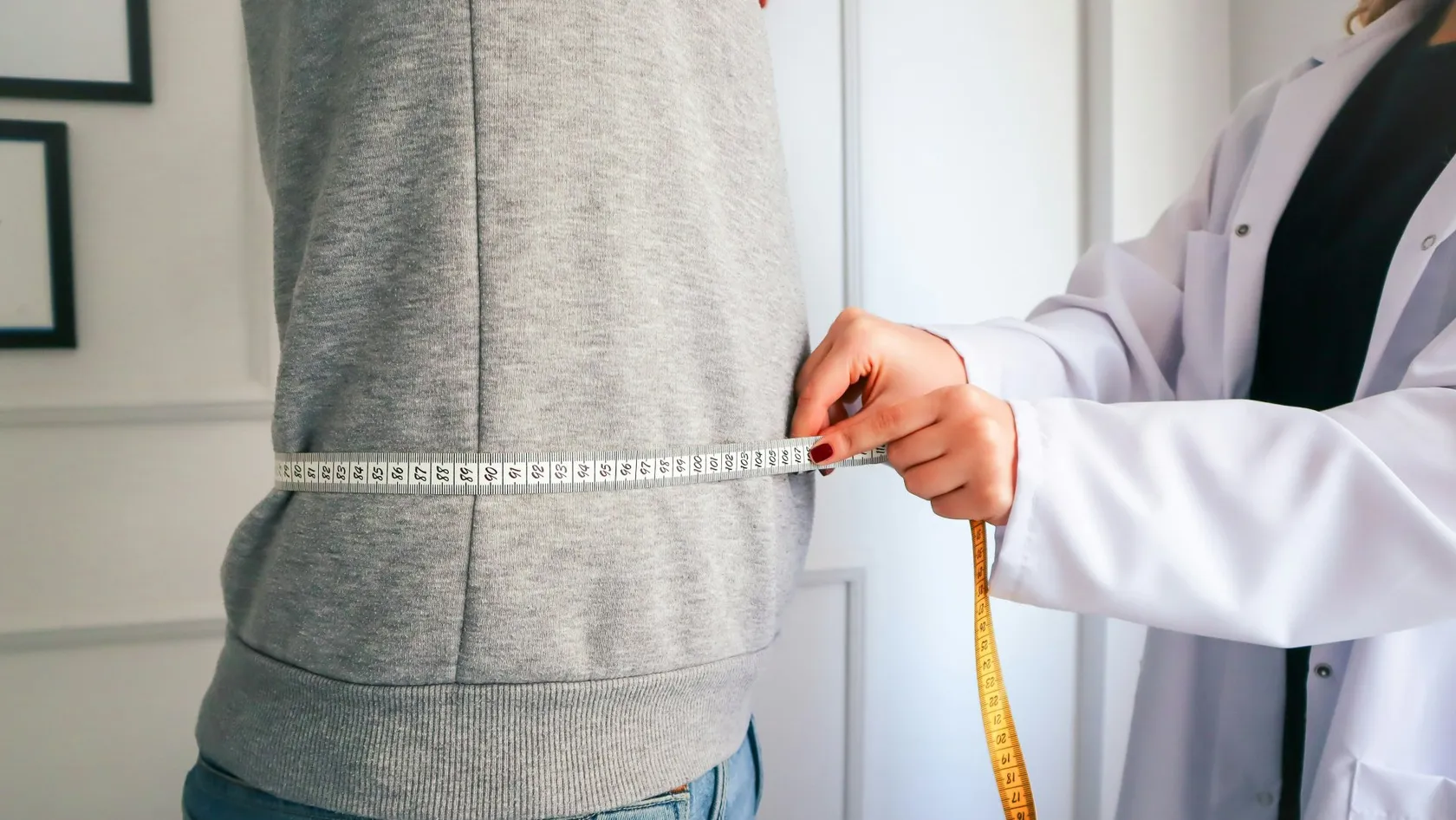
Bariatric Surgery - Weight Loss Surgery
Followed for 24 years, people who had weight loss surgery lived a median of 3.0 years longer than those who did not, and 5.5 years less than the general population. Both numbers come from the same study.
About This Department
Swedish researchers followed 2,007 people who had weight loss surgery and 2,040 who did not for a median of 24 years, and the surgery group lived a median of 3.0 years longer than the people who did not have it. They also lived 5.5 years less than a matched group from the general population, which is the sentence that almost never appears in advertising for this operation. Both numbers come from the same study, and understanding this operation properly means holding both of them at once.
Free consultation
Ask which operation, and ask who looks after you for the next ten years
Surgery is the short part of this. What decides how it turns out is which procedure suits your particular problem and whether anybody is checking your blood tests in five years. Send your height and weight with the date they were measured, a list of the conditions you are treated for including diabetes, reflux and sleep apnea, your medication list with the doses, details of any previous abdominal operations, any endoscopy report you already hold, and a note of what you have tried already and for how long. A surgeon and a dietitian review the file together and tell you which of the operations fits your particular situation, what it would realistically achieve for you over ten years rather than over ten months, and what the follow-up would involve and who would be doing it. No fee, no obligation, and a coordinator replies in your own language, usually within the same working day.
Who qualifies now
Most of the rules patients have read were written in 1991 and were replaced in 2022 by a joint statement from the American and international surgical societies, and the change matters because a great many people were told for thirty years that they did not qualify under criteria that no longer apply.
Surgery is now recommended at a body mass index of 35 or above, whether or not you have any other condition. Between 30 and 34.9 it should be considered where metabolic disease is present. For people of Asian descent the thresholds move down, with clinical obesity defined from 25 and surgery offered from 27.5.
Two other changes are worth knowing. The old requirement to demonstrate a history of failed supervised diets before being allowed surgery has gone from these criteria, and appropriately selected children and adolescents are explicitly included. That last point is not a small one, and the evidence behind it is set out further down. What has not changed is that this is an operation on a healthy stomach performed to treat a chronic disease, and that the disease continues afterwards under new management rather than ending.
The three operations
Almost every weight loss operation performed today is one of three. The sleeve removes about four-fifths of the stomach and leaves a narrow tube. The Roux-en-Y bypass makes a small pouch at the top of the stomach and joins it to a loop of small intestine, so food skips most of the stomach and the first stretch of bowel. The one anastomosis bypass, sometimes called the mini bypass, does something similar with a single join instead of two. Here is how they differ where it matters.
This table scrolls sideways on a narrow screen. Swipe or drag to see every column.
| Point of difference | Sleeve gastrectomy | Roux-en-Y bypass | One anastomosis bypass |
|---|---|---|---|
| Weight loss at ten years | Median 43.5 percent of excess weight in one randomized trial, and about a quarter of total body weight in another. | Median 50.7 percent of excess weight, roughly 8 points ahead of the sleeve in that trial. | Non-inferior to the Roux-en-Y bypass at five years, at 75.6 against 71.4 percent of excess body mass index lost. |
| Effect on reflux | Makes it worse. Endoscopy at ten years found esophagitis in 31 percent of sleeve patients, against 7 percent of those who had a bypass instead. | Usually improves it, which is why it is preferred where reflux already exists. | Reflux was the commonest problem at five years, in 41 percent against 18 percent after Roux-en-Y. |
| Chance of needing a different operation later | 29.9 percent were converted to a different anatomy within ten years in one randomized trial. | 5.5 percent in the same trial. | 8 percent required conversion to a Roux-en-Y bypass within five years. |
| Complications in the first years | Fewer. In merged trial data, 22.5 percent had a complication against 37.2 percent after bypass. | More, though the average severity per affected patient was the same. | More serious adverse events than Roux-en-Y at two years, and nutritional complications occurred only in this group. |
| Nutrition afterwards | Iron deficiency at ten years in 14 percent against 41 percent after bypass. Supplement adherence was worse at 71 percent. | More iron deficiency, but better supplement adherence at 89 percent, so the two effects partly cancel. | Depends heavily on how much bowel is bypassed, and in the trial that used a long limb, nutritional complications occurred in this group and in no other group at all. |
| Where it fits | The commonest operation worldwide, simplest technically, and the wrong choice for significant existing reflux. | Better for reflux, for severe diabetes and for higher starting weights, at the price of a more complex anatomy. | Technically simpler than Roux-en-Y with equivalent weight loss, and carries a specific risk of bile reflux. |
Living longer
Mortality is the strongest evidence in the whole field and it is worth stating carefully, and the Swedish study that opened this page followed people for a median of 24 years with mortality data on essentially all of them. Deaths occurred in 22.8 percent of the surgery group and 26.4 percent of the controls, giving a hazard ratio of 0.77 with a confidence interval of 0.68 to 0.87. Death from cardiovascular disease carried a hazard ratio of 0.70 and death from cancer 0.77. Ninety day mortality from the operations themselves was 0.2 percent.
A separate exercise pooled 40 studies that matched surgical patients against non-surgical patients of the same age, sex and body mass index. Every one of the headline numbers pointed the same way. All-cause mortality carried a hazard ratio of 0.52, cardiovascular death 0.38, cancer death 0.46 and death from diabetes 0.25, while major cardiovascular events fell at a hazard ratio of 0.58, heart failure at 0.52 and stroke at 0.75. People who already had type 2 diabetes gained more than people with obesity alone, and the different operations produced similar benefit. Separately, pooling 21 studies covering 304,516 surgical patients against roughly 8.5 million controls found an odds ratio of 0.56 for developing cancer at all, with the clearest signals in breast and endometrial cancer. None of those cancer findings should be read as a reason to have the operation on its own, and all of them are consistent with what would be expected if carrying less weight for twenty years reduces the number of things that go wrong across the body.
Two honest qualifications belong alongside those figures. None of these mortality studies is a randomized trial, because randomizing people to surgery or no surgery for twenty years is not something anybody has managed, so people who choose surgery and are accepted for it differ from people who do not in ways that matching cannot fully remove. And the surgery group in the Swedish study still died earlier than the general population. Surgery closed a large part of the gap that obesity opens. It did not close all of it.
Diabetes
Weight loss surgery is increasingly described as metabolic surgery, and diabetes is the reason. An American trial randomly assigned 150 people with type 2 diabetes to intensive medical treatment alone, to gastric bypass or to sleeve gastrectomy, and followed them for five years with 90 percent of them completing. The target was a glycated hemoglobin of 6.0 percent or below, which is a demanding threshold, and it was reached by 5 percent of the medical treatment group, 29 percent after gastric bypass and 23 percent after sleeve gastrectomy. Weight fell by 23 percent after bypass, 19 percent after sleeve and 5 percent with medication alone.
That trial is quoted everywhere and it deserves a caveat that is almost never quoted with it. Several of those comparisons lost statistical significance once the analysis was adjusted or performed by intention to treat, with the bypass comparison falling to a probability of 0.08 and the sleeve to 0.17 on that basis. The trial was small, at 150 people, which is why. The direction is not in doubt and the certainty of the individual numbers is weaker than their fame suggests. Longer term, the ten year trials comparing the two operations against each other found diabetes remission in 26 percent after sleeve and 33 percent after bypass, with the difference not statistically significant, which is a good deal more sobering than the five year figures and a fairer basis for a decision. Remission also means the diabetes is quiet rather than gone, so the annual blood tests continue, and a proportion of people whose diabetes went into remission see it return as weight comes back.
What can go wrong
Modern weight loss surgery is safe by the standards of major abdominal operations, and the early risk is dominated by one complication. In a database of 594,837 American patients having a sleeve or a bypass, thirty day mortality was around 0.1 percent, serious complications occurred in roughly 3.4 percent and a leak from the staple line or the join occurred in about 0.5 percent.
Swipe or drag the table sideways on a narrow screen to see every column. It scrolls sideways rather than shrinking.
| Problem | When and how often | What is done |
|---|---|---|
| A leak from the staple line or the join | Around 0.5 percent, usually in the first week but sometimes later. | The serious one. Drainage, antibiotics, a stent or a further operation, and often weeks of treatment. Watch for a fast rising pulse, for breathlessness and for pain. |
| Bleeding | About 1 percent, in the first days. | Transfusion, and occasionally endoscopy or a return to the operating room. |
| Clots in the legs or lungs | Uncommon, and among the commonest causes of death after this surgery. | Blood thinning injections and early walking prevent most of it, and a long flight taken too soon is a real risk factor. |
| Narrowing at the join or the sleeve | Weeks to months. Vomiting and inability to keep food down. | Stretching with a balloon at endoscopy, usually more than once. |
| Ulcer at the join | Months to years after a bypass, and far more likely in smokers. | Acid suppression, stopping smoking and stopping anti-inflammatory painkillers. Surgery if it perforates or will not heal. |
| Gallstones | Common in the first year, because rapid weight loss causes them. | Removal of the gallbladder if they cause symptoms. Some units give a preventive medication for the first months. |
| Internal hernia and bowel obstruction | Years after a bypass, and specific to the rearranged anatomy. | Urgent surgery. Any severe abdominal pain years after a bypass needs a surgeon who knows what was done to you. |
| Loose skin | Once the weight has come off, and far more than most patients expect. | Body contouring surgery, which is a separate operation, usually more than one, and not part of any weight loss package. |
Reflux and the sleeve
Reflux is the single thing most worth understanding before choosing a sleeve, and it is routinely underplayed because the sleeve is the operation most units are set up to offer.
Why a second operation happens
Pooling 17 studies of patients converted from a sleeve to a bypass gives a clear picture of why people come back, and it is worth reading before rather than after.
- Not enough weight came off, or it came back. The commonest reason at 52.0 percent of conversions. Average body mass index at the point of conversion was 38.5, and a year after the conversion it was 32.1, with 22.8 percent of total body weight lost.
- Reflux that would not settle. The second reason at 30.4 percent. Medication controls it for many people and for a substantial minority it does not, and converting to a bypass is the reliable answer.
- A complication of the first operation. A narrowing, a persistent leak or a twist in the sleeve. Uncommon, and it accounts for the remainder.
- And the second operation is riskier than the first. Complications within thirty days occurred in 16.4 percent of those conversions, and later complications in a further 11.4 percent. That is the strongest argument there is for getting the first choice right, and for having an endoscopy before that choice is made.
The new drugs
Nobody considering this operation today is doing so without having thought about the injectable weight loss drugs, and the position best supported by the evidence is that they have changed the conversation without replacing surgery, with both halves of that holding up.
Ten years on
Almost everything patients read about this operation describes the first eighteen months, which is the period when it works best and is easiest to photograph. Two questions matter far more.
How much stays off
Quite a lot, and less than the before and after pictures suggest. In the Finnish randomized trial at ten years, the median loss was 43.5 percent of excess weight after a sleeve and 50.7 percent after a bypass. In the Swiss trial, total body weight loss at ten years was 25.5 percent after a sleeve and 27.7 percent after a bypass, with no significant difference between them on that measure. A quarter of your body weight, ten years later, is a large and durable change by any standard other than the marketing.
How much comes back
Here is the number nobody quotes. A Norwegian cohort followed 582 bypass patients and got 311 of them back at ten years. Regaining more than 30 percent of the weight originally lost had happened to 45.6 percent of them, and the average regain was 26.0 percent of what had been lost. Diabetes and blood pressure relapse rates were broadly similar whether or not significant regain had occurred, which is a genuinely interesting finding, and cholesterol relapse was worse in those who regained. Regain is normal, it is not a personal failure, and a plan that has no answer for it is an incomplete plan.
Nutrition, bone and muscle
Three things change permanently and quietly, and all three are managed rather than cured.
Vitamins and minerals
Better than the reputation, provided the supplements are actually taken. In the ten year analysis of the Finnish trial, vitamin D insufficiency affected 11 percent after either operation, vitamin B12 deficiency was rare, and iron deficiency measured by ferritin affected 14 percent after a sleeve and 41 percent after a bypass. The revealing number is compliance. Seventy-one percent of sleeve patients were still taking their supplements at ten years against 89 percent of bypass patients, which is the opposite of what the risk profile requires and probably reflects the sleeve being sold as the operation with fewer consequences.
Bone
Bone density falls, and this is not in dispute. In a substudy of the American diabetes trial, hip bone mineral density fell by about 9 percent over two years in both surgical groups against a much smaller change on medication alone, and the fall tracked closely with how much weight and lean mass had been lost. A long-term study of 60 patients followed for about ten years found significant reductions in femoral neck density after all three operations, with no significant change at the lumbar spine. Vitamin D and calcium, resistance exercise and a density scan somewhere down the line are the practical response.
Muscle
Lean mass fell by around 10 percent over two years in that same substudy, which is a large amount of muscle to lose alongside the fat. Protein intake and resistance training are the standard advice and the evidence for supplementation on top of that is inconsistent, with amino acid preparations looking more useful when combined with exercise than on their own. What is not in doubt is that somebody who does no resistance exercise during rapid weight loss loses more muscle than somebody who does.
Alcohol and mood
Two findings in this section are consistently left out of patient information, and they are among the most important on the page.
Alcohol behaves differently afterwards
Swedish researchers covered everybody who had a gastric bypass over a decade and found that before surgery only women had a raised risk of alcohol and substance use disorder against the general population, while after surgery both sexes did. The mechanism is partly physical, since alcohol reaches the bloodstream faster and peaks higher after a bypass, and partly not. Three things follow. Alcohol tolerance is not what it was. This catches people out, and anybody with a history of problem drinking should say so before the operation rather than discover the interaction alone afterwards.
Self-harm risk is raised, and the size is known
In that same Swedish cohort, the adjusted hazard ratio for a suicide attempt after gastric bypass, compared with a matched non-obese group from the general population, was 2.85. An American study of nearly 39,000 veterans made a more careful comparison, against people with obesity who did not have surgery, and still found raised risk, with suicidal ideation at a hazard ratio of 1.21 and suicide attempt at 1.62. Over 40 percent of that cohort had a history of depression. Read this the right way round. It does not mean surgery causes despair, and the population having this operation carries a great deal of pre-existing psychological difficulty that the operation does not treat. It does mean that mental health support belongs in the plan and not in the small print, and that a unit which never raises the subject is not a thorough one. If you have been treated for depression, or have ever had thoughts of harming yourself, say so during the assessment, because that disclosure changes the support arranged around you rather than disqualifying you from the operation.
Before you book
Six things belong in the weeks before, and the first three are the ones that most often get skipped when the operation is booked quickly.
Having it abroad
Any page published by a hospital in Istanbul has an obvious interest in this section, so here is the published evidence without softening, followed by what actually separates a safe pathway from an unsafe one.
- Complications that come home are serious ones. An American academic center reviewed 91 patients who had weight loss surgery abroad and then presented to it with a problem over a decade. A leak was the presenting complication in 33.0 percent. More than half needed admission, 19.8 percent needed intensive care, and 3.3 percent died. Those 91 patients required 194 procedures between them, of which 112 were endoscopies and 21 were major operations, which gives a sense of what treating this kind of problem actually takes once it has crossed a border. Read that series carefully rather than as an argument against traveling, because it counts only the patients who had a problem and can say nothing at all about how many people had the same operation in the same places and were fine.
- Infections that travel back can be resistant. Of 37 patients presenting to Irish hospitals with infections after surgery abroad, 21 had been operated on in Turkey, and among those with significant positive cultures, 68 percent grew Gram-negative organisms while 77 percent were resistant to the antibiotics those hospitals reach for first. That is a real and specific hazard of crossing between health systems, and it argues for taking home the operation note, the antibiotics given and any culture results, since a doctor in another country treating an infection you acquired here will otherwise be guessing at which organism to cover and which drug it is likely to resist, and will lose days finding out.
- The pattern in those series is a pathway problem. A leak is a recognized complication of a competently performed operation, occurring in about 0.5 percent of cases everywhere. What turns it into an emergency landing in another country is discharge before it declares itself, a flight taken too early, and nobody at either end holding the file. None of that is about the surgeon's hands, and the same complication handled well in a unit that kept the patient long enough is an inpatient problem lasting a fortnight rather than an emergency admission in another country's hospital several days later. What those series are really measuring, in other words, is the length of the stay and the quality of the handover, and both of those are visible in a package description before anybody books anything, which is why the checklist in the next entry is written as a list of things to require rather than as a warning about where to go.
- What to require, wherever you go. An endoscopy before the operation. A named surgeon you can identify. A stay long enough for a leak to show itself rather than the shortest one advertised. Written clearance to fly. A full operation note naming the procedure and the limb lengths. A follow-up schedule with somebody at home who has agreed to it. And a working phone number that reaches the operating team rather than a booking agent.
A unit that provides all seven of those is offering treatment. A unit that provides an airport transfer and a discharge letter is selling a trip. The distinction is visible before you book, and it is the single most useful thing on this page.
Recovery and flying home
The operation is keyhole and the recovery is quicker than most people expect, which is exactly the thing that gets people into trouble abroad.
- Hospital. Two to three nights is usual. Structured recovery protocols shortened stays by a mean of 0.95 days across ten studies and reduced vomiting, and the evidence for the shorter stay is firm. Shorter than that after a bypass is unusual and worth questioning.
- Weeks one and two. Liquids, then pureed food, on a schedule your dietitian sets. Small volumes, sipped slowly, separating drinking from eating. Most of the early misery comes from drinking too fast rather than from the wounds.
- Flying. This is the decision that matters most. A leak usually declares itself in the first week and the warning signs are a fast pulse, breathlessness and pain rather than a fever, so do not book a flight for the third day merely because the package allows it. Ask for clearance in writing and treat any racing pulse before departure as a reason to stay.
- Weeks two to six. Desk work at around two weeks, walking daily from the start, and no heavy lifting for six. Blood thinning injections often continue after discharge, and long flights raise clot risk in exactly this window.
- Get in touch about. A pulse above 120, breathlessness, pain in the left shoulder, inability to keep fluids down, a fever, or a wound that reddens and discharges, of which the first two matter most and need to be seen the same day, wherever in the world you happen to be.
Follow-up, for life
Follow-up is sold as an afterthought and it determines the outcome. Among adolescents and young adults after a sleeve, patients lost to follow-up had an odds ratio of 18.45 for ending up in the lowest third for weight loss at a year. Here is what a real schedule contains.
On a narrow screen the table scrolls sideways instead of shrinking. Swipe or drag it to see every column.
| When | What happens | Why it is there |
|---|---|---|
| First fortnight | Wound check, and a conversation about fluids and how much you are managing. | This is the window in which a leak or a clot appears. |
| Six weeks and three months | Dietitian review as food is reintroduced, and the first check on supplements. | Habits set now, and the supplement routine either takes hold or quietly does not. |
| Six months and twelve months | Full blood tests including iron, ferritin, vitamin B12, folate, vitamin D and calcium. Diabetes and blood pressure medication reviewed. | Deficiencies are silent, and doses of diabetes and blood pressure medication often need cutting as the weight comes off. |
| Every year, indefinitely | The same blood tests, weight, and a direct question about reflux and about alcohol. | Deficiencies, reflux and problem drinking all develop years later and none of them announces itself. |
| At some point after a few years | A bone density scan, and an endoscopy if there is any reflux at all after a sleeve. | Hip density fell by around 9 percent over two years in a trial substudy, and esophagitis was present in 31 percent at ten years without patients knowing. |
| Whenever weight starts returning | Review rather than embarrassment. Options include dietetic support, medication and revisional surgery. | Nearly half of one ten year cohort had regained more than 30 percent of what they lost. Coming back early works better than coming back late. |
Questions to ask
Start with whether an endoscopy is part of the assessment and what would change if it showed reflux, because that single answer separates a unit choosing your operation from a unit selling one. Ask which operation is being recommended and why that one for you specifically, and if the answer is the sleeve, ask what happens if reflux develops, given that 29.9 percent of sleeve patients in one randomized trial had been converted within ten years. Ask what this unit's own leak rate and reoperation rate are, and treat an answer of nobody having had one as a reason to keep asking rather than as reassurance.
Then ask about the decade rather than the fortnight. Who does the blood tests at year five, and who pays for them. What the supplement regimen is and for how long. Whether a dietitian and a psychologist are part of the team or a line in the brochure. What happens if you regain weight, and whether coming back is included or charged again. And ask how long they want you to stay before flying, then compare that against the shortest stay their own marketing offers, because the gap between those two numbers tells you which of the two is the medical answer.
Reading a quote
No figure appears on this page, and quotes for this operation are advertised more aggressively than for anything else in surgery, which is precisely why the comparison has to be made on what is included rather than on the headline. Seven things belong in writing. Whether the endoscopy before the operation is inside the number or added afterwards. Which operation the price covers, since a sleeve and a bypass are different operations and a quote that does not name one is not a quote, and how many nights are budgeted, along with what an extra night costs if you are not fit to fly. Whether the dietitian and psychologist consultations are included and how many. What the follow-up schedule contains and for how long, stated in months. Whether treatment of a complication is covered, and if you are readmitted here rather than at home, who pays. And whether a revisional operation later is charged again.
Your own file moves the total less here than in most surgery, which is part of why it is priced as a package. Starting weight, a previous abdominal operation, a hiatus hernia needing repair at the same sitting and which of the three operations is chosen are the things that actually shift it.
Packages published by Turkish hospitals and medical travel agencies for weight loss surgery generally include the airport transfer, pre-operative testing, the surgeon and anesthesia fees, the operating room, the planned nights, an interpreter, the hotel for an agreed number of nights and the review before departure. They generally exclude flights, insurance, the endoscopy, treatment of a complication, extra nights, body contouring surgery afterwards, supplements and any follow-up beyond the first months. Read what arrives against both lists, and pay particular attention to the last two exclusions, because they are the ones that determine how this turns out in ten years.
Coming to Istanbul
Seven to ten days is the honest figure, and it is longer than most advertised packages. Assessment and the endoscopy fill the first day or two, the operation takes a morning, two or three nights follow, and the remaining days exist so that a leak has time to declare itself while you are still in the same city as the people who would treat it. Send your height and weight with the date they were measured, a list of the conditions you are treated for, your full medication list with doses, details of any previous abdominal surgery, any endoscopy report you already have, and recent blood tests if you have them. Say whether you get reflux, how often it happens, and whether you take anything for it, because that answer changes which operation is recommended more than any other piece of information you can send. Send the endoscopy report too if you already have one, because it may spare you a repeat, and send recent blood tests, since anemia and low vitamin D are common before surgery and worth correcting beforehand rather than afterwards.
Say in your first message who will look after you at home. This matters more here than in any other operation covered on this site, because the treatment continues for the rest of your life and the person doing most of it will not be in Istanbul. If you already have a doctor willing to run the annual blood tests, say so. If you do not, say that too, and let it be planned for rather than discovered at year two. Only one coordinator holds your file from the first message to discharge, and the international patients team works in English, Arabic, French, Russian, Serbian, Romanian and Spanish, with other languages arranged on request. Ask in your first message if you would prefer a female physician. Someone can stay overnight with you on the ward, where the rooms carry a companion bed. Meals from the hospital kitchen cover halal, vegetarian and diabetic diets and a prayer room is available. The international patients office books accommodation for both of you, arranges the airport transfer and daily transport, and prepares the appointment confirmation and the invitation letter naming the hospital and your treating doctor for a medical visa application, around ten days before travel.
Take home the operation note itself and not a discharge summary. It should name the operation performed, and for a bypass it should state the limb lengths in centimeters, because any surgeon treating you in ten years will need them and reconstructing that information later is difficult. Add the endoscopy report, the antibiotics given, any culture results, the supplement regimen with doses, and the schedule of blood tests with the specific tests named, then address the file to a doctor near you and make that appointment before you fly. Once you are back home, your coordinator stays reachable on the same WhatsApp number, and keep that number for years rather than weeks, because the questions that matter most in this operation arrive long after the wounds have healed. A blood test at year four that nobody looks at is the commonest way this treatment quietly fails, and the number in your phone is what prevents it.
Weight loss surgery FAQ
Do I qualify?
Sleeve or bypass?
How much weight will I actually lose?
Will it cure my diabetes?
Should I try the injections first?
How dangerous is the operation?
Does it really make people live longer?
Will I need vitamins forever?
Is it true that drinking changes afterwards?
When can I get pregnant?
How long should I stay in Turkey?
References
- Eisenberg D, Shikora SA, Aarts E, Aminian A, Angrisani L, Cohen RV, de Luca M, Faria SL, Goodpaster KPS, Haddad A, Himpens JM, Kow L, Kurian M, Loi K, Mahawar K, Nimeri A, O'Kane M, Papasavas PK, Ponce J, Pratt JSA, Rogers AM, Steele KE, Suter M, Kothari SN. 2022 American Society for Metabolic and Bariatric Surgery and International Federation for the Surgery of Obesity and Metabolic Disorders, indications for metabolic and bariatric surgery. Surgery for Obesity and Related Diseases. 2022;18(12):1345-1356.
- Carlsson LMS, Sjoholm K, Jacobson P, Andersson-Assarsson JC, Svensson PA, Taube M, Carlsson B, Peltonen M. Life expectancy after bariatric surgery in the Swedish Obese Subjects study. The New England Journal of Medicine. 2020;383(16):1535-1543.
- Cui B, Wang G, Li P, Li W, Song Z, Sun X, Zhu L, Zhu S. Disease-specific mortality and major adverse cardiovascular events after bariatric surgery, a meta-analysis of age, sex and body mass index matched cohort studies. International Journal of Surgery. 2023;109(3):389-400.
- Zhang K, Luo Y, Dai H, Deng Z. Effects of bariatric surgery on cancer risk, evidence from meta-analysis. Obesity Surgery. 2020;30(4):1265-1272.
- Schauer PR, Bhatt DL, Kirwan JP, Wolski K, Aminian A, Brethauer SA, Navaneethan SD, Singh RP, Pothier CE, Nissen SE, Kashyap SR. Bariatric surgery versus intensive medical therapy for diabetes, 5-year outcomes. The New England Journal of Medicine. 2017;376(7):641-651.
- Salminen P, Gronroos S, Helmio M, Hurme S, Juuti A, Juusela R, Peromaa-Haavisto P, Leivonen M, Nuutila P, Ovaska J. Effect of laparoscopic sleeve gastrectomy vs Roux-en-Y gastric bypass on weight loss, comorbidities and reflux at 10 years in adult patients with obesity, the SLEEVEPASS randomized clinical trial. JAMA Surgery. 2022;157(8):656-666.
- Kraljevic M, Susstrunk J, Wolnerhanssen BK, Peters T, Bueter M, Gero D, Schultes B, Poljo A, Schneider R, Peterli R. Long-term outcomes of laparoscopic Roux-en-Y gastric bypass vs laparoscopic sleeve gastrectomy for obesity, the SM-BOSS randomized clinical trial. JAMA Surgery. 2025;160(4):369-377.
- Wolnerhanssen BK, Peterli R, Hurme S, Bueter M, Helmio M, Juuti A, Meyer-Gerspach AC, Slawik M, Peromaa-Haavisto P, Nuutila P, Salminen P. Laparoscopic Roux-en-Y gastric bypass versus laparoscopic sleeve gastrectomy, 5-year outcomes of merged data from two randomized clinical trials. British Journal of Surgery. 2021;108(1):49-57.
- Robert M, Espalieu P, Pelascini E, Caiazzo R, Sterkers A, Khamphommala L, Poghosyan T, Chevallier JM, Malherbe V, Chouillard E, Reche F, Torcivia A, Maucort-Boulch D, Bin-Dorel S, Langlois-Jacques C, Delaunay D, Pattou F, Disse E. Efficacy and safety of one anastomosis gastric bypass versus Roux-en-Y gastric bypass for obesity (YOMEGA), a multicenter, randomized, open-label, non-inferiority trial. The Lancet. 2019;393(10178):1299-1309.
- Robert M, Poghosyan T, Maucort-Boulch D, Filippello A, Caiazzo R, Sterkers A, Khamphommala L, Reche F, Malherbe V, Torcivia A, Saber T, Delaunay D, Langlois-Jacques C, Suffisseau A, Bin S, Disse E, Pattou F. Efficacy and safety of one anastomosis gastric bypass versus Roux-en-Y gastric bypass at 5 years (YOMEGA), a prospective, open-label, non-inferiority, randomized extension study. The Lancet Diabetes and Endocrinology. 2024;12(4):267-276.
- Hampton L, Mocanu V, Verhoeff K, Birch DW, Karmali S, Switzer NJ. Asian race is not associated with increased 30-day serious complications or mortality, an MBSAQIP analysis of 594,837 patients. Surgical Endoscopy. 2023;37(5):3893-3900.
- Matar R, Monzer N, Jaruvongvanich V, Abusaleh R, Vargas EJ, Maselli DB, Beran A, Kellogg T, Ghanem O, Abu Dayyeh BK. Indications and outcomes of conversion of sleeve gastrectomy to Roux-en-Y gastric bypass, a systematic review and a meta-analysis. Obesity Surgery. 2021;31(9):3936-3946.
- Chahal-Kummen M, Hewitt S, Thorson Sovik T, Kristinsson J, Mala T. Metabolic outcomes and recurrent weight gain 10 years after Roux-en-Y gastric bypass, a longitudinal cohort study. Obesity Surgery. 2026;36(6):2877-2885.
- Saarinen I, Strandberg M, Hurme S, Helmio M, Gronroos S, Juuti A, Juusela R, Nuutila P, Salminen P. Nutritional deficiencies after sleeve gastrectomy and Roux-en-Y gastric bypass at 10 years, secondary analysis of the SLEEVEPASS randomized clinical trial. British Journal of Surgery. 2025;112(7):znaf132.
- Felsenreich DM, Vock N, Pedarnig L, Fiedler B, Nobauer-Huhmann IM, Jedamzik J, Gensthaler L, Nixdorf L, Richwien P, Jorg R, Bichler C, Mairinger M, Langer FB, Prager G. Changes in bone metabolism and densitometry after metabolic and bariatric surgery, a comparison of pre- and postoperative results in a prospective long-term study. Surgery for Obesity and Related Diseases. 2026.
- Maghrabi AH, Wolski K, Abood B, Licata A, Pothier C, Bhatt DL, Nissen S, Brethauer SA, Kirwan JP, Schauer PR, Kashyap SR. Two-year outcomes on bone density and fracture incidence in patients with type 2 diabetes randomized to bariatric surgery versus intensive medical therapy. Obesity. 2015;23(12):2344-2348.
- De Luca M, Cohen RV, Belluzzi A, Navarra G, Di Lorenzo N, Petry TBZ, Sbraccia P, Busetto L, Buscemi S, Barazzoni R, Ragghianti B, Mannucci E, Monami M. Efficacy and safety of pharmacological, endoscopic and surgical treatments for obesity, a GRADE-based network meta-analysis. Obesity. 2026;34(2):279-293.
- Ghusn W, Vierkant RA, Jawhar N, Abedalqader T, El Ghazal N, Espinosa MA, Villamarin J, Gutierrez RR, Castaneda R, Bechenati D, Fansa S, Hurtado MD, Acosta A, Ghanem OM. Metabolic and bariatric surgery versus glucagon-like peptide-1 receptor agonist therapy, a head-to-head comparison in improvement of cardiometabolic risk profiles. Annals of Surgery. 2026.
- Backman O, Stockeld D, Rasmussen F, Naslund E, Marsk R. Alcohol and substance abuse, depression and suicide attempts after Roux-en-Y gastric bypass surgery. British Journal of Surgery. 2016;103(10):1336-1342.
- Hung A, Maciejewski ML, Berkowitz TSZ, Arterburn DE, Mitchell JE, Bradley KA, Kimbrel NA, Smith VA. Bariatric surgery and suicide risk in patients with obesity. Annals of Surgery. 2023;278(4):e760-e765.
- Inge TH, Courcoulas AP, Jenkins TM, Michalsky MP, Brandt ML, Xanthakos SA, Dixon JB, Harmon CM, Chen MK, Xie C, Evans ME, Helmrath MA. Five-year outcomes of gastric bypass in adolescents as compared with adults. The New England Journal of Medicine. 2019;380(22):2136-2145.
- Chen W, Liang Y, Chen G, Guo J, Dong S, Wang C, Dong Z. Early pregnancy within 12 months after bariatric surgery, does it really influence maternal and perinatal outcomes? Obesity Surgery. 2022;32(4):979-990.
- Rottenstreich A, Elazary R, Levin G, Spitzer S, Elchalal U, Nir T, Rottenstreich M. Pregnancy after sleeve gastrectomy, does timing matter? Surgery for Obesity and Related Diseases. 2021;17(2):356-362.
- Spurzem GJ, Ruiz-Cota P, Rocha A, Fontaine-Nicola A, Reyes E, Gabaldon K, Altolaguirre A, Hollandsworth HM, Sandler BJ, Horgan S, Jacobsen GR, Broderick RC. Getting more than what you pay for? Managing complications of bariatric tourism at an academic center near the United States and Mexico border. Surgical Endoscopy. 2025;39(7):4525-4532.
- Kelly S, O'Sullivan B, White M, et al. Surgical site infections in the returning medical tourist, bridging the knowledge gap and identifying areas for improvement. Journal of Hospital Infection. 2026;174:380-388.
- Sherard C, Frederick AB, Lesher A, Bryant MK. A target for intervention, poor adherence to follow-up after sleeve gastrectomy in adolescents and young adults. Obesity Surgery. 2025;35(4):1415-1422.
- Hu F, Yang Y, Sun Y, Sun L, Wang X, Jia Z, Gao N, Liu N. The value of enhanced recovery after surgery in bariatric care, a systematic review and trial sequential meta-analysis. Surgery for Obesity and Related Diseases. 2026;22(9):1035-1043.
Editor's note
Written by the Biruni Hospital medical editorial team. Reviewed by Assistant Professor Emir NEKAY, General Surgery.
Medically reviewed by

Assistant Professor Emir NEKAY
General Surgery
Related Treatments
View All
Breast Cancer Surgery
Across 202,934 women with the same early disease, the proportion who kept the breast ran from 58.5 to 75.5 percent depending on the region. Breast cancer surgery is not one decision. It is four, and this page maps them.

Breast Conserving Surgery
Two hundred and four women with two or three cancers in the same breast kept that breast, and recurrence at five years was 3.1 percent. Most of the reasons women are told they cannot keep the breast have quietly stopped being true.

Breast Lump Removal
Of 3,305 people under forty seen at one breast clinic, 29 had cancer. Most lumps are something else, and most of those never need an operation. This page covers how to tell which lump yours is and when removal earns its place.
Central Venous Port Implantation
A port is implanted in half an hour and then kept for years. Almost everything that later goes wrong with it was settled in that half hour, or is settled by how the device is flushed and accessed every week.
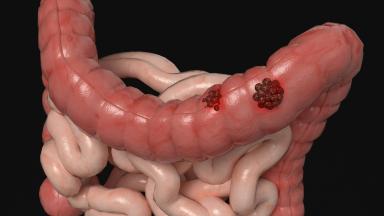
Colon Cancer Surgery
Which operation, whether chemotherapy should come first, how much bowel and how many lymph nodes come out, what a leak means, and when a stoma is genuinely temporary. Built from the randomized trials that settled each question.