Checking the blood supply of the bowel with a fluorescent dye during surgery prevents one leak for every 19 left-sided resections in pooled randomized trials. This page explains when a left hemicolectomy is needed for cancer, polyps or diverticulitis, how splenic flexure tumors are handled, when a stent avoids emergency surgery, how recovery runs and how two weeks in Istanbul are planned.
About This Department
General Surgery
A left hemicolectomy removes the left side of the large bowel and joins the ends again. A dye that shows blood flow during surgery now cuts the risk of the join leaking.
Left hemicolectomy treats cancer and large polyps of the descending colon and of the splenic flexure under the left ribs, and diverticulitis that keeps coming back or causes complications. The surgeon removes the diseased segment with its blood vessels and lymph nodes, then joins the remaining colon, through keyhole incisions, with a robot or through an open cut. This page explains when the operation is needed, how much colon a cancer requires, when diverticulitis justifies surgery, how a leak is prevented, and what to send for a free review of your colonoscopy and scans.
1 in 19
Left-sided resections in which checking blood flow with indocyanine green prevented one leak, in pooled trials
92%
Diverticulitis returning within four years without surgery in a randomized trial, against 16% after resection
7 nights
In hospital after left hemicolectomy in a published Istanbul package
Free
Free consultation on your colonoscopy and CT before you book
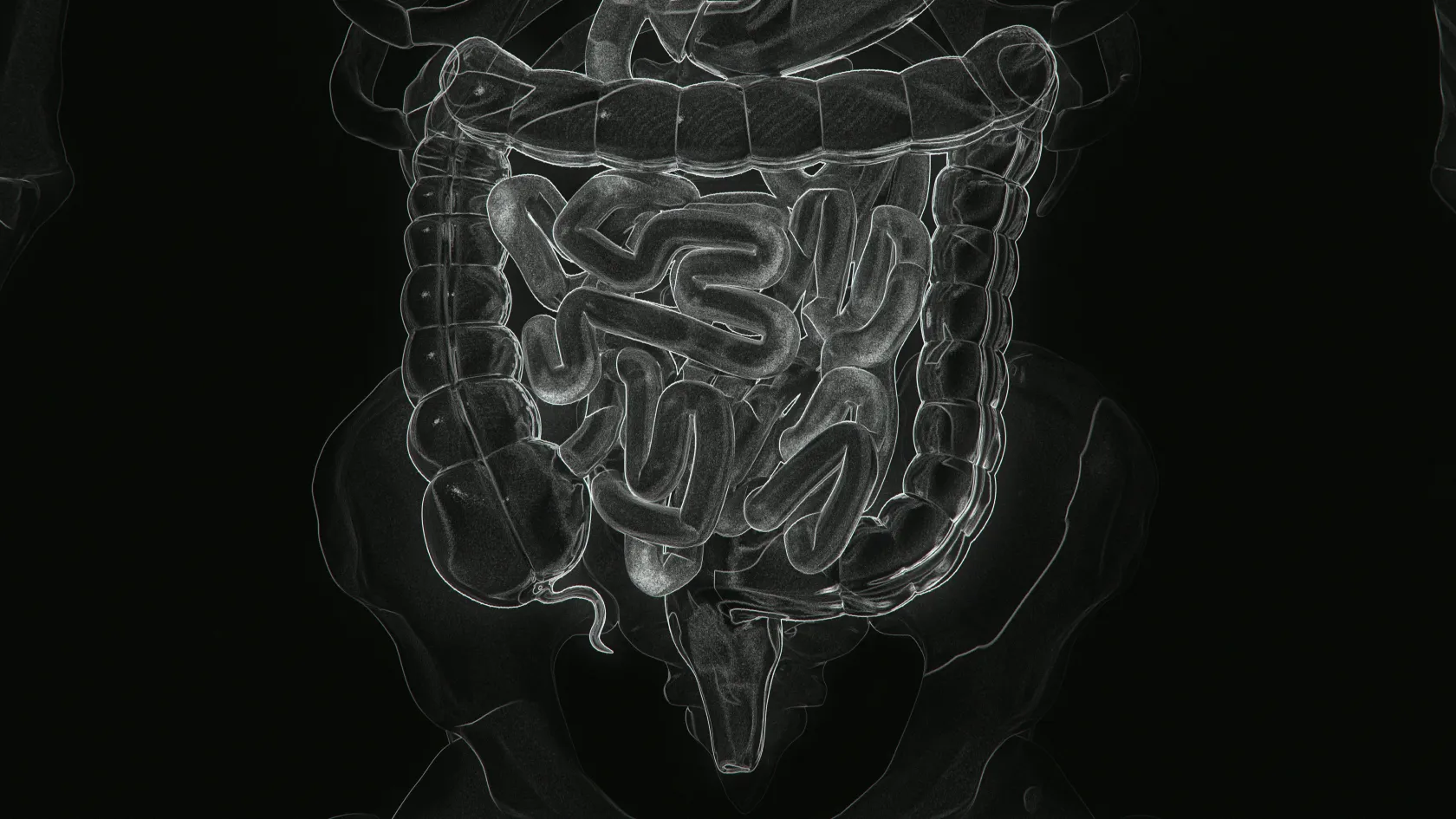
The left colon runs from the bend under the left ribs, the splenic flexure, down the left side of the abdomen to the sigmoid colon. Which part comes out depends on the disease.
The segment and its lymph nodes
For cancer, the surgeon removes the diseased colon with a margin of healthy bowel on each side and the fan of fatty tissue that carries its arteries, veins and lymph nodes, because spread to the nodes decides whether chemotherapy follows. The pathologist then examines at least twelve nodes. The two open ends are joined with staples or stitches, an anastomosis, and the bowel works through its usual route again. A temporary stoma, an opening on the abdomen for stool, is rarely needed after a planned left hemicolectomy and is kept for a blocked or inflamed bowel.
This table scrolls sideways on a narrow screen. Swipe or drag to see every column.
Ways to perform a left hemicolectomy
Approach
Incisions
When it fits
Laparoscopic
Four or five small cuts and one of 5 to 7 centimeters to take the bowel out
Most planned operations
Robotic
Similar small cuts
Finer control deep in the pelvis or in a heavy patient
Open
One cut down the middle of the abdomen
Emergencies, very large tumors, many earlier operations
Before the operation
Preparation starts at home. Colonoscopy with biopsy, a CT scan of the chest, abdomen and pelvis, a blood test for the tumor marker CEA and a bowel preparation the day before set up the operation. A carbohydrate drink two hours before anesthesia replaces long fasting. Across 20 randomized trials with 1,387 patients, it shortened the hospital stay by 1.7 days.
Reasons for the operation
Conditions treated
Cancer of the descending colon, splenic flexure or sigmoid colon
Polyps too large or flat to remove through the colonoscope
Diverticulitis that recurs, persists or causes an abscess, fistula or narrowing
A narrowing of the bowel after inflammation or poor blood supply
A cancer that blocks or bleeds and needs treatment within days
When to go to an emergency department
Severe belly pain with fever, a swollen abdomen with vomiting and no passage of wind or stool, or heavy bleeding from the back passage need emergency care today, in the country where you are.
Cancer of the left colon
Cancer at the splenic flexure sits where two blood supplies meet, and surgeons treat it with a left hemicolectomy, a shorter segmental resection or an extended right hemicolectomy. A review of 13 studies and 5,918 patients found more lymph nodes with the extended right operation. Survival did not differ. Neither did leaks or serious complications. The shorter operations brought faster recovery of bowel function.
On a phone, slide this table sideways to read all of its columns.
Three operations for splenic flexure cancer
Operation
Lymph nodes
Recovery
Five-year survival
Extended right hemicolectomy
Most
Slower
No difference
Left hemicolectomy
Fewer
Faster
No difference
Segmental resection
Fewest
Faster
No difference
Where the main artery is tied
The inferior mesenteric artery feeds the left colon. Tying it at its origin or below the branch to the left colon gave the same five-year survival in pooled data from five randomized trials and 1,152 patients with rectosigmoid cancer, and leak rates were comparable. Both levels are safe.
After surgery
The pathology report sets the stage. Cancer in the lymph nodes leads to chemotherapy, planned by the tumor board and given here or at home.
Surgery for diverticulitis
Surgery prevents attacks. It does not always make daily life better.
In a Finnish trial, 90 patients with recurring, persistent painful or complicated diverticulitis were randomized to laparoscopic sigmoid resection or conservative treatment. After four years, diverticulitis had returned in 16 percent of the surgery group against 92 percent of the conservative group, and 32 percent of those treated conservatively had crossed over to surgery. Quality of life scores ended up close. Severe complications were similar, 10 and 11 percent. Surgery for diverticular disease removes the sigmoid colon and extends into a left hemicolectomy when more of the left colon is affected.
Upfront surgery suits patients whose attacks keep disrupting daily life. Those who feel close to normal between attacks can start with conservative care.
A blocked left colon
A cancer that blocks the left colon once meant emergency surgery and a stoma. Timing matters. A metal stent placed through the colonoscope now opens the bowel first in suitable patients, so the operation follows days or weeks later as a planned one. In 12 randomized trials, stenting before surgery raised the share of patients whose bowel was joined at once, 69.8 percent against 55.1 percent, cut temporary stomas from 39.1 to 23.4 percent and lowered complications, with no difference in survival.
A stent needs an endoscopist experienced in placing it. A perforated bowel still needs emergency surgery.
Preventing a leak from the join
A leak from the anastomosis is the complication surgeons work hardest to prevent. During surgery, indocyanine green, a dye injected into a vein, glows under near-infrared light and shows whether the bowel ends have a good blood supply before they are joined. Nine randomized trials with 4,754 patients found a third fewer leaks with the dye. For left-sided resections the risk ratio was 0.62. That is one leak prevented for every 19 patients. A second review of 10 trials and 3,772 patients limited to left-sided operations found the same.
Drag sideways on a narrow screen to see the whole table.
Indocyanine green and leaks after colorectal surgery
Group
Effect on leaks
All colorectal resections
Risk ratio 0.66
Left-sided resections
Risk ratio 0.62, one leak prevented per 19 patients
Right-sided resections
No clear benefit
Signs of a leak
Act early. Fever, rising belly pain, a fast pulse or a slow return of bowel function in the first week prompt a CT scan. Inflammation markers are checked in the blood on the ward for the same reason.
Who carries a higher risk
Smoking, diabetes, steroids, poor nutrition and a join close to the rectum raise the risk. Weight matters too. In the pooled trials, the protective effect of the dye grew with body weight.
Recovery
Walk on day one.
1
Day of surgery
Sips of fluid. You sit out of bed that evening.
2
Days one to three
Walking the corridor, soft food and removal of the urinary catheter.
3
Days four to seven
Bowel movements return, and discharge follows once you eat without nausea, tablets control the pain and you can walk the corridor on your own, which falls between the fourth and the seventh day after a keyhole operation.
4
Weeks two to six
No heavy lifting, then a gradual return to work and normal food.
Bowel habits change for a few weeks, with looser or more frequent stools. Then they settle.
Two weeks in Istanbul
One published Istanbul package for left hemicolectomy lists seven nights in hospital, with tests before surgery and meals for the patient and a companion included. Plan twelve to fourteen days in the city. That leaves time for the pathology report and a wound check before the flight.
Days one to two, review of the colonoscopy and CT, blood tests and anesthesia assessment
Day three, surgery
Days four to nine, recovery on the ward
Days ten to thirteen, hotel stay, wound check and the pathology report
At home, colonoscopy at one year and scans as the oncology plan sets out
Call us the same day for fever, worsening belly pain, vomiting, a red or leaking wound, or calf or chest pain.
From your first message, a named coordinator handles the plan on WhatsApp in English, Arabic, French, Russian, Serbian, Romanian or Spanish, with an interpreter for any other language, and stays your contact once you are home. A relative sleeps on the companion bed in your room throughout the admission. Airport pickup, the hotel before and after and all hospital trips are arranged by our international patients office. Patients who prefer a female surgeon get one wherever the rota allows, and an interpreter from our team joins the consent conversation with the surgeon and the anesthetist, so every question on the operation is asked and answered in your own language before you sign anything. Halal, vegetarian and diabetic menus come from the hospital kitchen. There is a prayer room. The visa invitation letter is issued ten days before travel. A fresh abdominal wound makes lifting a suitcase unwise for six weeks, so luggage help and a wheelchair are booked at both airports. Walk the aisle every hour against clots. Back home, the pathology report and the oncology plan reach your doctor in English, and the surgeon reviews your progress by video call at two weeks and three months.
Scroll the table left and right on a small screen to see each column.
What the published Istanbul package covers
Item
Status
Seven nights in hospital
Included
Tests before surgery and laboratory work
Included
A four-day bowel transit test before surgery
Included
Meals for the patient and a companion
Included
Flights and the hotel
Not included
Building the quote
Cost depends on laparoscopic, robotic or open surgery, the nights in hospital, a stoma if one is needed, and the tests already done at home. The table above shows what the published package covers. Flights and the hotel are extra.
A quote is reliable only after a surgeon has seen your colonoscopy, biopsy and CT, and that review is free.
Left hemicolectomy FAQ
Will I need a stoma?
Rarely after a planned left hemicolectomy. A temporary stoma is used when the bowel is blocked or inflamed, and it is closed in a second short operation weeks or months later.
How long is the operation?
Two to four hours by keyhole surgery, longer with a robot or after earlier abdominal surgery.
Will my bowel work normally afterward?
Yes for nearly all patients, after a few weeks of looser or more frequent stools while the remaining colon adapts.
When can I fly home?
Twelve to fourteen days after arrival, once you eat normally and the wound is checked.
What should I send for a free review?
Colonoscopy and biopsy reports, CT scans with the images, a CEA result if done, notes from any earlier abdominal operation and a list of medications. A colorectal surgeon replies with whether surgery is needed, the approach, the expected stay and the follow-up, at no charge and with no obligation to travel.
Reports in other languages are accepted, and we translate them.
References
Ryan EJ, Ryan OK, Corrigan N, et al. Indocyanine green fluorescence angiography for anastomotic perfusion assessment in colorectal surgery: a systematic review with meta-analysis, meta-regression, and trial sequential analyses. Lancet Gastroenterol Hepatol. 2026;11(5):367-379.
Boalot A, Yau J, Hasan M, et al. Use of intraoperative ICG fluorescence angiography to reduce anastomotic leak in left-sided colorectal resections: a systematic review and meta-analysis of RCTs. Colorectal Dis. 2026;28(2):e70378.
Cao Y, He M, Chen K, et al. Short- and long-term outcomes after surgical treatment of 5918 patients with splenic flexure colon cancer by extended right colectomy, segmental colectomy and left colectomy: a systematic review and meta-analysis. Front Oncol. 2024;14:1244693.
Aiolfi A, Cammarata F, Rausa E, et al. Prognostic impact of low versus high inferior mesenteric artery ligation in rectosigmoid cancer: individual patient data meta-analysis of randomized trials. BJS Open. 2026;10(5):zrag120.
Santos A, Mentula P, Pinta T, et al. Sigmoid resection vs conservative treatment after diverticulitis: prespecified 4-year analysis of the LASER randomized clinical trial. JAMA Surg. 2025;160(6):615-622.
Cirocchi R, Arezzo A, Sapienza P, et al. Current status of the self-expandable metal stent as a bridge to surgery versus emergency surgery in colorectal cancer: results from an updated systematic review and meta-analysis of the literature. Medicina (Kaunas). 2021;57(3):268.
Pivetta HB, Massoud RO, Filho MO, et al. Clinical and metabolic effects of preoperative carbohydrate loading before colorectal surgery: an updated systematic review and meta-analysis of randomized controlled trials. Clin Nutr. 2026;64:106726.
Editor's note
Written by the Biruni Hospital medical editorial team. Reviewed by Prof. Dr. Özcan YILDIZ, Medical Oncology.