
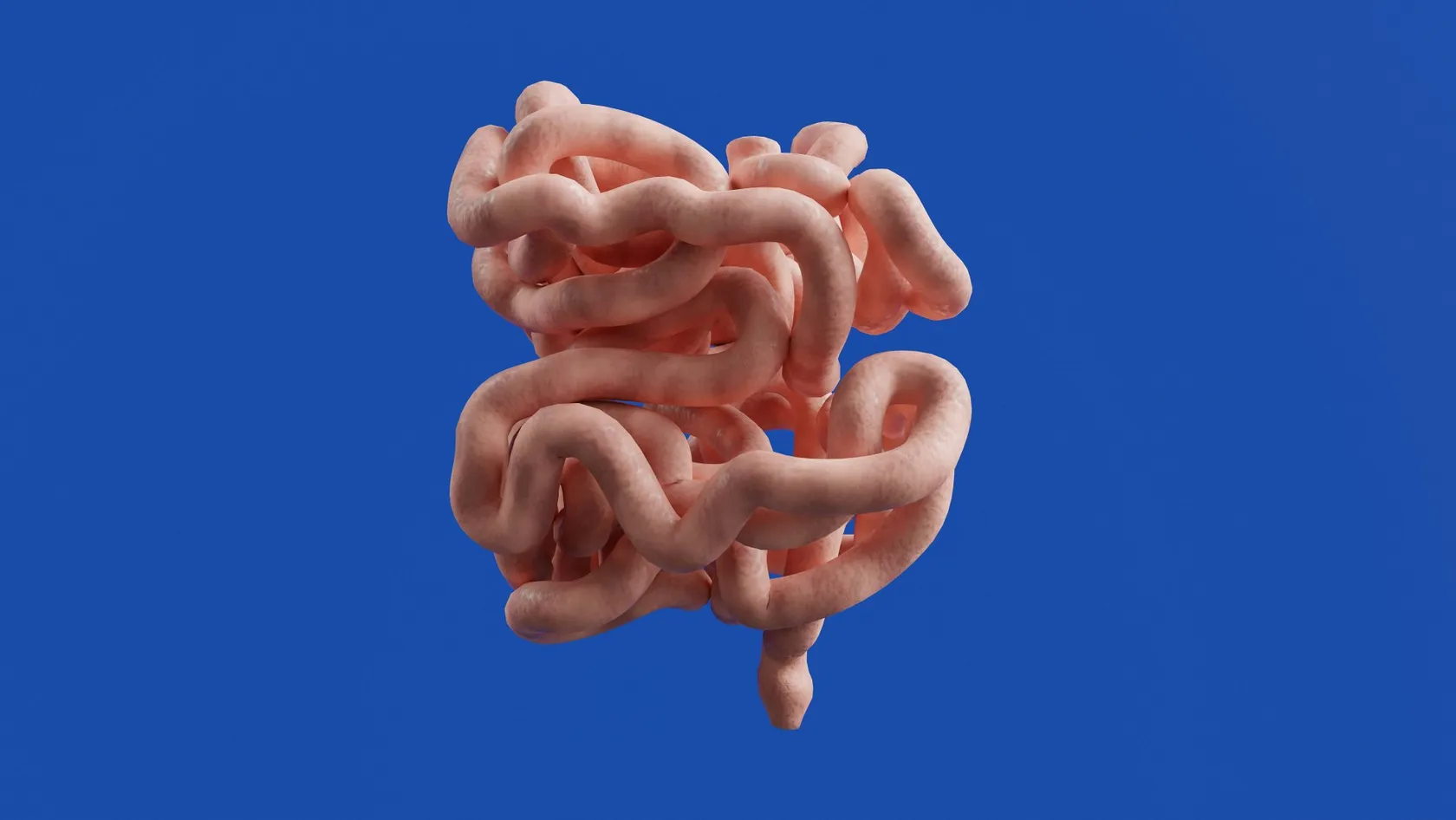
Gastric Bypass Surgery - Roux-En-Y Gastric Bypass
Ten years after 2,507 patients were randomly assigned to having the gaps in their mesentery stitched shut or left open, 7.8 percent of one group and 14.9 percent of the other had been back to the operating room for a bowel obstruction.
About This Department
Ten years after 2,507 patients were randomly assigned to having the gaps in their mesentery stitched shut or left open, 7.8 percent of the closed group and 14.9 percent of the open group had been back to the operating room for a bowel obstruction. One stitch, placed or not placed during an operation the patient was asleep for, roughly halved that. Almost nothing else on this page is as clean, and almost everything else follows from the same fact, which is that a bypass rearranges your insides permanently.
Free consultation
Ask whether the mesenteric defects will be closed, and get the answer in writing
That question, along with the limb lengths and whether you smoke, decides most of what happens to you over the following decade, and none of the three appears in a package description. Send your height and weight with the date they were measured, the conditions you are treated for, your medication list with the doses, details of any previous abdominal surgery, any endoscopy report you hold, and a note of whether you get heartburn and whether you smoke. A surgeon and a dietitian review the file together and tell you whether a bypass is the right operation for your particular situation, what it would achieve over ten years rather than over ten months, and who would be looking after you in that time. No fee, no obligation, and a coordinator replies in your own language, usually within the same working day.
What gets rearranged
Five things are created or moved, and every complication described further down attaches to one of them. Knowing which is which turns a frightening list into a map.
- A small pouch at the top of the stomach. Roughly the size of an egg, cut away from the rest and holding perhaps thirty milliliters, and this is what limits how much you can eat as well as what stretches over years if the join below it widens.
- A join between pouch and bowel. A new connection between stomach lining, which makes acid, and small bowel lining, which was never designed to meet it, and that mismatch is why ulcers form there and why they get a section of their own.
- One limb carrying food, called the Roux limb. The stretch of bowel now connected to the pouch. Food travels down it alone, without any digestive juice, until it reaches the second join.
- Another limb carrying the digestive juice. The stretch running from the old stomach outlet down to that second join, delivering bile and pancreatic enzymes. Its length is a choice, and a randomized trial of 506 patients comparing 70 against 120 centimeters found no difference in weight loss or in remission of diabetes, blood pressure or cholesterol at one, two or five years, while the longer limb needed significantly more supplementation of vitamin B12, folic acid and vitamin A throughout. Longer is not better here. It is just more malabsorptive.
- Gaps left behind, and a stomach left in place. Rearranging the bowel opens windows in the sheet of tissue that holds it, and the rest of your stomach stays inside you, still alive and still producing juice, simply disconnected. Both facts have consequences that appear years later, and both are covered below.
Why a bypass, not a sleeve
Sleeve gastrectomy is the commoner operation worldwide and the simpler one. Four situations tip the decision the other way, and each has evidence behind it.
The trade you accept
Everything in the previous section is real and none of it is free. An American academic center compared 934 bypass patients against 553 sleeve patients over five years and counted how often each group came back to the operating room for something other than the original operation.
Reoperation for reasons other than gallbladder removal ran at 6.9 percent after bypass and 0.9 percent after sleeve, a relative risk of 11.5. Almost a third of the bypass patients who needed one operation needed more than one.
Where those reoperations came from is worth reading, because it is essentially a list of what the rearranged anatomy does. Adhesions causing obstruction accounted for 17.6 percent, internal hernia 15.7 percent, a functional obstruction appearing at around one month for 9.3 percent, an ulcer that would not heal 3.7 percent, and a telescoping of the bowel 2.8 percent. In 22.2 percent nobody found a clear cause inside the abdomen. Gallbladder removal was also more common after bypass, at 5 percent against 2 percent. None of that argues against the operation for somebody who needs it. It argues for choosing it deliberately rather than because a package was cheaper, and for having somebody who understands this anatomy reachable for the rest of your life. Every one of those reoperation figures describes a patient who did get seen, and the ones that end badly are the ones where nobody with the operation note was within reach when the pain started.
The ulcer at the join
An ulcer forming where acid-producing pouch meets small bowel is the complication most specific to this operation, and most of what drives it is modifiable.
- Stomach ulcer bacteria are the strongest predictor. Pooling 14 studies covering 344,829 bypass patients, Helicobacter pylori infection carried an odds ratio of 4.97 with a confidence interval of 2.24 to 10.99, so testing for it and treating it before the operation is the single most useful preventive step, and it is cheap.
- Smoking is next. An odds ratio of 2.50, with a confidence interval of 1.76 to 3.54. Smoking after a bypass differs from smoking anywhere else, because it acts directly on the tissue at that new join between acid and bowel. This is the operation where quitting is not a lifestyle suggestion.
- Diabetes raises it modestly. An odds ratio of 1.80. Anti-inflammatory painkillers showed a strong trend at 2.43 but the confidence interval crossed one in that analysis, which does not mean they are safe, and every unit will still tell you to avoid them permanently.
- Most ulcers are treated without surgery. Among 213,104 bypass patients in an American database, an ulcer appeared within thirty days in 0.3 percent. Of those, 88 percent were treated endoscopically, 72 percent were readmitted, and 9 percent needed an operation. Death within thirty days was no different from patients without one, at 0.2 against 0.1 percent.
- Age and weight had nothing to do with it. In the pooled analysis, age, body mass index, being female, sleep apnea, high blood pressure and alcohol use were all non-predictors. What you can change matters more than what you are.
Internal hernia
Rearranging the bowel leaves windows in the tissue that suspends it, and a loop of bowel can slip through one of those windows years later and strangle. This is the emergency that people who had a bypass abroad most often present with at home, and there is a randomized trial about preventing it.
- One trial settled this, and it was large. Across twelve centers, 2,507 patients were randomized to having those windows stitched shut during the operation or left open, with 1,259 in the closure group and 1,248 in the other.
- Closing them roughly halved reoperation for obstruction. At three years the cumulative rate was 5.5 percent with closure and 10.2 percent without, a hazard ratio of 0.56, and at ten years it was 7.8 percent against 14.9 percent, with a sub-hazard ratio of 0.42.
- There was a cost, and it was early. Severe complications after surgery were more common in the closure group, at 4.3 percent against 2.8 percent and an odds ratio of 1.55, and the investigators attributed that mainly to kinking at the lower join, which is the price of the extra stitching. Ten years of fewer obstructions against a slightly rougher first fortnight is a trade most patients would take, but it is a trade.
- Long-term opioid use did not differ. New chronic opioid use ran at 18.7 percent in the closure group and 20.4 percent in the other, which was not a significant difference, and both of those figures are worth noticing on their own, because roughly one in five of these patients was on long-term opioids a decade later.
- So ask the question. Whether the mesenteric defects will be closed is a specific, answerable question with a randomized trial behind it, and the answer belongs in your operation note rather than in a conversation you half remember.
What can go wrong, and when
Complications of this operation are unusual in that they spread across decades instead of concentrating in the first fortnight. The table is arranged by when each one turns up.
This table scrolls sideways on a narrow screen. Swipe or drag to see every column.
| Problem | When, and how often | What is done |
|---|---|---|
| A leak at one of the joins | The first week, and uncommon. | Drainage, antibiotics, sometimes a further operation. A fast rising pulse and breathlessness are the warning signs rather than fever. |
| Bleeding | The first days. | Transfusion, occasionally endoscopy or a return to surgery. |
| Functional obstruction from kinking | Around one month. It accounted for 9.3 percent of bypass reoperations in one series. | Surgery to release it. Persistent vomiting in the first weeks is not something to endure at home. |
| Ulcer at the join | Months to years. 0.3 percent within thirty days, and more over time, especially in smokers. | Acid suppression, stopping smoking and stopping anti-inflammatory painkillers. Endoscopic treatment in 88 percent, surgery in 9 percent of early cases. |
| Gallstones | The first year. Gallbladder removal was needed in 5 percent of bypass patients against 2 percent after a sleeve. | Removal if symptomatic. Preventive medication for the first six months is used in many units. |
| Internal hernia | Years. Reoperation for obstruction reached 14.9 percent at ten years without closure of the defects and 7.8 percent with it. | Urgent surgery. Severe abdominal pain years after a bypass needs a surgeon who knows the anatomy, not a wait-and-see. |
| A connection reforming to the old stomach | A mean of 28 months in one series, affecting 1.18 percent of 1,273 patients. | Surgery to divide it. Sixty percent of those patients had previously had an ulcer or a leak. |
| Nutritional failure | Years, and mostly after a long-limb or revised bypass. In one series of 29 patients revised to a longer bypass, 20.7 percent developed protein malnutrition needing intravenous feeding. | Feeding support, and occasionally reversal of the operation. This is the main argument against very long limbs. |
Diabetes at five years
Bypass has the strongest randomized evidence in diabetes of any of these operations, and the trial that produced it is also candid about its limits. A study across four sites in the United States and Taiwan randomly assigned 120 people with type 2 diabetes to intensive lifestyle and medical management alone, or to the same program plus a gastric bypass, and 98 of them completed five years.
Its main measure was demanding, requiring all three of a glycated hemoglobin below 7.0 percent, cholesterol below a set threshold and blood pressure below another, and that triple target was reached by 23 percent of the surgical group against 4 percent of the others, a difference of 19 percentage points. On the glucose target alone, 55 percent of the surgical group and 14 percent of the medical group were below 7.0 percent at five years, a difference of 41 points. Serious adverse events were more common after surgery, at 66 events against 38, mostly strictures, obstructions and leaks, and parathyroid hormone rose more often, while vitamin B12 deficiency did not differ.
Then comes the sentence that patients are almost never shown. The trial's own authors wrote that because the effect size diminished over five years, further follow-up is needed to understand how durable the improvement is. That is not a reason to dismiss the result. It is a reason to understand what you are buying, which is a very large improvement that appears to narrow with time, in a disease that is chronic and that the operation manages rather than removes.
Medicines afterwards
This is the consequence patients are least often warned about and the one that reaches furthest into ordinary life. A bypass removes most of the acid, shortens the absorbing surface, changes how bile circulates and skips the stretch of bowel where several drugs are normally processed.
The operation itself
Keyhole, around two hours, and longer than a sleeve because there are two joins to make rather than none.
The first year
Eating rebuilds in stages and the stages are set by two fresh joins rather than by preference.
Bones, stones and alcohol
Three long-term consequences are more pronounced after a bypass than after a sleeve, and all three are traceable to the same rerouting. Bone density falls further. A Norwegian randomized trial of 92 patients with obesity and type 2 diabetes compared the two operations directly and found bone density at the femoral neck, the hip and the lumbar spine all dropped significantly more after a bypass, by between 2.8 and 4.2 percentage points more. Markers of bone turnover roughly doubled compared with the sleeve. Crucially, those changes tracked the operation rather than the amount of weight lost, which means they are not simply a consequence of getting smaller. Calcium and vitamin D, weight-bearing and resistance exercise, and a density scan somewhere down the line are the practical response, and none of that is optional after this operation, particularly for anybody already past the menopause.
Kidney stones are the second. A review pooling 24 studies found that among the modern operations only the bypass was linked to stones forming, with a doubling of stone incidence in people who had never had one, to 8.5 percent, and a fourfold increase to 16.7 percent in those with a previous stone. Urine analysis in 277 patients before and after explained why. Urine volume fell by around 30 percent, citrate that normally protects against stones fell by around 40 percent, and oxalate rose by around 50 percent. Drinking considerably more water than feels necessary is the practical response, and it is difficult after an operation that limits how much you can swallow at once. Say in advance if you have had a stone before. That history quadrupled the risk here and it changes what gets measured afterwards. Anybody producing repeated stones after a bypass needs a urine collection analyzed rather than more painkillers, because the pattern behind them is specific and it is treatable.
Alcohol is the third, and it is the one that catches people out. Forty-five women who had had one of these operations drank a standardized measure of alcohol and had their blood levels tracked for three and a half hours. Peak blood alcohol was reached faster and ran higher after a bypass or sleeve than after a band, and the peak sat at roughly fifty percent above the legal driving limit from that single standardized drink. The investigators also found that around a third of those women felt almost no sedative effect at those levels, which is the combination that matters, because somebody who is affected without feeling affected has lost the warning signal that normally governs how much people drink.
Dumping
Food arriving in the small bowel without having been diluted by a stomach produces two distinct reactions, and they happen at different times after a meal. The early one arrives within about half an hour, as fluid is pulled into the bowel and a surge of gut hormones follows. It feels like cramping, nausea, a racing heart, flushing and an overwhelming need to lie down. The late one comes one to three hours after eating and is a drop in blood sugar, driven by an exaggerated insulin response to a rapid rise, and it feels like shakiness, sweating, confusion and hunger. The two are frequently confused with each other and with anxiety, which matters because the treatments differ, and because a low blood sugar reading during an episode settles the question in a way that describing the feeling to somebody else never quite does.
Some units present the early form as a helpful discipline that discourages sugar. That framing is not entirely wrong and it is not the whole story either, because for a minority it is severe enough to dominate daily life.
The reference test for both is a glucose tolerance test, the first response is dietary, and the treatment ladder runs from splitting meals and choosing slower carbohydrates, through several medications, to reversing the operation in cases that resist everything else.
Two practical points. The late form is a measurable low blood sugar and not an emotional response to food, so a glucose meter settles it quickly. And if dumping is described to you as a guaranteed and welcome side effect that will keep you honest, ask what the plan is for the people in whom it does not stay mild.
When weight comes back
Weight returning after a bypass is common, it is not a character failure, and there are two very different responses depending on how much has come back and why.
Tightening the join through an endoscope
Where the join between pouch and bowel has stretched, it can be narrowed from the inside without an operation. A sham-controlled randomized trial of 77 patients found mean weight loss of 3.5 percent against 0.4 percent in the sham group, with weight loss or stabilization in 96 percent of the treated patients against 78 percent. Pooling later series, full-thickness suturing produced total body weight loss of 8.0 percent at three months, 9.5 percent at six and 5.8 percent at twelve across 737 patients, while a coagulation technique alone gave 9.0, 10.2 and 9.5 percent across 888. Narrowing was the commonest complication, at 3.3 and 4.8 percent, and severe complications were almost absent, so these are modest numbers honestly reported, and the fair framing is that this buys back back some ground and does not repeat the original operation.
Lengthening the bypass, and its price
Surgery offers the other route, converting the bypass into a longer and more malabsorptive one. In a series of 29 patients revised this way, excess weight loss rose from 26.6 percent before the revision to 60.9 percent at one year and 68.8 percent at five, with body mass index falling from 48.1 to 31.5. Six of those 29, which is 20.7 percent, developed protein malnutrition requiring intravenous feeding, and one of them had to have the anatomy put back. That is a striking effect alongside a striking risk, and it is why lengthening a bypass is a decision for a unit that manages the nutritional consequences rather than one that performs the operation and waves you off.
Reaching the bile duct later
Here is a consequence almost nobody mentions at the consultation, and it becomes concrete the day you get a gallstone stuck in your bile duct.
The usual route no longer exists
Clearing a stone from the bile duct is normally done by passing an endoscope through the stomach into the first part of the small bowel, where the duct opens. After a bypass that path is gone, because the endoscope now enters a small pouch that leads somewhere else entirely, and the same problem applies to examining the excluded stomach, which stays inside you and which no ordinary endoscope can reach.
Two workarounds, and they work
One approach makes a temporary passage between the pouch and the old stomach using ultrasound guidance and a stent and then passes the endoscope through it, while the other involves a surgeon making an opening into the old stomach through the abdominal wall so the endoscope can be introduced there. A comparison across four centers covering 72 patients found technical success of 96.5 percent for the endoscopic route and 100 percent for the surgical one, with therapeutic success of 96.5 and 97.7 percent and similar complication rates of 24 and 19 percent. The endoscopic route took 73 minutes against 184 and kept people in hospital for 0.8 days against 2.65. Both work. Neither is available in every hospital, which is the reason this matters to somebody choosing where to have the original operation and where they intend to live in the years afterwards.
Reversal and fistula
Two things can happen to the separation between pouch and old stomach. One is unwanted and one is deliberate.
A connection reforming on its own
Channels can open between the pouch and the excluded stomach, undoing the operation from the inside, and in a French series of 1,273 bypass patients 1.18 percent developed a symptomatic one, at a mean of 28 months after surgery. Sixty percent of them had previously had a marginal ulcer or a leak, which is the clearest hint at how these form. All fifteen were repaired with keyhole surgery, with no conversions to open operations and a mean stay of 5.2 days. Symptoms are weight returning, reflux and pain. Those three together in somebody who previously had an ulcer are worth investigating properly.
Putting the anatomy back deliberately
A bypass can be reversed, and it is worth knowing that this exists before you need it. A systematic review gathered 100 reversal patients from 35 reports. The leading reasons were malnutrition in 12.3 percent, severe dumping in 9.4 percent, low blood sugar after eating in 8.5 percent and excessive weight loss in another 8.5 percent. Afterwards, weight returned in 28.8 percent, severe reflux appeared in 10.2 percent and persistent abdominal pain in 6.8 percent. No deaths were reported across that pooled group. Reversal is not a comfortable undoing that returns you to where you started. It is a further major operation that trades one set of problems for another, and knowing it is possible is different from planning on it. What the reversal literature is genuinely useful for is reassurance in the other direction, since somebody whose nutrition or blood sugar cannot be controlled any other way is not trapped, and no deaths were reported across that pooled group.
Follow-up, for life
Bypass demands more monitoring than a sleeve because more has been rerouted. Here is what a real schedule contains, set out in full.
On a narrow screen the table scrolls sideways instead of shrinking. Swipe or drag it to see every column.
| When | What happens | Why it is there |
|---|---|---|
| First fortnight | Wound check, and a direct conversation about how much fluid you are managing. | Leaks and clots appear here, and dehydration is the commonest cause of readmission. |
| Six weeks and three months | Dietitian review as textures return, and the first check that supplements are actually being taken. | Habits set now. Dumping usually declares itself in this window too. |
| Six months, twelve months, then yearly | Iron and ferritin, vitamin B12, folate, vitamin D, calcium, parathyroid hormone, and protein levels alongside them. | Parathyroid hormone rose more often after bypass than with medical treatment in the diabetes trial, and deficiencies here are silent. |
| Medication review, at every visit | Every drug reconsidered for absorption and for dose, particularly thyroid hormone, blood thinners and anticonvulsants. | Those three have the narrowest margin between too little and too much after this operation. |
| A bone density scan, eventually | At some point in the years after surgery, and repeated if it is abnormal. | Density fell between 2.8 and 4.2 percentage points more after bypass than after sleeve in a randomized comparison, independently of weight lost. |
| Whenever severe abdominal pain occurs | A scan and an opinion from somebody who understands this anatomy, urgently. | Internal hernia. Reoperation for obstruction reached 14.9 percent by ten years where the defects had been left open. |
Questions to ask
Begin with the mesenteric defects, because it is the one question on this page with a two thousand patient randomized trial behind it and a clean answer. Ask whether they will be closed, and ask for that to be written into the operation note rather than promised in a room. Then ask the two limb lengths in centimeters and ask them to appear in the note as well, since a longer biliopancreatic limb produced no extra weight loss in a randomized comparison while significantly increasing the need for vitamin supplementation. Ask whether you will be tested for the bacterium that causes stomach ulcers before the operation, given an odds ratio of 4.97 for a marginal ulcer if it is present. Ask too whether the join will be stapled or hand-sewn and how wide it will be, since a join that is generous at the start is the one that stretches later and stops restricting anything.
Then ask about the decades. Who runs the annual blood tests and who pays for them. What the supplement regimen is, and whether protein levels are checked alongside the vitamins. What happens if the weight returns, and whether tightening the join endoscopically is available. Whether anybody near you can reach your bile duct if you ever need it. And ask what the plan is for severe abdominal pain in five years, because the answer to that determines whether you have had an operation or bought a package. None of these questions is confrontational and none should produce a defensive answer, and if any of them does, that reaction is itself a piece of information about how the unit will behave when something goes wrong. A high-volume team answers all of them without reaching for a brochure, and the ease of the answer is most of the information.
Reading a quote
No figure appears on this page, and the bypass is quoted alongside the sleeve as though the two were interchangeable, which is exactly the confusion to guard against. Seven things belong in writing. Which operation the price covers, named as a Roux-en-Y bypass rather than as bypass surgery generally. Whether the endoscopy and the test for stomach ulcer bacteria before the operation are inside the number, and whether closure of the mesenteric defects is part of the standard technique, since it should never be an optional extra. How many nights are budgeted and what an extra night costs if you are not fit to fly. Whether the dietitian consultations are included and how many. What the follow-up contains and for how long, stated in months rather than described as lifetime support, and whether treatment of a complication here is covered, along with who pays if you are readmitted at home instead.
Your own file moves the total less here than in most surgery, which is why it is sold as a package. Starting weight, a previous abdominal operation making the dissection harder, whether a hiatus hernia needs repairing at the same sitting, and whether this is a first operation or a conversion from a previous one are the four things that actually shift it.
Packages published by Turkish hospitals and medical travel agencies for gastric bypass generally include the airport transfer, pre-operative testing, the surgeon and anesthesia fees, the operating room, the planned nights, an interpreter, the hotel for an agreed number of nights and the review before departure. They generally exclude flights, insurance, endoscopy, treatment of a complication, extra nights, supplements, gallstone prevention and any follow-up beyond the first months, so read what arrives against both lists and pay particular attention to that last exclusion, because this is the operation where follow-up is treatment rather than aftercare.
Coming to Istanbul
Eight to twelve days, which is longer than most advertised packages and longer than for a sleeve, because there are two joins rather than none and a leak from either takes time to declare itself. Assessment and the endoscopy fill the first day or two, the operation takes a morning, three nights in hospital are typical, and the remaining days exist so that anything going wrong does so while you are still in the same city as the people who would fix it. Send your height and weight with the date they were measured, the conditions you are treated for, your full medication list with the doses, details of any previous abdominal surgery, and any endoscopy report you already hold. Say whether you smoke, and answer that one honestly, because it changes the risk of the complication most specific to this operation more than anything else you can tell us. Still smoking? Say so anyway. The useful response is a plan and a date, not a refusal.
Say in your first message who will run your blood tests at home and who you would call with severe abdominal pain in three years. Those two questions decide how this turns out over a decade, and they are worth settling before you travel rather than discovering at year two that nobody was ever asked. Only one coordinator holds your file from the first message to discharge, and the international patients team works in English, Arabic, French, Russian, Serbian, Romanian and Spanish, with other languages arranged on request. Ask in your first message if you would prefer a female physician. Someone can stay overnight with you on the ward, where the rooms carry a companion bed. Meals from the hospital kitchen cover halal, vegetarian and diabetic diets and a prayer room is available. The international patients office books accommodation for both of you, arranges the airport transfer and daily transport, and prepares the appointment confirmation and the invitation letter naming the hospital and your treating doctor for a medical visa application, around ten days before travel.
Take home the operation note itself and not a discharge summary. It should state the biliopancreatic and Roux limb lengths in centimeters, whether the mesenteric defects were closed, how the pouch to bowel join was made and how wide it was, and whether a hiatus hernia was found and repaired. Every one of those matters to a surgeon treating you a decade from now, and reconstructing them later ranges from difficult to impossible without opening you up again, which is a poor reason to have another operation. Add the supplement regimen with doses, the schedule of blood tests with the specific tests named, and a note of what to do about severe abdominal pain. Address the file to a doctor near you and make that appointment before you fly. Once you are back home, your coordinator stays reachable on the same WhatsApp number, and keep that number for years rather than weeks, because with this operation the questions that matter most arrive long after the wounds have healed. A blood test at year four that nobody looks at, and a bout of severe abdominal pain that somebody treats as indigestion, are the two ways this treatment quietly fails, and both are prevented by a working phone number.
Gastric bypass FAQ
Why would I have a bypass instead of a sleeve?
What is an internal hernia and how do I avoid one?
How likely is an ulcer at the join?
Does a longer bypass work better?
Will my medicines still work?
Does the contraceptive pill still work after a bypass?
What happens if I get a gallstone stuck in my bile duct later?
What is dumping and will I get it?
Can a bypass be reversed?
How long should I stay in Turkey?
References
- Stenberg E, Szabo E, Agren G, Ottosson J, Marsk R, Lonroth H, Boman L, Magnuson A, Thorell A, Naslund I. Closure of mesenteric defects in laparoscopic gastric bypass, a multicenter, randomized, parallel, open-label trial. The Lancet. 2016;387(10026):1397-1404.
- Stenberg E, Ottosson J, Magnuson A, Szabo E, Wallen S, Naslund E, Thorell A, Naslund I. Long-term safety and efficacy of closure of mesenteric defects in laparoscopic gastric bypass surgery, a randomized clinical trial. JAMA Surgery. 2023;158(7):709-717.
- Beran A, Shaear M, Al-Mudares S, Sharma I, Matar R, Al-Haddad M, Salame M, Portela R, Clapp B, Abu Dayyeh BK, Ghanem OM. Predictors of marginal ulcer after gastric bypass, a systematic review and meta-analysis. Journal of Gastrointestinal Surgery. 2023;27(6):1066-1077.
- Cornejo J, Evans LA, Celik NB, Elli EF. Early marginal ulcer after Roux-en-Y gastric bypass, MBSAQIP database analysis of trends and predictive factors. Obesity Surgery. 2024;34(5):1536-1543.
- Xing Y, Yan WM, Bai RX. Effects of bariatric surgery on obesity associated gastroesophageal reflux disease, insights from a systematic review and network meta-analysis. World Journal of Gastroenterology. 2026;32(6):114600.
- Wildisen S, Laager R, Struja T, Wildisen A, Mueller B, Schuetz P, Peterli R, Kutz A. Major adverse cardiac events after gastric bypass versus sleeve gastrectomy. JAMA Surgery. 2025;160(6):690-700.
- Grinlinton ME, Patel P, Nair A, Clarke M, Plank L, Murphy R, Booth M. Ten-year results of a randomized trial comparing banded Roux-en-Y gastric bypass to sleeve gastrectomy for type 2 diabetes and weight loss. Obesity Surgery. 2025;35(12):4949-4958.
- Aminian A, Al-Kurd A, Wilson R, Bena J, Fayazzadeh H, Singh T, Albaugh VL, Shariff FU, Rodriguez NA, Jin J, Brethauer SA, Dasarathy S, Alkhouri N, Schauer PR, McCullough AJ, Nissen SE. Association of bariatric surgery with major adverse liver and cardiovascular outcomes in patients with biopsy-proven nonalcoholic steatohepatitis. JAMA. 2021;326(20):2031-2042.
- Zak Y, Petrusa E, Gee DW. Laparoscopic Roux-en-Y gastric bypass patients have an increased lifetime risk of repeat operations when compared to laparoscopic sleeve gastrectomy patients. Surgical Endoscopy. 2016;30(5):1833-1838.
- Ruiz-Tovar J, Vorwald P, Gonzalez-Ramirez G, Posada M, Salcedo G, Llavero C, Garcia-Olmo D. Impact of biliopancreatic limb length, 70 cm versus 120 cm, with constant 150 cm alimentary limb, on long-term weight loss, remission of comorbidities and supplementation needs after Roux-en-Y gastric bypass, a prospective randomized clinical trial. Obesity Surgery. 2019;29(8):2367-2372.
- Ikramuddin S, Korner J, Lee WJ, Thomas AJ, Connett JE, Bantle JP, Leslie DB, Wang Q, Inabnet WB, Jeffery RW, Chong K, Chuang LM, Jensen MD, Vella A, Ahmed L, Belani K, Billington CJ. Lifestyle intervention and medical management with versus without Roux-en-Y gastric bypass and control of hemoglobin A1c, LDL cholesterol and systolic blood pressure at 5 years in the Diabetes Surgery Study. JAMA. 2018;319(3):266-278.
- Dvorackova E, Pilkova A, Matoulek M, Slanar O, Hartinger JM. Bioavailability of orally administered drugs after bariatric surgery. Current Obesity Reports. 2024;13(1):141-153.
- Moreira de Brito C, de Melo ME, Mancini MC, Santo MA, Cercato C. Pharmacokinetics of oral levonorgestrel and ethinylestradiol in women after Roux-en-Y gastric bypass surgery. Surgery for Obesity and Related Diseases. 2021;17(4):673-681.
- Hope W, Gourash W, Ruppert K, Ramanathan R. Robotic-assisted bariatric surgery compared to standard laparoscopy, utilization trends, outcomes and operative times, MBSAQIP data from 2018 to 2021. Obesity Surgery. 2025;36(1):61-70.
- Hofso D, Hillestad TOW, Halvorsen E, Fatima F, Johnson LK, Lindberg M, Svanevik M, Sandbu R, Hjelmesaeth J. Bone mineral density and turnover after sleeve gastrectomy and gastric bypass, a randomized controlled trial. The Journal of Clinical Endocrinology and Metabolism. 2021;106(2):501-511.
- Canales BK, Hatch M. Kidney stone incidence and metabolic urinary changes after modern bariatric surgery, review of clinical studies, experimental models and prevention strategies. Surgery for Obesity and Related Diseases. 2014;10(4):734-742.
- Acevedo MB, Teran-Garcia M, Bucholz KK, Eagon JC, Bartholow BD, Burd NA, Khan N, Rowitz B, Pepino MY. Alcohol sensitivity in women after undergoing bariatric surgery, a cross-sectional study. Surgery for Obesity and Related Diseases. 2020;16(4):536-544.
- Cano R, Rodriguez D, Duran P, Cano C, Rojas-Gomez D, Rivera-Porras D, Barboza-Gonzalez P, Fuentes-Barria H, Angarita L, Boscan A, Bermudez V. Dumping syndrome after bariatric surgery, advanced nutritional perspectives and integrated pharmacological management. Nutrients. 2025;17(19):3123.
- Thompson CC, Chand B, Chen YK, Demarco DC, Miller L, Schweitzer M, Rothstein RI, Lautz DB, Slattery J, Ryan MB, Brethauer S, Schauer P, Mitchell MC, Starpoli A, Haber GB, Catalano MF, Edmundowicz S, Fagnant AM, Kaplan LM, Roslin MS. Endoscopic suturing for transoral outlet reduction increases weight loss after Roux-en-Y gastric bypass surgery. Gastroenterology. 2013;145(1):129-137.
- Jaruvongvanich V, Vantanasiri K, Laoveeravat P, Matar RH, Vargas EJ, Maselli DB, Alkhatry M, Fayad L, Kumbhari V, Fittipaldi-Fernandez RJ, Hollenbach M, Watson RR, de Quadros LG, Galvao Neto M, Aepli P, Staudenmann D, Brunaldi VO, Storm AC, Martin JA, Gomez V, Abu Dayyeh BK. Endoscopic full-thickness suturing plus argon plasma mucosal coagulation versus argon plasma mucosal coagulation alone for weight regain after gastric bypass, a systematic review and meta-analysis. Gastrointestinal Endoscopy. 2020;92(6):1164-1175.
- Rawlins ML, Teel D, Hedgcorth K, Maguire JP. Revision of Roux-en-Y gastric bypass to distal bypass for failed weight loss. Surgery for Obesity and Related Diseases. 2011;7(1):45-49.
- Kedia P, Tarnasky PR, Nieto J, Steele SL, Siddiqui A, Xu MM, Tyberg A, Gaidhane M, Kahaleh M. Endoscopic ultrasound-directed transgastric ERCP versus laparoscopy-assisted ERCP for Roux-en-Y gastric bypass anatomy, a multicenter early comparative experience of clinical outcomes. Journal of Clinical Gastroenterology. 2019;53(4):304-308.
- Chahine E, Kassir R, Dirani M, Joumaa S, Debs T, Chouillard E. Surgical management of gastrogastric fistula after Roux-en-Y gastric bypass, 10-year experience. Obesity Surgery. 2018;28(4):939-944.
- Shoar S, Nguyen T, Ona MA, Reddy M, Anand S, Alkuwari MJ, Saber AA. Roux-en-Y gastric bypass reversal, a systematic review. Surgery for Obesity and Related Diseases. 2016;12(7):1366-1372.
Editor's note
Written by the Biruni Hospital medical editorial team. Reviewed by Assistant Professor Pırıltı ÖZCAN, General Surgery.
Medically reviewed by

Assistant Professor Pırıltı ÖZCAN
General Surgery
Related Treatments
View All
Bariatric Surgery - Weight Loss Surgery
Followed for 24 years, people who had weight loss surgery lived a median of 3.0 years longer than those who did not, and 5.5 years less than the general population. Both numbers come from the same study.
Breast Cancer Surgery
Across 202,934 women with the same early disease, the proportion who kept the breast ran from 58.5 to 75.5 percent depending on the region. Breast cancer surgery is not one decision. It is four, and this page maps them.

Breast Conserving Surgery
Two hundred and four women with two or three cancers in the same breast kept that breast, and recurrence at five years was 3.1 percent. Most of the reasons women are told they cannot keep the breast have quietly stopped being true.

Breast Lump Removal
Of 3,305 people under forty seen at one breast clinic, 29 had cancer. Most lumps are something else, and most of those never need an operation. This page covers how to tell which lump yours is and when removal earns its place.
Central Venous Port Implantation
A port is implanted in half an hour and then kept for years. Almost everything that later goes wrong with it was settled in that half hour, or is settled by how the device is flushed and accessed every week.