Most narrowings of the esophagus open with dilation through an endoscope, steroid injections and stents help the ones that keep coming back, and esophageal stricture surgery rebuilds the swallowing tube for the few, mostly caustic strictures, that do not respond.
About This Department
General Surgery
Most narrowings open with an endoscope. Surgery waits for the few that will not.
In a 2025 series of adults with refractory caustic strictures, 91 percent were eating by mouth without support after esophageal reconstruction.
40.5%
Lasting relief after a stent for refractory strictures
91%
Eating by mouth after reconstruction for caustic strictures
5 days
Published Istanbul program for dilation or stent
Free
Review of your endoscopy reports before you book
Free consultation
The review costs nothing and carries no obligation. Send your endoscopy reports, biopsy results, any barium swallow or CT and a list of earlier dilations, and our team will tell you which treatment fits the stricture, how many sessions to expect, and how long to plan for. A coordinator replies in your own language.
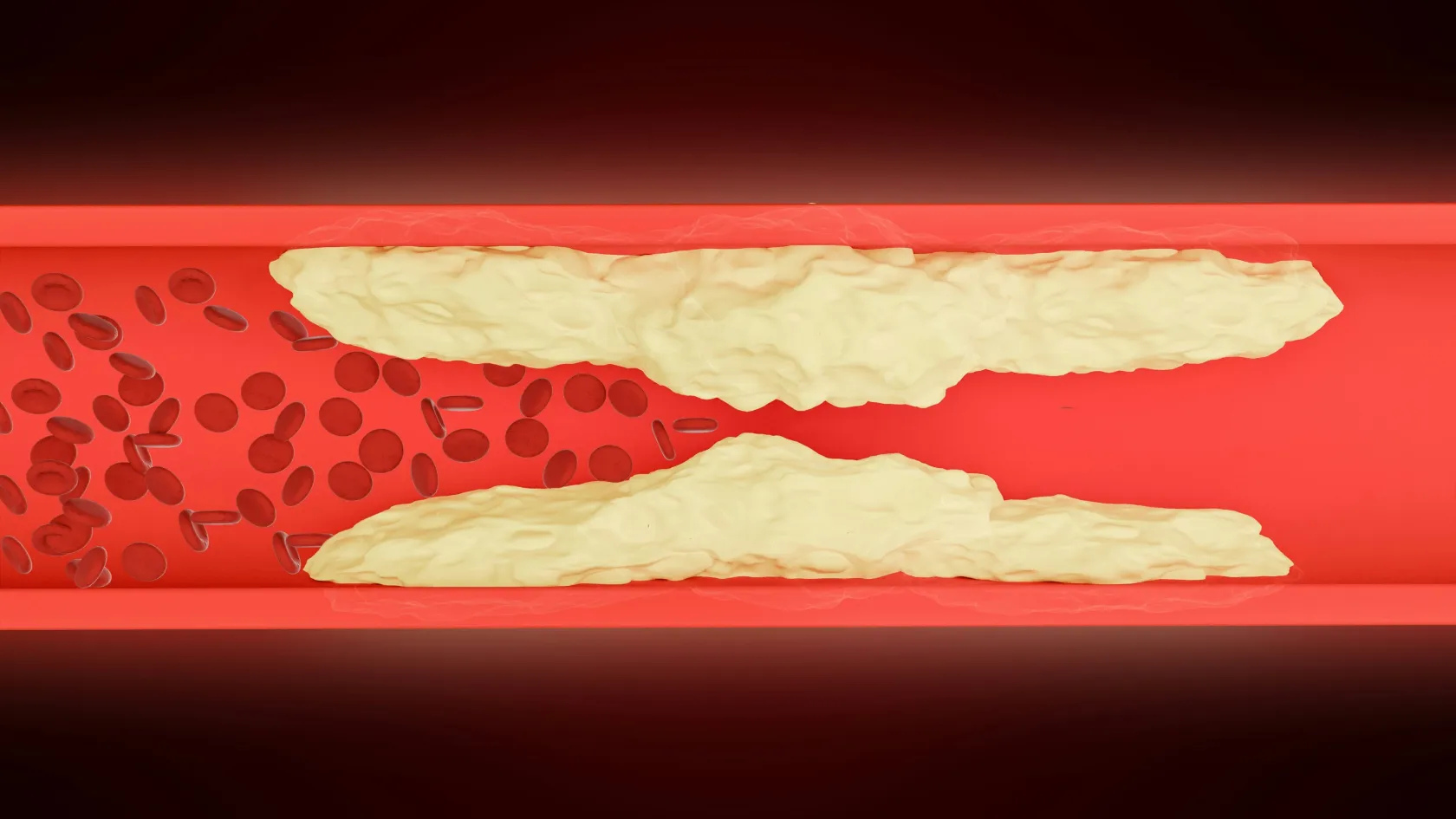
Food sticks on the way down, solid meals have turned into soft ones and then liquids, and an endoscopy has shown a narrowing in the esophagus, perhaps after years of reflux, a swallowed chemical, radiotherapy or an earlier operation. Esophageal stricture surgery covers the treatments that open that narrowing again, from stretching it through an endoscope, through steroid injections, stents and cutting the scar from inside, to rebuilding the esophagus when nothing less works. Below you will find the causes and the tests that come first, how dilation works, what the published reviews show for strictures that keep coming back, when an operation is needed and what it achieves, the risks, the recovery, how long to stay in Istanbul, and the follow-up at home.
What narrows the esophagus
Scar is the common thread.
A benign stricture forms when injury to the lining heals with scar tissue that contracts around the tube, and in adults the most common injury is long-standing acid reflux, which leaves a short narrowing just above the stomach. Swallowing a strong acid or alkali, most often by accident in children, burns long stretches of the esophagus and leaves the toughest strictures of all. The join after an esophagectomy, radiotherapy to the chest, eosinophilic esophagitis, pills that lodge and dissolve against the wall, and the repair of esophageal atresia in babies are other causes, and each behaves differently. The cause shapes the whole plan. Cancer can narrow the esophagus too. Every new stricture is biopsied first. How long the stricture is, how many there are and how hard the scar feels to the dilator tell the endoscopist almost as much as the biopsy does about how it will behave over the coming months.
How a stricture feels
Solid food, bread and meat first, sticks behind the breastbone. Over months, softer foods and then liquids follow, meals take longer, and weight falls. Some people bring food back up or cough at night.
Seek care soon for
food stuck for hours,
being unable to swallow saliva,
or rapid weight loss.
This table scrolls sideways on a narrow screen. Swipe or drag to see every column.
Causes of esophageal stricture and how they usually behave
Cause
Typical pattern
Response to dilation
Acid reflux
Short, smooth, just above the stomach
Good, with acid-suppressing medicine afterward
Caustic ingestion
Long, irregular, sometimes several segments
Poor in many patients, surgery needed for some
After esophagectomy
At the join
Good, sometimes with steroid injection
Radiotherapy
Long and firm
Variable, recurrence common
Eosinophilic esophagitis
Rings or a narrow tube
Good once the inflammation is treated
After atresia repair in children
At the join
Good with repeated dilation
The tests that come first
For the first review, send
endoscopy and biopsy reports,
any barium swallow images,
and a list of earlier dilations with their sizes.
1
Endoscopy with biopsy
The narrowing is seen, measured and sampled to rule out cancer and eosinophilic esophagitis.
2
Barium swallow
X-ray pictures show the length and number of strictures, which matters most after a caustic injury.
3
CT scan
For long or complex strictures, and before any reconstruction.
4
Nutrition check
Weight loss and low protein are corrected, sometimes with a feeding tube, before larger treatment.
Opening the stricture with dilation
Most benign strictures are treated by stretching them from inside during an endoscopy under sedation. A tapered bougie pushed over a guide wire, or a balloon inflated across the narrowing, widens it a few millimeters at a time, and sessions are repeated every one to two weeks until solid food passes comfortably. Each session takes minutes. Reflux strictures respond well, and acid-suppressing medicine taken long-term afterward keeps many of them from narrowing again.
Stretch gradually, then keep it open.
1
Sedation
You sleep lightly through the procedure.
2
Guide wire and dilator
The dilator passes over a wire placed through the narrowing, under X-ray guidance for difficult strictures.
3
Check
The endoscope looks again to confirm the opening and check the lining.
4
Home
Liquids a few hours later and home the same day.
When the stricture keeps coming back
Some strictures resist.
A stricture is called refractory when it cannot be opened to a normal swallowing size after several sessions, and recurrent when it opens but narrows again within weeks. Several tools then join dilation. Steroid injected into the scar at the time of dilation lengthened the time between dilations in a meta-analysis of 11 studies of refractory strictures, and in three randomized trials of strictures at the join after esophagectomy it cut the number of dilations needed by 1.6 on average. Removable stents hold the stricture open for weeks while the scar remodels, and a meta-analysis of 18 studies with 444 patients found lasting relief in 40.5 percent, with stents moving out of place in 28.6 percent and adverse events in 20.6 percent. Cutting the scar with an endoscopic knife suits short rings, and some patients learn to pass a soft dilator themselves at home. Results depend heavily on the cause, with caustic and radiation strictures doing worst.
Scroll sideways on small screens to see both columns.
Tools for refractory strictures and what the reviews found
Tool
Published result
Steroid injection with dilation
Longer gaps between dilations, fewer sessions after esophagectomy strictures
Removable stent
Lasting relief in 40.5 percent, migration in 28.6 percent
Endoscopic incision
Best for short, ring-like strictures
Self-dilation at home
An option for motivated patients after training
When surgery is needed
Surgery rebuilds the swallowing tube.
When endoscopic treatment fails, most often after a caustic burn, the scarred esophagus is bypassed or removed and replaced with the stomach pulled up into the chest or a segment of colon brought up with its blood supply. In a 2025 series of 41 adults with refractory caustic strictures, endoscopic treatment succeeded in 8, or 20 percent, while 33 went on to reconstruction, with one operative death, leaks at the join in 10 percent, a new stricture at the join in 12 percent, and 91 percent eating by mouth without support at a median of 32 months.
Signs it may be time
A long caustic stricture that has not responded to steroid injections and stents, several strictures along the esophagus, repeated perforations from dilation, or the need for dilation so often that eating and life revolve around it.
Talk to us first
A short reflux stricture that responds to dilation and acid suppression, severe malnutrition that has not been corrected first, or a stricture whose cause has not been confirmed by biopsy.
Strictures in children
Children swallow cleaning products far more often than adults. Babies born with esophageal atresia can narrow where the two ends were joined. Both are treated by a pediatric team with balloon dilation under general anesthesia, steroid injection and stents where needed, and reconstruction is kept for the few who do not respond.
After a child swallows a chemical
Do not make the child vomit or drink to dilute it. Go to an emergency department, where an endoscopy in the first day or two grades the burn and decides the follow-up.
Keep at home
cleaning products in their original bottles,
on high shelves or in locked cupboards,
and never in drink bottles.
Risks and how they are managed
Perforation during dilation
Uncommon, more likely with long or caustic strictures. Gradual dilation and fluoroscopy guidance reduce it, and most are treated with a covered stent and antibiotics.
Stent problems
Migration, chest pain and reflux. Stents are checked and removed on schedule.
Bleeding
Minor and self-limiting in most cases.
After reconstruction
Leaks or narrowing at the new join, managed by drainage, nutrition support and dilation.
The recovery
After a dilation you start with liquids a few hours later and return to soft food the same day, and the first solid meal shows the difference. After a stent, soft food and sitting upright after meals ease the first weeks, and reconstruction is a different matter altogether, a major operation with one to two weeks in hospital, a feeding tube for the first period, and a gradual return to normal meals over months. Small, frequent meals, eaten sitting upright and chewed well, suit the new tube best, and a dietitian plans them with you before discharge so that weight starts to come back in the first weeks at home.
How long to stay in Istanbul
Plan by treatment.
Published Istanbul programs for endoscopic dilation and stent placement cover examinations, laboratory tests, a barium study, gastroscopy with biopsy, imaging, the dilation or stent, medicines, nursing and inpatient care, and list a duration of five days. A course of repeated dilations needs two to four weeks, or several shorter trips, while reconstruction calls for three to four weeks before flying home.
What decides the cost
The cause and length of the stricture, the number of dilations, steroid injections, a stent and its removal, imaging, nights in hospital and, where needed, reconstruction set most of the figure.
A quote you can compare names the planned sessions and devices, and that figure comes only after a review of your endoscopy reports, biopsies and barium study. The review costs nothing.
Arranging the trip
Endoscopy reports, biopsy results and a barium study sent on WhatsApp begin the review. One coordinator follows the case through every session and the follow-up, in English, Arabic, French, Russian, Serbian, Romanian or Spanish, with interpreters for other languages. A parent or companion sleeps in the room on the companion bed, and the international office reserves the hotel, sends the visa invitation letter ten days ahead and arranges transfers, and halal, vegetarian and diabetic menus, a prayer room and a female physician on request are all part of the stay.
Once you are back home
Living with a treated stricture
Early repeat dilation beats late repeat dilation.
Tell the coordinator early
Food starting to stick again, needing to drink with every bite, or weight falling. A repeat session planned early is shorter and safer.
Keep taking acid-suppressing medicine if it was prescribed, eat slowly and chew well, and report any return of sticking food through the coordinator early, since an early repeat dilation is easier than a late one.
Chest pain, fever or difficulty breathing after a dilation, vomiting blood, or being unable to swallow saliva. Each needs a doctor the same day.
Esophageal stricture surgery FAQ
How many dilations will I need?
Reflux strictures settle after a few sessions in many patients, while caustic and radiation strictures can need many more, spread over months, before the opening holds.
Do esophageal stents work for benign strictures?
In pooled studies, lasting relief followed in 40.5 percent of patients with refractory strictures.
When is surgery needed for an esophageal stricture?
When endoscopic treatment fails, most often after a caustic burn, and the esophagus is rebuilt with stomach or colon.
Is dilation painful?
No. It is done under sedation, and the most you feel afterward is a sore throat or mild chest discomfort for a day.
Can children be treated?
Yes, by a pediatric team with balloon dilation under general anesthesia.
Can a family member stay with me?
Yes. A companion or parent sleeps in the room on the companion bed for the whole admission, and a nearby hotel can be booked for others.
References
Fuccio L, Hassan C, Frazzoni L, Miglio R, Repici A. Clinical outcomes following stent placement in refractory benign esophageal stricture. A systematic review and meta-analysis. Endoscopy. 2016;48(2):141-148.
Szapáry L, Tinusz B, Farkas N, et al. Intralesional steroid is beneficial in benign refractory esophageal strictures. A meta-analysis. World J Gastroenterol. 2018;24(21):2311-2319.
Dasari CS, Jegadeesan R, Patel HK, et al. Intralesional steroids and endoscopic dilation for anastomotic strictures after esophagectomy. Systematic review and meta-analysis. Endoscopy. 2020;52(9):721-726.
Chobarporn T, Mesiri D, Tharavej C. Endoscopic and surgical treatment of refractory caustic esophageal strictures. Surg Endosc. 2025;39(7):4513-4524.
Editor's note
Written by the Biruni Hospital medical editorial team. Reviewed by Assistant Professor Ertan EMEK, General Surgery.