
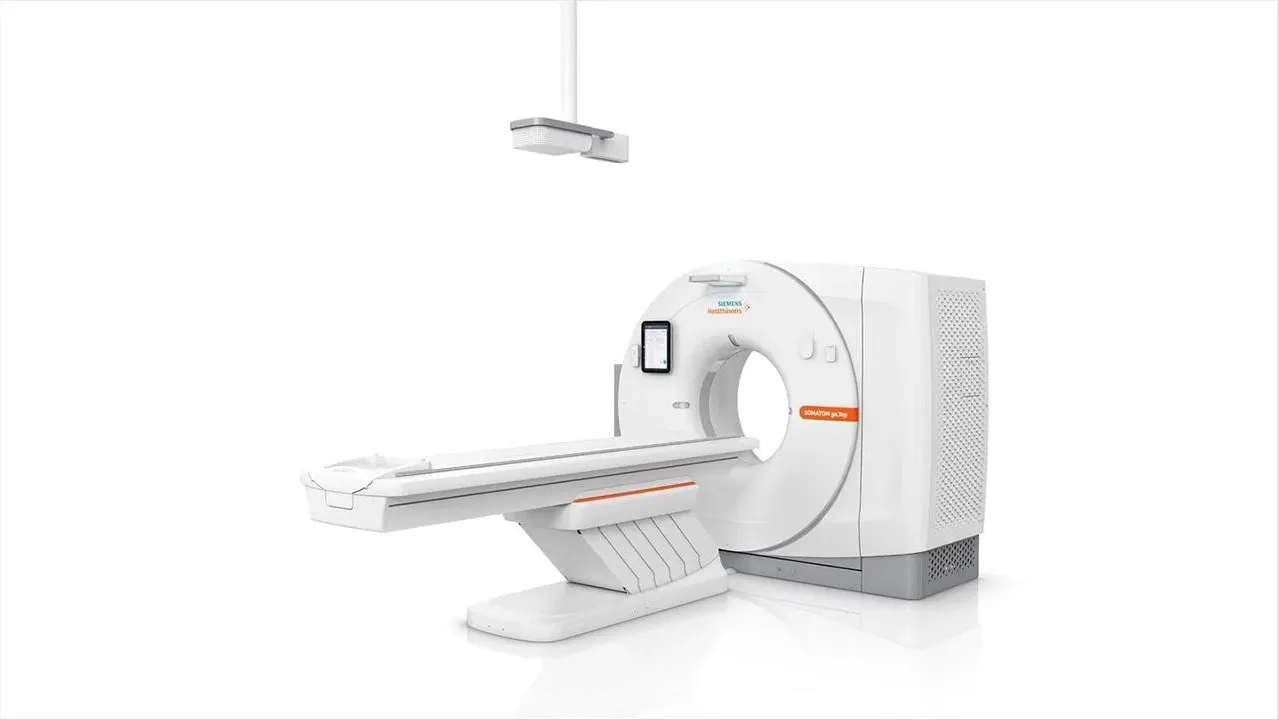
SOMATOM go.Now CT
About This Technology
SOMATOM go.Now is one of the computed tomography scanners in daily service at Biruni Hospital, and it is built for the questions that cannot wait. A CT scan answers in seconds what an examination alone cannot: whether a headache hides a bleed, whether a fall broke a vertebra, whether abdominal pain is a stone, an inflamed appendix or something else entirely.
Two scanners, two jobs
Biruni Hospital runs more than one CT system, and honesty about the division of labor helps you understand your own appointment. SOMATOM go.Now is the fast, dose-disciplined workhorse for everyday and emergency imaging of the head, neck, chest, abdomen and spine. The hospital's SOMATOM Force system takes on the most demanding studies, including advanced cardiac imaging and protocols where its dual-source design earns its place. Which scanner you meet is a radiology decision made for your case, not an upgrade to request.
Speed is a clinical feature
The scan itself takes seconds, and the manufacturer's FAST workflow automates positioning so the whole visit stays short. In trauma and stroke care that speed is not comfort, it is medicine: treatment decisions wait for the image, so the sooner the image exists, the sooner treatment starts. The same speed serves patients who find scanners claustrophobic, because the time inside the gantry is brief and the bore is open at both ends.
Radiation dose, especially for children
CT uses more radiation than a plain X-ray, which is exactly why modern scanners are engineered around dose control and why a CT is ordered when the answer justifies it. The system runs dose-optimized protocols sized to the patient, which matters most for children and for people whose treatment requires imaging again and again, such as cancer follow-up. If you have had recent scans elsewhere, bring the reports and discs: an existing image that answers the question is a scan you do not need to repeat.
What the examination is like
You lie on the table, the table moves through the ring, and the acquisition itself is over in seconds; most appointment time is preparation. Some studies need contrast dye through a vein, which produces a brief warm sensation and requires a short wait afterward. The images are read by radiologists and delivered to you as a written report with the study itself, so a physician anywhere, including the one who ordered the scan back home, can review exactly what was seen.
Other Technologies
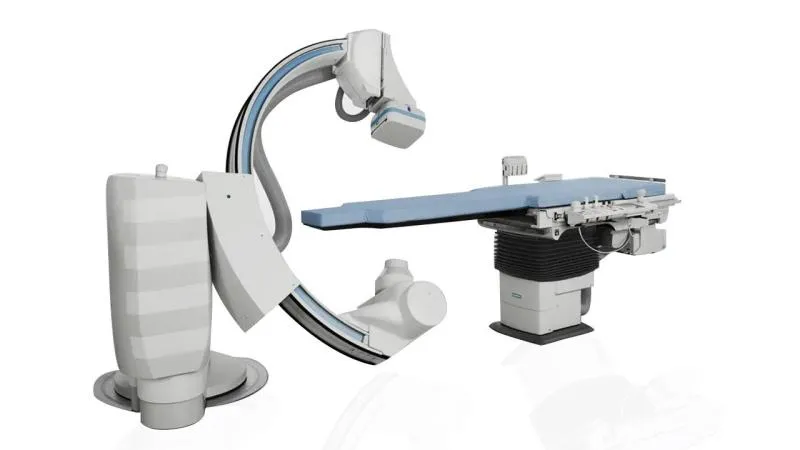
Artis zee Pure Angiography
Angiography system in the cardiac catheterization laboratory at Biruni Hospital, used to image the heart's vessels and to treat blockages in the same session where appropriate.
Learn more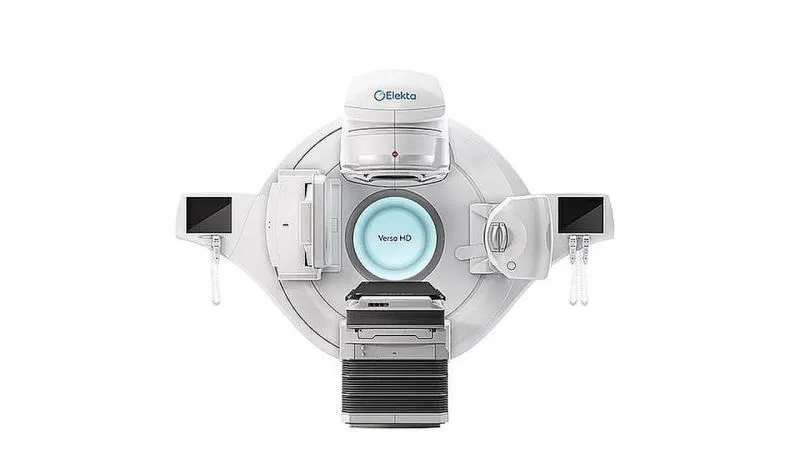
Elekta Versa HD
Linear accelerator used for external radiotherapy at Biruni Hospital, shaping high-dose radiation to the tumor while sparing the healthy tissue around it.
Learn more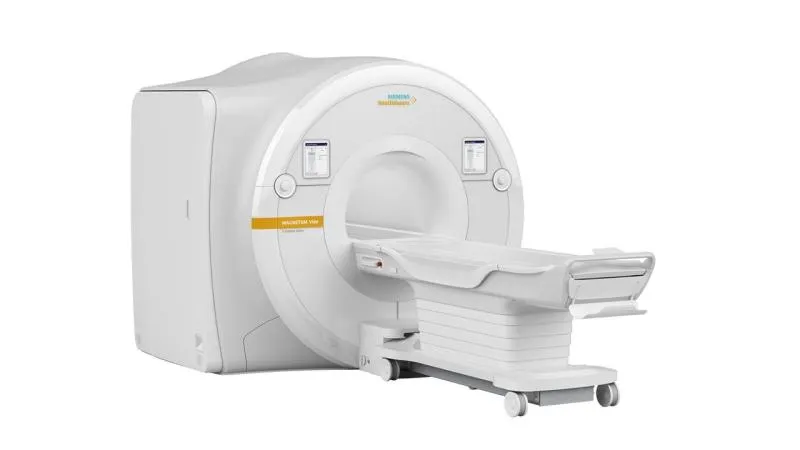
MAGNETOM Vida 3T MRI
High-field 3 Tesla MRI delivering exceptional image clarity with faster, quieter scans.
Learn more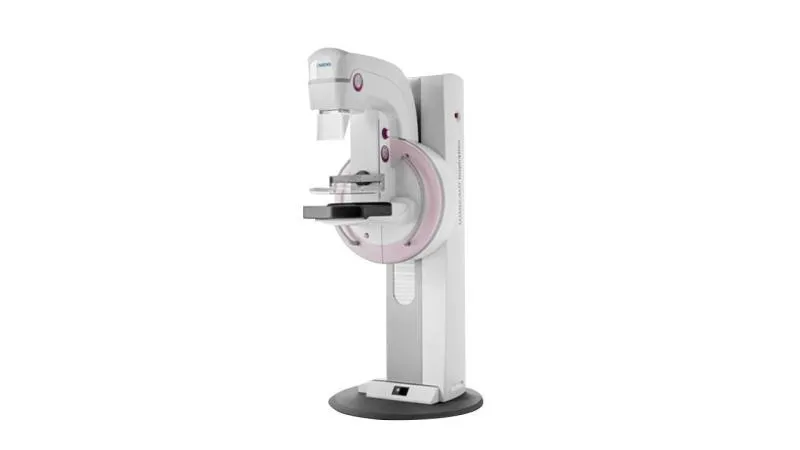
MAMMOMAT Inspiration
Digital mammography system used at Biruni Hospital for breast cancer screening and diagnostic imaging, combining low radiation dose with comfort-focused compression.
Learn more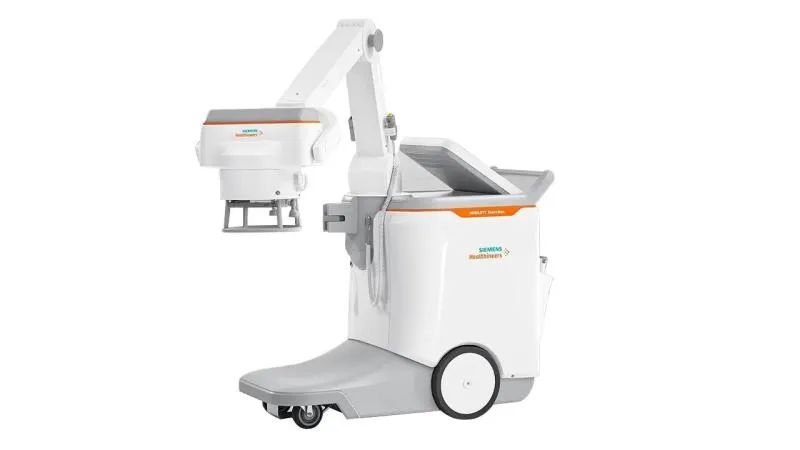
MOBILETT Elara Max
Mobile X-ray system that brings imaging to the bedside in intensive care, the operating room and the emergency department, so patients who cannot be moved are not moved.
Learn more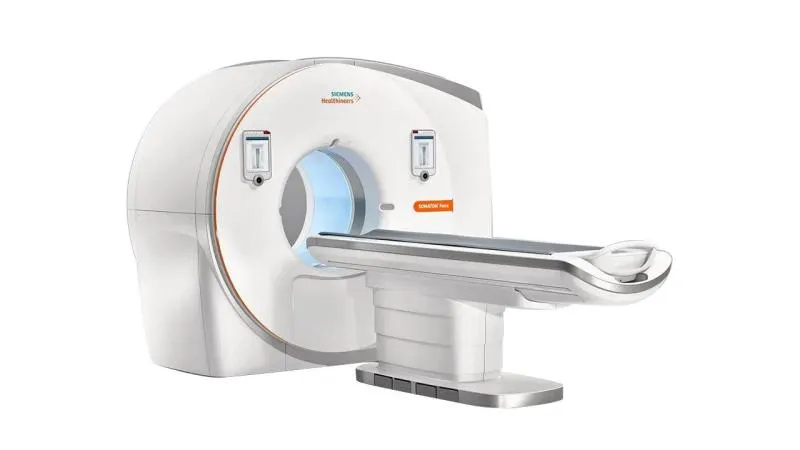
SOMATOM Force CT
Dual-source CT enabling ultra-low-dose imaging at remarkable speed and detail.
Learn more