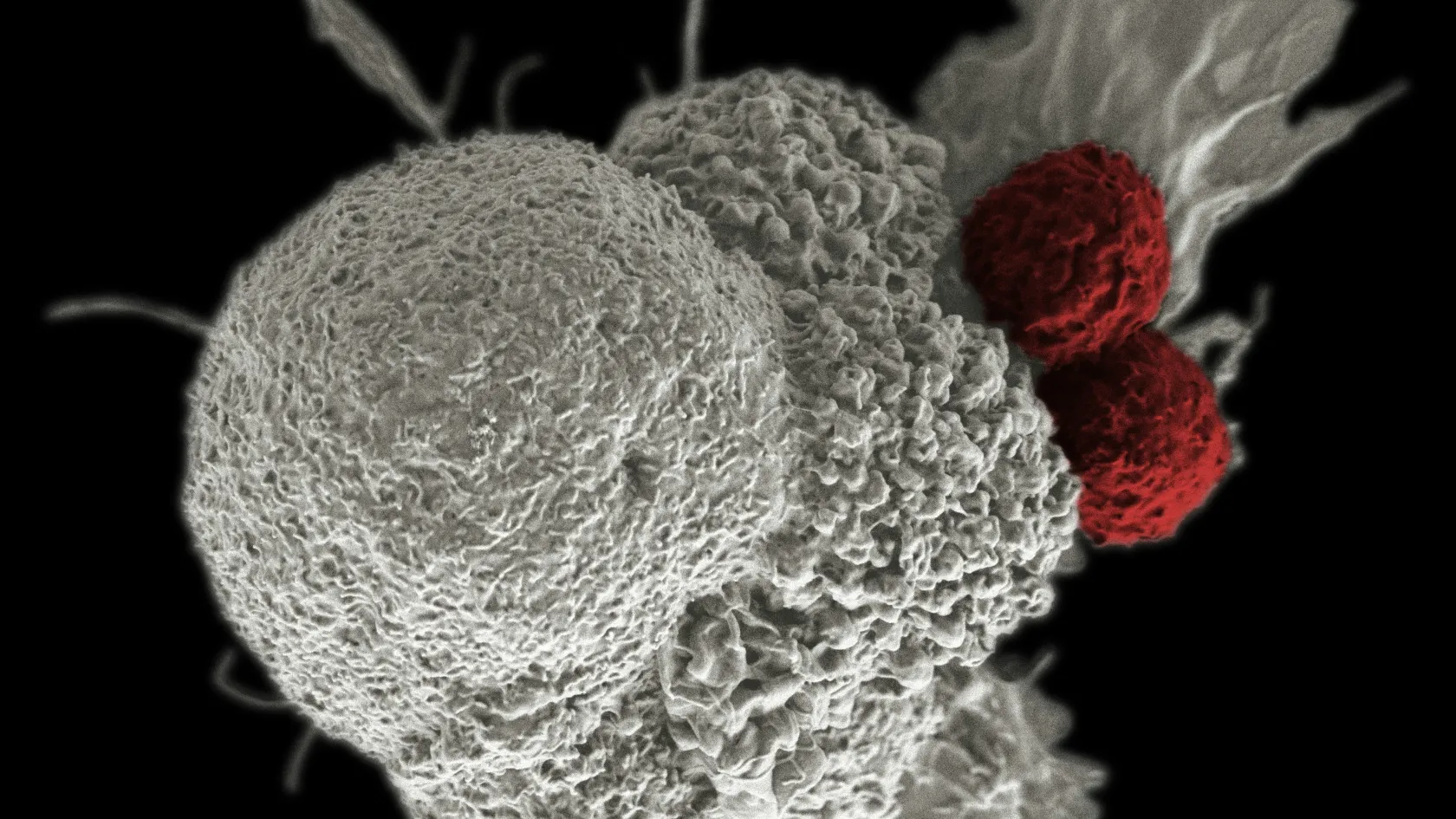
Targeted Cancer Therapy - Precision Cancer Treatment
Targeted cancer therapy blocks the specific gene change or protein that drives a cancer, such as EGFR or ALK in lung cancer, HER2 in breast cancer or BCR-ABL in leukemia, mostly with tablets taken at home. Matched to the right marker, it works far better than unselected treatment. Our oncologists test the tumor first, choose the drug, manage side effects and follow you once you are back home.
About This Department
Medical Oncology
Chemotherapy attacks every fast-dividing cell. Targeted therapy aims at the one fault that drives a particular cancer.
Targeted cancer therapy, also called precision cancer treatment, uses drugs designed to block a specific gene change or protein that a cancer depends on, such as an EGFR or ALK mutation in lung cancer, HER2 in breast cancer or BCR-ABL in chronic myeloid leukemia. Patients take most of them as tablets at home, and others as antibodies by drip. When the drug matches the target, the results are striking. Among patients with chronic myeloid leukemia who started imatinib, 83.3 percent were alive ten years later (Hochhaus and colleagues, New England Journal of Medicine, 2017), and across 570 trials covering 32,149 patients, matching the drug to a biomarker tripled the response rate compared with treatment not matched to one (Schwaederle and colleagues, 2015). Everything depends on finding the target first, through tumor testing. This page explains how targeted therapy differs from chemotherapy and immunotherapy, the main drug families, how the target is found, the cancers treated this way, resistance, side effects, taking tablets at home, and how patients from abroad arrange treatment at Biruni Hospital in Istanbul.
83.3
Percent of patients with chronic myeloid leukemia alive ten years after starting imatinib
31
Percent median response rate when the drug was matched to a biomarker, against 10.5 percent without matching
18.9
Months before EGFR-mutated lung cancer grew on osimertinib, against 10.2 months on older tablets
Free
Review of your pathology and gene test results by the medical oncology team
Every cancer grows because of changes in its genes. Some of those changes switch on a protein that keeps telling the cell to divide, like a stuck accelerator. A targeted drug fits that protein and blocks it, while leaving most normal cells alone. The idea became real in 2001, when imatinib turned chronic myeloid leukemia from a fatal disease into one most patients live with for decades.
How it differs from other treatments
Targeted therapy works only when the target is present. That is why testing comes before treatment.
Chemotherapy, targeted therapy and immunotherapy
Treatment
How it works
Who it suits
Chemotherapy
Kills dividing cells, cancerous or not
Most cancers, with or without a target
Targeted therapy
Blocks a specific driver protein in the cancer
Cancers carrying that target
Immunotherapy
Releases the immune system to attack the cancer
Cancers the immune system can recognize, guided by markers such as PD-L1 and MSI
Kinds of targeted drug
The main families
Family
How it works
Examples
Kinase inhibitors, tablets
Block growth-signal enzymes inside the cell
Osimertinib, alectinib, imatinib, dabrafenib
Monoclonal antibodies, drip
Block a receptor on the cell surface
Trastuzumab, cetuximab, bevacizumab
Antibody-drug conjugates, drip
Antibody carrying chemotherapy to the cancer cell
Trastuzumab deruxtecan, sacituzumab govitecan
PARP inhibitors, tablets
Exploit faulty DNA repair, as in BRCA mutations
Olaparib, niraparib
CDK4/6 inhibitors, tablets
Stop hormone-driven breast cancer cells dividing
Palbociclib, ribociclib, abemaciclib
Blood cancer targets, tablets
Block BTK, BCL2 or other survival signals
Ibrutinib, venetoclax
Names ending in -nib are small-molecule tablets. Names ending in -mab are antibodies.
Several of these drugs are covered in detail on their own pages, including BRAF inhibitors, trastuzumab, pertuzumab, sacituzumab govitecan and anti-angiogenic therapy.
Finding the target
The target is found in the tumor tissue from a biopsy or operation, or in tumor DNA circulating in the blood. Some targets are proteins seen by staining the tissue, such as HER2 in breast and stomach cancer. Most are gene changes read by next generation sequencing, a test that reads hundreds of genes at once.
1
Test before treating
In advanced lung, bowel, breast, prostate, ovarian and bile duct cancer, guidelines recommend broad gene testing before the first treatment decision. Starting chemotherapy before the result arrives can mean missing a tablet that works better, and waiting two weeks for the result is usually worth it.
Why matching matters
Across malignancies, a personalized strategy was an independent predictor of better outcomes and fewer toxic deaths, and nonpersonalized targeted therapies were associated with significantly poorer outcomes than cytotoxic agents (Schwaederle and colleagues, Journal of Clinical Oncology, 2015).
Matched and unselected treatment in 570 phase 2 trials
Measure
Matched to a biomarker
Not matched
Median response rate
31 percent
10.5 percent
Median time before growth
5.9 months
2.7 months
Median survival
13.7 months
8.9 months
Treatment-related deaths
1.5 percent
2.3 percent
1
The lesson
A targeted drug given without its target performs worse than chemotherapy. In that analysis, targeted drugs given without their marker produced a 4 percent response rate against 30 percent when matched.
Precision treatment therefore starts with the test, and the drug choice follows the result.
Precision is not a guarantee
Not every tumor has a target.
In lung adenocarcinoma, well over half of patients carry a gene change with a matched drug, in pancreatic cancer only a small minority, and in many cancers the answer lies in between. Even when a target is found, the evidence behind it varies, from drugs proven in large randomized trials to findings that only suggest a clinical trial. Responses to a targeted drug are sometimes dramatic, with tumors shrinking within weeks and symptoms easing within days, and in advanced disease they still end for the majority when resistance develops. Honest planning weighs all of this, and for many patients the best treatment combines a targeted drug with surgery, radiation, chemotherapy or immunotherapy.
Targeted therapy by cancer
Common targets and their drugs
Cancer
Target
Drugs
Lung adenocarcinoma
EGFR, ALK, ROS1, BRAF, KRAS G12C, MET, RET, HER2
Osimertinib, alectinib, lorlatinib, sotorasib and others
Breast cancer
HER2, hormone receptors with CDK4/6, PIK3CA, BRCA
Trastuzumab, ribociclib, alpelisib, olaparib
Bowel cancer
RAS wild type, BRAF V600E, HER2
Cetuximab, panitumumab, encorafenib
Melanoma
BRAF V600
Dabrafenib with trametinib
Ovarian and prostate cancer
BRCA and repair genes
Olaparib, niraparib
Kidney and liver cancer
VEGF receptors
Cabozantinib, lenvatinib
Gastrointestinal stromal tumor
KIT, PDGFRA
Imatinib, ripretinib
Chronic myeloid leukemia
BCR-ABL
Imatinib, dasatinib, nilotinib
Chronic lymphocytic leukemia
BTK, BCL2
Ibrutinib, acalabrutinib, venetoclax
1
Chronic myeloid leukemia
A single fused gene, BCR-ABL, drives the disease, and imatinib blocks it. The tablet changed the outlook of an entire cancer.
Among the patients in the imatinib group, the estimated overall survival rate at 10 years was 83.3 percent, and long-term administration was not associated with unacceptable cumulative or late toxic effects (Hochhaus and colleagues, 2017).
2
Breast cancer
HER2-targeted antibodies, CDK4/6 inhibitors with hormone therapy and PARP inhibitors for BRCA carriers now shape treatment at every stage, from before surgery to spread disease.
The same drug can work in very different organs when the target is the same.
3
Blood cancers
BTK and BCL2 tablets have replaced chemotherapy for many patients with chronic lymphocytic leukemia and some lymphomas.
Lung cancer, the clearest example
The median progression-free survival was significantly longer with osimertinib than with standard EGFR tablets, 18.9 months against 10.2 months, with lower rates of serious adverse events, 34 percent against 45 percent (Soria and colleagues, 2018).
1
The brain
Lung cancer spreads to the brain often. Newer tablets cross into the brain well, and in the CROWN trial lorlatinib shrank measurable brain metastases in 82 percent of patients with ALK-positive cancer, against 23 percent on crizotinib.
Patients with EGFR or ALK mutations now live for years on successive tablets, many without chemotherapy for long periods. These mutations are more common in people who never smoked, and in women, so every patient with lung adenocarcinoma is tested regardless of smoking history.
First-line tablets in lung cancer
Trial
Comparison
Result
FLAURA, EGFR
Osimertinib against gefitinib or erlotinib
Time before growth 18.9 against 10.2 months
CROWN, ALK
Lorlatinib against crizotinib
Alive without growth at 12 months 78 against 39 percent
Resistance
Cancers adapt. Under the pressure of a targeted drug, a few cells with a new mutation survive and grow, or the cancer switches to a different growth pathway. In advanced disease this happens sooner or later in most patients, after months or years.
What happens when the tablet stops working?
A new biopsy or a blood test finds the reason. A second mutation in the same gene may respond to a newer drug of the same family, a new pathway may have its own targeted drug, and some cancers need chemotherapy or a combination next. Growth in one spot only can be treated with radiation or surgery while the tablet continues.
Resistance is the reason treatment plans include regular scans and, at progression, a repeat test.
What happens next
1
Sequencing the drugs
Oncologists plan the order of targeted drugs so that each one keeps options open for the next. In some cancers, a combination from the start delays resistance.
Side effects
Skin rash, dry skin and nail fold infections with EGFR drugs.
Diarrhea, the commonest shared side effect.
High blood pressure and protein in the urine with drugs that block blood vessel growth.
Side effects by drug family
Family
Typical side effects
What helps
EGFR tablets
Acne-like rash, diarrhea, sore nail folds
Creams, antibiotics for the skin, loperamide
ALK tablets
Swelling, raised cholesterol, weight gain, mood changes
Lipid-lowering drugs, dose adjustment
VEGF-blocking drugs
High blood pressure, sore hands and feet, tiredness
Blood pressure tablets, skin care
HER2 antibodies
Rare weakening of heart muscle
Heart scans every three months
PARP inhibitors
Tiredness, low blood counts, nausea
Blood tests, dose adjustment
CDK4/6 inhibitors
Low white cell count, diarrhea
Regular counts, planned breaks
Side effects are different from chemotherapy, often milder, and last as long as the tablet is taken. Most are managed without stopping treatment.
Taking tablets at home
1
The routine
Most targeted tablets are taken once or twice a day, some with food and some on an empty stomach, at the same time each day. Blood tests and a clinic visit every few weeks at first, then monthly, and scans every two to three months.
Common interactions
Substance
Effect
Advice
Grapefruit and Seville orange
Raise drug levels
Avoid during treatment
Stomach acid reducers
Lower absorption of some tablets
Check timing with the pharmacist
St John's wort and some antibiotics or antifungals
Raise or lower drug levels
Check every new medicine first
A missed dose is usually skipped, never doubled. The instruction sheet for each drug says exactly what to do.
Keep a diary of doses and side effects. Bring it to every visit, together with the tablets you are taking, including herbal remedies.
Living on long-term tablets
Some patients take a targeted tablet for many years.
Life goes on. Work, travel and family life continue. The routine becomes habit, with blood tests at home and scans every few months, and the oncologist adjusts the dose to keep side effects small enough to live with. Planning travel around tablet supply, time zones and blood test dates becomes part of life. Pregnancy has to be avoided on most targeted drugs.
For patients from abroad
1
Length of stay and fitness to fly
One to two weeks for the first visit covers consultation, any missing tests, a biopsy if needed and the first days of treatment under observation. Patients are fit to fly once early side effects are settled, and tablets are dispensed for the journey and the first months.
Your coordinator
One coordinator from the international patients office handles arrangements from the first message through discharge and answers the same WhatsApp number once you are back home. The office works in English, Arabic, French, Russian, Serbian, Romanian and Spanish and books interpreters for other languages, and it arranges the visa invitation letter, airport transfers, daily transport and accommodation near the hospital. Halal, vegetarian and diabetic meals, a prayer room on site, and a female physician on request wherever the rota allows.
Targeted tablets suit patients who live far away. After the first visit, blood tests are done at home and sent to us, scans are reviewed remotely or on return visits every two to three months, and our oncologist remains in contact with your local doctor. Before the first visit we need the pathology report, any gene test results, recent scans as image files and a summary of treatment so far. If no gene test has been done, the tissue blocks can be sent ahead for testing.
Cost
Targeted drugs are among the more expensive cancer treatments, and the price depends on the drug, the dose and how long it is taken. Tablets are priced by the month, antibodies by the dose. Generic versions of older drugs such as imatinib cost far less.
What a quote for targeted therapy covers
Item
Included
Priced separately
The drug
A month of tablets, or each antibody dose
Additional months dispensed for travel
Monitoring
Consultation, routine blood tests
Scans, heart and eye checks
Testing
Review of existing results
Gene testing, biopsy
1
Comparing quotes
Compare the same drug, dose and number of months, and ask whether the monitoring you will need is included.
References
Hochhaus A, Larson RA, Guilhot F, et al. Long-term outcomes of imatinib treatment for chronic myeloid leukemia. N Engl J Med. 2017;376(10):917-927.
Schwaederle M, Zhao M, Lee JJ, et al. Impact of precision medicine in diverse cancers. A meta-analysis of phase II clinical trials. J Clin Oncol. 2015;33(32):3817-3825.
Soria JC, Ohe Y, Vansteenkiste J, et al. Osimertinib in untreated EGFR-mutated advanced non-small-cell lung cancer. N Engl J Med. 2018;378(2):113-125.
Shaw AT, Bauer TM, de Marinis F, et al. First-line lorlatinib or crizotinib in advanced ALK-positive lung cancer. N Engl J Med. 2020;383(21):2018-2029.
Editor's note
Written by the Biruni Hospital medical editorial team. Reviewed by Prof. Dr. Özcan YILDIZ, Medical Oncology.