
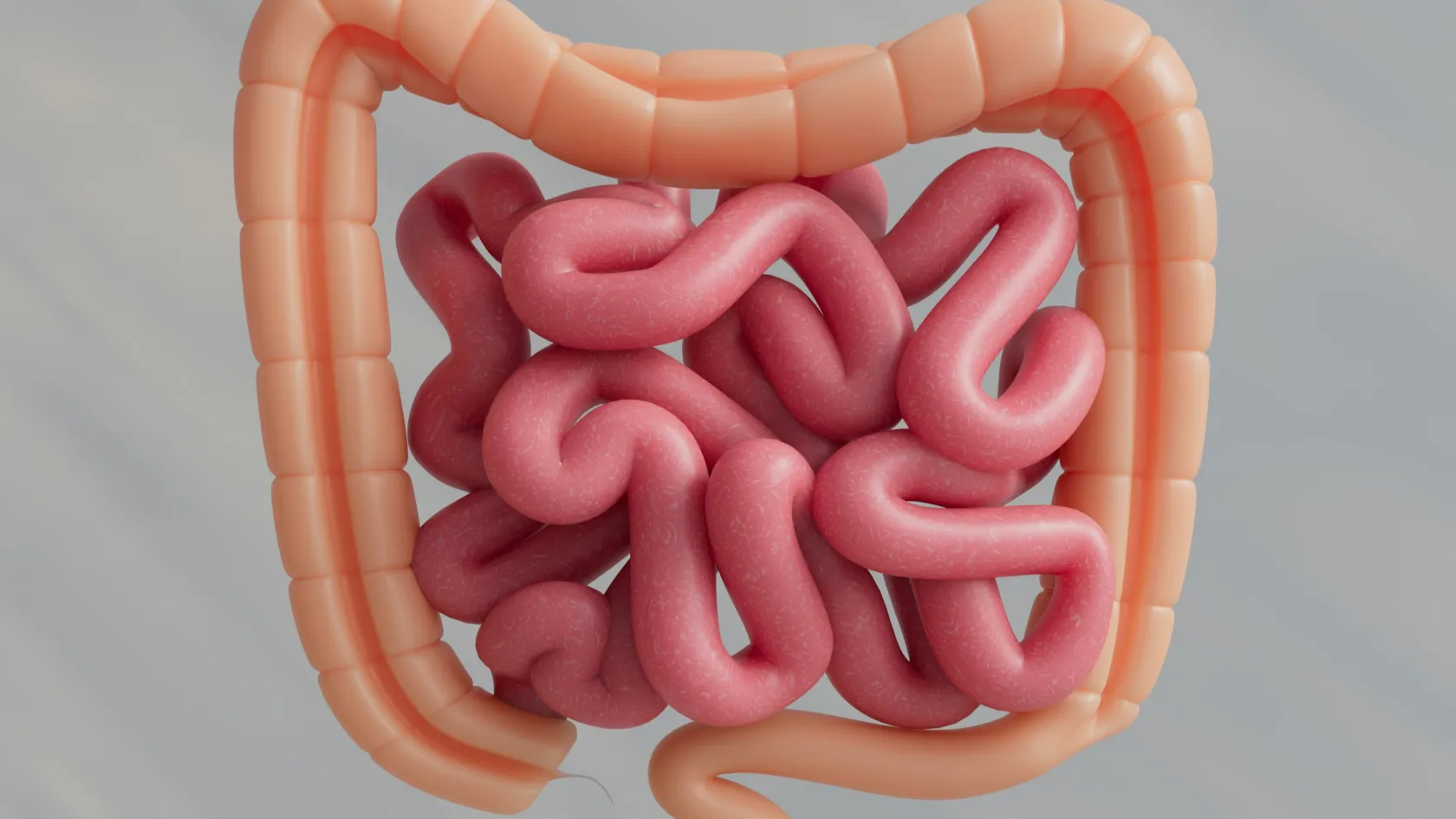
Pediatric Colon Surgery
Pediatric colon surgery treats conditions of the large bowel, rectum and anus in babies, children and teenagers, including Hirschsprung disease, anorectal malformations, ulcerative colitis, familial polyposis and bowel emergencies. At Biruni Hospital in Istanbul, our pediatric surgeons perform pull-through, PSARP and ileal pouch operations, plan staged surgery and temporary stomas, and run bowel management with video follow-up for families abroad.
About This Department
Children's colon and rectal conditions need surgeons who plan for the decades ahead. Pediatric colon surgery aims for a child who is clean, continent and free of a stoma.
Pediatric colon surgery covers operations on the large bowel, rectum and anus in babies, children and teenagers, from Hirschsprung disease and anorectal malformations in the newborn to ulcerative colitis, familial polyposis and bowel emergencies in older children. Each condition has its own operation, and the long-term goal is the same for all of them, normal bowel control in a growing child. In Hirschsprung disease, a review of 792 children found that the transanal pull-through shortened the hospital stay by seven days and lowered soiling and constipation compared with the older abdominal operations (Chen and colleagues, Journal of Pediatric Surgery, 2013). For children who need the colon removed, a review of 763 young patients found pouch loss in 10.6 percent of those with ulcerative colitis and 1.5 percent of those with polyposis (Drews and colleagues, Journal of Pediatric Surgery, 2019). This page explains the main conditions, the operations, staged surgery and stomas, enterocolitis, bowel management, emergencies, and how families from abroad arrange pediatric colon surgery at Biruni Hospital in Istanbul.
What the operations cover
Children are not small adults. Their colon surgery is planned around growth, toilet training, school and the years until adulthood.
Many of these conditions are found in the first days of life, and early referral to a pediatric surgeon shapes the result.
| Condition | Age at diagnosis | Main operation |
|---|---|---|
| Hirschsprung disease | Newborn or infant | Pull-through |
| Anorectal malformation | At birth | Anoplasty or posterior sagittal anorectoplasty |
| Ulcerative colitis | School age and teenagers | Colectomy with ileal pouch |
| Familial adenomatous polyposis | Teenagers | Colectomy with ileal pouch or ileorectal joining |
| Intussusception, volvulus, perforation | Any age | Emergency surgery |
Hirschsprung disease
| Age | What parents notice | What it means |
|---|---|---|
| First two days | No meconium, swollen belly, green vomiting | Bowel blocked at the end |
| Infancy | Severe constipation, poor weight gain | Short affected segment |
| Any time | Fever, swollen belly, foul diarrhea | Enterocolitis, an emergency |
How is the diagnosis confirmed?
The pull-through operation
| Outcome | Transanal | Abdominal operations |
|---|---|---|
| Operating time | 58 minutes shorter | Longer |
| Hospital stay | Seven days shorter | Longer |
| Soiling and constipation later | Lower, odds near half | Higher |
| Enterocolitis | No difference | No difference |
The pull-through removes the bowel without nerve cells and brings healthy bowel down to just above the anus, keeping the sphincter muscles intact.
Long segment disease adds a laparoscopic step to free the colon from above.
Enterocolitis after Hirschsprung surgery
Total colonic disease carries the highest risk, 26.1 percent before surgery.
At home
What should we do if we see these signs?
Anorectal malformations
| Type | Who | First step |
|---|---|---|
| Perineal fistula | Boys and girls | Anoplasty in the newborn period |
| Rectourethral or bladder fistula | Boys | Colostomy, repair at one to three months |
| Vestibular fistula | Girls | Repair in the first months |
| Cloaca, one shared opening | Girls | Colostomy, complex repair later |
The type of malformation and the quality of the sacrum and spine predict future bowel control better than any single test.
Rebuilding the anus
- Closing the fistula.
- Placing the rectum in the center of the sphincter muscle complex, where the muscles can squeeze it shut.
- Creating a new anus of the right size for age.
| Step | Timing | Purpose |
|---|---|---|
| Colostomy | First days of life | Protects the repair, allows imaging |
| Distal colostogram | Before repair | Shows the fistula exactly |
| PSARP | One to three months of age | Rebuilds the anus |
| Anal dilatations | From two weeks after repair | Prevent narrowing |
| Colostomy closure | Once the anus reaches target size | Restores normal stool passage |
Laparoscopic help is added when the rectum sits high, near the bladder neck.
Bowel management
Surgery does half the work.
Many children after anorectal malformation repair or Hirschsprung pull-through stay constipated or soil their underwear, and a structured bowel management program keeps them clean and in normal underwear at school, with a daily enema, a laxative adjusted week by week against abdominal X-rays, fiber and diet, all planned by the surgical team and the family together. A systematic review of programs run by video and telephone found that more than three quarters of families were satisfied, that bowel scores and quality of life improved, and that laxative use fell (Bokova and colleagues, Children, 2024). For older children who manage the enemas themselves, a small channel to the appendix, the Malone procedure, lets them flush the colon from above while sitting on the toilet. Families who live far away gain the most from this model.
We start it before school age.
Most families reach the goal, a clean child at school, within the first week of an intensive program.
Ulcerative colitis and polyposis
| Complication | Ulcerative colitis | Familial polyposis |
|---|---|---|
| Pouch loss | 10.6 percent | 1.5 percent |
| Leak from the joining | 4.9 percent | 8.7 percent |
| Pouchitis, inflammation of the pouch | 36.4 percent | Uncommon |
When surgery is needed
Familial adenomatous polyposis causes hundreds of colon polyps that turn into cancer without treatment. Colectomy is planned in the teenage years according to the number and size of polyps, with yearly colonoscopy until then.
Staged operations
| Approach | Operations | Note |
|---|---|---|
| Three stage | Colectomy and ileostomy, then pouch with protective ileostomy, then closure | Lowest leak rate in children on biologics |
| Modified two stage | Colectomy and ileostomy, then pouch without protective stoma | Higher leak rate in children |
| Two stage | Colectomy and pouch with ileostomy, then closure | Children in good condition |
A temporary stoma
- Our stoma nurses teach parents bag changes, skin care and the warning signs of problems before discharge.
- Babies feed, grow, crawl and bathe with a stoma.
- Older children attend school, swim with a waterproof cover and take part in sport.
| Issue | What to do | When to call |
|---|---|---|
| Sore skin around the stoma | Barrier powder, correct bag size | Bleeding or deep breakdown |
| High output | Extra fluids, adjust diet | Dry diaper, lethargy |
| Stoma changes color or sinks | Check the bag fit | Dark or black stoma, call at once |
Bowel emergencies
| Condition | Typical age | Treatment |
|---|---|---|
| Intussusception | Six months to three years | Air enema first, surgery if it fails |
| Volvulus | Any age | Emergency untwisting and fixation |
| Necrotizing enterocolitis | Premature babies | Medical care, surgery for perforation |
| Perforation or abscess | Any age | Surgery or drainage |
Green vomiting in a baby is a surgical emergency until proven otherwise.
How is intussusception treated without surgery?
Our neonatal and pediatric intensive care units support these children before and after surgery.
Laparoscopic and transanal surgery
The approach follows the condition, the child's size and earlier operations. Scar size never comes before safety or function.
Preparing your child
Children cope better when they know what to expect.
Toddlers and school children understand simple words, a tummy operation, a bag for a while, a doctor checking the bottom, and our play specialists use dolls with stomas and drawings to explain each step, while teenagers with colitis or polyposis join every discussion, see the stoma nurse before surgery and meet the dietitian to plan eating after the pouch is made. Parents stay with the child during induction of anesthesia and in the room throughout the stay.
Honest answers build trust.
For families from abroad
| Condition | Visits | Time between |
|---|---|---|
| Hirschsprung, short segment | One | None |
| Anorectal malformation with colostomy | Two or three | One to three months |
| Ulcerative colitis, three stage | Three | Two to six months |
Stoma supplies for the first weeks are given at discharge, with brand names so you can buy the same products at home.
Cost
| Item | Included | Priced separately |
|---|---|---|
| Surgery | Pediatric surgeon, anesthesia, operating room, frozen section | Later stages and stoma closure |
| Hospital | Ward stay and intensive care as planned | Extra days |
| Aftercare | Dilators, first stoma supplies, video follow-up | Bowel management supplies |
What changes the price
| Factor | Effect | Example |
|---|---|---|
| Number of stages | Each stage is quoted | Three stage colitis surgery |
| Laparoscopy | Equipment cost | Long segment Hirschsprung |
| Intensive care | Days needed | Newborns and emergencies |
We send a written quote after reviewing reports and imaging, before you travel.
Prices are not published because each child's plan differs in the number of stages, the days in intensive care and the supplies needed after discharge.
References
- Chen Y, Nah SA, Laksmi NK, et al. Transanal endorectal pull-through versus transabdominal approach for Hirschsprung's disease. A systematic review and meta-analysis. J Pediatr Surg. 2013;48(3):642-651.
- Hagens J, Reinshagen K, Tomuschat C. Prevalence of Hirschsprung-associated enterocolitis in patients with Hirschsprung disease. Pediatr Surg Int. 2022;38(1):3-24.
- Drews JD, Onwuka EA, Fisher JG, et al. Complications after proctocolectomy and ileal pouch-anal anastomosis in pediatric patients. A systematic review. J Pediatr Surg. 2019;54(7):1331-1339.
- Luo WY, Singh S, Cuomo R, Eisenstein S. Modified two-stage restorative proctocolectomy with ileal pouch-anal anastomosis for ulcerative colitis, a systematic review and meta-analysis of observational research. Int J Colorectal Dis. 2020;35(10):1817-1830.
- Bokova E, Elhalaby I, Saylors S, Lim IIP, Rentea RM. A systematic review of telehealth utilization for bowel management programs in pediatric colorectal surgery. Children (Basel). 2024;11(7):786.
Editor's note
Written by the Biruni Hospital medical editorial team. Reviewed by Didem Yayla Karakurt, Pediatric Health and Diseases.
Medically reviewed by

Didem Yayla Karakurt
Pediatric Health and Diseases
Related Treatments
View All
Appendectomy For Children - Pediatric Appendix Surgery
Appendicitis is the commonest reason for emergency abdominal surgery in children, and a child with the warning signs needs an emergency department the same day. This guide covers the signs to watch for, diagnosis with ultrasound, keyhole surgery against antibiotics alone, perforated appendicitis, recovery and what families in Istanbul need to know.
Biliary Atresia Surgery
Biliary atresia blocks the bile ducts of a newborn, and the Kasai operation restores bile flow in about half of babies, best when done in the first weeks of life. This guide covers the warning signs of pale stools and lasting jaundice, diagnosis, the Kasai, results in expert centers, liver transplant, stool color screening and the stay.
Circumcision Surgery
Circumcision removes the foreskin for religious, cultural or medical reasons, in babies, boys and adults. With a trained surgeon and proper pain relief, complications are rare and lowest in the first year of life. This guide covers the reasons, the best age, pain relief, techniques, health effects from the main studies, healing and the short stay in Istanbul.

Hepatoblastoma Surgery - Liver Cancer Surgery Child
Hepatoblastoma surgery removes the most common liver cancer of young children, after cisplatin chemotherapy has shrunk the tumor. Depending on PRETEXT stage, the surgeon removes part of the liver or, when the tumor cannot be resected, replaces it with a living donor transplant. At Biruni Hospital in Istanbul, our pediatric oncology, liver surgery and transplant teams plan each child's treatment together, protect hearing during chemotherapy and follow every child with AFP tests.

Hydrocephalus Surgery Child
Hydrocephalus in children is treated with a shunt that drains fluid to the abdomen or with an endoscopic third ventriculostomy that needs no implant. Choosing the right treatment spares many children a lifelong shunt, and modern protocols cut shunt infection. This guide covers both operations, who suits each, signs of failure, results, follow-up and the stay.