Ninety-seven percent of 915 children with low-risk neuroblastoma were alive five years after treatment that, for the majority, meant surgery alone. Whether your child needs an operation now, after chemotherapy or not at all depends on the scan and the tumor's genetics, and this guide explains how that decision is made.
About This Department
Pediatric Surgery
Not every neuroblastoma needs an operation first. The scan and the tumor's biology decide when.
In a Children's Oncology Group study of 915 children with low-risk neuroblastoma, the majority treated with surgery alone, 97 percent were alive five years later. Send the MRI or CT, the MIBG scan, the biopsy report and the MYCN result, and our pediatric surgery and pediatric oncology team will tell you whether your child needs an operation now, after chemotherapy, or not at all.
97%
Alive at five years, 915 children with low-risk disease
81%
Babies under six months with a small adrenal mass spared surgery by watching
77%
High-risk tumors removed completely after chemotherapy, 1,531 children
Neuroblastoma grows from immature nerve cells of the sympathetic nervous system, the network that controls heart rate and blood pressure. Half of these tumors start in an adrenal gland above the kidney, and the rest along the spine in the abdomen, chest, neck or pelvis. The disease ranges from tumors in babies that shrink away without treatment to aggressive cancer that needs eighteen months of therapy, so the first job of the surgeon lies in deciding where on that range a child sits.
Surgery cures many children on its own.
What to send for a free review
MRI or CT images of the tumor as image files, with the radiologist's report, and the MIBG or PET scan if done.
The biopsy pathology report, the MYCN result and any further tumor genetics such as 11q or ploidy, plus urine catecholamine levels (VMA and HVA) and a recent blood count.
A short note of any chemotherapy already given. A pediatric surgeon and a pediatric oncologist read the file together, and the coordinator sends their written opinion back in your language.
How do surgeons decide whether and when to operate?
Three facts set the plan. The child's age at diagnosis, the stage, and the biology of the tumor cells, above all whether the MYCN gene has multiplied (MYCN amplification), sort children into low, intermediate and high-risk groups, and each group treats surgery differently.
The three risk groups in plain words
Low risk covers small tumors that have not spread, and the special pattern in babies called MS, where spread to skin and liver melts away on its own. Surgery alone, or watching, treats these children.
Intermediate risk covers larger tumors with favorable biology, and some babies with spread. Two to eight cycles of chemotherapy come first, then surgery for what remains.
High risk covers tumors with MYCN amplification and those that have spread in children over eighteen months. Treatment runs to eighteen months, and surgery forms one step in the middle of it.
Reading the scan before the operation
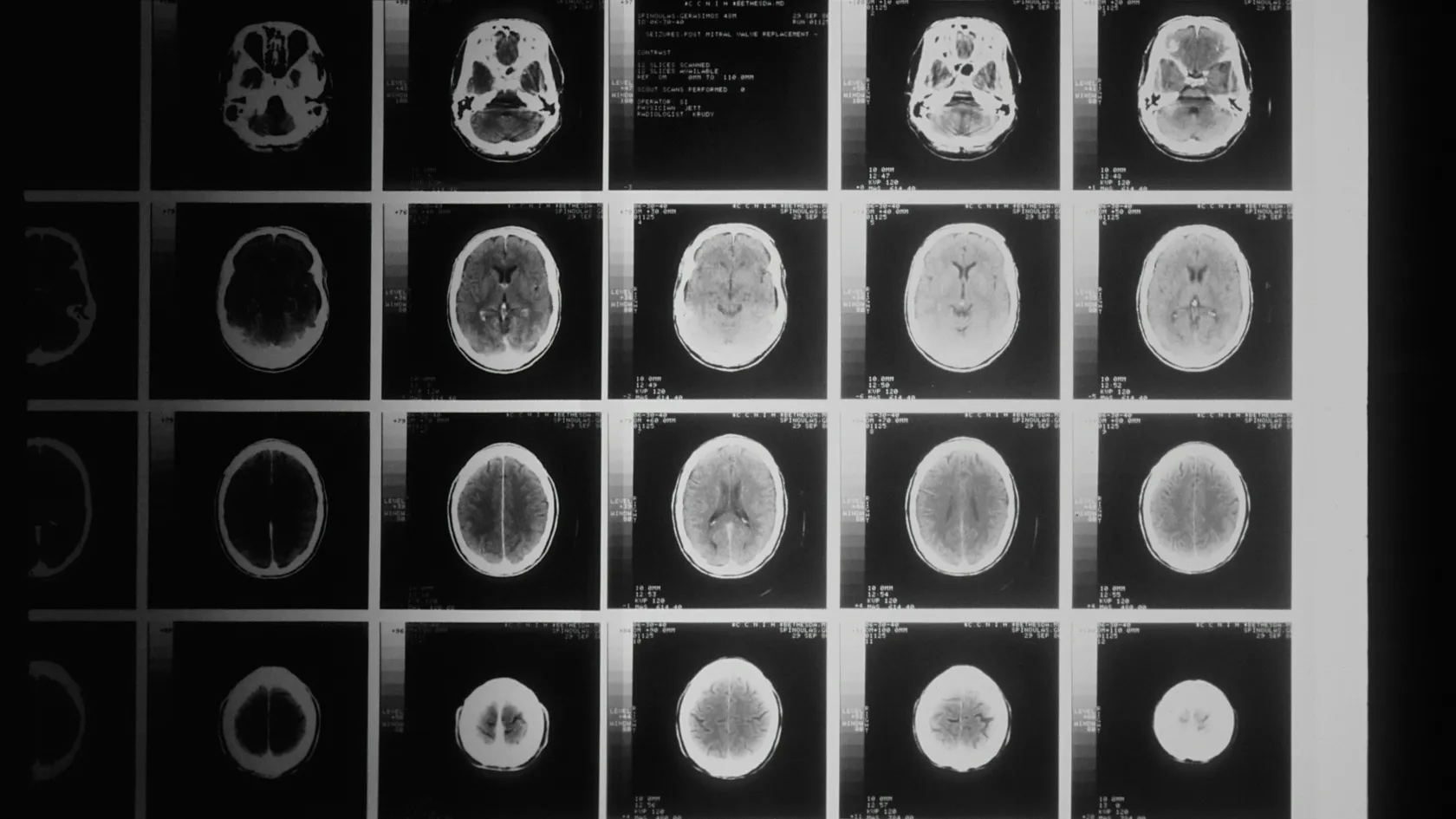
The international staging system judges a localized tumor by what the MRI or CT shows before anyone touches it. Radiologists look for image-defined risk factors, findings that make an operation at diagnosis dangerous.
This table scrolls sideways on a narrow screen. Swipe or drag to see every column.
Image-defined risk factors, examples by location
Location
What the scan shows
What it means for surgery
Abdomen
Tumor wrapped around the aorta, the celiac artery, the superior mesenteric artery or the vessels of a kidney
Chemotherapy first to shrink it, then vessel-sparing surgery
Chest
Tumor pressing on the windpipe or a main airway
Anesthesia risk is checked carefully, and chemotherapy comes first
Spine
Tumor growing through the gaps between vertebrae into the spinal canal
Joint planning with a neurosurgeon, and urgent chemotherapy if the legs weaken
Neck
Tumor around the carotid artery or the nerves to the arm
Delayed surgery once the tumor has shrunk
From scan to plan
1
Imaging
MRI or CT of the primary tumor, an MIBG scan for spread, and bone marrow samples from both hips.
2
Tumor biology
A biopsy, keyhole or needle, gives tissue for MYCN, 11q and ploidy. Results return within one to two weeks.
3
Tumor board
Pediatric surgeon, oncologist, radiologist, pathologist and radiation oncologist agree on the risk group and the order of treatment.
The new INRG Staging System includes two stages of localized disease, which are dependent on whether image-defined risk factors (IDRFs) are or are not present.
International Neuroblastoma Risk Group imaging consensus, Radiology, 2011
Biology outweighs size
A large tumor with favorable biology carries a better outlook than a small one with MYCN amplification. Size arrives first, from the scan. Genetics follow a week later from the biopsy, and that second result changes the plan far more than the first ever did.
When the answer is to wait
A small adrenal mass in a baby under six months rarely needs surgery. In a Children's Oncology Group study, 83 such infants were followed with ultrasound and urine tests for 90 weeks instead of having an operation, and they went to surgery only if the mass grew by half or the urine markers rose. Eighty-one percent never needed the operation, and every child was alive three years later.
Surgery by risk group
Each risk group gives the surgeon a different job.
This table scrolls sideways on a narrow screen. Swipe or drag to see every column.
Where surgery fits in each risk group
Risk group
Role of surgery
What the studies showed
Low
Removal at diagnosis when no image-defined risk factor is present, or watching in small infants
COG P9641, 915 children. Five-year survival 97 percent, and 99 percent for stage 1 tumors
Intermediate
Removal of what remains after chemotherapy
Three-year survival 96 percent in 479 children
High
Removal of the primary tumor after induction chemotherapy, before high-dose treatment
HR-NBL1/SIOPEN, 1,531 children. Complete removal in 77 percent, linked to better survival and fewer local relapses
For high-risk disease the operation sits inside a long sequence.
Induction chemotherapy, five to six cycles across four to five months, with the child's own stem cells collected from the blood partway through.
Surgery to remove the primary tumor and the affected nodes.
High-dose chemotherapy, then the stored stem cells returned.
Radiotherapy to the tumor bed.
Antibody immunotherapy against the GD2 marker on neuroblastoma cells, with isotretinoin, for five to six months.
What happens in the operating room?
Neuroblastoma surgery takes out the tumor while keeping the arteries and nerves it has grown around. In an abdominal tumor that has wrapped the aorta and its branches, the surgeon opens the tissue along the length of each artery and lifts the tumor off it piece by piece, a slow technique that can take six to ten hours and that keeps the kidneys and bowel supplied with blood. Complete removal of every visible piece makes the goal, and leaving a thin rim stuck to a vital vessel beats sacrificing that vessel, since chemotherapy and radiotherapy deal with what little remains.
Open and keyhole approaches
Small adrenal tumors without image-defined risk factors come out through three or four keyhole cuts by laparoscopy, and chest tumors of the same kind by thoracoscopy.
Children go home sooner and with less pain.
Larger tumors and any tumor around major vessels need an open operation, a transverse cut across the upper abdomen or a thoracotomy between the ribs. Chest tumors sit at the back of the chest beside the spine, and the surgeon works between the aorta, the sympathetic chain and the nerves to the ribs, taking particular care at the top of the chest where the nerves to the eye and arm run. Neck tumors come out through a cut in a skin crease. A tumor that has grown through the gaps between the vertebrae into the spinal canal, a dumbbell tumor, brings a pediatric neurosurgeon into the theater, and the two surgeons decide together whether the spinal part needs removing at all, because chemotherapy shrinks it in many children and an operation on the spine of a growing child carries its own cost in later curvature. Every piece of tissue goes to the pathologist the same day, labeled by position, so the report states which margins were clear and which nodes held tumor, and that report decides whether radiotherapy follows.
Recovery and risks
Before the operation the team checks the following.
Blood count, clotting and blood group, with blood ready in the bank.
Kidney function and a scan of how much each kidney contributes, because some operations put one kidney at risk.
Blood pressure.
Heart and hearing tests in children who have already had chemotherapy.
1
Day of surgery
Anesthesia, the operation and one or two nights in pediatric intensive care after a major open resection. A parent stays close throughout.
2
Days two to five
Drips come out as the bowel wakes up, feeding restarts, and pain relief moves from an epidural or infusion to medicine by mouth.
3
Discharge
Two to four days after keyhole surgery and five to ten days after a large open operation, to a hotel near the hospital for the wound check.
The largest surgical report in high-risk neuroblastoma comes from the European HR-NBL1/SIOPEN trial. Among 1,531 children operated on after induction chemotherapy, 7 died from the operation (0.46 percent), 9.7 percent had a severe complication and 8.8 percent lost a kidney. Five-year survival reached 45 percent after complete removal against 37 percent after incomplete removal, and the tumor came back at its original site in 17 against 30 percent.
In patients with stage 4 high-risk neuroblastoma who have responded to induction therapy, CME of the primary tumor is associated with improved survival and local control after HDT, local radiotherapy (21 Gy), and immunotherapy.
HR-NBL1/SIOPEN trial, 1,531 children, Journal of Clinical Oncology, 2020
Call the team the same day
A temperature of 38 degrees or more, a swollen or tense belly, vomiting green fluid, blood in the urine, very little urine, or new weakness in the legs. Each of these needs a same-day examination, and after chemotherapy a fever needs antibiotics within the hour.
This table scrolls sideways on a narrow screen. Swipe or drag to see every column.
Complications after neuroblastoma surgery and their management
Complication
What parents see
What the team does
Bleeding
Paleness, fast heart rate in the first day
Transfusion, and a return to theater if bleeding continues
Lymph leak (chylous ascites)
A swelling belly with milky fluid from the drain
A special low-fat milk or a few days of feeding by vein, and it closes in nearly every child
Kidney damage
Little urine, raised blood pressure
Blood pressure medicine and kidney follow-up, and removal of the kidney when its artery cannot be saved
Diarrhea
Loose stools for weeks after surgery around the bowel arteries
Diet changes and medicine, and it settles within months
Horner syndrome
A droopy eyelid and small pupil on one side after neck or upper chest surgery
No treatment needed, and it does not affect sight
Living with one kidney
Children who lose a kidney grow and live a full life with the other one. Yearly blood pressure checks and a urine test continue into adult life, and the team writes this into the follow-up plan you take home.
Chemotherapy, travel and the return home
When the plan includes chemotherapy
Most intermediate and all high-risk children need chemotherapy before or after the operation, and here it continues without a break, since pediatric oncology, radiotherapy and surgery all run at Biruni Hospital and the same team carries the child from one step to the next. Families who prefer to give the chemotherapy at home receive a written handover for their own pediatric oncologist, and come to Istanbul only for the surgery.
Staying for treatment with your child
A parent sleeps beside the child on the companion bed in the room, every night. Hotel nights either side of the admission, the airport pickup, the daily ride to the ward and the consulate invitation letter, sent ten days ahead of the flight, all come from the international patients office.
Your coordinator speaks with you in English, Arabic, French, Russian, Serbian, Romanian or Spanish from the first WhatsApp message, and brings in an interpreter for anything else. Children on chemotherapy eat from a kitchen that cooks halal, vegetarian and diabetic food. Mention a wish for a female doctor when you first write, and the department arranges it wherever the rota allows. Parents pray in the prayer room on site.
A very high rate of survival among patients with intermediate-risk neuroblastoma was achieved with a biologically based treatment assignment involving a substantially reduced duration of chemotherapy and reduced doses of chemotherapeutic agents.
Children's Oncology Group trial, 479 children, New England Journal of Medicine, 2010
What moves the cost
The risk group decides most of it. A keyhole removal of a small adrenal tumor and a ten-hour vessel-sparing resection after chemotherapy share a name and little else, so the approach, the hours in theater, the nights in intensive care and on the ward, any neurosurgery for a dumbbell tumor and the number of chemotherapy cycles given in Istanbul all change the figure. Fresh imaging, an MIBG scan and tumor genetics add to it when the home reports are incomplete. Published packages for pediatric tumor surgery in Turkey include the operation, anesthesia, ward and intensive care nights in the plan, the interpreter and transfers, and leave out flights, insurance and the treatment of a complication. An estimate worth trusting names the operation, the nights and the tests it assumes, and comes free from the team that reads your child's scans.
Flying home and follow-up
Children fly once the wound has healed and they eat full meals, ten to fourteen days after a large open operation and within a week after keyhole surgery. Once you are back home, follow-up runs through your local doctors, with a discharge letter in English listing the operation, the pathology, the drugs given and the date of the next scan. The coordinator stays on the same WhatsApp number after you leave.
Tests at home after surgery
Urine catecholamines and an ultrasound or MRI every three months in the first year, then less often, with an MIBG scan for children who had spread. Low-risk children need checks for three to five years, and high-risk children have longer follow-up of growth, hearing, kidneys and hormones after their treatment ends. Your local doctors run the tests, and the team here reads the results on request.
Neuroblastoma surgery FAQ
Can neuroblastoma be cured with surgery alone?
Yes, in many low-risk children. In the Children's Oncology Group P9641 study, 97 percent of 915 low-risk children were alive five years later, most after surgery alone.
Does my baby need an operation for a small adrenal tumor?
Not always. Babies under six months with a small adrenal mass can be watched with ultrasound and urine tests, and in one study 81 percent never needed surgery.
How long will we stay in Istanbul?
Two to three weeks for a major operation, one week or less for keyhole surgery, and longer if chemotherapy continues here.
Can both parents stay?
One parent sleeps in the room on the companion bed every night. The office arranges a hotel nearby for the other parent and siblings.
Will the doctors speak our language?
Your coordinator works in English, Arabic, French, Russian, Serbian, Romanian or Spanish, joins the consultations and arranges an interpreter for other languages.
References
Holmes K, Potschger U, Pearson ADJ, et al. Influence of Surgical Excision on the Survival of Patients With Stage 4 High-Risk Neuroblastoma: A Report From the HR-NBL1/SIOPEN Study. Journal of Clinical Oncology. 2020;38(25):2902-2915.
Strother DR, London WB, Schmidt ML, et al. Outcome after surgery alone or with restricted use of chemotherapy for patients with low-risk neuroblastoma: results of Children's Oncology Group study P9641. Journal of Clinical Oncology. 2012;30(15):1842-1848.
Nuchtern JG, London WB, Barnewolt CE, et al. A prospective study of expectant observation as primary therapy for neuroblastoma in young infants: a Children's Oncology Group study. Annals of Surgery. 2012;256(4):573-580.
Baker DL, Schmidt ML, Cohn SL, et al. Outcome after reduced chemotherapy for intermediate-risk neuroblastoma. New England Journal of Medicine. 2010;363(14):1313-1323.
Brisse HJ, McCarville MB, Granata C, et al. Guidelines for imaging and staging of neuroblastic tumors: consensus report from the International Neuroblastoma Risk Group Project. Radiology. 2011;261(1):243-257.
Editor's note
Written by the Biruni Hospital medical editorial team. Reviewed by Prof. Dr. Hilmi APAK, Pediatric Hematology and Oncology.