
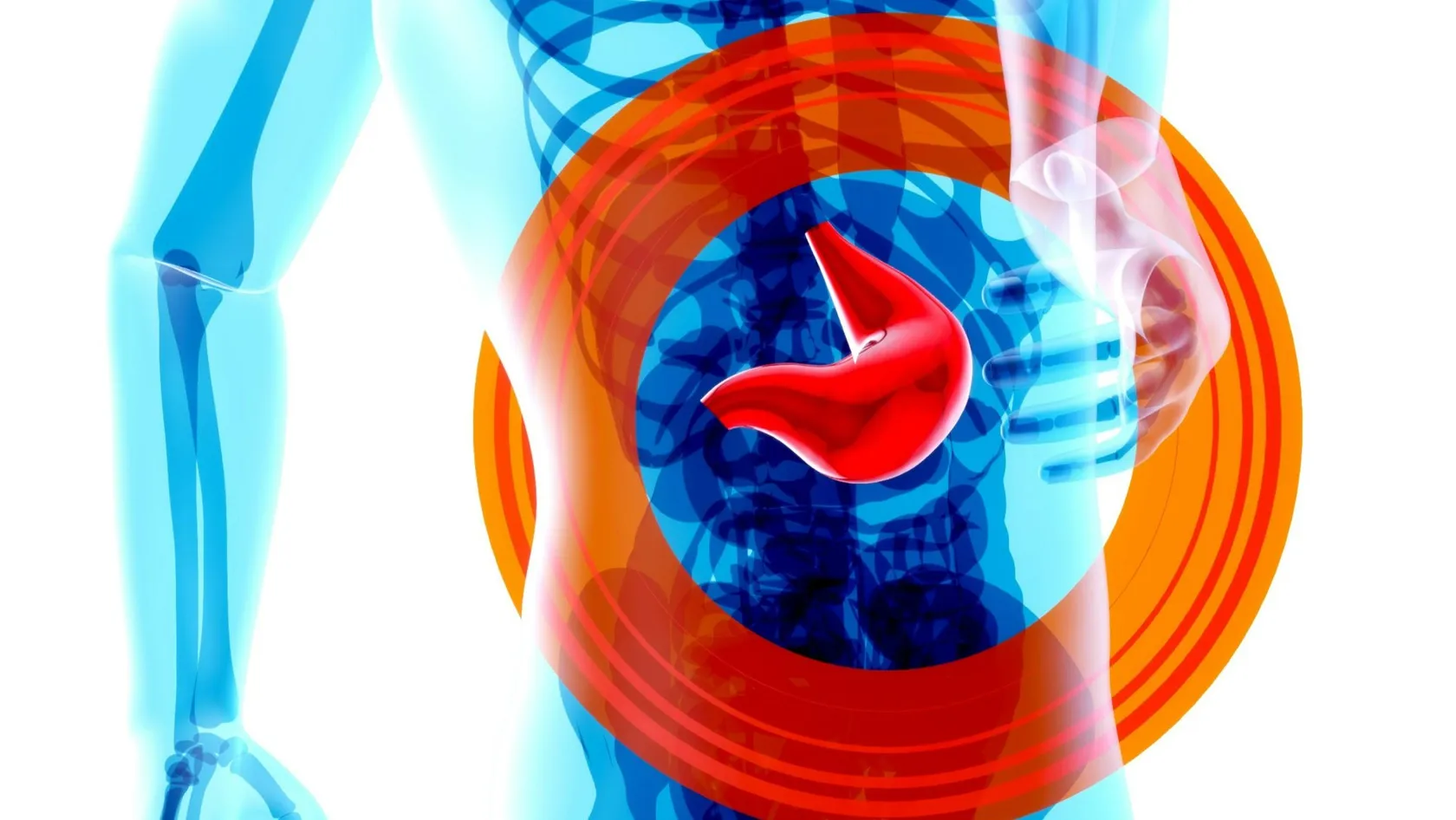
Mini Gastric Bypass Surgery
Fifty people were scoped two years after this operation and twenty-four had inflammation of the esophagus. Most of them had no symptoms at all. That gap between how patients feel and what is happening is the whole argument.
About This Department
Fifty people were scoped two years after this operation, and twenty-four of them had inflammation of the esophagus. Most of those twenty-four had no symptoms at all. That gap between how people feel and what is actually happening inside them is the whole argument about this operation, and it is why a page selling it would look very different from this one.
Free consultation
Ask what your endoscopy shows before anybody offers you this operation
An international expert panel agreed that this procedure should not be offered to people with certain endoscopic findings, and every one of those findings produces no symptoms at all. Send your height and weight with the date they were measured, the conditions you are treated for, your medication list with the doses, details of any previous abdominal or bariatric surgery, and any endoscopy report you already hold. Say whether you get heartburn and whether you smoke. A surgeon and a dietitian review the file together and tell you whether this operation suits your particular stomach, what limb length would be used and why, and who would be checking on you in ten years. No fee, no obligation, and a coordinator replies in your own language, usually within the same working day.
What makes it mini
Almost nothing about this operation is small, and the name is the first thing worth clearing up.
- One join instead of two. That is the whole meaning of mini. A long narrow pouch is made from the stomach and a loop of small bowel is brought up and joined to it once. A standard bypass makes two joins and divides the bowel. This one makes a single connection and leaves the loop intact, which is why surgeons also call it the one anastomosis gastric bypass.
- Longer pouch than in a standard bypass. Not a small egg-shaped pouch but a long tube along the lesser curve of the stomach. That difference is deliberate and it is part of why the operation behaves as it does.
- Nothing is removed, and nothing is smaller. The bowel that gets bypassed is typically longer than in a standard bypass, and that is where the malabsorption comes from, so the word mini refers to the number of joins and to the simplicity of the technique. It does not describe the effect on your body.
- Names for it are a genuine mess. Mini gastric bypass, one anastomosis gastric bypass, single anastomosis bypass and omega loop bypass are used interchangeably in marketing, and the surgeon who described the modern technique in 1997 has published specifically to distinguish his version from several others. When you compare two quotes, compare the described technique rather than the label.
- And it has a controversial ancestor. The technique is a modification of a loop bypass described by Edward Mason decades earlier, and a review written in 2014 laid out why the modern version attracts skepticism, at a point when more than five thousand had already been performed worldwide. Understanding that lineage is the reason the rest of this page exists.
Against the standard bypass
One randomized trial dominates this field. French investigators across nine centers assigned 253 patients to either this operation or a standard Roux-en-Y bypass and reported at two years and again at five. The table sets out both readings, because the story changes between them.
This table scrolls sideways on a narrow screen. Swipe or drag to see every column.
| What was measured | At two years | At five years |
|---|---|---|
| Weight loss | 87.9 percent of excess body mass index lost against 85.8 percent after the standard bypass. Non-inferiority confirmed. | 75.6 percent against 71.4 percent. Non-inferiority confirmed again, and the numbers had drifted down in both arms. |
| Serious adverse events related to surgery | Forty-two in this group against twenty-four after the standard bypass. A significant difference. | Eight percent of this group, ten patients out of 127, had been converted to a standard bypass. |
| Nutritional problems | Nine of the forty-two serious events in this group were nutritional, against none in the standard bypass group. | Nutritional status did not differ between the two groups by this point. |
| Reflux | Not the headline finding at this stage. | The commonest adverse event of all, in 41 percent of this group against 18 percent after the standard bypass. |
| Diabetes | Just over a quarter of the trial population had it at the start. | Remission was similar in both groups. |
| What the investigators concluded | Not inferior for weight loss, with more diarrhea, fatty stools and nutritional events suggesting a malabsorptive effect from the 200 centimeter limb used. | In their own words, the high rate of clinical reflux raises questions about its long-term consequences, which need further investigation. |
Two caveats belong with that table. Sixty-eight percent of the original patients were followed to five years, which is respectable and not complete. And the trial deliberately excluded anybody who already had esophagitis, Barrett's esophagus or severe reflux resistant to medication, so its reflux figures describe people who started with healthy esophaguses.
Where the societies stand
Patients are often told this operation is either fully accepted or not accepted at all. Neither is accurate, and the actual position is more useful than either.
- An international federation issued a position statement in 2018. A commissioned task force settled the nomenclature, reviewed the evidence and issued a document approved by the federation's scientific committee and executive board, saying explicitly that it rested on current clinical knowledge, expert opinion and published peer-reviewed evidence, and that it would be reviewed in two years.
- A formal expert consensus followed in 2022. Fifty-seven bariatric surgeons from 24 countries voted on 69 statements across two rounds with a seventy percent threshold for agreement, and consensus was reached on 56 of the 69, which is a real degree of agreement in a field often described as divided.
- Strongest agreement came on heavier patients. More than ninety percent of that panel agreed the operation is acceptable as a single-stage procedure at a body mass index above 50, above 60 and above 70, as a second stage after a sleeve at a body mass index above 50, and in people whose weight has returned after a purely restrictive operation.
- They could not agree on two things. No consensus was reached on using it for resistant Helicobacter pylori, or as a conversion for reflux after a restrictive operation, and where the experts cannot agree, a surgeon presenting the answer as settled is going beyond the evidence.
- And they agreed clearly on who should be excluded. That list is at the end of this page, because it is the single most practical thing on it and it depends on an endoscopy you have not had yet.
The limb length argument
Malabsorption in this operation is set by a single number, and different surgeons pick different values without telling patients that a choice is being made.
One hundred and fifty against two hundred centimeters
French investigators matched 784 patients into two equal groups by age, sex and weight, half with a 150 centimeter bypassed limb and half with 200, and weight loss did not differ significantly at one, two, three, four or five years. Almost everything else did. Marginal ulcer carried an odds ratio of 0.4 with the shorter limb, incisional hernia 0.5 and bowel obstruction 0.3. Low albumin carried an odds ratio of 0.3, low folate 0.5 and low ferritin 0.5. A separate British series of 343 patients found no significant difference in weight loss at eighteen to twenty-four months either, at 74.0 percent of excess weight lost with 150 centimeters against 75.0 percent with 200.
Which makes the trial's own choice significant
Investigators of that randomized trial used a 200 centimeter limb, and they attributed the diarrhea, fatty stools and nutritional events they saw to exactly that. A worldwide survey of 742 surgeons found 200 centimeters to be the commonest length in use, and that two-thirds of them did not measure the patient's total small bowel length before deciding. So the practical question is short and specific. Ask what limb length will be used, ask whether your total small bowel length will be measured first, and treat a surgeon who has no answer to either as somebody following a habit rather than a plan.
The trade in the trial
Everything above can be summarized in one comparison from the randomized trial, and it is the sentence a patient should carry into the consultation.
Weight loss was equivalent. Serious surgical events ran at 42 against 24. Nine of those events in this group were nutritional, against none at all after the standard bypass. And at five years, 41 percent of this group had clinical reflux against 18 percent of the others.
Read that as a description of a genuine trade rather than as a verdict on the operation. The operation is technically simpler, faster and achieves the same weight loss, which are real advantages, particularly at very high weights and in revisional surgery where operating time and complexity matter a great deal. What you are accepting in return is a higher chance of reflux, a higher chance of a nutritional problem, and a small but real chance of needing the operation converted. None of that is hidden in the literature. It is simply absent from most of the marketing.
Bile reflux
Because the loop of bowel is left intact, bile and pancreatic juice flow past the join rather than being diverted away from it. Some of it goes up. That is the mechanism, and five things follow from it.
- It is chemically different from ordinary heartburn. Acid reflux is treated by suppressing acid. Bile reflux is not acid, so the tablets that work for heartburn do considerably less for it, which is why reflux after this operation can be harder to manage than reflux after a sleeve.
- Symptoms are a poor guide to what is there. In a series of 50 patients scoped two years afterwards, 48 percent had inflammation of the esophagus and most of them reported nothing. In a diagnostic accuracy study of 50 patients at four years, the investigators concluded that endoscopy generally should not be relied on to predict what the biopsy would show, and that the presence or absence of symptoms should not be used to rule findings in or out.
- Inflammation of the pouch is common and mostly mild. Across a series of 241 patients followed at least a year, endoscopic gastritis of the pouch was present in 28.7 percent and inflammation on biopsy in 38.7 percent. Severe esophagitis was rare, with grade A in 6.1 percent, grade B in 1.1 percent and nothing worse.
- The larger and longer series look similar. A four-center study of 1,172 patients followed for a median of just over five years found pouch gastritis in 27.7 percent, inflammation on biopsy in 38.8 percent, grade A or B esophagitis in 7.7 percent and not a single case of Barrett's esophagus.
- But two smaller series found Barrett's. Four of fifty patients in one two-year series and seven of fifty in a four-year series had it. Those are small numbers and they disagree with the large one, which is exactly why this section reports all of them rather than the most comfortable one.
Four endoscopy studies
Setting the four studies beside each other is more honest than quoting whichever one supports a position. They disagree with each other, and that disagreement is itself the finding.
On a narrow screen the table scrolls sideways instead of shrinking. Swipe or drag it to see every column.
| The study | Esophagitis and Barrett's | What else it found |
|---|---|---|
| 241 patients, at least one year | Grade A in 6.1 percent, grade B in 1.1 percent, nothing more severe. Barrett's not reported. | Pouch gastritis in 28.7 percent, and among those reporting the worst symptom scores, only 30 percent actually turned out to have esophagitis. |
| 50 patients, two years | Grade A or B in 48 percent, and Barrett's in four patients. | Changes on biopsy in 68 percent, and most of those patients reported no symptoms whatsoever. |
| 50 patients, four years | Barrett's in 14 percent on biopsy. No dysplasia and no cancer in the series. | Chronic gastritis on biopsy in 80 percent, ulcers in 16 percent. Just over half were symptomatic at four years. |
| 1,172 patients, median just over five years | Grade A or B in 7.7 percent, and no cases of Barrett's at all. | Pouch gastritis in 27.7 percent, ulcers in 2.6 percent mostly in heavy smokers, and Helicobacter pylori in 5.4 percent. |
| What to take from them together | Severe esophagitis is uncommon. Barrett's estimates run from zero to 14 percent, which is a range rather than a number. | Inflammation of the pouch is normal after this operation, and symptoms track it badly in every one of these studies. |
The cancer question
Patients find this part on the internet at two in the morning, and it deserves a careful answer rather than either reassurance or alarm.
If bile reflux persists
There is a reliable answer, and knowing it exists changes how the original decision feels.
Malnutrition and reversal
Nutrition is the second criticism of this operation, and it comes from the length of bowel bypassed rather than from the single join. A single center reviewed six years of its own practice and found ten patients revised for severe protein and energy malnutrition, an incidence a little over half a percent of the operations it had performed. All ten had symptoms. Eight of the ten also had significant micronutrient deficiencies. The median interval from the original operation to the revision was about eighteen months, and the median bypassed limb in those patients was 200 centimeters.
What that unit did next is the useful part. Five patients had the anatomy reversed entirely, three had the bypassed limb shortened, and two were converted to a standard bypass, and their conclusion was blunt and worth repeating, which is that the problem resolved completely after conversion or reversal but not after shortening the limb alone. If somebody offers you a limb shortening for malnutrition, that finding belongs in the conversation.
Reversal has been put in context by a systematic review. Across 14 studies drawn from a pool representing 11,578 patients, 119 reversals were identified, and the pooled estimate of how often reversal happens came out at 1 percent. It was performed on average about two years after the original operation, in patients whose weight had fallen a long way, and the leading cause was the signs and symptoms of protein and energy malnutrition. Complications after the reversal occurred in 10.9 percent and the reported ones included bleeding, leakage and death from severe liver failure, so those reviewers called explicitly for close monitoring throughout follow-up to prevent malnutrition ever reaching the point where reversal is needed. Read that as the argument for the follow-up schedule further down rather than as a reason to avoid the operation, because the patients who ended up reversed were not the ones being watched closely by anybody.
The ulcer
An ulcer at the join is a risk in any operation that connects acid-producing stomach to small bowel, and here the numbers are reassuring rather than alarming. Pooling 32 studies covering 8,868 patients gave an incidence of 2.59 percent, with a confidence interval of 1.89 to 3.52. Of the patients whose timing was documented, 53 presented within the first year, 24 after thirty-one months and five after six years. This is not purely an early complication. Nearly ninety percent were managed with acid-suppressing tablets alone and 10.3 percent needed surgery.
Here is a second comparison worth adding, because it runs against expectation. A cross-sectional study scoped 62 patients two years after either this operation or a standard bypass and found ulcers in 3.2 percent of this group against 19.4 percent of the standard bypass group, a significant difference, with diabetes and having had the standard bypass emerging as independent predictors. That is a small study and it should be read as such, but it is a reminder that the criticisms of this operation concern bile and nutrition rather than ulcers. In the large five-year endoscopic series, ulcers occurred in 2.6 percent and were concentrated in heavy smokers, with three of those patients needing surgical revision. Smoking is the variable you control. Anti-inflammatory painkillers are the other one, and they should be avoided permanently after any operation that joins acid-producing stomach to small bowel, whichever version of the gastric bypass you have ended up with.
Where it does well
Two situations are where this operation earns its place rather than merely being an option, and the expert consensus agreed strongly about both.
After a sleeve that has stopped working
Seven comparative studies were pooled in a meta-analysis covering 817 patients who had this operation or a standard bypass as a revision after a failed sleeve, and this operation was faster, with operating times running from about 79 to 168 minutes against 98 to 201 for the standard bypass. It produced significantly greater weight loss, with a mean difference of 5.84 in favor of it and no heterogeneity at all between the studies, and diabetes remission was also higher. The cost was reflux, which occurred significantly more often after this operation with 52 events against 31, and those reviewers concluded that careful patient selection is essential, which is the same conclusion the rest of this page keeps arriving at.
At very high weights
One high-volume Indian center followed 514 patients with a mean body mass index above 55 for three years across five different operations, and excess weight loss at three years ran at 78.59 percent for this operation against 62.38 percent for a sleeve and 69.55 percent for a standard bypass. Failure to get below a body mass index of 35 occurred in 9.87 percent of this group against 67.9 percent after a sleeve, though that was a single center with patients choosing their own operation rather than being randomized, so read it as strongly suggestive. It matches the expert panel, more than ninety percent of whom agreed this operation is acceptable as a single-stage procedure above a body mass index of 50, 60 and 70. Those are the weights at which operating time and technical simplicity stop being conveniences and start being safety considerations in their own right for surgeon and patient alike.
What to monitor
Follow-up after this operation differs from follow-up after the others in one specific way, and it is not the blood tests.
The follow-up schedule
Here is what a schedule for this operation specifically should contain, and what each item is there to catch.
Swipe or drag the table sideways on a narrow screen to see every column. It scrolls sideways rather than shrinking.
| When | What happens | What it is there to catch |
|---|---|---|
| First fortnight | Wound check and a direct conversation about fluids. | A leak, which the worldwide survey identified as the leading cause of death after this operation, and dehydration. |
| Six weeks and three months | Dietitian review as textures return, and a check on protein intake specifically. | The start of the protein problem, which in one series had reached the point of revision by a median of eighteen months. |
| Six months, twelve months, then yearly | Albumin and total protein, iron and ferritin, vitamin B12, folate, vitamin D and calcium. | A 200 centimeter limb carried higher odds of low albumin, low folate and low ferritin than a 150 centimeter one in a matched comparison of 784 patients. |
| Endoscopy, at an agreed interval | Upper endoscopy with biopsies of the esophagus, the pouch and the join, whether or not you have symptoms. | Inflammation on biopsy reached 68 percent in one two-year series, and those patients mostly reported nothing at all. |
| Whenever reflux appears or worsens | Endoscopy rather than a higher dose, and a conversation about conversion if it persists. | Bile reflux responds poorly to acid suppression, so escalating the tablets year after year treats the wrong thing. |
| Whenever weight falls too far | Urgent nutritional review rather than congratulation. | Excessive weight loss is one of the routes to reversal, and reversal itself carried a 10.9 percent complication rate. |
The operation itself
Keyhole, and faster than a standard bypass because there is one join rather than two.
The first year
Eating rebuilds in stages, and this operation adds two things that the others do not.
Who should not have it
Everything above exists to explain this section, which is why it comes last. Fifty-seven surgeons from 24 countries voted on where the operation should not be offered. They agreed clearly on four situations.
Barrett's esophagus, with 89.29 percent agreeing against. A documented insulin-producing tumor of the pancreas, at 89.47 percent agreement. Severe reflux disease of grade C or D, at 75.44 percent. And intestinal change in the lining of the stomach, at 74.55 percent.
Look at the first, third and fourth of those. Every one is a finding on an endoscopy, and none of them can be detected by asking you how you feel. That is the entire argument for scoping people before this operation rather than afterwards, and it is why the consultation module at the top of this page asks for your endoscopy report before anything else. The randomized trial that established the operation applied the same logic, excluding anybody with existing esophagitis, Barrett's or severe medication-resistant reflux, so its favorable results describe a screened population. If you have not been screened, you are not the patient those results describe. That is not a reason to be frightened of the operation. It is a reason to have the endoscopy first, and to treat any unit willing to skip it as having told you something important about itself long before you ever booked anything.
Questions to ask
Start with the endoscopy, and ask it as a yes or no. Is one done before the decision, and what would change if it showed intestinal change in the stomach lining or severe esophagitis, given that an expert panel agreed against offering this operation in both. Then ask the limb length in centimeters and whether your total small bowel length will be measured before that is decided, since two-thirds of surgeons in a worldwide survey did not measure it and a matched comparison of 784 patients found the shorter limb produced the same weight loss with fewer nutritional problems.
Then ask about the decade. Whether endoscopy is part of the follow-up plan and at what interval, since symptoms tracked the findings badly in every study on this page. Whether albumin is measured as well as vitamins. What happens if bile reflux develops and who would perform the conversion, given that 8 percent of patients in the randomized trial had been converted by five years. And ask why this operation is being recommended over a standard bypass in your particular case, because there are good answers to that question, and a unit that offers only this operation cannot give you one. None of these questions is confrontational, and the ease with which a team answers them is most of the information you are actually looking for.
Reading a quote
No figure appears on this page, and this operation is advertised more aggressively than most because it is quick to perform, which is exactly why the comparison has to be made on inclusions. Seven things belong in writing. Whether the endoscopy before the operation is inside the number or added afterwards. Which operation the price covers, named as a one anastomosis or mini gastric bypass rather than as bypass surgery generally, since the two are different operations, and what limb length will be used, which no price list states and which changes your nutritional future. Whether repairing a hiatus hernia found during the operation is included. How many nights are budgeted and what an extra night costs if you are not fit to fly. What the follow-up contains, stated in months and saying explicitly whether an endoscopy is in it, and whether treatment of a complication here is covered, along with who pays if you are readmitted at home.
Your own file moves the total less here than in most surgery, which is why it is sold as a package. Starting weight, a hiatus hernia needing repair at the same sitting, a previous abdominal or bariatric operation making the dissection harder, and whether this is a first operation or a revision are the four things that actually shift it.
Packages published by Turkish hospitals and medical travel agencies for this operation generally include the airport transfer, pre-operative testing, the surgeon and anesthesia fees, the operating room, the planned nights, an interpreter, the hotel for an agreed number of nights and the review before departure. They generally exclude flights, insurance, the endoscopy, hiatus hernia repair, treatment of a complication, extra nights, supplements and any follow-up beyond the first months. Read what arrives against both lists, and note that the first and the last of those exclusions are the two things this page has argued you should insist on.
Coming to Istanbul
Seven to ten days, which is longer than most advertised packages, and the length is the point rather than an inconvenience. Assessment and the endoscopy fill the first day or two, the operation takes a morning, two or three nights in hospital follow, and the remaining days exist so that a leak has time to declare itself while you are still in the same city as the people who would treat it. Send your height and weight with the date they were measured, the conditions you are treated for, your medication list with the doses, details of any previous abdominal or bariatric surgery, and any endoscopy report you already hold. Say whether you get heartburn and how often, whether you smoke, and whether you have ever been told you have Barrett's esophagus or a change in the lining of your stomach, because those two findings are on the expert panel's exclusion list.
Say in your first message who will run your blood tests at home and who could arrange an endoscopy for you in a few years. Those two answers decide how this turns out over a decade more than anything that happens in the operating room, and they are worth settling before you travel rather than discovering at year three that nobody was ever asked. Only one coordinator holds your file from the first message to discharge, and the international patients team works in English, Arabic, French, Russian, Serbian, Romanian and Spanish, with other languages arranged on request. Ask in your first message if you would prefer a female physician. Someone can stay overnight with you on the ward, where the rooms carry a companion bed. Meals from the hospital kitchen cover halal, vegetarian and diabetic diets and a prayer room is available. The international patients office books accommodation for both of you, arranges the airport transfer and daily transport, and prepares the appointment confirmation and the invitation letter naming the hospital and your treating doctor for a medical visa application, around ten days before travel.
Take home the operation note itself and not a discharge summary, and read it before you leave. It should state the length of the bypassed limb in centimeters, whether your total small bowel length was measured, how the pouch was made, and whether a hiatus hernia was found and repaired. Nothing is removed in this operation, so no pathology report exists, which makes that note the only permanent record of what was done to you. Add the endoscopy report from before the operation, the supplement regimen with doses, the schedule of blood tests with albumin named among them, and the date an endoscopy is next due. Address the file to a doctor near you and make that appointment before you fly. Once you are back home, your coordinator stays reachable on the same WhatsApp number, and keep that number for years rather than weeks, because with this operation the questions that matter most arrive long after the wounds have healed.
Mini gastric bypass FAQ
Why is it called mini?
Does it lose as much weight as a standard bypass?
What is bile reflux and how likely is it?
Does it cause cancer?
Do I need an endoscopy before it?
What if reflux does not settle?
How long should the bypassed limb be?
How often does it cause malnutrition?
When is it the better choice?
How long should I stay in Turkey?
References
- Robert M, Espalieu P, Pelascini E, Caiazzo R, Sterkers A, Khamphommala L, Poghosyan T, Chevallier JM, Malherbe V, Chouillard E, Reche F, Torcivia A, Maucort-Boulch D, Bin-Dorel S, Langlois-Jacques C, Delaunay D, Pattou F, Disse E. Efficacy and safety of one anastomosis gastric bypass versus Roux-en-Y gastric bypass for obesity (YOMEGA), a multicenter, randomized, open-label, non-inferiority trial. The Lancet. 2019;393(10178):1299-1309.
- Robert M, Poghosyan T, Maucort-Boulch D, Filippello A, Caiazzo R, Sterkers A, Khamphommala L, Reche F, Malherbe V, Torcivia A, Saber T, Delaunay D, Langlois-Jacques C, Suffisseau A, Bin S, Disse E, Pattou F. Efficacy and safety of one anastomosis gastric bypass versus Roux-en-Y gastric bypass at 5 years (YOMEGA), a prospective, open-label, non-inferiority, randomized extension study. The Lancet Diabetes and Endocrinology. 2024;12(4):267-276.
- De Luca M, Tie T, Ooi G, Higa K, Himpens J, Carbajo MA, Mahawar K, Shikora S, Brown WA. Mini gastric bypass and one anastomosis gastric bypass, IFSO position statement. Obesity Surgery. 2018;28(5):1188-1206.
- Kermansaravi M, Parmar C, Chiappetta S, Shahabi S, Abbass A, Abbas SI, Abouzeid M, Antozzi L, Asghar ST, Bashir A, Bhandari M, Billy H, Caina D, Campos FJ, Carbajo MA, Chevallier JM, Davarpanah Jazi AH, de Gordejuela AGR, Haddad A, ElFawal MH, Himpens J, Inam A, Kassir R, Kasama K, Khan A, Kow L, Kular KS, Lakdawala M, Layani LA, Lee WJ, Luque-de-Leon E, Loi K, Mahawar K, Mahdy T, Musella M, Nimeri A, Gonzalez JCO, Pazouki A, Poghosyan T, Prager G, Prasad A, Ramos AC, Rheinwalt K, Ribeiro R, Ruiz-Ucar E, Rutledge R, Shabbir A, Shikora S, Singhal R, Taha O, Talebpour M, Verboonen JS, Wang C, Weiner R, Yang W, Vilallonga R, De Luca M. Patient selection in one anastomosis and mini gastric bypass, an expert modified Delphi consensus. Obesity Surgery. 2022;32(8):2512-2524.
- Mahawar KK, Carr WRJ, Balupuri S, Small PK. Controversy surrounding mini gastric bypass. Obesity Surgery. 2014;24(2):324-333.
- Rutledge R, Kular K, Manchanda N. The mini-gastric bypass original technique. International Journal of Surgery. 2018;61:38-41.
- Bertrand T, Rives-Lange C, Jannot AS, Baratte C, de Castelbajac F, Lu E, Krivan S, Le Gall M, Carette C, Czernichow S, Chevallier JM, Poghosyan T. 150-cm versus 200-cm biliopancreatic limb one-anastomosis gastric bypass, propensity score-matched analysis. Obesity Surgery. 2022;32(9):2839-2845.
- Boyle M, Mahawar K. One anastomosis gastric bypass performed with a 150-cm biliopancreatic limb delivers weight loss outcomes similar to those with a 200-cm biliopancreatic limb at 18 to 24 months. Obesity Surgery. 2020;30(4):1258-1264.
- Pizza F, D'Antonio D, Lucido FS, Tolone S, Dell'Isola C, Gambardella C. Postoperative clinical and endoscopic follow-up for gastroesophageal reflux and gastritis after one anastomosis gastric bypass for morbid obesity, how, when and why. Obesity Surgery. 2020;30(11):4391-4400.
- Pizza F, Braun A, Lucido FS, Cristiano S, D'Antonio D, Giambavicchio LL, Precisano S, Brusciano L, Tolone S, Massa C, Santi HT, Paolicelli M, Dell'Isola C, Docimo L, Gambardella C. Five-year endoscopic outcomes after one-anastomosis gastric bypass, a multicenter cohort with bile reflux, marginal ulcers and symptom correlation. Obesity Surgery. 2026.
- ElFawal MH, Taha O, Abdelaal M, Mohamad D, El Haj II, Tamim H, ElFawal K, El Ansari W. Reflux-related abnormalities at distal esophagus, gastric pouch and anastomotic site 4 years after one anastomosis gastric bypass, diagnostic accuracies of endoscopy compared to biopsy and of symptoms compared to both. Obesity Surgery. 2025;35(4):1273-1284.
- Szymanski M, Marek I, Wilczynski M, Janczy A, Bigda J, Kaska L, Proczko-Stepaniak M. Evaluation of esophageal pathology in a group of patients 2 years after one-anastomosis gastric bypass, cohort study. Obesity Research and Clinical Practice. 2022;16(1):82-86.
- Bruzzi M, Chevallier JM, Czernichow S. One-anastomosis gastric bypass, why biliary reflux remains controversial. Obesity Surgery. 2017;27(2):545-547.
- Guirat A, Addossari HM. One anastomosis gastric bypass and risk of cancer. Obesity Surgery. 2018;28(5):1441-1444.
- Antonopulos C, Rebibo L, Calabrese D, Coupaye M, Ledoux S, Msika S. Conversion of one anastomosis gastric bypass to Roux-en-Y gastric bypass, results of a retrospective multicenter study. Obesity Surgery. 2022;32(6):1842-1848.
- Abu-Abeid A, Goren O, Eldar SM, Vitiello A, Berardi G, Lahat G, Dayan D. Revisional surgery of one anastomosis gastric bypass for severe protein-energy malnutrition. Nutrients. 2022;14(11):2356.
- Kermansaravi M, Shahmiri SS, Davarpanah Jazi AH, Valizadeh R, Weiner RA, Chiappetta S. Reversal to normal anatomy after one-anastomosis and mini gastric bypass, indications and results, a systematic review and meta-analysis. Surgery for Obesity and Related Diseases. 2021;17(8):1489-1496.
- Lee S, Supparamaniam S, Varghese C, Mahawar K. Marginal ulcers following one-anastomosis gastric bypass, a systematic review and meta-analysis. Obesity Surgery. 2023;33(9):2884-2897.
- Abdelsalam A, Fahmy A, Saqr A, Elsayed S, Elansary AMSEO. Incidence of marginal ulcer after one anastomosis gastric bypass versus Roux-en-Y gastric bypass, a comparative study. BMC Surgery. 2026;26(1):64.
- Ataya K, Al Jaafreh AM, El Bourji H, Bsat A, Nassar H, Al Ayoubi A, Abi Saad G. Roux-en-Y gastric bypass versus one anastomosis gastric bypass as revisional surgery after failed sleeve gastrectomy, a systematic review and meta-analysis. Journal of Metabolic and Bariatric Surgery. 2023;12(2):57-66.
- Haddad A, Bashir A, Fobi M, Higa K, Herrera MF, Torres AJ, Himpens J, Shikora S, Ramos AC, Kow L, Nimeri AA. The IFSO worldwide one anastomosis gastric bypass survey, techniques and outcomes. Obesity Surgery. 2021;31(4):1411-1421.
- Bhandari M, Ponce de Leon-Ballesteros G, Kosta S, Bhandari M, Humes T, Mathur W, Fobi M. Surgery in patients with super obesity, medium-term follow-up outcomes at a high-volume center. Obesity. 2019;27(10):1591-1597.
- O'Kane M, Parretti HM, Pinkney J, Welbourn R, Hughes CA, Mok J, Walker N, Thomas D, Devin J, Coulman KD, Pinnock G, Batterham RL, Mahawar KK, Sharma M, Blakemore AI, McMillan I, Barth JH. British Obesity and Metabolic Surgery Society guidelines on perioperative and postoperative biochemical monitoring and micronutrient replacement for patients undergoing bariatric surgery, 2020 update. Obesity Reviews. 2020;21(11):e13087.
Editor's note
Written by the Biruni Hospital medical editorial team. Reviewed by Prof. Dr. Hatice Deniz BÖLER, General Surgery.
Medically reviewed by

Prof. Dr. Hatice Deniz BÖLER
General Surgery
Related Treatments
View All
Bariatric Surgery - Weight Loss Surgery
Followed for 24 years, people who had weight loss surgery lived a median of 3.0 years longer than those who did not, and 5.5 years less than the general population. Both numbers come from the same study.
Breast Cancer Surgery
Across 202,934 women with the same early disease, the proportion who kept the breast ran from 58.5 to 75.5 percent depending on the region. Breast cancer surgery is not one decision. It is four, and this page maps them.

Breast Conserving Surgery
Two hundred and four women with two or three cancers in the same breast kept that breast, and recurrence at five years was 3.1 percent. Most of the reasons women are told they cannot keep the breast have quietly stopped being true.

Breast Lump Removal
Of 3,305 people under forty seen at one breast clinic, 29 had cancer. Most lumps are something else, and most of those never need an operation. This page covers how to tell which lump yours is and when removal earns its place.
Central Venous Port Implantation
A port is implanted in half an hour and then kept for years. Almost everything that later goes wrong with it was settled in that half hour, or is settled by how the device is flushed and accessed every week.