
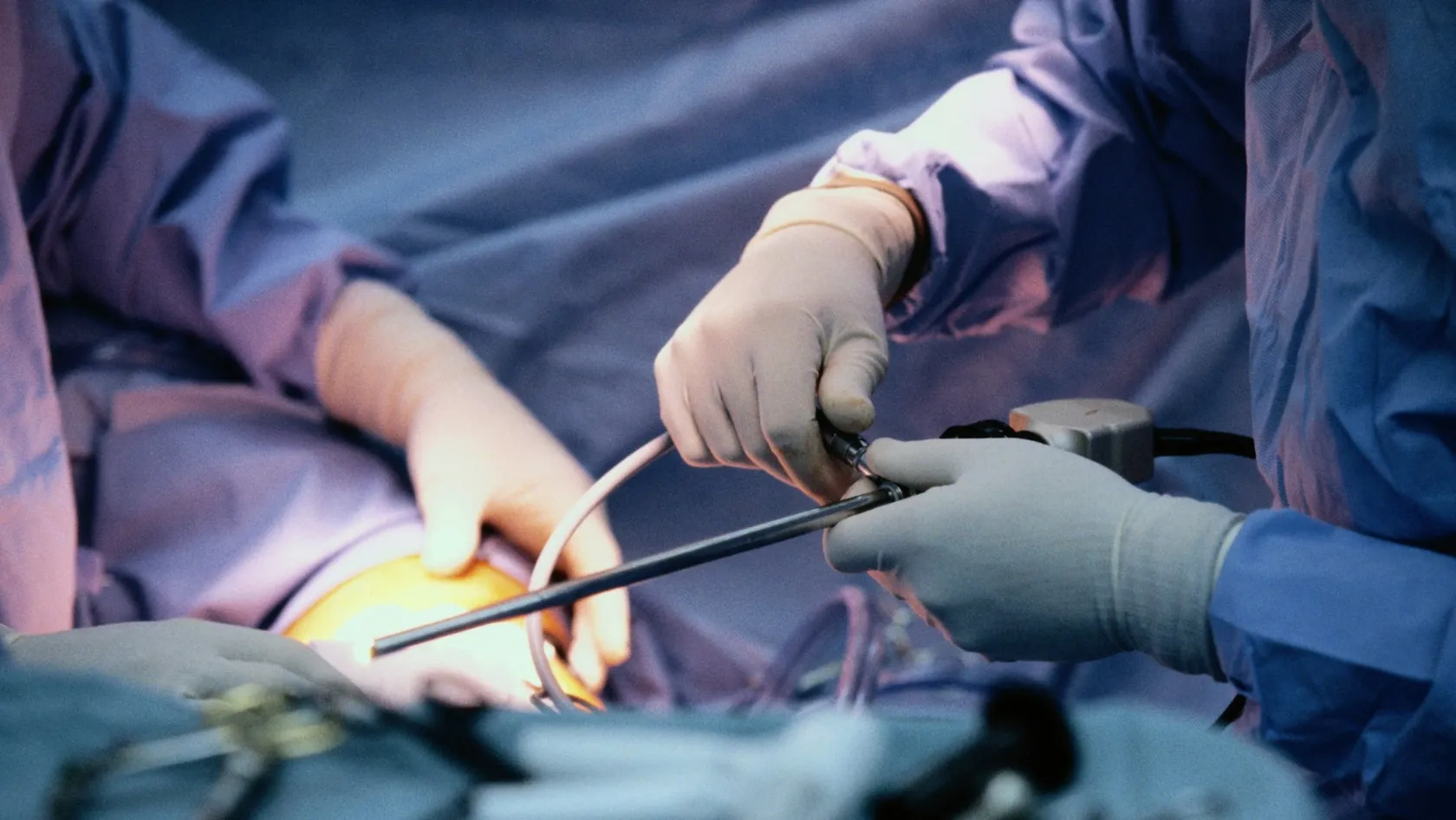
Gastrectomy - Stomach Removal Surgery
Six things the stomach does, and what happens to each when it goes. Every reason a stomach is removed, which reconstruction you get and why it matters, and the weight, bone, blood and bacteria problems that arrive years later.
About This Department
In a nationwide Japanese survey of 2,368 patients, people who had lost their whole stomach were 13.8 percent lighter a year later and people who had lost part of it were around 7 percent lighter. That single pair of numbers explains most of what this page is about. The operation is well established and reliably done, and the interesting question is what happens to a body that no longer has the organ, which is a question about the next thirty years rather than the next thirty days.
Free consultation
Ask how much stomach is coming out and what gets joined to what
Send the endoscopy report with any biopsy result and the exact location of the problem, the scan reports of abdomen and chest in writing, your weight now and six months ago, your recent blood results including hemoglobin, iron and albumin, your medication list, and details of any previous abdominal or bariatric surgery. A surgeon reads the file and tells you whether a partial or a total removal is planned, which reconstruction is intended, and what that means for eating afterwards. No fee, no obligation, and a coordinator replies in your own language, usually within the same working day.
What the stomach does
Six jobs, and each of them explains one thing about life afterwards. Read this section and most of the rest of the page becomes predictable.
- Storage comes first. A stomach stretches to well over a liter and releases its contents over hours. Without it, meal size becomes the limiting factor in everything, and six small meals a day replaces three normal ones permanently rather than temporarily.
- Acid is the second job. Acid converts dietary iron into the form the gut can absorb. Take the acid away and iron absorption falls, which is why anemia after gastrectomy is usually a deficiency rather than a recurrence, and why it arrives years rather than months later.
- One protein it makes is required to absorb vitamin B12. Nothing in the diet substitutes for it and no oral dose reliably compensates once the stomach is gone. Injections for life are the standard answer after a total removal, and they are cheap, effective and easy to forget about.
- It grinds. Mechanical breakdown into particles small enough for the small bowel is a stomach function, so texture matters afterwards in a way it never did before, and chewing properly stops being advice and starts being a requirement.
- Appetite hormones are made here too. The main appetite-stimulating hormone is produced mostly in the upper stomach. Losing it is part of why weight falls and why hunger does not come back to remind you to eat, and it is why weighing yourself matters more than trusting your appetite.
- It has a valve at the outlet. The pylorus meters food into the small bowel. Remove or bypass it and food arrives all at once, which is the mechanism behind dumping and the reason the reconstruction chosen by your surgeon matters as much as the resection itself.
Why stomachs get removed
Adenocarcinoma accounts for most gastrectomies and it is far from the only reason. The indication changes the urgency, the extent and the conversation, and it changes the operation itself surprisingly little.
Wide table. Swipe or drag it sideways on a narrow screen, since it scrolls instead of shrinking.
| Reason | How much comes out | What is different about it |
|---|---|---|
| Stomach cancer | Partial or total, decided by tumor position, with an extended lymph node clearance. | Chemotherapy usually comes first in Europe. The oncological decisions are covered on this site's stomach cancer surgery page. |
| Gastrointestinal stromal tumor | Often just a wedge of stomach wall around the tumor. Formal gastrectomy only where position or size forces it. | Lymph nodes are generally left alone, and a targeted drug afterwards changes survival substantially in higher risk cases. |
| An inherited gene fault | Total, in somebody with no diagnosed cancer and no symptoms. | The patient is usually decades younger than average, so every long-term consequence on this page applies for much longer. |
| A perforated or bleeding ulcer | Usually none. Most perforations are patched rather than resected, and resection is reserved for large or awkward defects. | The most dangerous setting on this list, with mortality after emergency ulcer surgery running above 10 percent in national series. |
| A stomach that will not empty | Subtotal or a bypass, after every drug and endoscopic option has failed. | A quality-of-life operation rather than a life-saving one, which makes the long-term consequences weigh differently. |
| Revision after weight loss surgery | Varies. A previous operation is converted to a different one rather than a stomach being removed outright. | Anatomy is already altered and scarred, so the operation is longer and the complication rate higher than a first procedure. |
| Swallowed caustic substance | Sometimes the stomach and esophagus together, in the acute phase or later for stricture. | Rare, catastrophic and handled in specialist centers. Emergency surgery in one French series of 414 admissions carried 18 percent mortality. |
GIST
Gastrointestinal stromal tumors arise in the wall of the stomach rather than its lining, they behave differently from adenocarcinoma, and they are the reason to ask what kind of tumor you actually have before assuming anything on this page applies to you.
- The operation is usually much smaller. These tumors spread through the bloodstream rather than through lymph nodes, so a clear margin around the tumor is the goal and a routine node clearance is not part of it. A wedge of stomach wall often suffices where an adenocarcinoma in the same place would need a formal gastrectomy.
- Keyhole wedge resection works, including for larger tumors. A matched comparison of 50 keyhole against 50 open wedge resections found blood transfusion needed in 1 patient against 8, liquid diet at 2 days against 3 and solid diet at 3 days against 5, with no difference in close margins or in recurrence-free survival. A later series extended the approach to tumors of five centimeters and more without a change in outcomes.
- The drug afterwards matters more than the extent of the surgery. A Scandinavian trial randomized 400 patients with higher risk tumors to one or three years of a targeted drug after complete removal, and recurrence-free survival at five years was 65.6 percent against 47.9 percent, with a hazard ratio of 0.46 and a confidence interval of 0.32 to 0.65.
- And the survival difference held for ten years. At a median follow-up of nearly ten years, overall survival was 79.0 percent with three years of treatment against 65.3 percent with one, a hazard ratio of 0.55 with a confidence interval of 0.37 to 0.83. Its authors wrote that roughly half of deaths in that period may be avoidable.
- An earlier trial established that the drug worked at all. Among 713 patients randomized to the drug or a placebo for a year after surgery, recurrence-free survival at twelve months was 98 percent against 83 percent, and accrual stopped early when the difference became clear.
- What to ask. Whether the tumor is a GIST or an adenocarcinoma, what its mutation status is, what risk category it falls into, and whether adjuvant treatment is planned and for how many years. Those four questions decide almost everything.
Emergencies
A stomach removed in an emergency is a different proposition from one removed on a Tuesday morning, and the figures reflect that. Nobody plans for this section and a good number of people arrive at it anyway, so it is worth reading even if your own operation is booked weeks in advance and everything about it looks orderly.
Two unexpected reasons
Both of these bring people to a surgeon who never expected to be discussing their stomach at all.
The pouch question
After a total gastrectomy the surgeon can join the esophagus straight to a loop of small bowel, or can first build a small reservoir from that bowel to act as a substitute stomach. It adds around twenty minutes to the operation and it is offered inconsistently. The pooled evidence is more favorable than its uptake suggests.
Across 17 randomized trials and 8 observational studies covering 1,621 patients, dumping at three to six months affected 8.1 percent of those given a pouch and 32.4 percent of those without one. At one to two years it was 2.8 percent against 23.6 percent. Body mass index at that point was 22.2 against 20.9 and albumin was higher. Operating time was 23 minutes longer, and complications, leaks and hospital stay were no different.
Separate randomized work in 72 patients measured how long a test meal took to leave the reconstruction, and found 89 minutes with a pouch against 16 minutes without, with better quality of life scores in the pouch group. Its authors were careful to say that whether the slower emptying causes the better quality of life remains unproven, which is the right caution about a mechanism that looks obvious, and what none of this settles is whether the effect is large enough to justify an extra step in every operation. The evidence base also mixes randomized with observational studies, so a surgeon who declines to build one has a defensible position and should still be able to state it. Ask, and expect a reason rather than a shrug, because a unit that has never built one is telling you something useful about how often it does this operation.
What gets joined to what
After a partial removal there are three classical ways to reconnect, and they trade off against one another rather than one being simply better. Joining the stomach remnant directly to the duodenum is the simplest and keeps food traveling its natural route. Joining it to a loop of jejunum is quicker where the duodenum cannot be reached. Dividing the jejunum and bringing one limb up, with bile rejoining much further downstream, is the most complicated and the best at keeping bile away from the remnant.
A network analysis of nine randomized trials covering 1,161 patients quantified that. Against the direct duodenal join, the divided-limb reconstruction gave an odds ratio of 0.095 for bile reflux and 0.33 for inflammation of the remaining stomach. Against the simple loop, the figures were 0.064 and 0.40. The price was a longer operation, more blood loss and an odds ratio of 3.4 for the stomach remnant being slow to empty afterwards. A Cochrane review of a modified technique that keeps the loop intact while blocking bile flow found less bile reflux than the simple loop, with a number needed to treat of four, and more bile reflux than the fully divided version. Its authors rated the whole body of evidence as low to very low certainty and said plainly that they were very uncertain about most of it. What all of that means in a consultation is that there is no single correct reconstruction, that each one buys something and gives something up, and that a surgeon who can name the trade they are making for you is a better sign than one who says the choice does not matter.
Reconstructions compared
Take this table to your consultation and ask which row applies to you. The answer belongs in your operation note and it predicts most of what follows.
Scroll sideways on a small screen to reach the last column. The table drags rather than shrinking.
| Reconstruction | Its advantage | Its cost |
|---|---|---|
| Remnant joined to duodenum | Simplest, fastest, one join, and food keeps its natural route past the bile and pancreatic ducts. | The most bile reflux and the most inflammation of the remaining stomach of the three. |
| Remnant joined to a jejunal loop | Possible when the duodenum cannot be reached, which matters when a lot of stomach has been taken. | Bile reflux odds 0.064 in favor of the divided reconstruction, and remnant inflammation 0.40. |
| Divided limb with bile rejoining downstream | Much the best at keeping bile out, on odds ratios of 0.095 and 0.064 against the other two. | Longer operation, more blood loss, and odds of 3.4 for the remnant emptying slowly afterwards. |
| Loop kept intact with bile flow blocked | Less bile reflux than the plain loop, with a number needed to treat of four in the pooled data. | More bile reflux than the divided version, and the Cochrane authors rated the certainty low to very low. |
| Pouch after a total removal | Dumping at one to two years 2.8 against 23.6 percent, with higher body mass index and albumin. | About 23 minutes of extra operating time, with no measured increase in complications or leaks. |
| No pouch after a total removal | Faster, simpler, and the standard in most units by a wide margin. | More dumping, more heartburn and more disturbance of food intake in the pooled comparison. |
Weight
How much you lose, and how much is normal
Nationwide Japanese investigators collected questionnaires from 2,368 patients across 52 institutions and reported body weight loss of 13.8 percent after a total gastrectomy and 10.9 percent where the upper stomach alone was removed, a difference that reached statistical significance. From the same cohort, patients who had a distal removal with a direct duodenal join lost 7.9 percent and those whose pylorus was preserved lost 6.9 percent, and that particular difference did not quite reach significance. A separate randomized trial reported around 9 to 10 percent at one year across its whole population. Those figures are the yardstick to hold your own weight against, and the shape of the curve matters as much as the number, because loss that levels off between three and six months is expected while loss that keeps going is not. Take your weight on the day you leave hospital and write it down, since that figure is the baseline every later measurement is compared against and almost nobody records it at the time.
What helps, and what has been tested and did not
Nutritional supplements have been randomized here properly, and the answers are mixed in a way worth knowing before anybody sells you anything. A trial of 1,003 patients gave half of them 400 calories of oral supplement daily for twelve weeks, and weight loss at three months was 7.1 percent against 8.5 percent, a real difference. At one year the difference had vanished, at 9.3 percent against 9.8 percent, and the trial did not meet its primary endpoint. Only patients who actually took a reasonable amount showed a lasting benefit, which is a compliance finding rather than a treatment finding. A smaller trial of 112 patients using a 300 calorie elemental supplement found weight loss of 4.86 percent against 6.60 percent, and among total gastrectomy patients specifically 5.03 percent against 9.13 percent, which is a substantial difference in the group with most to lose. A third trial of 126 patients testing a fish oil based immune supplement found no difference at all, at 8.5 percent against 8.7 percent. Read those three together as meaning that ordinary calorie supplementation helps if you take it, that the group most likely to benefit is the one without a stomach at all, and that clever formulations have not outperformed simple ones.
Six things to watch for
Six problems belong to the reconstruction rather than to the removal, and they arrive after everybody has stopped paying attention.
Bones
The risk is real and it lasts decades
Calcium absorption depends on acid and on vitamin D, and both fall after gastrectomy. A Japanese community study followed 1,985 men aged 65 and over for five years, of whom 132 had previously had a gastrectomy, and found higher parathyroid hormone, higher bone turnover markers and lower bone density in that group. Gastrectomy carried a hazard ratio of 2.55 for an osteoporotic fracture with a confidence interval of 1.17 to 5.55. When the analysis was adjusted further for the hormone and density measurements the overall association lost significance, which tells you the mechanism, and yet the men who were twenty or more years past their surgery still carried a hazard ratio of 3.56 with a confidence interval of 1.33 to 9.52. That is the finding worth carrying away, which is that the risk does not fade with time and may be at its highest in people who have long since stopped thinking of themselves as surgical patients.
What to actually do about it
Ask for vitamin D and calcium levels to be checked yearly and for a bone density scan at some point after a total gastrectomy, then repeated according to the result. Vitamin D deficiency is easily corrected and rarely looked for. Weight-bearing exercise matters more here than it does for most people, because muscle loss and bone loss track together after this operation. And treat a fracture in somebody who had a gastrectomy decades ago as a signal rather than an accident, because that study covered men only and in a single country, and yet nothing about the mechanism suggests it would spare anybody else.
Anemia
Almost everyone having this operation is told about vitamin B12 and far fewer are told about iron, which is the commoner problem and the one that creeps up quietly over years rather than appearing at a known interval.
Among 385 people who survived five years or more after gastrectomy with no recurrence, the cumulative incidence of anemia rose from 18.7 percent in the first year to 39.5 percent by the fifth. Risk was doubled in women, tripled after a total gastrectomy and raised by diabetes, and a higher body weight after surgery was protective.
A second study of 161 patients tracked the same thing more finely and found anemia in 24.5 percent at three months rising to 37.1 percent at four years, with iron deficiency becoming the dominant cause by the end and vitamin deficiency remaining uncommon. The sex difference in that study was stark and persistent, with 55 percent of women anemic at three years against 28 percent of men, and its authors excluded anybody already receiving iron or a transfusion, which means the true burden is higher than the published figures suggest. All of this is cheap to detect and straightforward to treat, and none of it happens unless somebody orders the blood test. Put a yearly full blood count and iron studies on the list you hand to your own doctor rather than waiting to be offered them. Tiredness, breathlessness on stairs and a general sense of running at half speed years after a gastrectomy are far more often a treatable iron deficiency than anything sinister, and the test that separates the two costs almost nothing.
Three quiet problems
Muscle is the first and the most consequential. A study using scans before and one year after total gastrectomy in 102 patients found skeletal muscle down by 6.20 percent and body fat down by 65.8 percent of preoperative values, with 26 patients, meaning 25.5 percent, losing more than a tenth of their muscle. Adjuvant chemotherapy lasting six months or more was the factor that drove it. That matters because a systematic review of 39 studies covering 8,402 patients found that having low muscle mass before surgery went with major complications at an odds ratio of 1.67, pulmonary complications at 4.01, and worse overall survival after gastrectomy at a hazard ratio of 2.12 with a confidence interval of 1.89 to 2.38. Muscle is the one thing on this page you can actively build, and resistance exercise alongside protein intake is the intervention, which is why the dietitian referral and a physiotherapy referral belong in the same conversation.
Bacteria are the second. Stomach acid sterilizes what you swallow, and without it bacteria colonize the small bowel. A prospective study of 60 gastrectomy patients found bacterial overgrowth on breath testing in 61.6 percent, which is a striking figure until you read the rest, because those patients showed no significant difference in nutritional measures and two courses of antibiotics failed to clear it in the great majority. Its authors concluded the effect on malnutrition was negligible. Treat that as a reason to be skeptical of anybody offering repeated antibiotic courses for vague symptoms after gastrectomy. Pancreatic enzymes are the third and the least studied. A small study measuring enzyme output in gastrectomy patients found reduced levels in 33 percent of those tested, and not one of the 60 patients had symptoms of it, so routine enzyme replacement was not supported. Symptoms that would justify testing are greasy floating stools and weight loss that continues past six months.
Questions to ask
Before the operation
Whether the removal is partial or total, and what would change that decision during the operation. Which reconstruction is planned and why that one, given that the choice drives bile reflux, dumping and delayed emptying for the rest of your life. Whether a pouch is being considered if the removal is total, since dumping ran at 2.8 percent against 23.6 percent at one to two years in the pooled comparison. Whether the mesenteric defects will be closed, which is the whole of internal hernia prevention. Whether the gallbladder is coming out at the same time and on what reasoning. What kind of tumor this actually is, because a GIST is a different disease with a different operation and a different drug. And whether a dietitian will see you before as well as after surgery. None of those questions is confrontational, all of them have short answers, and a surgeon who has planned your case properly will get through the whole list in a few minutes without having to look anything up.
Before you leave
Ask for the operation note in writing and check that it names the reconstruction, because every later conversation about your symptoms depends on that one word and nobody can reconstruct it from memory. Ask when vitamin B12 injections start and how often, and get that written into the discharge summary rather than mentioned in passing. Ask what your discharge weight is and write it down, since it is the baseline everything afterwards is measured against. Ask whether any stomach remnant needs endoscopic surveillance and at what interval, given that cancer in a remnant appears at a median of nearly sixteen years. Ask for the yearly blood tests to be listed by name in a letter to your own doctor. And ask for both a dietitian and a physiotherapy referral, because the muscle loss data make the second one as important as the first. Ask for all of it on paper and in English, and check on the ward that the documents say what you were told in conversation, since a discharge summary that names the diagnosis without naming the reconstruction is common and is close to useless to whoever reads it next.
The gallbladder question
Gallstones form more often after gastrectomy, and surgeons disagree about whether to remove the gallbladder during the same operation. Two good analyses reach different emphases and the disagreement is worth understanding rather than settling.
- Stones do form, and mostly cause nothing. Among 1,480 patients followed for a median of almost four years after gastrectomy, gallstones appeared in 7.2 percent and only 9 patients, meaning 0.6 percent, developed symptomatic inflammation. Stones in the bile duct occurred in 1.4 percent.
- Certain people are clearly at higher risk. In that study a total gastrectomy carried a hazard ratio of 2.35 against a simple partial reconstruction, diabetes 2.15, male sex 1.65 and losing four percent or more of body weight 1.66. Bypassing the duodenum was itself a risk factor in a separate pooled analysis, at an odds ratio of 1.77.
- Taking it out at the same time adds nothing measurable. Pooling the published comparisons, removing the gallbladder during gastrectomy gave an odds ratio of 1.12 for complications and 1.23 for death, neither significant, so the added procedure appears safe.
- And the two teams draw opposite conclusions. The authors of the larger single-center cohort wrote that prophylactic removal should not be routinely recommended. The authors of the pooled analysis argued for an individualized decision based on the risk factors above. Both are reading the same numbers.
- What that means for you. A reasonable position is to ask rather than to assume, and to expect a specific reason either way. If you are having a total gastrectomy and you have diabetes, you sit in the group where the case for doing it together is strongest.
Follow-up schedule
Follow-up after returning home is where this operation is most often let down, because the surgical team is in another country and the long-term problems are nutritional rather than surgical. Hand this table to your own doctor at the first appointment.
Drag the table sideways on a narrow screen. It scrolls rather than shrinking to fit.
| What | How often | Why |
|---|---|---|
| Weight | Weekly for six months, then monthly. | Expect around 7 percent after a partial and 14 percent after a total removal, levelling off. Loss that continues past six months needs explaining. |
| Vitamin B12 | Injections every two to three months after a total removal, for life. Levels checked yearly after a partial one. | The protein needed to absorb it is made in the stomach lining. Deficiency causes nerve damage that does not fully reverse. |
| Full blood count and iron studies | Yearly, indefinitely. | Anemia reached 39.5 percent by five years in one cohort, and iron deficiency is the dominant cause by then. |
| Vitamin D and calcium | Yearly, with a bone density scan after a total removal and repeats set by the result. | Fracture risk carried a hazard ratio of 2.55, and 3.56 in men twenty or more years past surgery. |
| Endoscopy of any remnant | At an interval your surgeon specifies, continuing indefinitely. | Cancer in a remnant appears at a median of nearly sixteen years, and later when the first operation was for a benign problem. |
| Dietitian | At three and six months, then as needed. | Supplements reduced weight loss in randomized trials only in people who actually took enough of them. |
Life years later
Studies that follow people five, ten and twenty years out are rare, and the few that exist paint a picture that is neither as bleak nor as tidy as either side of the conversation tends to suggest.
Reading a quote
No figure appears on this page. Seven things belong in writing before any figure means anything, and the last two are the ones people forget because they concern the years after the invoice.
Coming to Istanbul
How long, and what to send
Eighteen to twenty-four days covers assessment, the operation and a safe departure for somebody arriving with the workup complete, and that is longer than most operations on this site because a leak at the join declares itself in the first week, the pathology report takes one to two weeks, and eating has to be re-established before a flight. Send the endoscopy report with any biopsy result and the exact location of the problem, the scan reports in writing rather than as a summary, your weight now and six months ago, recent blood results including hemoglobin, iron, vitamin B12 and albumin, your medication list, and full details of any previous abdominal or bariatric surgery with approximate dates. That last item is the one most often left out and the one that most changes what is technically possible. Say in your first message whether you are still able to eat and drink normally, because a stomach that is already obstructing changes the sequence entirely. One coordinator holds your file from the first message to discharge, and the international patients team works in English, Arabic, French, Russian, Serbian, Romanian and Spanish, with other languages arranged on request. Ask in your first message if you would prefer a female physician.
After you get home
Leave with the operation note naming the reconstruction, the pathology report, the discharge summary, your discharge weight, a vitamin B12 plan with a start date, and the follow-up table above addressed to your own doctor. Book that appointment before you fly and book a dietitian alongside it, since the nutritional problems on this page arrive over years and the surgical team will be in another country when they do. Someone can stay overnight with you on the ward, where the rooms carry a companion bed, meals cover halal, vegetarian and diabetic diets, and a prayer room is available. The international patients office books accommodation for both of you, arranges the airport transfer and daily transport, and prepares the appointment confirmation and the invitation letter naming the hospital and your treating doctor for a medical visa application, around ten days before travel. Your coordinator stays reachable on the same WhatsApp number afterwards, so a question about a wound, a feeding tube or a line in a report reaches somebody with your notes in front of them.
Gastrectomy FAQ
Can you live a normal life without a stomach?
How much weight will I lose?
Do nutritional supplements actually help?
What is a pouch reconstruction and should I ask for one?
Why does my remaining stomach burn?
Will I become anemic?
Does gastrectomy weaken bones?
Should my gallbladder come out at the same time?
Is a GIST the same as stomach cancer?
How long should I stay in Turkey?
References
- Takiguchi N, Takahashi M, Ikeda M, Inagawa S, Ueda S, Nobuoka T, Ota M, Iwasaki Y, Uchida N, Kodera Y, Nakada K. Long-term quality-of-life comparison of total gastrectomy and proximal gastrectomy by postgastrectomy syndrome assessment scale (PGSAS-45), a nationwide multi-institutional study. Gastric Cancer. 2015;18(2):407-416.
- Fujita J, Takahashi M, Urushihara T, Tanabe K, Kodera Y, Yumiba T, Matsumoto H, Takagane A, Kunisaki C, Nakada K. Assessment of postoperative quality of life following pylorus-preserving gastrectomy and Billroth-I distal gastrectomy in gastric cancer patients, results of the nationwide postgastrectomy syndrome assessment study. Gastric Cancer. 2016;19(1):302-311.
- Nakada K, Kimura A, Yoshida K, Futawatari N, Misawa K, Aridome K, Fujiwara Y, Tanabe K, Kawakubo H, Oshio A, Kodera Y. Effect of four main gastrectomy procedures for proximal gastric cancer on patient quality of life, a nationwide multi-institutional study. Journal of Gastric Cancer. 2023;23(2):275-288.
- Joensuu H, Eriksson M, Sundby Hall K, Hartmann JT, Pink D, Schutte J, Ramadori G, Hohenberger P, Duyster J, Al-Batran SE, Schlemmer M, Bauer S, Wardelmann E, Sarlomo-Rikala M, Nilsson B, Sihto H, Monge OR, Bono P, Kallio R, Vehtari A, Leinonen M, Alvegard T, Reichardt P. One vs three years of adjuvant imatinib for operable gastrointestinal stromal tumor, a randomized trial. JAMA. 2012;307(12):1265-1272.
- Joensuu H, Eriksson M, Sundby Hall K, Reichardt A, Hermes B, Schutte J, Cameron S, Hohenberger P, Jost PJ, Al-Batran SE, Lindner LH, Bauer S, Wardelmann E, Nilsson B, Kallio R, Jaakkola P, Junnila J, Alvegard T, Reichardt P. Survival outcomes associated with 3 years vs 1 year of adjuvant imatinib for patients with high-risk gastrointestinal stromal tumors, an analysis of a randomized clinical trial after 10-year follow-up. JAMA Oncology. 2020;6(8):1241-1246.
- Dematteo RP, Ballman KV, Antonescu CR, Maki RG, Pisters PWT, Demetri GD, Blackstein ME, Blanke CD, von Mehren M, Brennan MF, Patel S, McCarter MD, Polikoff JA, Tan BR, Owzar K. Adjuvant imatinib mesylate after resection of localised, primary gastrointestinal stromal tumour, a randomised, double-blind, placebo-controlled trial. The Lancet. 2009;373(9669):1097-1104.
- Goh BKP, Goh YC, Eng AKH, Chan WH, Chow PKH, Chung YFA, Ong HS, Wong WK. Outcome after laparoscopic versus open wedge resection for suspected gastric gastrointestinal stromal tumors, a matched-pair case-control study. European Journal of Surgical Oncology. 2015;41(7):905-910.
- Khoo CY, Goh BKP, Eng AKH, Chan WH, Teo MCC, Chung AYF, Ong HS, Wong WK. Laparoscopic wedge resection for suspected large gastric gastrointestinal stromal tumors. Surgical Endoscopy. 2017;31(5):2271-2279.
- Zhu C, Badach J, Lin A, Mathur N, McHugh S, Saracco B, Adams A, Gaughan J, Atabek U, Spitz FR, Hong YK. Omental patch versus gastric resection for perforated gastric ulcer, systematic review and meta-analysis for an unresolved debate. American Journal of Surgery. 2021;221(5):935-941.
- Zogovic S, Bojesen AB, Andos S, Mortensen FV. Laparoscopic repair of perforated peptic ulcer is not prognostic factor for 30-day mortality, a nationwide prospective cohort study. International Journal of Surgery. 2019;72:47-54.
- Costa G, Fransvea P, Lepre L, Liotta G, Mazzoni G, Biloslavo A, Bianchi V, Occhionorelli S, Costa A, Sganga G. Perforated peptic ulcer treatment, an Italian nationwide propensity score-matched cohort study investigating laparoscopic versus open approach. Surgical Endoscopy. 2023;37(7):5137-5149.
- Assalino M, Resche-Rigon M, Corte H, Maggiori L, Zagdanski AM, Goere D, Sarfati E, Cattan P, Chirica M. Emergency computed tomography evaluation of caustic ingestion. Diseases of the Esophagus. 2022;35(11).
- Masclee GMC, Keszthelyi D, Conchillo JM, Kruimel JW, Bouvy ND, Masclee AAM. Systematic review on sleeve gastrectomy or Roux-en-Y gastric bypass surgery for refractory gastroparesis. Surgery for Obesity and Related Diseases. 2023;19(3):253-264.
- Alicuben ET, Samaan JS, Houghton CC, Soffer E, Lipham JC, Samakar K. Sleeve gastrectomy as a novel procedure for gastroparesis. The American Surgeon. 2021;87(8):1287-1291.
- Elshaer M, Hamaoui K, Rezai P, Ahmed K, Mothojakan N, Al-Taan O. Secondary bariatric procedures in a high-volume centre, prevalence, indications and outcomes. Obesity Surgery. 2019;29(7):2255-2262.
- Gerges WB, Omran H, Makram F. Conversion of laparoscopic sleeve gastrectomy after weight loss failure into laparoscopic one anastomosis gastric bypass, short-term safety and efficacy and effect of indications on outcome. Surgical Endoscopy. 2022;36(2):1080-1089.
- Syn NL, Wee I, Shabbir A, Kim G, So JB. Pouch versus no pouch following total gastrectomy, meta-analysis of randomized and non-randomized studies. Annals of Surgery. 2019;269(6):1041-1053.
- Zonca P, Maly T, Ihnat P, Peteja M, Kraft O, Kuca K. J-pouch versus Roux-en-Y reconstruction after gastrectomy, functional assessment and quality of life. OncoTargets and Therapy. 2016;10:13-19.
- Cai Z, Zhou Y, Wang C, Yin Y, Yin Y, Shen C, Yin X, Chen Z, Zhang B. Optimal reconstruction methods after distal gastrectomy for gastric cancer, a systematic review and network meta-analysis. Medicine. 2018;97(20):e10823.
- Cai Z, Mu M, Ma Q, Liu C, Jiang Z, Liu B, Ji G, Zhang B. Uncut Roux-en-Y reconstruction after distal gastrectomy for gastric cancer. Cochrane Database of Systematic Reviews. 2024;2(2):CD015014.
- Madura JA, Grosfeld JL. Biliary diversion, a new method to prevent enterogastric reflux and reverse the Roux stasis syndrome. Archives of Surgery. 1997;132(3):245-249.
- Sun KK, Wu YY. Current status of internal hernia after gastrectomy for gastric cancer. Langenbeck's Archives of Surgery. 2022;407(1):99-104.
- Yamaoka Y, Fujitani K, Tsujinaka T, Yamamoto K, Hirao M, Sekimoto M. Skeletal muscle loss after total gastrectomy, exacerbated by adjuvant chemotherapy. Gastric Cancer. 2015;18(2):382-389.
- Kamarajah SK, Bundred J, Tan BHL. Body composition assessment and sarcopenia in patients with gastric cancer, a systematic review and meta-analysis. Gastric Cancer. 2019;22(1):10-22.
- Iki M, Fujita Y, Kouda K, Yura A, Tachiki T, Tamaki J, Sato Y, Moon JS, Hamada M, Kajita E, Okamoto N, Kurumatani N. Increased risk of osteoporotic fracture in community-dwelling elderly men 20 or more years after gastrectomy, the Fujiwara-kyo Osteoporosis Risk in Men (FORMEN) cohort study. Bone. 2019;127:250-259.
- Jun JH, Yoo JE, Lee JA, Kim YS, Sunwoo S, Kim BS, Yook JH. Anemia after gastrectomy in long-term survivors of gastric cancer, a retrospective cohort study. International Journal of Surgery. 2016;28:162-168.
- Lim CH, Kim SW, Kim WC, Kim JS, Cho YK, Park JM, Lee IS, Choi MG, Song KY, Jeon HM, Park CH. Anemia after gastrectomy for early gastric cancer, long-term follow-up observational study. World Journal of Gastroenterology. 2012;18(42):6114-6119.
- Perez Aisa A, Garcia Gavilan MC, Alcaide Garcia J, Mendez Sanchez IM, Rivera Irigoin R, Fernandez Cano F, Pereda Salguero T, Rivas Ruiz F. Small intestinal bacterial overgrowth is common after gastrectomy but with little impact on nutritional status. Gastroenterologia y Hepatologia. 2019;42(1):1-10.
- Sridhar RP, Yacob M, Chowdhury SD, Balasubramanian KA, Samarasam I. Exocrine pancreatic insufficiency following gastric resectional surgery, is routine pancreatic enzyme replacement therapy necessary. Indian Journal of Surgical Oncology. 2021;12(2):391-396.
- Gao Z, Qi X, Zhou H, Ju M, Wang R, Li K, Zhu Z, Liu X. Individualized choice of simultaneous cholecystectomy in patients with gastric cancer, a systematic review and meta-analysis. Annals of Surgical Oncology. 2023;30(3):1744-1754.
- Paik KH, Lee JC, Kim HW, Kang J, Lee YS, Hwang JH, Ahn SH, Park DJ, Kim HH, Kim J. Risk factors for gallstone formation in resected gastric cancer patients. Medicine. 2016;95(15):e3157.
- Namikawa T, Kitagawa H, Iwabu J, Okabayashi T, Kobayashi M, Hanazaki K. Tumors arising at previous anastomotic site may have poor prognosis in patients with gastric stump cancer following gastrectomy. Journal of Gastrointestinal Surgery. 2010;14(12):1923-1930.
- Miyazaki Y, Omori T, Fujitani K, Fujita J, Kawabata R, Imamura H, Okada K, Moon JH, Hirao M, Matsuyama J, Saito T, Takahashi T, Kurokawa Y, Yamasaki M, Takiguchi S, Mori M, Doki Y. Oral nutritional supplements versus a regular diet alone for body weight loss after gastrectomy, a phase 3, multicenter, open-label randomized controlled trial. Gastric Cancer. 2021;24(5):1150-1159.
- Imamura H, Nishikawa K, Kishi K, Inoue K, Matsuyama J, Akamaru Y, Kimura Y, Tamura S, Kawabata R, Kawada J, Fujiwara Y, Kawase T, Fukui J, Takagi M, Takeno A, Shimokawa T. Effects of an oral elemental nutritional supplement on post-gastrectomy body weight loss in gastric cancer patients, a randomized controlled clinical trial. Annals of Surgical Oncology. 2016;23(9):2928-2935.
- Ida S, Hiki N, Cho H, Sakamaki K, Ito S, Fujitani K, Takiguchi N, Kawashima Y, Nishikawa K, Sasako M, Aoyama T, Honda M, Sato T, Nunobe S, Yoshikawa T. Randomized clinical trial comparing standard diet with perioperative oral immunonutrition in total gastrectomy for gastric cancer. British Journal of Surgery. 2017;104(4):377-383.
- Lee TH, Lee CM, Park S, Jung DH, Jang YJ, Kim JH, Park SH, Mok YJ. Long-term follow-up for type 2 diabetes mellitus after gastrectomy in non-morbidly obese patients with gastric cancer, the legitimacy of onco-metabolic surgery. Journal of Gastric Cancer. 2017;17(4):283-294.
- Lee SS, Chung HY, Kwon OK, Yu W. Quality of life in cancer survivors 5 years or more after total gastrectomy, a case-control study. International Journal of Surgery. 2014;12(7):700-705.
- Woo HT, Kang SH, Baek JY, Yoo M, Park YS, Kim N, Lee DH, Kim HH, Shin A, Suh YS. Long-term survivorship after gastrectomy or endoscopic resection for gastric cancer using nationwide real-world data. Journal of the American College of Surgeons. 2025;241(4):682-693.
Editor's note
Written by the Biruni Hospital medical editorial team. Reviewed by Prof. Dr. Hatice Deniz BÖLER, General Surgery.
Medically reviewed by

Prof. Dr. Hatice Deniz BÖLER
General Surgery
Related Treatments
View All
Bariatric Surgery - Weight Loss Surgery
Followed for 24 years, people who had weight loss surgery lived a median of 3.0 years longer than those who did not, and 5.5 years less than the general population. Both numbers come from the same study.
Breast Cancer Surgery
Across 202,934 women with the same early disease, the proportion who kept the breast ran from 58.5 to 75.5 percent depending on the region. Breast cancer surgery is not one decision. It is four, and this page maps them.

Breast Conserving Surgery
Two hundred and four women with two or three cancers in the same breast kept that breast, and recurrence at five years was 3.1 percent. Most of the reasons women are told they cannot keep the breast have quietly stopped being true.

Breast Lump Removal
Of 3,305 people under forty seen at one breast clinic, 29 had cancer. Most lumps are something else, and most of those never need an operation. This page covers how to tell which lump yours is and when removal earns its place.
Central Venous Port Implantation
A port is implanted in half an hour and then kept for years. Almost everything that later goes wrong with it was settled in that half hour, or is settled by how the device is flushed and accessed every week.