
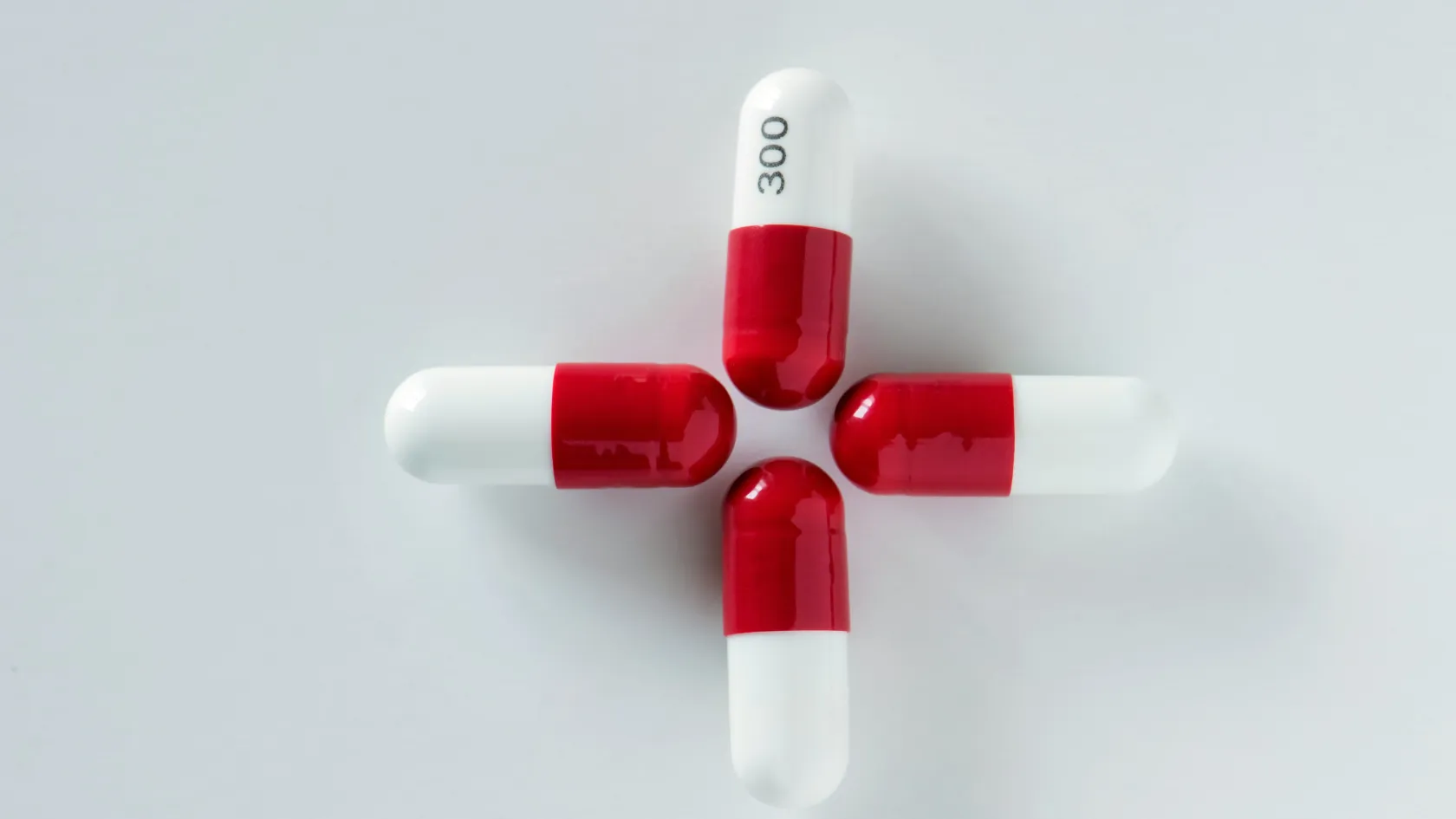
CDK4/6 Inhibitor Therapy
CDK4/6 inhibitors are daily tablets taken with hormone therapy for hormone receptor positive, HER2-negative breast cancer. In advanced disease ribociclib added a year to median survival, 63.9 against 51.4 months, and after surgery it lowered the risk of return. Palbociclib, ribociclib and abemaciclib differ, and one failed where another worked.
About This Department
A tablet added to hormone therapy holds advanced breast cancer back for years. In one trial it added a year to median survival.
CDK4/6 inhibitors, taken as tablets, stop breast cancer cells from dividing. Oncologists combine them with hormone therapy for breast cancer that is hormone receptor positive and HER2 negative, the commonest type, when it has spread and increasingly after surgery for high-risk early disease. In the MONALEESA-2 trial, ribociclib with letrozole gave a median survival of 63.9 months against 51.4 with letrozole alone. Palbociclib, ribociclib and abemaciclib belong to the same family but are not interchangeable, and one of them failed in early breast cancer where another succeeded.
Oncologists write CDK4/6 inhibitors. Patients hear the brand names, Ibrance, Kisqali and Verzenios. This page, CDK4/6 Inhibitor Therapy, covers all three. It sets out how they work, what each trial found, who should take them and what side effects to expect, and then explains how a patient from abroad can start treatment in Istanbul and carry on at home with an oncologist who follows the written plan.
How CDK4/6 inhibitors work
A cell divides only after passing a checkpoint in its cycle, and two enzymes called CDK4 and CDK6 open that gate. Hormone receptor positive breast cancer leans heavily on them, because estrogen drives the enzymes' partner protein. Hormone therapy lowers the estrogen signal. A CDK4/6 inhibitor holds the gate shut from the other side, and together the two slow or stop the cancer's growth far longer than hormone therapy alone. The tablets halt cells without killing them the way chemotherapy does. Hair loss and nausea stay rare as a result.
Hormone receptor positive, HER2 negativeAbout two in three breast cancers are this type. CDK4/6 inhibitors have no established role in HER2-positive or triple-negative breast cancer outside trials, so the receptor report decides everything.
Three drugs, three profiles
The three drugs block the same target and behave differently in the body.
This table scrolls sideways on a narrow screen. Swipe or drag to see every column.
| Drug | How it is taken | What sets it apart |
|---|---|---|
| Palbociclib, Ibrance | 125 milligrams once a day for 21 days, then 7 days off | The first to be approved. Lowers white cells, rarely with fever. Failed after surgery in PALLAS |
| Ribociclib, Kisqali | 600 milligrams a day for 21 days, then 7 off, in advanced disease, 400 milligrams after surgery | Proved longer survival in two advanced trials and lowered recurrence after surgery. Needs ECG checks for heart rhythm and liver tests |
| Abemaciclib, Verzenios | 150 milligrams twice a day, every day without a break | Diarrhea is the main side effect. Approved after surgery for high-risk node-positive disease |
Same family, different resultsRibociclib and abemaciclib lowered recurrence after surgery, while palbociclib did not. The oncologist chooses the drug from the trial that tested it in your situation.
What the trials found
Five randomized trials shape how these drugs are used. Four succeeded.
A year more of life, and a second trial to confirm itIn MONALEESA-2, 668 postmenopausal women with advanced disease received ribociclib or placebo with letrozole. After a median follow-up of 6.6 years, median survival was 63.9 against 51.4 months, a hazard ratio of 0.76. In MONALEESA-7, 672 younger women received ribociclib or placebo with hormone therapy and ovarian suppression, and survival at 42 months was 70.2 against 46.0 percent. Hortobagyi and colleagues, NEJM 2022. Im and colleagues, NEJM 2019.
This table scrolls sideways on a narrow screen. Swipe or drag to see every column.
| Trial | Who took part | Result |
|---|---|---|
| PALOMA-2, palbociclib, NEJM 2016 | 666 postmenopausal women, advanced, first treatment | 24.8 against 14.5 months without progression. Severe neutropenia in 66.4 percent, with fever in 1.8 |
| MONALEESA-2, ribociclib, NEJM 2022 | 668 postmenopausal women, advanced, first treatment | Median survival 63.9 against 51.4 months |
| MONALEESA-7, ribociclib, NEJM 2019 | 672 premenopausal and perimenopausal women, advanced | 70.2 against 46.0 percent alive at 42 months |
| NATALEE, ribociclib, NEJM 2024 | Stage II or III, after surgery, three years of treatment | 90.4 against 87.1 percent free of invasive disease at 3 years |
| PALLAS, palbociclib, Lancet Oncol 2021 | 5,760 patients, stage II or III, after surgery, two years | 88.2 against 88.5 percent at 3 years, no benefit, stopped for futility |
Who is a candidate
- Advanced disease, first treatment. Hormone receptor positive, HER2 negative breast cancer that has spread, in women after the menopause, younger women with ovarian suppression, and men. The combination with an aromatase inhibitor or fulvestrant is the international standard.
- Advanced disease, later treatment. After progression on hormone therapy alone, a CDK4/6 inhibitor with fulvestrant, if none was given before.
- After surgery, higher risk. Stage II or III disease, where ribociclib for three years or abemaciclib for two years is added to hormone therapy, according to the lymph nodes, tumor size and grade.
- Not suitable. HER2-positive or triple-negative cancer, disease that has overwhelmed the liver or lungs and needs chemotherapy to act fast, and heart rhythm problems that rule out ribociclib.
Chemotherapy is not always the stronger choiceFor most women with hormone receptor positive advanced breast cancer, a CDK4/6 inhibitor with hormone therapy comes first and chemotherapy is kept for later. The exception is a cancer that threatens an organ within weeks.
Side effects
Most side effects show up in blood tests before they show up in how you feel. So the tests come every two weeks in the first two months, and a dose change early on protects the long course of treatment that follows, without costing any benefit.
Low white cells are common, and fever with them is rareIn PALOMA-2, severe neutropenia occurred in 66.4 percent of patients on palbociclib, while neutropenia with fever occurred in only 1.8 percent. Blood counts are checked every two weeks at first, and the dose is paused or lowered when they fall.
- Low white cell counts with palbociclib and ribociclib, managed with dose breaks
- Diarrhea with abemaciclib, usually in the first weeks, managed with loperamide and a lower dose
- Tiredness, nausea, mouth sores and thinning hair, usually mild
- Liver test changes with ribociclib and abemaciclib, checked every two weeks for the first two months
- Changes in heart rhythm with ribociclib, checked by ECG, which also rules out certain other medicines
- Blood clots with abemaciclib in a small share of patients, and rare inflammation of the lungs with all three
Starting treatment
A cycle lasts 28 days.
Before the first tablet
Length of stay, flying, cost and the trip
Tablets keep the trip short.
One week to start, then treatment at homeA first visit of five to seven days covers the consultation, any missing receptor tests, staging scans, the ECG and blood tests, and the first days of treatment with a supply. You can fly home as soon as the plan is set. Later reviews can be in Istanbul or with an oncologist at home following the written plan.
What decides the cost, and the trip
Follow-up at home
See a doctor the same dayFor a temperature of 38 degrees or higher, breathlessness or a new cough, palpitations or fainting, a swollen painful leg, yellow skin, or diarrhea that loperamide does not control within a day. Take the tablet box with you.
Once you are back home, your oncologist follows the written schedule from Istanbul, step by step. The coordinator stays reachable on the same WhatsApp number. Clinical questions go to the treating medical oncologist, who has the full file and answers through the coordinator within a working day.
CDK4/6 Inhibitor Therapy FAQ
What are CDK4/6 inhibitors used for?
Which is better, palbociclib, ribociclib or abemaciclib?
Do CDK4/6 inhibitors cause hair loss?
How long is treatment?
Can I start treatment in Istanbul and continue at home?
Is it safe to take other medicines with ribociclib?
References
- Finn RS, Martin M, Rugo HS, et al. Palbociclib and Letrozole in Advanced Breast Cancer. N Engl J Med. 2016;375(20):1925-1936.
- Hortobagyi GN, Stemmer SM, Burris HA, et al. Overall Survival with Ribociclib plus Letrozole in Advanced Breast Cancer. N Engl J Med. 2022;386(10):942-950.
- Im SA, Lu YS, Bardia A, et al. Overall Survival with Ribociclib plus Endocrine Therapy in Breast Cancer. N Engl J Med. 2019;381(4):307-316.
- Slamon D, Lipatov O, Nowecki Z, et al. Ribociclib plus Endocrine Therapy in Early Breast Cancer. N Engl J Med. 2024;390(12):1080-1091.
- Mayer EL, Dueck AC, Martin M, et al. Palbociclib with adjuvant endocrine therapy in early breast cancer (PALLAS): interim analysis of a multicentre, open-label, randomised, phase 3 study. Lancet Oncol. 2021;22(2):212-222.
Editor's note
Written by the Biruni Hospital medical editorial team. Reviewed by Prof. Dr. Özcan YILDIZ, Medical Oncology.
Medically reviewed by

Prof. Dr. Özcan YILDIZ
Medical Oncology
Related Treatments
View All
ALK Inhibitor Therapy
ALK inhibitor therapy treats ALK-positive lung cancer with a daily tablet taken at home. In the CROWN trial 60 percent of patients on lorlatinib were free of progression at five years, alectinib cut brain progression from 45 to 12 percent in ALEX, and two years of alectinib after surgery now protects early disease.

Anti-Angiogenic Therapy
Anti-angiogenic therapy blocks VEGF, the signal tumors use to grow their own blood vessels. Bevacizumab is given by drip with chemotherapy or immunotherapy, and tablets such as sunitinib, axitinib, cabozantinib and lenvatinib are taken at home. It treats bowel, liver, kidney, ovarian, cervical, lung and thyroid cancers. Our oncologists check blood pressure, bleeding risk and surgery timing before the first dose and follow you once you are back home.

Antibody Drug Conjugate Therapy - ADC Therapy
An antibody drug conjugate links an antibody that finds cancer cells to a powerful chemotherapy drug, delivering it inside the tumor. ADCs are now standard in HER2-positive, HER2-low and triple-negative breast cancer and in advanced bladder cancer, where enfortumab vedotin with pembrolizumab raised median survival from 16.1 to 31.5 months.

Atezolizumab Therapy - Tecentriq
Atezolizumab is an immunotherapy drip that blocks PD-L1, the protein tumors use to switch off the immune cells attacking them. It is approved for lung cancer after surgery and in advanced disease, for small cell lung cancer and, with bevacizumab, for advanced liver cancer, where it raised one-year survival from 54.6 to 67.2 percent.

Bevacizumab Therapy - Avastin
Starving a tumor of new blood vessels sounds as if it should work everywhere. The trials say otherwise. Bevacizumab added months of life in bowel, lung, cervical and liver cancer, delayed ovarian cancer, and did nothing for survival in newly diagnosed glioblastoma. This guide gives each result, the side effects, the biosimilars and how a course is planned.