
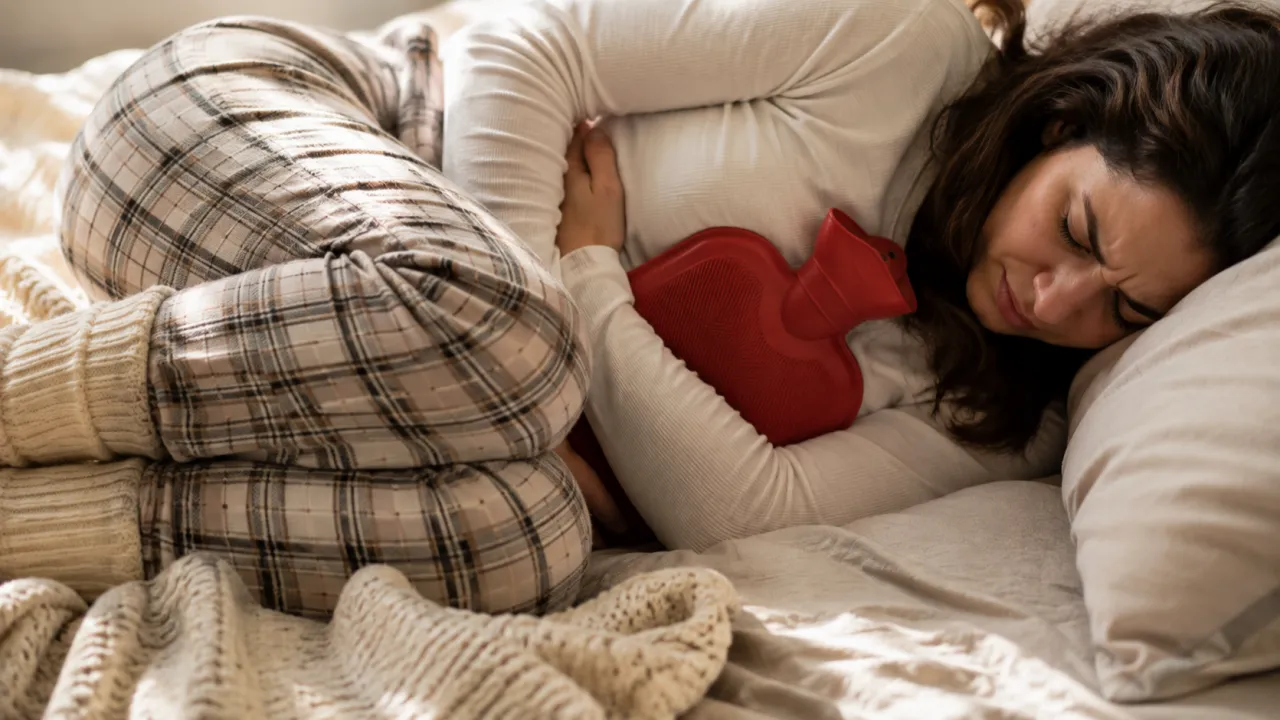
When painful periods may signal endometriosis
Painful periods are often brushed off as something you just have to tolerate. While mild cramping is common during menstruation, severe or persistent pain is not something you should ignore.
For some people, intense menstrual cramps may be linked to endometriosis, a chronic condition that affects millions worldwide and is often diagnosed years after symptoms begin. Knowing the warning signs can help you understand when period pain may need medical evaluation.
What is endometriosis?
Endometriosis is a condition in which tissue similar to the lining of the uterus grows outside the uterus. These tissue growths can respond to hormonal changes during the menstrual cycle, which may lead to:
- inflammation
- pain
- scar tissue formation
Endometriosis most commonly affects pelvic organs, but symptoms can vary widely from one person to another.
5 signs your period cramps may be endometriosis
Period cramps are common, but that doesn't mean all menstrual pain should be ignored. If your cramps feel unusually strong, last longer than expected, or interfere with your daily life, they may be a sign of something more than a normal period. In some cases, these symptoms can be linked to endometriosis.
Your cramps are severe and disrupt daily life
If your period pain prevents you from going to work, school, or carrying out normal activities, it may not be typical menstrual cramps.
Some discomfort during your period is common. However, pain linked to endometriosis is often described as intense or overwhelming. You may notice that:
- you need to stay in bed during your period
- painkillers provide little or no relief
- pain affects your ability to concentrate or function normally
This level of pain is not considered normal and may be related to inflammation caused by endometrial-like tissue growing outside the uterus.
Pain starts before your period and lasts after it ends
Menstrual pain that begins days before bleeding and continues after your period may suggest endometriosis.
Typical period cramps usually start around the first day of bleeding and ease within a few days. With endometriosis, pain often follows a different pattern:
- discomfort begins before menstruation
- pain continues throughout your period
- symptoms linger even after bleeding stops
This happens because endometriosis tissue can react to hormonal changes throughout the entire cycle, not only during menstruation.
You feel pain during or after sexual intercourse
Pain during deep penetration or pelvic pain after sex is not normal and may be associated with endometriosis.
Endometriosis can cause inflammation or scarring in areas behind the uterus or within the pelvic cavity. As a result:
- certain positions may trigger deep pelvic pain
- discomfort may last for hours after intercourse
- pain may affect intimacy and emotional well-being
If painful sex occurs alongside severe period cramps, it is important to mention it to a healthcare professional.
Bowel or bladder pain worsens during your period
Digestive or urinary pain that appears or worsens during menstruation can be linked to endometriosis.
When endometriosis affects tissues near the bowel or bladder, it may cause:
- pain during bowel movements during your period
- bloating, constipation, or diarrhea linked to your cycle
- pelvic pressure or pain when urinating during menstruation
These symptoms are often mistaken for digestive conditions. The key clue is that they follow a menstrual pattern.
Period cramps come with chronic pelvic or lower back pain
If pelvic or lower back pain continues even outside your period, endometriosis may be contributing to your symptoms.
Unlike typical menstrual cramps, endometriosis-related pain can persist throughout the month. Some people experience:
- a constant dull pelvic ache
- lower back pain that worsens during menstruation
- fatigue related to ongoing pain and inflammation
Chronic pain can significantly affect daily life, which is why early medical evaluation is important.
Why endometriosis is often diagnosed late
Endometriosis is often diagnosed 7 to 10 years after symptoms begin. Common reasons include:
- period pain being normalized
- symptoms overlapping with other conditions
- normal results on routine exams
Recognizing symptom patterns can help reduce diagnostic delays.
When should you see a doctor?
You may want to speak with a healthcare professional if:
- your period pain feels unusually severe
- symptoms are getting worse over time
- pain interferes with daily activities or relationships
A gynecologist can assess your symptoms and discuss appropriate diagnostic and treatment options.
Final takeaway
Severe period pain should never be something you feel forced to tolerate. If your cramps feel too intense, too frequent, or too disruptive, listening to your body and seeking medical advice is an important step toward better health.
Editor's note
Written by the Biruni Hospital medical editorial team. Reviewed by Op. Dr. Selda Atar Akal, Gynecology and Obstetrics.
Medically reviewed by
Op. Dr. Selda Atar Akal
Gynecology and Obstetrics
Other Articles
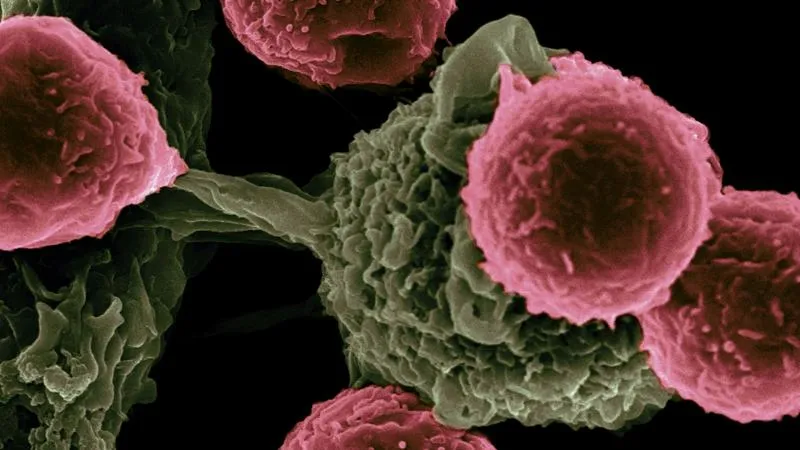
Why does lymphoma occur? Causes and contributing factors
Lymphoma is a type of cancer that originates in the lymphatic system, the network of tissues, vessels, and organs that play a vital role in the body's immune defense. Discover the genetic, viral, environmental, and lifestyle factors that contribute to its development.
Read more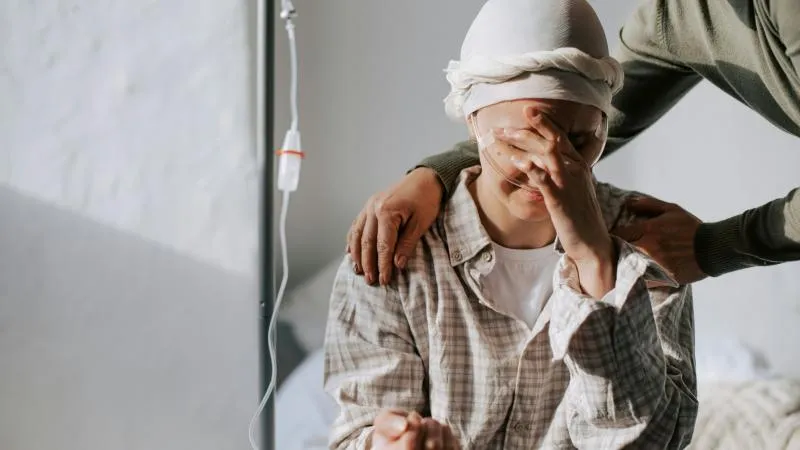
What is a chemotherapy infusion? Duration, process, and what to expect
A chemotherapy infusion is a method of delivering cancer treatment directly into the bloodstream through a vein, usually via an intravenous (IV) line. Learn how long sessions take, what to expect, and how to prepare.
Read more
Will I lose my hair with chemotherapy? everything you need to know
Losing your hair is one of the first concerns many people have when they hear the word chemotherapy. Discover why chemotherapy causes hair loss, when it starts, how long it lasts, and practical ways to cope and support regrowth.
Read more