
What is a chemotherapy infusion? Duration, process, and what to expect
Factors that affect chemotherapy duration
The length of a chemotherapy infusion session can vary from one person to another. Several factors influence how long the session takes and how the treatment is delivered.
Type of chemotherapy drugs: Some drugs are infused quickly, while others need to be given more slowly to reduce side effects. If multiple drugs are used in the same session, the total time is usually longer.
Dosage and infusion rate: Higher doses or specific treatment protocols may require a slower infusion, which increases the overall duration of the session.
Pre-medications: In some cases, medications are given before chemotherapy to help prevent side effects such as nausea or allergic reactions. These steps add extra time to the visit.
Patient's health and response: Healthcare providers may adjust the speed of the infusion depending on how the patient responds during or if any side effects occur.
Preparation and monitoring time: The total time at the clinic includes more than just the infusion itself. It may also include:
- preparation (vital signs, blood tests, IV or port access)
- waiting between steps
- observation after the infusion to ensure everything is stable
Overall, these factors combined determine how long a chemotherapy session will last, which is why the duration can differ from one patient to another.
What happens during a chemotherapy infusion session?
A chemotherapy infusion session takes place in a clinic or hospital and is supervised by healthcare professionals. The process is organized into a few simple steps.
At the beginning, the medical team checks your vital signs and may review blood test results to make sure it is safe to start treatment. This step helps confirm that your body is ready for the infusion.
Next, a nurse prepares the intravenous (IV) access. Chemotherapy is usually given through one of the following:
- a small IV needle placed in a vein
- a catheter
- a port placed under the skin for repeated treatments
Before the chemotherapy starts, you may receive pre-medications to help prevent side effects such as nausea or allergic reactions. These are given through the same IV line.
The chemotherapy drugs are then infused into your bloodstream. Depending on the treatment plan, this part of the session can last from a short time to several hours. During the infusion, you can usually sit in a chair, relax, read, or listen to music.
Throughout the session, the healthcare team monitors your condition and checks that everything is going well. They are available to assist if you feel any discomfort or experience side effects.
At the end of the session, the IV line is removed or disconnected if you have a port. In many cases, you may be observed briefly before leaving the clinic and returning home the same day.
How many chemotherapy sessions will you need?
The number of chemotherapy sessions varies from one person to another and depends mainly on your diagnosis and treatment plan. Chemotherapy is usually given as a series of sessions rather than a single treatment.
In most cases, treatment is organized into cycles. Each cycle includes one or more infusion sessions followed by a rest period. This break allows the body to recover before the next cycle begins and helps maintain a balance between treatment effectiveness and tolerance.
The total number of sessions can range from a few cycles to several months of treatment. Your doctor determines the schedule based on several key factors, including:
- the type and stage of cancer
- the goal of the treatment (curative or to control the disease)
- the specific chemotherapy drugs used
- how your body responds to treatment
In some cases, the treatment plan may be adjusted during the process depending on your progress or how your body reacts to the therapy.
Your healthcare team will provide you with a clear schedule and explain how your sessions are spaced over time, so you can better understand what to expect throughout your treatment journey.
What to expect after a chemotherapy infusion
After a chemotherapy infusion session, most patients can return home the same day. However, it is common to experience some effects in the hours or days that follow, depending on the medication used and individual response.
Common immediate effects
Some people may feel mild fatigue, while others may notice temporary symptoms such as nausea, changes in appetite, or general discomfort. These effects vary in intensity and do not occur in the same way for everyone.
Managing side effects
Your healthcare team may prescribe medications to prevent or reduce side effects. It is important to follow the instructions provided and take any medication as prescribed. Simple habits such as staying hydrated, resting, and maintaining a balanced diet can also support recovery.
Monitoring your condition
In the days after treatment, your body continues to process the chemotherapy. You may be asked to monitor your symptoms and inform your doctor if anything unusual or persistent occurs. This helps ensure proper follow-up and care if needed.
Overall, recovery after a chemotherapy infusion is gradual, and many patients are able to continue their daily activities with some adjustments as they feel.
Tips to prepare for your chemotherapy session
Preparing for a chemotherapy infusion can help make the experience more comfortable and reduce stress on the day of your treatment. While your healthcare team will guide you based on your specific case, a few general tips can be helpful.
Before your appointment
- Follow any instructions given by your doctor, such as fasting or taking pre-medications
- Wear comfortable clothing with easy access to your arms or chest area
- Eat a light meal unless advised otherwise
What to bring with you
- Personal items to help you stay relaxed, such as a book, headphones, or music
- A water bottle to stay hydrated
- A list of your current medications if requested by your care team
During the session
- Plan to spend a few hours at the clinic to allow time for preparation, the infusion itself, and monitoring
- Try to stay relaxed by reading, listening to music, or resting during the infusion
After the session
- Arrange for transportation if you feel tired after treatment
- Rest when needed and avoid strenuous activities if you do not feel well
- Follow any aftercare instructions provided by your healthcare team
Being prepared can help you feel more comfortable and in control, allowing you to approach your chemotherapy sessions with greater confidence.
Editor's note
Written by the Biruni Hospital medical editorial team. Reviewed by Celal Civil, Internal Medicine.
Medically reviewed by

Celal Civil
Internal Medicine
Other Articles
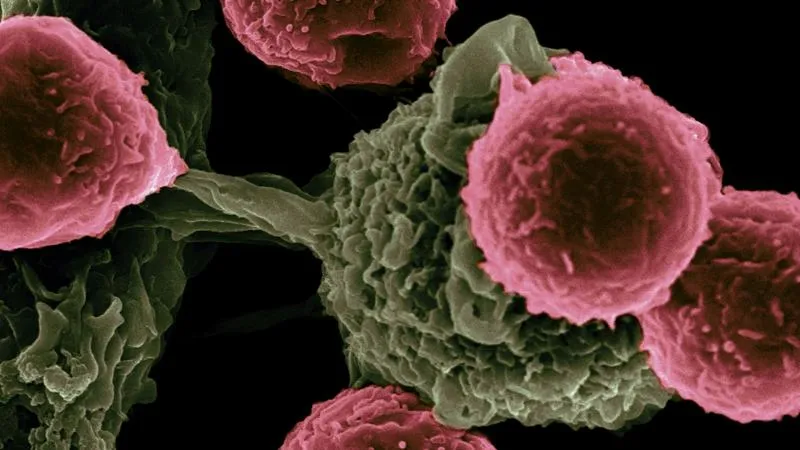
Why does lymphoma occur? Causes and contributing factors
Lymphoma is a type of cancer that originates in the lymphatic system, the network of tissues, vessels, and organs that play a vital role in the body's immune defense. Discover the genetic, viral, environmental, and lifestyle factors that contribute to its development.
Read more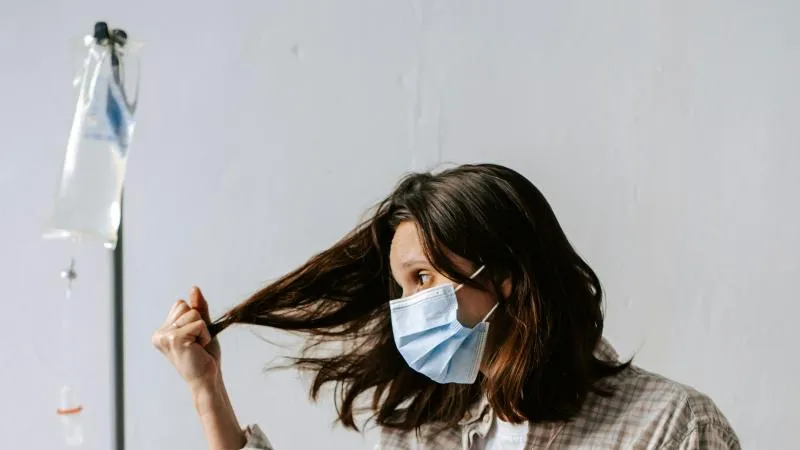
Will I lose my hair with chemotherapy? everything you need to know
Losing your hair is one of the first concerns many people have when they hear the word chemotherapy. Discover why chemotherapy causes hair loss, when it starts, how long it lasts, and practical ways to cope and support regrowth.
Read more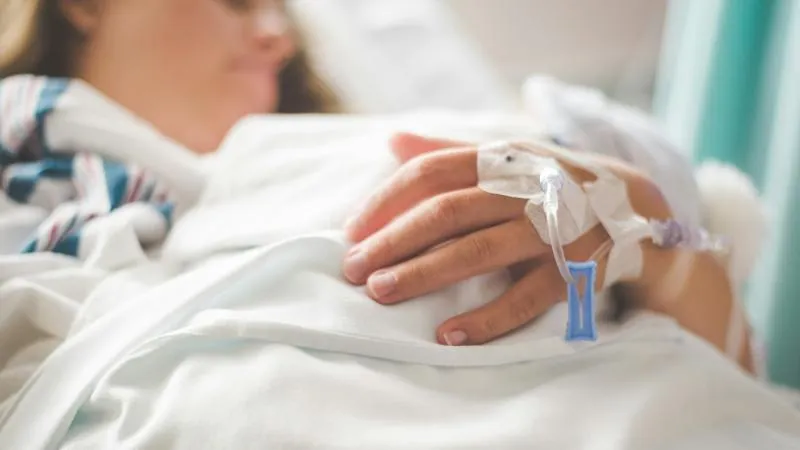
Is chemotherapy painful? real patient experiences & pain management
Chemotherapy is one of the most common treatments used to fight cancer. While it plays a crucial role in saving lives, many patients feel anxious before starting treatment. Discover what really happens during treatment and how pain can be managed effectively.
Read more