Pediatric Bone Marrow Transplant - Children's Bone Marrow Transplant
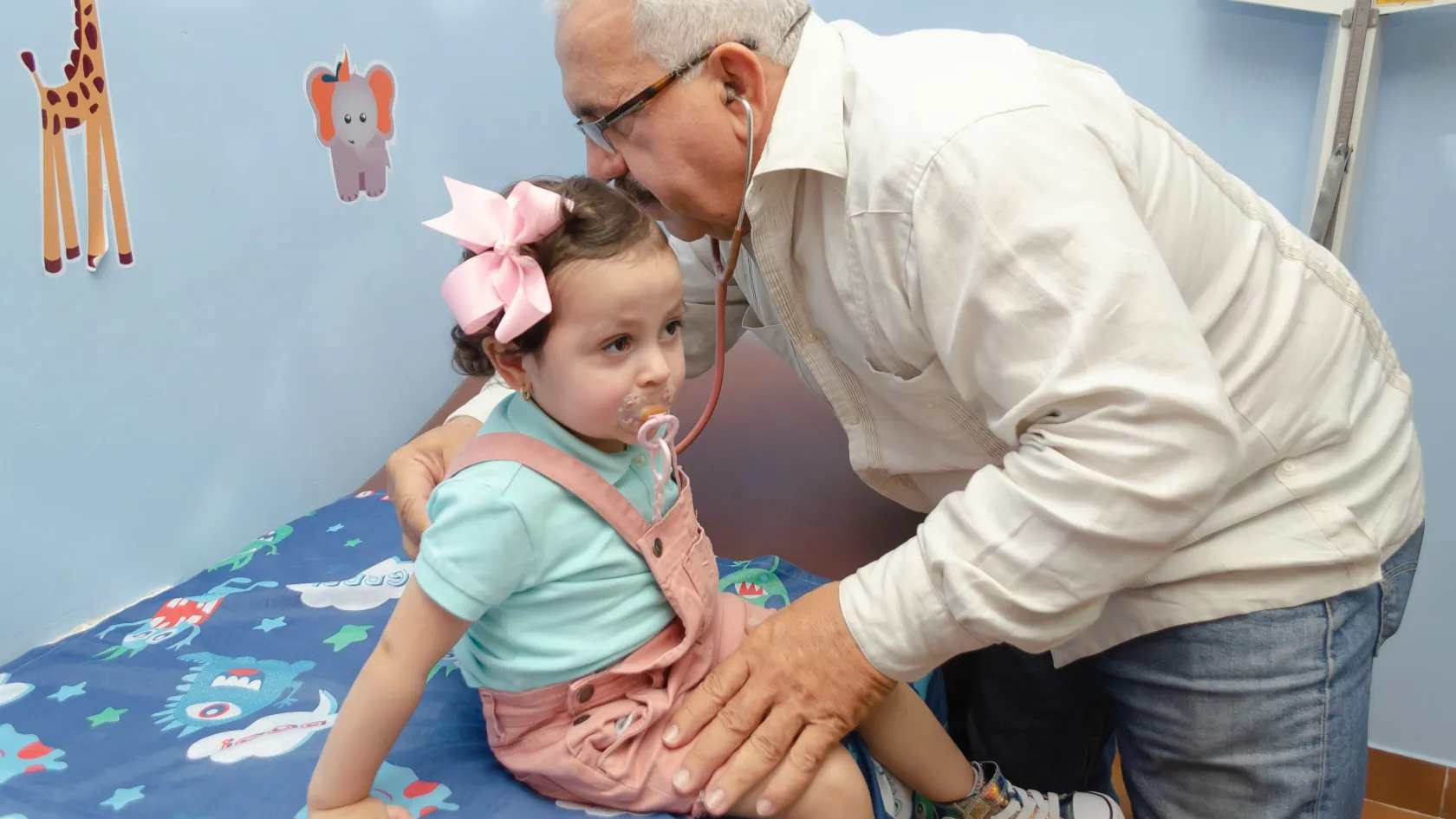
Pediatric bone marrow transplant, also called children's bone marrow transplant, gives a child healthy blood-forming stem cells from a matched sibling, an unrelated donor, a parent or cord blood. It treats high-risk leukemia, thalassemia, sickle cell disease, aplastic anemia and inherited immune deficiencies. Our pediatric transplant team plans donor testing, conditioning, isolation and long-term follow-up, with a coordinator who supports families from abroad.
About This Department
Pediatric Hematology
A bone marrow transplant replaces a child's failing blood system with a healthy one. For many children it is the only treatment that cures the disease.
Pediatric bone marrow transplant, also called children's bone marrow transplant or hematopoietic stem cell transplantation, gives a child new blood-forming stem cells from a donor or from the child's own body. It treats high-risk leukemia, thalassemia, sickle cell disease, aplastic anemia, inherited immune deficiencies and some metabolic diseases. Results in children are strong. In an international survey of 1,000 patients with sickle cell disease, most of them children, 91.4 percent were alive and free of disease five years after a transplant from a matched brother or sister (Gluckman and colleagues, Blood, 2017). This page explains which children need a transplant, donor types, conditioning, the transplant day, isolation, graft versus host disease, infections, life after transplant, and how families from abroad arrange a pediatric bone marrow transplant at Biruni Hospital in Istanbul.
91.4%
Five-year event-free survival after matched sibling transplant for sickle cell disease
94%
Survival of infants with SCID transplanted by three and a half months of age
91%
Two-year survival with total body irradiation conditioning for high-risk childhood ALL
Free
Review of your child's reports by our pediatric transplant team
Stem cells in the bone marrow make red cells, white cells and platelets. A transplant replaces diseased or failing stem cells with healthy ones that settle in the marrow and rebuild the blood and immune system.
Two kinds of transplant
Type
Stem cells from
Main use in children
Allogeneic
A donor, such as a sibling, unrelated volunteer, parent or cord blood
Neuroblastoma, relapsed lymphoma, some brain tumors
Where the cells come from
Doctors collect stem cells from the hip bone under anesthesia, from the blood after growth factor injections, or from umbilical cord blood stored at birth. For children with non-cancer diseases, bone marrow from the hip is the preferred source because it carries a lower risk of chronic graft versus host disease.
Stem cell sources
Source
Collection
Feature
Bone marrow
Needles in the back of the hip bone, under anesthesia
Preferred for thalassemia and sickle cell disease
Peripheral blood
Machine collection from a vein over four to five hours
Faster engraftment
Cord blood
Stored unit from a public or family bank
Allows a less complete match
When a child needs one
A transplant is recommended when the disease cannot be cured or controlled with standard treatment, or when the risks of living with the disease outweigh the risks of the transplant.
Timing matters. Children transplanted early, before organ damage from iron overload, strokes or repeated infections, do better than children transplanted after years of complications, and in the sickle cell survey event-free survival fell as age at transplant rose (Gluckman and colleagues, 2017).
Leukemia that returned after chemotherapy, or that carries high-risk genetic changes.
Thalassemia major in a child who depends on regular transfusions every three to four weeks.
Sickle cell disease with a stroke, an abnormal brain artery scan, repeated pain crises or acute chest syndrome.
Severe aplastic anemia, especially with a matched sibling donor.
Severe combined immunodeficiency and other inherited immune disorders.
Our separate pages on bone marrow transplant for thalassemia and for aplastic anemia cover those diseases in detail, including preparation and results.
Metabolic and rare diseases
Children with Hurler syndrome, some leukodystrophies and osteopetrosis benefit from a transplant early in life, before the disease damages the brain and bones. Each case is discussed by our transplant board.
Every referral reaches a multidisciplinary board of pediatric hematologists, oncologists, transplant physicians and intensive care specialists.
Children with a solid tumor
2
High-dose treatment and rescue
For high-risk neuroblastoma and some relapsed tumors, doctors collect the child's own stem cells, give high-dose chemotherapy, then return the cells to restore the marrow.
Choosing the donor
The best donor for most children is a brother or sister with the same tissue type, called a matched sibling. Each full sibling has a one in four chance of being a match. When no sibling matches, we search for an unrelated volunteer, use a half-matched parent, called a haploidentical donor, or use cord blood.
Donor types
Donor
Match
Note
Matched sibling
Full match
First choice, available within weeks
Matched unrelated
Full or near-full match from a registry
Search takes one to three months
Haploidentical parent or sibling
Half match
Available for almost every child, needs special drugs to prevent graft versus host disease
Cord blood
Partial match accepted
Slower recovery of blood counts
Children can be donors for a brother or sister, and bone marrow collection from a child donor follows strict safety rules.
A parent donor gives cells from the blood or, under anesthesia, from the hip bone.
A separate physician checks donor safety.
Families often ask whether a parent is a good donor. A parent always shares half the tissue type with the child, and modern haploidentical methods make parents a strong option when no matched donor exists.
Tissue typing and the donor search
1
HLA typing
A blood sample or cheek swab from the patient and each full sibling shows the tissue type, called HLA. Results take one to two weeks.
If no sibling matches, our team starts a search in the Turkish and international donor registries. Families living abroad can send samples from home, and we arrange typing of relatives in their own country when shipping is easier.
Steps in the donor search
Step
Timing
Result
HLA typing of patient and siblings
One to two weeks
Sibling match or not
Registry search
Preliminary list within days
Possible unrelated donors
Confirmatory typing and donor workup
Four to eight weeks
Collection date set
Results in children
Numbers depend on the disease.
In severe combined immunodeficiency, a study of 240 infants transplanted at 25 North American centers between 2000 and 2009 found five-year survival of 94 percent in babies transplanted at three and a half months of age or younger, 90 percent in older infants without infection, and 82 percent in older infants whose infection had cleared before the transplant (Pai and colleagues, 2014). In sickle cell disease, 91.4 percent of patients were alive and free of disease five years after a matched sibling transplant, and overall survival reached 92.9 percent (Gluckman and colleagues, 2017). In high-risk acute lymphoblastic leukemia, the international FORUM trial randomized 417 children and young people aged 4 to 21 years, and two-year survival was 91 percent with total body irradiation and etoposide against 75 percent with chemotherapy-only conditioning, and relapse fell from 33 percent to 12 percent (Peters and colleagues, 2021). Earlier diagnosis, early referral and a healthier child at transplant all improve these results. We review reports fast. The transplant is planned as soon as a donor is ready.
We share our own unit figures on request.
Conditioning
What conditioning means
Before the new cells are given, the child receives chemotherapy, sometimes with radiotherapy, to clear the diseased marrow, make room for the new cells and suppress the immune system so the cells are not rejected. This phase lasts five to ten days.
The regimen depends on the disease. For leukemia, the aim is to destroy every leukemia cell. For thalassemia and sickle cell disease, the aim is to make room for donor cells with the least long-term harm, and reduced-intensity regimens suit some children with marrow failure and immune deficiency.
In the FORUM trial, treatment-related deaths at two years were 2 percent after total body irradiation and 9 percent after chemotherapy conditioning (Peters and colleagues, 2021).
1
Radiotherapy in our hospital
Total body irradiation is planned by radiation oncologists on our Elekta Versa HD linear accelerator, with sessions over three to four days and children under four treated with chemotherapy only.
Transplant day
Day zero
The infusion
Step
Detail
Duration
Premedication
Medicines to prevent reactions
Thirty minutes
Infusion
Stem cells given through the central line like a blood transfusion
Thirty minutes to a few hours
Monitoring
Vital signs checked closely
Through the day
No operation takes place on transplant day. The child stays in the room, often awake and watching cartoons, while the cells drip in through the central venous line placed before conditioning.
The donor on the same day
1
Fresh cells
For sibling and parent donors, collection takes place the same morning, and the cells go straight from the laboratory to the child's room.
Engraftment and isolation
The child stays in a single room with filtered air in our pediatric transplant unit, and one parent stays in the room day and night.
Blood counts fall to their lowest point in the first week, and engraftment, when the new cells start making white cells, follows in two to four weeks. Until then, the child needs transfusions of red cells and platelets and protection from infection.
Mouth sores and eating
Painful mouth sores, called mucositis, are common in the second week. Pain medicines through a pump and nutrition through a vein or feeding tube keep the child comfortable and nourished until the mouth heals.
A typical hospital course
Phase
Timing
Focus
Conditioning
Days -10 to -1
Chemotherapy and fluids
Low counts
Days 0 to 20
Infection prevention, transfusions
Engraftment
Days 14 to 30
Rising white cells
Discharge
Weeks four to six
Eating, drinking, taking medicines by mouth
1
Play and learning
Play therapists and teachers visit the room, and tablets and video calls keep children in touch with siblings and friends.
Graft versus host disease
In graft versus host disease, the donor immune cells attack the child's skin, gut or liver. Acute disease appears in the first months as rash, diarrhea or jaundice, and chronic disease appears later, with dry eyes and mouth, skin changes or lung problems.
Children develop severe graft versus host disease less often than adults, and a matched sibling donor gives the lowest risk.
Watching for early signs
Parents learn to report any rash, loose stool, poor appetite or yellow eyes the same day. Early treatment works best.
Infections
Antibiotics, antifungals and antivirals begin before the counts fall.
Weekly blood tests track cytomegalovirus, Epstein-Barr virus and adenovirus, so treatment starts before the virus causes illness.
Any fever is treated within an hour of the first reading.
Infection risk over time
Period
Main risk
Protection
First month
Bacteria and fungi
Isolation, filtered air, preventive medicines
Months one to three
Viral reactivation
Weekly virus tests, early antivirals
After month three
Respiratory and encapsulated bacteria
Vaccination program, preventive antibiotics
1
Vaccines again
A transplant erases the child's vaccine protection. Revaccination starts six to twelve months after the transplant and follows a full schedule over two years.
Long-term follow-up
Children return to the clinic twice weekly in the first months, then less often as the immune system recovers. Immunosuppressive medicines are reduced over six to twelve months when there is no graft versus host disease.
Late effects
Growth, puberty, fertility, thyroid function, heart, lungs, eyes, kidneys and school performance are checked every year by a long-term follow-up team.
Fertility preservation
Before conditioning, we discuss freezing sperm in adolescent boys and ovarian or testicular tissue in younger children, because high-dose chemotherapy and radiotherapy can cause infertility. The choice belongs to the family.
Family life during treatment
Siblings matter too.
A donor brother or sister needs explanation, attention and praise, and siblings at home feel the absence of a parent and the ill child. Our psychologists and social workers support every family member, prepare children for procedures with age-appropriate stories and play, and help parents plan return to school, which follows six to twelve months after the transplant once the immune system has recovered. Nobody is left out.
For families from abroad
Planning your stay
Phase
Length of stay
Where
Workup and donor testing
One to two weeks
Outpatient, hotel or apartment
Transplant admission
Four to six weeks
Pediatric transplant unit
Early follow-up
Until day 100
Apartment near the hospital
Support from the international patients office
One coordinator from the international patients office handles arrangements from the first message through discharge and answers the same WhatsApp number after you return. The office works in English, Arabic, French, Russian, Serbian, Romanian and Spanish and books interpreters for other languages, and it arranges the visa invitation letter for the child, parents and donor, airport transfers, daily transport and accommodation near the hospital. Halal, vegetarian and diabetic meals, a prayer room on site, and a female physician on request wherever the rota allows.
1
Fitness to fly and after you return home
Fitness to fly is assessed at around day 100, when counts are stable and infections are controlled. Your local pediatrician receives a full report, and we continue follow-up by video and through blood tests at home.
Cost
1
What decides the price
Donor type, the donor search, conditioning, length of the admission and complications such as graft versus host disease decide the final cost.
We send a written quote after reviewing your child's reports and tissue typing, before you travel, stating the expected admission, medicines, donor collection and the first months of follow-up.
An unrelated donor search and cell shipment add registry fees, which we list separately in the quote.
References
Gluckman E, Cappelli B, Bernaudin F, et al. Sickle cell disease, an international survey of results of HLA-identical sibling hematopoietic stem cell transplantation. Blood. 2017;129(11):1548-1556.
Pai SY, Logan BR, Griffith LM, et al. Transplantation outcomes for severe combined immunodeficiency, 2000-2009. N Engl J Med. 2014;371(5):434-446.
Peters C, Dalle JH, Locatelli F, et al. Total body irradiation or chemotherapy conditioning in childhood ALL, a multinational, randomized, noninferiority phase III study. J Clin Oncol. 2021;39(4):295-307.
Editor's note
Written by the Biruni Hospital medical editorial team. Reviewed by Assistant Professor Kamil Değer DEVECİOĞLU, Pediatric Surgery.