
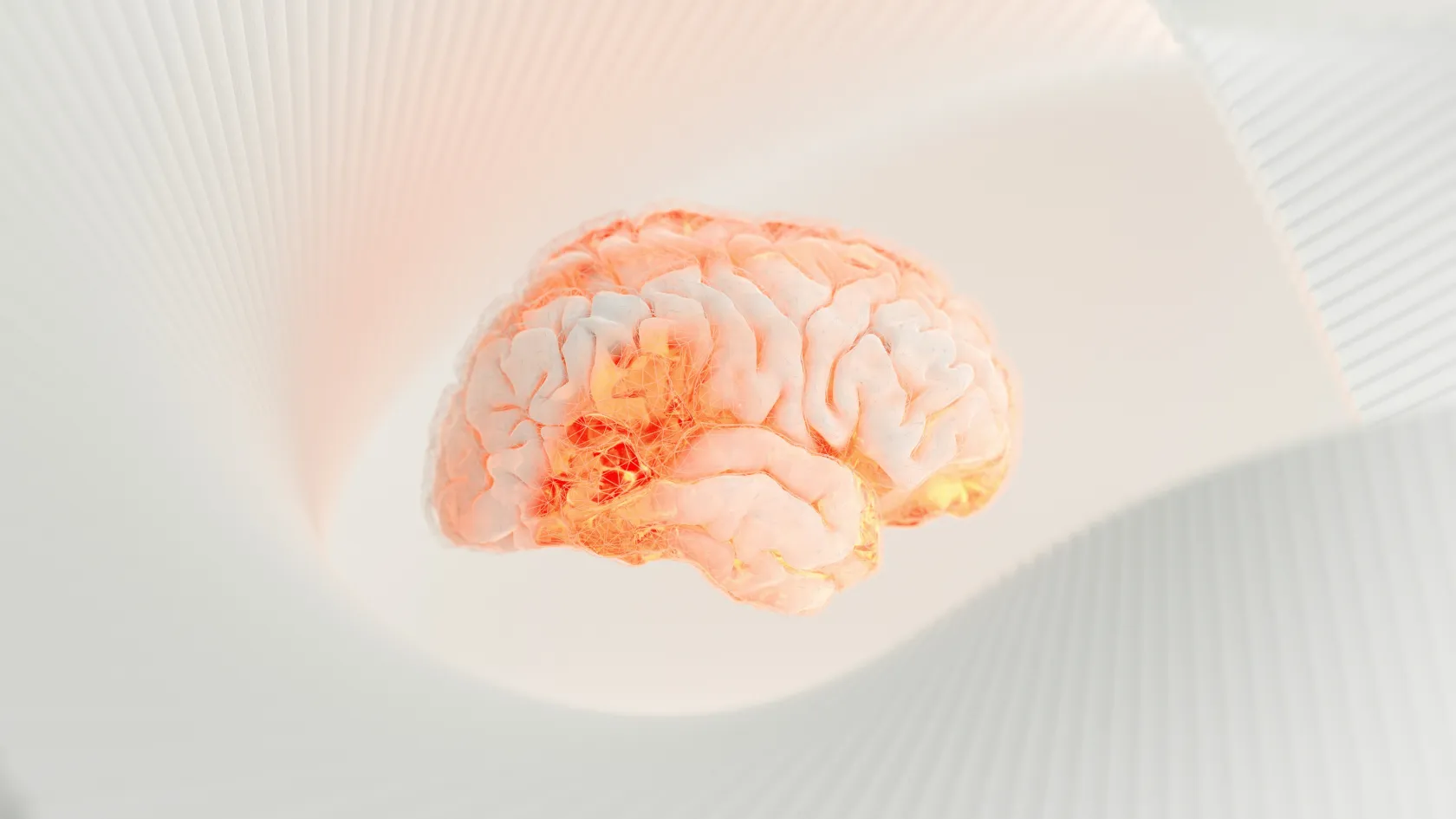
Medulloblastoma Surgery
Medulloblastoma surgery removes a fast-growing tumor from the cerebellum, relieves hydrocephalus and provides tissue for molecular subgrouping before craniospinal radiotherapy and chemotherapy. The goal is maximum safe removal without injuring the brainstem. At Biruni Hospital in Istanbul, our pediatric neurosurgeons operate with navigation and nerve monitoring, and our neuro-oncology board plans radiotherapy on the Elekta Versa HD and follows each child for years.
About This Department
Medulloblastoma is the most common malignant brain tumor of childhood. Safe surgery opens the path to radiotherapy, chemotherapy and cure.
Medulloblastoma surgery removes a fast-growing tumor from the cerebellum, the back part of the brain that controls balance and coordination, in children and occasionally in adults. The operation relieves pressure on the brain, provides tissue for the molecular tests that define the tumor's subgroup, and removes as much tumor as is safe before radiotherapy and chemotherapy. Safety comes before the last few millimeters. In 787 patients from 35 centers, removing every visible trace gave no survival advantage over leaving a residue smaller than 1.5 square centimeters once the molecular subgroup was taken into account (Thompson and colleagues, Lancet Oncology, 2016). Children with average risk disease reach five-year event-free survival above 80 percent with modern treatment (Michalski and colleagues, Journal of Clinical Oncology, 2021). This page explains symptoms, tests, hydrocephalus, the operation, speech problems after surgery, molecular subgroups, radiotherapy and chemotherapy, follow-up, and how families from abroad arrange medulloblastoma surgery at Biruni Hospital in Istanbul.
What medulloblastoma is
Who it affects
| Feature | Detail | Note |
|---|---|---|
| Share of childhood brain tumors | Around one in five | Most common malignant type |
| Peak age | Three to eight years | Also infants and adults |
| Spread | Through the spinal fluid to the brain and spine | Checked at diagnosis |
The diagnosis is frightening. A clear plan in the first days, made by an experienced team, makes the biggest difference.
| Specialist | Role | When |
|---|---|---|
| Pediatric neurosurgeon | Surgery and hydrocephalus care | First days |
| Pediatric neuro-oncologist | Chemotherapy and overall plan | From diagnosis |
| Radiation oncologist | Craniospinal radiotherapy | Four weeks after surgery |
| Neuropathologist | Diagnosis and molecular subgroup | After surgery |
Symptoms
| Symptom | Cause | Typical pattern |
|---|---|---|
| Morning headache and vomiting | Raised pressure from blocked fluid | Worse on waking, eases later |
| Unsteady walking, clumsiness | Pressure on the cerebellum | Weeks to months |
| Double vision, head tilt | Pressure on nerves | Later sign |
| Large head in infants | Hydrocephalus | Bulging soft spot |
| Sign | Why | Action |
|---|---|---|
| Drowsiness or confusion | Rising brain pressure | At once |
| Severe headache with vomiting | Rising brain pressure | At once |
| Sudden loss of vision | Pressure on the optic nerves | At once |
Could we have noticed earlier?
Tests before surgery
MRI of the whole brain and the whole spine is done before surgery whenever possible, because blood and debris after the operation can mimic tumor spread on spine images.
| Test | Purpose | Timing |
|---|---|---|
| MRI brain with contrast | Tumor size, position, hydrocephalus | At diagnosis |
| MRI whole spine | Spread through the spinal fluid | Before surgery |
| Blood tests | Fitness for surgery | Day before |
| Eye examination | Swelling of the optic nerve | At diagnosis |
Genetic counseling is offered when the tumor type suggests an inherited condition, such as Gorlin syndrome or Li-Fraumeni syndrome.
Staging after surgery
| Element | Method | Effect on treatment |
|---|---|---|
| Residual tumor | MRI within 48 to 72 hours of surgery | Over 1.5 square centimeters raises the risk group |
| Spread | Spine MRI and spinal fluid | Metastatic disease needs more intensive treatment |
| Biology | Histology and molecular subgroup | Defines risk |
Hydrocephalus
Will our child need a shunt for life?
What parents can expect
The first week moves fast.
Scans, steroids, the meeting with the neurosurgeon, the operation and the first days in intensive care all fall within a few days of diagnosis, and families face decisions with little time to think, so we give each family one named contact, explain each step in plain words with an interpreter when needed, and write down the plan for the weeks that follow, from pathology results to the start of radiotherapy. Parents stay with the child before anesthesia and in the room throughout the stay.
Questions are welcome at every step.
The operation
| Step | What happens | Time |
|---|---|---|
| Anesthesia and positioning | Child lies face down, head fixed | One hour |
| Opening | Incision at the back of the head, small bone window | Thirty minutes |
| Tumor removal | Microscope, navigation, monitoring | Three to five hours |
| Closing | Bone replaced, skin closed | One hour |
The brainstem lies directly in front of the tumor. Where the tumor sticks to it, the surgeon leaves a thin layer rather than risk injury.
- Children wake in the pediatric intensive care unit and stay one to two days.
- Most go home seven to ten days after surgery.
- An MRI within 48 to 72 hours confirms how much tumor was removed.
How much tumor to remove
| Comparison | Progression-free survival | Overall survival |
|---|---|---|
| Complete against near-complete removal | No difference | No difference |
| Complete against residue over 1.5 square centimeters | Benefit, mainly in group 4 | No significant difference |
| WNT, SHH and group 3 tumors | No benefit from more removal | No benefit |
Second surgery
When the early MRI shows a residue larger than 1.5 square centimeters that can be removed safely, a second look operation is discussed before radiotherapy.
| Factor | Effect | Example |
|---|---|---|
| Attachment to the brainstem | Leave a thin layer | Floor of the fourth ventricle |
| Molecular subgroup | More removal helps some groups | Group 4 with metastases |
| Child's age | Protect function in infants | Radiotherapy delayed |
Speech and mutism after surgery
| Finding | Result | Note |
|---|---|---|
| Speech impairment after surgery | 30 percent | Mutism or severely reduced speech |
| Mutism | 14 percent | Starts within the first days |
| Medulloblastoma against benign astrocytoma | 2.85 times the risk | Midline tumors carry more risk |
| Telovelar against transvermian approach | No significant difference | Approach not the main factor |
Speech and language therapy, physiotherapy and swallowing support start in the first days, and parents learn ways to communicate while speech returns.
Can we prevent mutism?
Some children keep subtle problems with speech fluency, coordination or attention, and our rehabilitation team follows them closely.
Molecular subgroups
What each group means
| Subgroup | Typical patient | Outlook |
|---|---|---|
| WNT | School age children and teenagers | Excellent, trials test lighter treatment |
| SHH | Infants and adults, some with inherited syndromes | Variable, depends on TP53 |
| Group 3 | Infants and young children, MYC amplification in some | Poorest, intensive treatment |
| Group 4 | Most common, all ages | Intermediate |
Tumor tissue goes for molecular testing in a reference laboratory. Results arrive within two to three weeks and refine the risk group before radiotherapy starts.
Why tissue quality matters
A well preserved tumor sample, frozen and fixed in the operating room, is needed for these tests, and our surgeons and neuropathologists prepare the samples together during the operation.
Radiotherapy
| Comparison | Five-year event-free survival | Conclusion |
|---|---|---|
| Boost to tumor bed only | 82.5 percent | Not inferior |
| Boost to whole posterior fossa | 80.5 percent | Standard before the trial |
| Low dose craniospinal, 18 Gy, young children | 71.4 percent | Inferior to 23.4 Gy at 82.9 percent |
Craniospinal radiotherapy
Our radiation oncology team plans craniospinal radiotherapy on the Elekta Versa HD linear accelerator, with image guidance at each session and play specialists who help young children lie still without anesthesia when possible.
Chemotherapy and young children
After radiotherapy, six to nine months of chemotherapy follow, with cisplatin, vincristine and lomustine or cyclophosphamide.
| Effect | Cause | Protection |
|---|---|---|
| Hearing loss | Cisplatin | Hearing tests before each cycle, dose changes |
| Low blood counts and infection | All drugs | Blood tests, fever plan |
| Kidney strain | Cisplatin | Fluids and kidney tests |
Each young child's plan depends on subgroup and spread. We discuss the balance between cure and long-term effects openly.
Follow-up and late effects
| Test | How often | Purpose |
|---|---|---|
| MRI brain and spine | Every three months in years one and two, then less often | Tumor return |
| Hearing tests | Yearly | Cisplatin effects |
| Growth and hormone tests | Yearly | Pituitary and thyroid effects of radiotherapy |
| Neuropsychology | At set ages | Learning and memory |
Most relapses appear within the first three years. Follow-up continues into adulthood for late effects.
Second tumors
Long-term survivors have a small risk of a second tumor in the radiotherapy field, which is one reason follow-up continues for life.
Back to school
Return to school gives back a normal life.
Most children return to school during or after chemotherapy, at first part time, and our teachers and psychologists prepare a report for the school on fatigue, hearing, attention, balance and the support the child needs in class, from seating at the front to extra time in examinations, while physiotherapy continues for balance and coordination problems that remain after surgery. Brothers and sisters receive support too.
Children adapt, with the right help.
For families from abroad
Traveling with raised brain pressure
Families staying for radiotherapy can rent apartments near the hospital, and siblings can join.
Cost
Compare quotes for the same plan, and check that intensive care, early MRI, molecular testing and rehabilitation are included.
| Item | Included | Priced separately |
|---|---|---|
| Surgery | Neurosurgeon, anesthesia, navigation, monitoring, pathology | Shunt or second operation |
| Hospital | Intensive care and ward stay as planned | Extra days, rehabilitation stay |
| Tests | Early MRI, spinal fluid analysis | Molecular testing abroad when needed |
| Further treatment | Not included in the surgical quote | Radiotherapy, chemotherapy |
References
- Thompson EM, Hielscher T, Bouffet E, et al. Prognostic value of medulloblastoma extent of resection after accounting for molecular subgroup, a retrospective integrated clinical and molecular analysis. Lancet Oncol. 2016;17(4):484-495.
- Grønbæk JK, Wibroe M, Toescu S, et al. Postoperative speech impairment and surgical approach to posterior fossa tumours in children, a prospective European multicentre cohort study. Lancet Child Adolesc Health. 2021;5(11):814-824.
- Michalski JM, Janss AJ, Vezina LG, et al. Children's Oncology Group phase III trial of reduced-dose and reduced-volume radiotherapy with chemotherapy for newly diagnosed average-risk medulloblastoma. J Clin Oncol. 2021;39(24):2685-2697.
- Taylor MD, Northcott PA, Korshunov A, et al. Molecular subgroups of medulloblastoma, the current consensus. Acta Neuropathol. 2012;123(4):465-472.
Editor's note
Written by the Biruni Hospital medical editorial team. Reviewed by Didem Yayla Karakurt, Pediatric Health and Diseases.
Medically reviewed by
Didem Yayla Karakurt
Pediatric Health and Diseases
Related Treatments
View All
Appendectomy For Children - Pediatric Appendix Surgery
Appendicitis is the commonest reason for emergency abdominal surgery in children, and a child with the warning signs needs an emergency department the same day. This guide covers the signs to watch for, diagnosis with ultrasound, keyhole surgery against antibiotics alone, perforated appendicitis, recovery and what families in Istanbul need to know.
Biliary Atresia Surgery
Biliary atresia blocks the bile ducts of a newborn, and the Kasai operation restores bile flow in about half of babies, best when done in the first weeks of life. This guide covers the warning signs of pale stools and lasting jaundice, diagnosis, the Kasai, results in expert centers, liver transplant, stool color screening and the stay.
Circumcision Surgery
Circumcision removes the foreskin for religious, cultural or medical reasons, in babies, boys and adults. With a trained surgeon and proper pain relief, complications are rare and lowest in the first year of life. This guide covers the reasons, the best age, pain relief, techniques, health effects from the main studies, healing and the short stay in Istanbul.
Hepatoblastoma Surgery - Liver Cancer Surgery Child
Hepatoblastoma surgery removes the most common liver cancer of young children, after cisplatin chemotherapy has shrunk the tumor. Depending on PRETEXT stage, the surgeon removes part of the liver or, when the tumor cannot be resected, replaces it with a living donor transplant. At Biruni Hospital in Istanbul, our pediatric oncology, liver surgery and transplant teams plan each child's treatment together, protect hearing during chemotherapy and follow every child with AFP tests.
Hydrocephalus Surgery Child
Hydrocephalus in children is treated with a shunt that drains fluid to the abdomen or with an endoscopic third ventriculostomy that needs no implant. Choosing the right treatment spares many children a lifelong shunt, and modern protocols cut shunt infection. This guide covers both operations, who suits each, signs of failure, results, follow-up and the stay.