
HCC Treatment - Hepatocellular Carcinoma Treatment
Hepatocellular carcinoma grows in a liver already damaged by hepatitis or cirrhosis, so treatment has to answer the tumor and the liver together. Ablation, resection and transplant cure small tumors, embolization controls tumors confined to the liver, and an immunotherapy combination keeps two thirds of patients with advanced disease alive at one year.
About This Department
Liver cancer is two diseases at once, the tumor and the liver it grew in. Good treatment answers both.
A scan done for hepatitis, for cirrhosis, or for an unrelated reason has found a mass in the liver, and the report calls it hepatocellular carcinoma or asks whether it could be. Hepatocellular carcinoma, the commonest primary liver cancer, stands apart from other cancers in two ways. It almost always grows in a liver already scarred by hepatitis B, hepatitis C, alcohol or fatty liver disease, so every treatment has to spare a liver that is already struggling. And a typical pattern on scans diagnoses it without a biopsy. Treatment runs from ablation and surgery that cure small tumors, through transplantation, which cures the cancer and the cirrhosis together and gave 75 percent four-year survival in the trial that set its criteria, to embolization that controls tumors confined to the liver and, since 2020, an immunotherapy combination that keeps two thirds of patients with advanced disease alive at one year. This page walks through the stages, what each one is offered, what the evidence says, and how a stay in Istanbul is planned for each kind of treatment.
A cancer that grows in a damaged liver
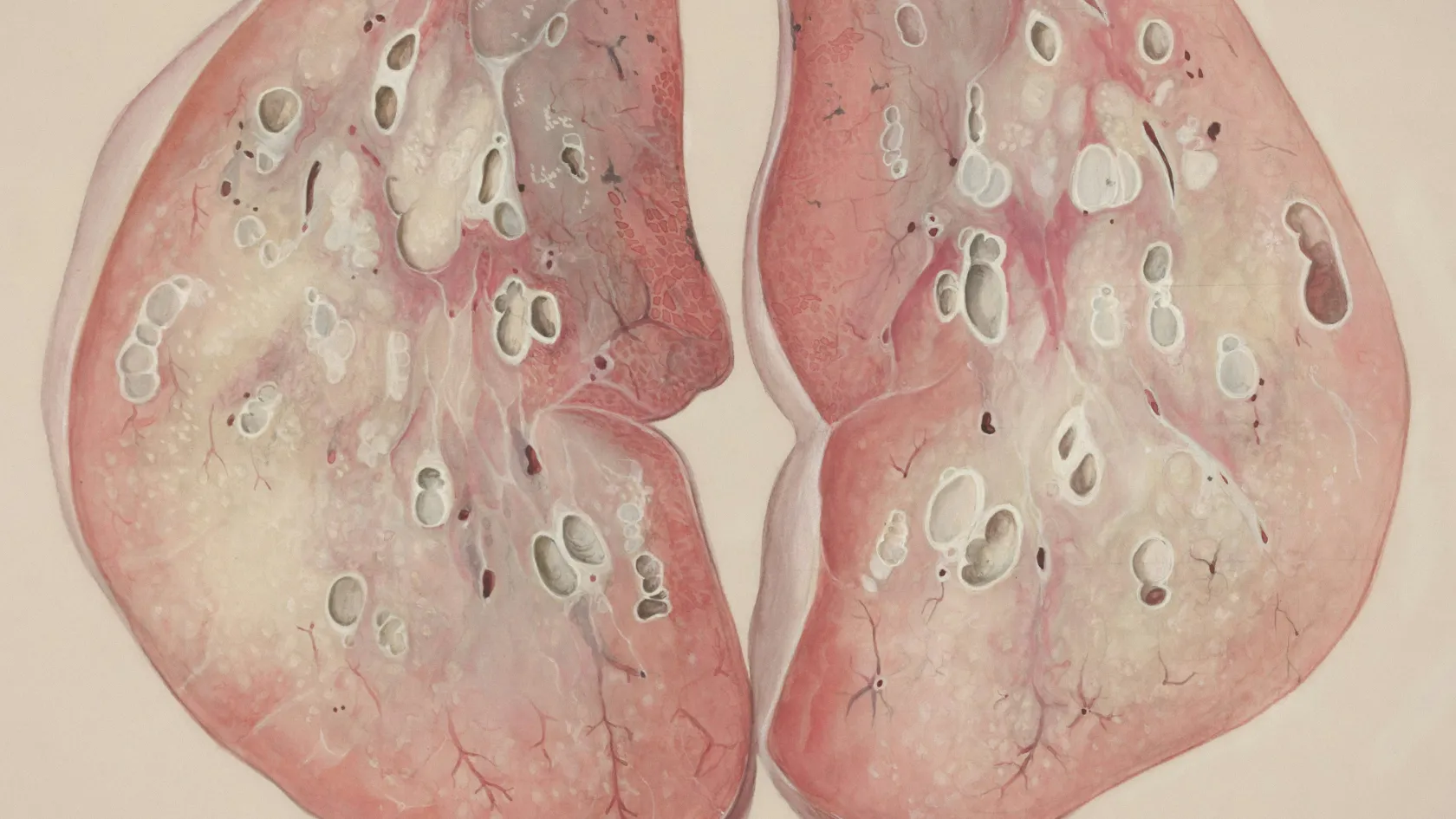
HCC Treatment - Hepatocellular Carcinoma Treatment begins with a fact that shapes every decision afterwards. Hepatocellular carcinoma grows in a liver that is already sick. Four fifths of patients have cirrhosis, from hepatitis B, hepatitis C, alcohol or fatty liver disease, and the rest have chronic hepatitis B without cirrhosis. Liver specialists therefore follow this cancer alongside oncologists, and a treatment that would be simple in a healthy liver, removing a lobe, say, turns dangerous in a scarred one.
The cancer itself feeds on the hepatic artery, grows as one nodule or several, and spreads first into the portal vein and later to the lungs and bones. Caught small, it is cured. Caught late, drugs that did not exist a decade ago hold it for months to years.
Two questions decide everything. How much cancer, and how much liver. A tumor board answers both before it names a treatment, and the cause of the liver disease shapes the answer to the second.
| Cause | What it means for treatment |
|---|---|
| Hepatitis B | A daily antiviral tablet starts before any cancer treatment and continues for life. Cancer can arise without cirrhosis, so surveillance starts earlier |
| Hepatitis C | Cured with eight to twelve weeks of tablets. Curing it lowers the risk of a second tumor |
| Alcohol | Stopping is part of the treatment, and it is checked |
| Fatty liver disease | Weight loss and control of diabetes. Patients are often older and heavier, which changes the surgical risk |
Diagnosis without a biopsy
The scan is the proof
Few cancers are diagnosed without tissue. This one is. In a patient with cirrhosis, a nodule of a centimeter or more that lights up brightly in the arterial phase of a contrast CT or MRI and then washes out in the later phases is cancer by definition, and international guidelines accept the scan as proof. Biopsy stays in reserve for nodules with an unusual pattern, for patients without cirrhosis, and for cases where a drug trial requires tissue.
| Test | What it adds |
|---|---|
| Contrast MRI or CT, four phases | The diagnosis itself, the number and size of tumors, and whether the portal vein is involved |
| Alpha-fetoprotein | A blood marker raised in about half of patients. Useful for follow-up when it was raised at the start |
| CT of the chest, and a bone scan when spread is suspected | Rules spread outside the liver in or out, which separates stage B from stage C |
| Bilirubin, albumin, clotting, platelets | Combined into the Child-Pugh score and ALBI grade that appear in every treatment decision |
| Endoscopy | Looks for varices in the esophagus, which bleed under some treatments and must be banded first |
A patient who arrives with a scan from home has the images re-read here by a liver radiologist, since the diagnosis rests on them, and a repeat MRI with a liver-specific contrast agent is done when the home scan leaves doubt.
The five stages, and what each one is offered
The Barcelona Clinic Liver Cancer system, updated in the Journal of Hepatology in 2022, is the staging every guideline uses. It combines three things, the tumor, the liver and the patient, into five stages, and attaches a treatment to each.
| Stage | Tumor | Liver and patient | Treatment |
|---|---|---|---|
| 0, very early | One nodule under 2 cm | Liver working well, patient fully active | Ablation, or resection |
| A, early | One nodule of any size, or up to three nodules each under 3 cm | Liver working well, patient fully active | Resection, ablation, or transplant |
| B, intermediate | Several nodules, confined to the liver | Liver working well, patient fully active | Chemoembolization, transplant for some, and drugs for tumors too extensive to embolize |
| C, advanced | Tumor in the portal vein, or spread outside the liver | Liver still working, patient up and about | Immunotherapy combination or targeted tablets |
| D, terminal | Any | Liver failing, or patient in bed most of the day | Supportive care, and transplant for the few who qualify |
Stage is a starting point. A patient at stage A whose liver is too weak for resection moves to ablation or transplant. A patient at stage B whose tumors respond to embolization becomes a transplant candidate. A patient at stage C who responds to drugs occasionally goes back to a treatment aimed at cure. The 2022 update calls this treatment stage migration and expects it.
Ablation, resection and transplant
Ablation comes first. For a single tumor under 3 centimeters, destroying it with heat or cold through a needle placed under ultrasound or CT guidance gives results close to surgery, with one night in hospital and no cut. Radiofrequency and microwave are the usual tools, and cryoablation is chosen for tumors near the surface or next to something that must be spared. Recurrence at the treated site runs higher than after resection for tumors over 3 centimeters, which is where surgery takes over.
Resection, removing the part of the liver that holds the tumor, is the treatment of choice for a single tumor in a patient without cirrhosis, and for a patient with cirrhosis whose liver function is preserved and whose portal pressure is normal. The surgeon leaves enough liver to do the work, which in a scarred liver means a smaller resection than the tumor alone would call for. Recurrence elsewhere in the liver over the following five years is the rule rather than the exception, because the cirrhosis that produced the first tumor produces others, and that is the argument for transplant.
A transplant, third, removes the cancer and the cirrhosis in one operation. The Milan criteria, published in the New England Journal of Medicine in 1996, define who benefits. A single tumor of 5 centimeters or less, or up to three tumors each of 3 centimeters or less, with no spread into vessels. Among 48 patients transplanted under those rules, four-year survival was 75 percent and recurrence-free survival 83 percent, and among the 35 whose removed liver confirmed the tumor was within the limits, 85 and 92 percent. Patients whose tumors turned out larger did far worse, at 50 and 59 percent.
The limits define the treatment. A patient just outside them is treated with embolization or ablation to bring the tumor inside, and reassessed. Whether a transplant is available to a particular patient depends on a donor, on the laws of the country where it is done and on the transplant program, and the review addresses that question directly rather than leaving it to the end.
Chemoembolization and radioembolization
A tumor confined to the liver that cannot be cut out, burned or transplanted is fed by the hepatic artery, and blocking that artery through a catheter is the treatment of intermediate-stage disease.
Two ways into the same artery
Both require a working liver. A bilirubin above about 2 milligrams per deciliter, fluid in the abdomen, or a tumor in the main portal vein rules out chemoembolization, and the liver tests weigh as heavily as the scan.
Immunotherapy and targeted tablets
Advanced disease, tumor in the portal vein or spread outside the liver, is treated with drugs, and two trials twelve years apart mark the distance traveled.
Twelve years apart
| SHARP, New England Journal of Medicine 2008 | IMbrave150, New England Journal of Medicine 2020 | |
|---|---|---|
| Treatment | Sorafenib tablets against placebo | Atezolizumab and bevacizumab infusions every three weeks, against sorafenib |
| Patients | 602 with advanced disease and no previous drug treatment | 501 with unresectable disease and no previous drug treatment |
| Median survival | 10.7 months against 7.9 | Hazard ratio for death 0.58 |
| Alive at one year | 67.2 percent against 54.6 percent | |
| Time to progression on scans | 5.5 months against 2.8 | 6.8 months against 4.3 |
| Tumor shrinkage | 2 percent | Substantially higher |
| Serious side effects | Diarrhea, weight loss, hand-foot skin reaction | 56.5 percent grade 3 or 4 against 55.1 percent. High blood pressure in 15.2 percent, other severe effects infrequent |
Sorafenib extended life in this cancer by three months, and no drug had done that before. The combination of an immune checkpoint inhibitor with an antibody that blocks tumor blood vessels replaced it as first-line treatment in 2020, and other combinations have followed. Bevacizumab raises the risk of bleeding from varices. An endoscopy to look for and treat them therefore comes before the first dose. Treatment continues for as long as it works and is tolerated, every three weeks by infusion, and an oncologist at home can give it on the protocol we write.
Treating the liver behind the cancer
Every patient with this cancer has a second diagnosis. Treating it is half of the work, and a treatment that shrinks the tumor and tips the liver into failure has not helped.
| Problem | What is done | Why it matters |
|---|---|---|
| Hepatitis B | A daily antiviral tablet, started before cancer treatment and continued for life | The virus flares under chemotherapy and immunotherapy, and the tumor returns sooner |
| Hepatitis C | Eight to twelve weeks of tablets | Curing it lowers the risk of a second tumor |
| Varices in the esophagus | Endoscopy and banding | Bleeding is a common cause of death in cirrhosis and a specific risk with bevacizumab |
| Fluid in the abdomen, confusion, low platelets | Diuretics, lactulose, transfusion as needed | Each changes what treatment the liver can bear |
| Alcohol and fatty liver | Stopping drink, weight loss, diabetes control | Slows the cirrhosis that produced the cancer |
The Child-Pugh score, from A to C, and the newer ALBI grade summarize how the liver is doing. Both get recalculated before every treatment decision.
How the plan is made
The order of treatments
Cure, where possible, comes first. Where cure is out of reach, the treatment that controls the tumor with the least harm to the liver comes first, and drugs wait in reserve for progression. A scan at one to three months follows every treatment, and the board meets again. A good response can open a door that was shut at the start. A poor one closes a door without delay.
Liver surgery, ablation, embolization, radiotherapy on an Elekta Versa HD linear accelerator and medical oncology are all delivered at Biruni Hospital on the same site, and the board that reads your file is the team that carries out its decision.
What each treatment costs the body
One risk runs through every treatment, and it is liver failure. A tumor board that declines a treatment because the liver cannot bear it is protecting the patient.
| Treatment | Main risks | How they are managed |
|---|---|---|
| Ablation | Bleeding, injury to bowel or bile duct near the tumor, tumor seeding along the needle track, in a few percent altogether | Careful planning, fluid to move bowel away, one night in hospital |
| Resection | Liver failure after the operation, bleeding, bile leak, infection. Death within 90 days in the low single figures per hundred in cirrhosis | Selection by liver function and portal pressure, a smaller resection, intensive care |
| Transplant | Rejection, infection, bile duct complications, recurrence of the cancer in 8 percent of patients transplanted within the Milan criteria | Lifelong immunosuppression, close follow-up |
| Chemoembolization | Post-embolization pain and fever for a week, liver failure in patients with borderline function, abscess | Strict eligibility by liver tests, medicines for the first week |
| Immunotherapy combination | Immune inflammation of the liver, thyroid, bowel or lungs. Bleeding from varices with bevacizumab. High blood pressure | Endoscopy before starting, blood tests before each infusion, steroids for immune effects |
The review says so in plain words when that applies to you, and it names the treatment the liver can bear instead.
Scans, markers and recurrence
| After | Scan and marker | For how long |
|---|---|---|
| Ablation or resection | Contrast CT or MRI and alpha-fetoprotein every 3 months | 2 years, then every 6 months for life |
| Chemoembolization | Scan at 4 to 6 weeks, deciding whether another session is due | Then every 3 months |
| Radioembolization | Scan at 3 months | Then every 3 months |
| Drug treatment | Scan every 2 to 3 months, blood tests before each infusion | For as long as the drug works |
| Transplant | Scan and marker every 3 to 6 months | Lifelong, with the transplant team |
Weeks in Istanbul by treatment
| Treatment | Hospital | Total stay |
|---|---|---|
| Staging, tumor board and plan | Outpatient | 3 to 5 days, with a repeat MRI if needed |
| Ablation | 1 night | 3 to 4 days |
| Resection | 7 to 10 days | 3 weeks, including recovery before flying |
| Chemoembolization, one session | 1 to 2 nights | 4 to 5 days, repeated on later visits or at home |
| Radioembolization | Day case for each of two visits | Two visits of 3 days, one to two weeks apart, or a single 10 to 12 day stay |
| Immunotherapy combination | Outpatient infusion | 2 to 3 days for the first cycle, then at home on our protocol |
| Transplant assessment | Outpatient | 1 to 2 weeks, with the operation and its stay planned separately |
Combining visits
Many patients combine two lines. Staging and a first chemoembolization in a week. Ablation, and the start of hepatitis B tablets, in four days. The coordinator builds the calendar from the decision of the board, and a patient who wants everything in one trip is told what that trip would hold before booking a flight.
What a quote is built from
No figure appears on this page, because this cancer has six treatments with six different price structures, and the stage decides which one applies.
Six structures
Ablation carries the probe and one night in hospital. Resection by the operating time, the intensive care and ward days, and the extent of liver removed. Chemoembolization by the beads and the drug, multiplied by sessions. Radioembolization by the yttrium-90 dose, which is a licensed radioactive product, plus the mapping visit. Immunotherapy by the infusion, given every three weeks for as long as it works, which makes it the largest sum over a year even though each cycle is smaller than an operation. A transplant belongs to a different order of cost and comes as a quote only from a transplant program after assessment.
A quote you can compare names the stage the board assigned, the treatment it assumes, the number of sessions or cycles, and the hospital days, and it follows the free review rather than preceding it, because a figure given before the stage is known is a figure for the wrong treatment. Ask for it after.
Coordinator, language, companion
The hour that matters most is the one in which the board explains the stage. A family that has understood that hour makes every later decision more easily, and the interpreter sits in on it.
Biruni Hospital gives every international patient one coordinator from the first message, reachable on the same WhatsApp number afterwards, and the international patients team works in English, Arabic, French, Russian, Serbian, Romanian and Spanish with interpreters arranged for other languages.
| Item | Detail |
|---|---|
| Accommodation | Close to the hospital, for the patient and a companion, for the whole stay |
| Transfers | Airport pickup and return, and the car to the hospital for every visit |
| Visa paperwork | An appointment confirmation and invitation letter naming the hospital and the treating doctor, ten days or so before travel |
| On the ward | A companion bed in every patient room |
| Meals | Halal, vegetarian and diabetic, following the low-salt diet a liver patient is prescribed |
| Faith and preference | A prayer room on site. A female physician arranged where the rota allows for anyone who asks in the first message |
Care at home
Once you get back home, the handover file goes to your liver specialist and your oncologist. It holds the stage, the decision of the board and its reasons, the treatment given with its dose and images, the hepatitis plan, the endoscopy findings, and the scan calendar.
Drugs
Scans and markers
Same-day emergencies
HCC Treatment - Hepatocellular Carcinoma Treatment FAQ
Can hepatocellular carcinoma be cured?
Is a biopsy needed to diagnose liver cancer?
What is the best treatment for stage B liver cancer?
What is the newest drug treatment for advanced liver cancer?
How long do I need to stay in Istanbul?
Does hepatitis B need treatment during cancer treatment?
Will the staff be able to speak my language?
References
- Reig M, Forner A, Rimola J, et al. BCLC strategy for prognosis prediction and treatment recommendation: The 2022 update. Journal of Hepatology. 2022;76(3):681-693.
- Mazzaferro V, Regalia E, Doci R, et al. Liver transplantation for the treatment of small hepatocellular carcinomas in patients with cirrhosis. The New England Journal of Medicine. 1996;334(11):693-699.
- Llovet JM, Real MI, Montana X, et al. Arterial embolisation or chemoembolisation versus symptomatic treatment in patients with unresectable hepatocellular carcinoma: a randomised controlled trial. The Lancet. 2002;359(9319):1734-1739.
- Llovet JM, Ricci S, Mazzaferro V, et al. Sorafenib in advanced hepatocellular carcinoma. The New England Journal of Medicine. 2008;359(4):378-390.
- Finn RS, Qin S, Ikeda M, et al. Atezolizumab plus Bevacizumab in Unresectable Hepatocellular Carcinoma. The New England Journal of Medicine. 2020;382(20):1894-1905.
Editor's note
Written by the Biruni Hospital medical editorial team. Reviewed by Prof. Dr. Özcan YILDIZ, Medical Oncology.
Medically reviewed by

Prof. Dr. Özcan YILDIZ
Medical Oncology
Related Treatments
View All
ALK Inhibitor Therapy
ALK inhibitor therapy treats ALK-positive lung cancer with a daily tablet taken at home. In the CROWN trial 60 percent of patients on lorlatinib were free of progression at five years, alectinib cut brain progression from 45 to 12 percent in ALEX, and two years of alectinib after surgery now protects early disease.

Anti-Angiogenic Therapy
Anti-angiogenic therapy blocks VEGF, the signal tumors use to grow their own blood vessels. Bevacizumab is given by drip with chemotherapy or immunotherapy, and tablets such as sunitinib, axitinib, cabozantinib and lenvatinib are taken at home. It treats bowel, liver, kidney, ovarian, cervical, lung and thyroid cancers. Our oncologists check blood pressure, bleeding risk and surgery timing before the first dose and follow you once you are back home.

Antibody Drug Conjugate Therapy - ADC Therapy
An antibody drug conjugate links an antibody that finds cancer cells to a powerful chemotherapy drug, delivering it inside the tumor. ADCs are now standard in HER2-positive, HER2-low and triple-negative breast cancer and in advanced bladder cancer, where enfortumab vedotin with pembrolizumab raised median survival from 16.1 to 31.5 months.

Atezolizumab Therapy - Tecentriq
Atezolizumab is an immunotherapy drip that blocks PD-L1, the protein tumors use to switch off the immune cells attacking them. It is approved for lung cancer after surgery and in advanced disease, for small cell lung cancer and, with bevacizumab, for advanced liver cancer, where it raised one-year survival from 54.6 to 67.2 percent.

Bevacizumab Therapy - Avastin
Starving a tumor of new blood vessels sounds as if it should work everywhere. The trials say otherwise. Bevacizumab added months of life in bowel, lung, cervical and liver cancer, delayed ovarian cancer, and did nothing for survival in newly diagnosed glioblastoma. This guide gives each result, the side effects, the biosimilars and how a course is planned.